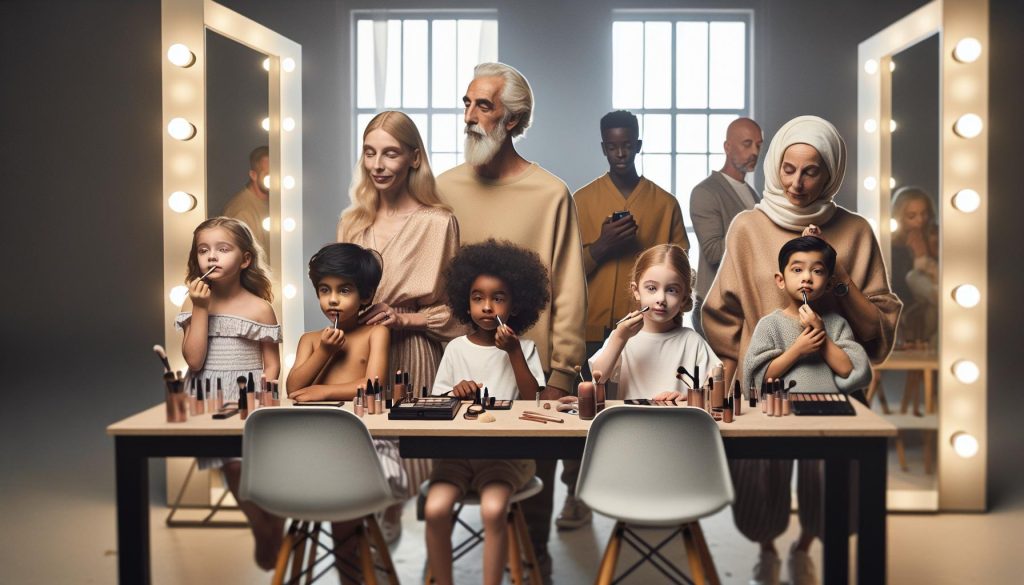
As kids grow, they naturally start to express their individuality, and makeup can be a fun way for them to enhance their self-confidence. However, the question of when it’s appropriate for children to wear makeup often leaves parents unsure. In this article, we’ll explore age-by-age guidelines to help you make informed decisions about your child’s makeup journey. From understanding developmental stages to considering social influences, these insights will empower you to support your child’s choices while ensuring they feel comfortable and age-appropriate. Join us as we navigate the world of makeup for kids, fostering a healthy attitude towards beauty and self-expression.
Understanding Kids and Makeup: The Basics
Understanding the basics of kids and makeup is essential for parents who want to navigate this increasingly popular aspect of childhood and adolescence. Many children show an interest in makeup at an early age, often inspired by social media, friends, or iconic figures in pop culture. This fascination can be completely normal, but it does raise important questions regarding appropriateness, safety, and emotional impact.
When considering makeup for kids, it’s vital to understand that makeup can serve various functions, from self-expression and creativity to simply wanting to emulate their favorite characters. Children often view makeup as a fun way to experiment with colors and styles. However, it’s crucial to ensure that any makeup discussions focus on healthy self-image and personal expression rather than societal pressures or beauty standards. Parents can encourage open dialogue, allowing their children to explore these interests while grounding them in self-acceptance and authenticity.
As kids get older, their reasons for wanting to wear makeup may shift. For younger children, it can be a playful activity during dress-up games, while tweens may begin to see it as a way to enhance their appearance. By understanding these motivations, parents can guide their children towards age-appropriate practices that balance fun with safety. Using makeup responsibly, such as selecting non-toxic products and teaching proper application techniques, fosters not only a safe experience but also a sense of independence and competence in their abilities.
In essence, the key lies in asking questions, listening actively to your child’s views on makeup, and providing education around beauty practices. This way, kids can enjoy makeup as a fun and empowering form of self-expression without losing sight of their self-worth. By nurturing this journey together, you can turn makeup into a positive bonding experience rather than just a cosmetic endeavor.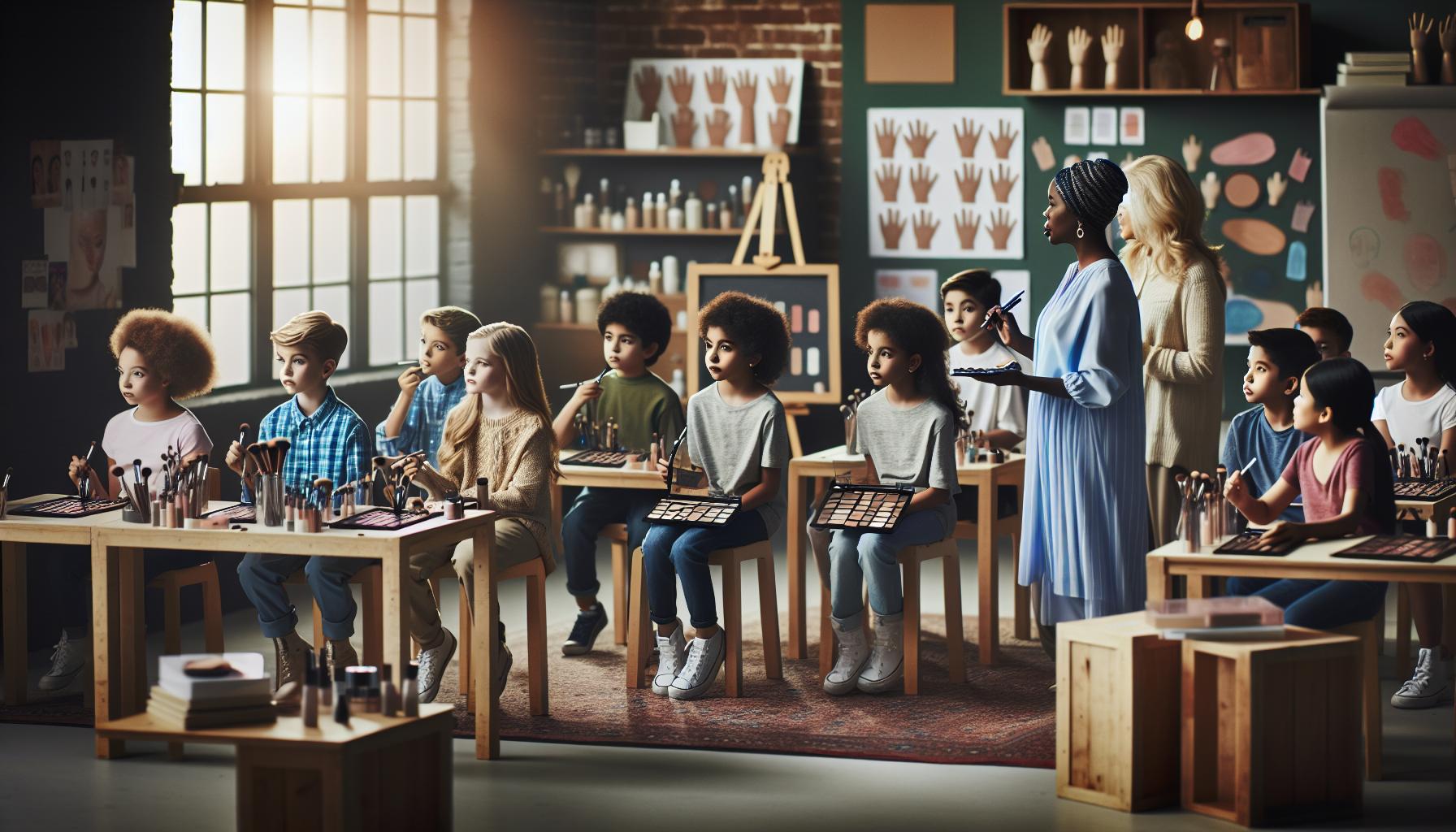
The Psychological Impact of Makeup on Kids
Children often view makeup through the lens of creativity and self-expression, seeing it as a playful way to emulate their favorite characters or express who they are. However, the psychological impact of wearing makeup can be nuanced, affecting self-esteem, social interactions, and identity development.
For many kids, experimenting with makeup can boost self-confidence and allow for exploration of personal style. When children engage in makeup play, they may develop a sense of agency over their appearance, which can be especially important during the formative years. They learn to navigate their self-image in relation to peer feedback and societal standards. However, it’s important to balance this positive reinforcement with discussions about beauty norms. This means encouraging kids to see makeup as a fun tool for creativity rather than a necessity for confidence or acceptance.
The cultural conversations surrounding beauty can influence children’s views on self-worth significantly. If children perceive makeup as a prerequisite for being attractive or likable, they may internalize unhealthy standards and equate their worth with their appearance. Parents play a crucial role here by ensuring that conversations around makeup emphasize self-acceptance and individual expression. By fostering open discussions about these topics, parents can help children build a strong foundation of self-esteem that transcends physical appearance.
A practical tip for parents is to facilitate these conversations as children begin to show interest in makeup. Ask them what they like about it, and encourage them to articulate their feelings rather than just mirroring societal expectations. This helps children develop a healthy psyche regarding their choices related to makeup, preparing them to make confident decisions as they grow older.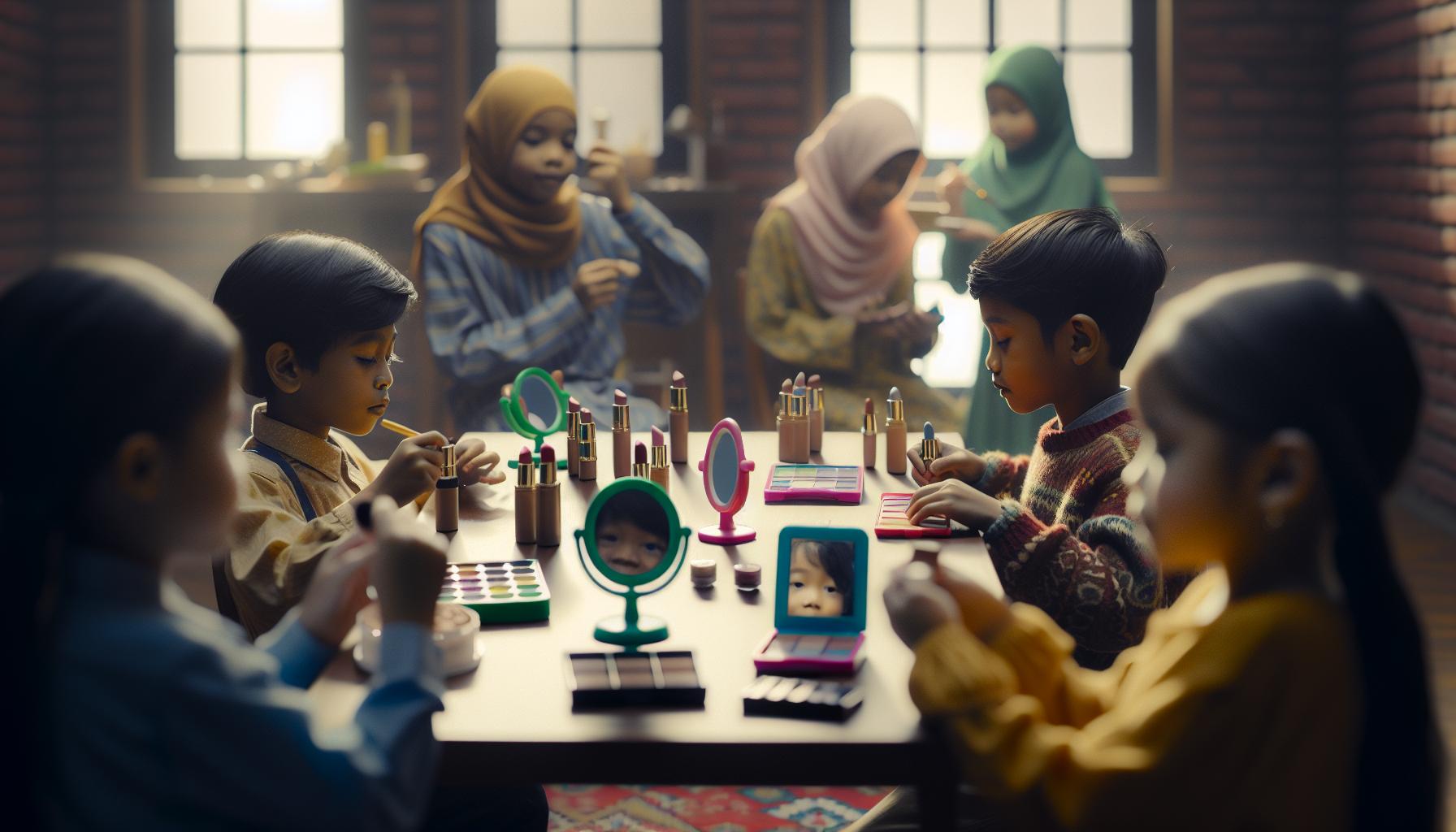
Age Appropriateness: When to Start Wearing Makeup
Determining when kids should start wearing makeup can be a nuanced topic, and it’s often more about the child’s individual maturity than a specific age. Generally, children as young as 7 to 10 years old might begin experimenting with makeup in a safe, supervised environment. At this stage, makeup should be seen as a form of creative play rather than a necessity for beauty. This is the perfect age for adding light, colorful products like lip balm, face glitter, or even temporary tattoos, which can enhance imaginative play without the need for complicated applications.
As they transition into their pre-teen years, around ages 11 to 12, it’s common for kids to want to mimic the looks of their favorite influencers or characters. This is a crucial time for parents to guide them through their interest in makeup. At this age, it’s helpful to introduce simple products like tinted moisturizers to provide a fresh look without the heavy feel of foundation. It’s also a good opportunity to discuss the importance of skincare, educating them on cleansing and moisturizing to keep their skin healthy.
When entering their teenage years, usually around ages 13 and up, self-expression becomes significantly more important. Teens may start wanting to wear more visible makeup, which often includes eyeliner, mascara, and eye shadow. It’s valuable for parents to set guidelines and discuss the types of products that can be worn and when. Encouraging them to choose makeup that complements their natural beauty allows for creativity while also promoting positive self-esteem.
The key is to approach makeup with sensitivity and understanding. Open dialogues about the purpose of makeup-whether it’s for play, self-expression, or enhancing features-can help children navigate their choices. Engaging in conversations about societal pressures surrounding beauty can also empower them to embrace their unique qualities, making the experience of using makeup a positive one.
Makeup Tips for Pre-Teens: Keeping It Simple
As pre-teens begin to explore the world of makeup, it’s essential to keep their approach simple and fun. At this stage, makeup should serve as a tool for creativity, self-expression, and a way to enhance their natural features rather than a means to cover up perceived flaws. Here are some straightforward tips to help make the makeup journey enjoyable and stress-free.
Start with skincare fundamentals. Encourage pre-teens to develop a basic skincare routine. This includes cleansing and moisturizing daily to create a healthy canvas for any cosmetic application. Using a gentle, hydrating moisturizer can make foundation or tinted creams feel lighter and more comfortable on the skin. A good rule of thumb is to apply moisturizer on clean skin in gentle circular motions, focusing on areas that tend to get dry.
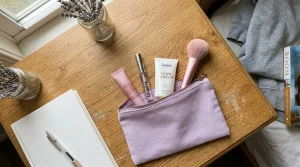
When it comes to makeup products, opt for minimalistic choices. A tinted moisturizer or BB cream can provide light coverage while still allowing the skin to breathe. Pair this with a hint of blush for a natural rosy glow and a swipe of lip balm to add moisture and a touch of color. Pre-teens should be encouraged to experiment with fun, colorful products like shimmer sticks or glitter gels that can be applied easily to the cheeks or eyelids, reminding them that makeup is primarily about having fun and being creative.
Another practical aspect is teaching application techniques. For instance, rather than applying heavy eye shadow or bold eyeliner, introduce a light application technique-like using fingers or a sponge to dab product on gently. This creates a softer look that’s perfect for their age. Remind them that makeup should feel comfortable and easy to wear-if it feels heavy or looks overly dramatic, it might be too much for their current stage.
Lastly, help them understand the importance of removing makeup every day. A simple cleanser can do wonders for their skin after a day of experimenting. Emphasizing this step not only maintains healthy skin but also teaches them that the care doesn’t stop after application.
In summary, the key to makeup for pre-teens lies in simple applications, light products, and a foundation of skincare. Encourage them to explore while reinforcing the idea that makeup should enhance rather than conceal, making the experience both empowering and fun.
Teen Makeup Essentials: Guidance for First-Time Users
As teens begin their makeup journey, it can be overwhelming to navigate the vast array of products and techniques available. The key is to embrace makeup as a form of self-expression rather than a necessity. Starting with the right essentials not only helps build confidence but also ensures that first-time users feel comfortable and empowered in their skin.
To kick off, it’s essential to establish a solid skincare routine. Clean skin is the best canvas for any makeup application. Encourage a regimen that includes cleansing, toning, and moisturizing daily. For those new to makeup, a gentle micellar water is a fantastic way to remove impurities without irritating the skin, making it easier to apply makeup later. Following cleansing, light products like a moisturizer with SPF are crucial to protect the skin, especially if foundation or other products will be applied.
When it comes to makeup products, less is more for beginners. Essential items might include a tinted moisturizer or a lightweight foundation, which offers coverage while allowing natural skin to show through. A touch of blush can bring life to the cheeks, while a clear or lightly tinted lip balm keeps lips hydrated and adds a hint of color. For those interested in defining their eyes, consider an easy-to-use product like a brown or black mascara; it’s less intimidating than eyeliner and gives a fresh, wide-eyed look.
Basic Application Techniques
Learning how to apply these products effectively can make a significant difference. Here are a few simple tips:
- Foundation: Use a damp makeup sponge to apply a small amount of foundation, blending it outward for a natural finish.
- Blush: Smile to locate the apples of the cheeks, then gently sweep blush from the center towards the hairline.
- Lip Balm: Apply balm directly to lips, and for a touch of color, use a tinted version and layer it for your desired intensity.
- Mascara: Look down into a mirror while applying; this helps to separate lashes and avoid clumping.
Remind teens that practice is part of the process. It’s perfectly normal if things don’t look perfect right away. Encourage them to have fun experimenting with colors and techniques in a pressure-free environment. It can also be helpful to have conversations about the importance of removing makeup nightly. A proper regimen for removing makeup not only keeps skin healthy but also provides an excellent opportunity to engage with their skincare routine.
By focusing on natural, radiant looks and encouraging creativity, first-time makeup users can enjoy this exciting phase of self-expression. Make sure to communicate that it’s all about celebrating individuality and feeling confident, with room to grow and adapt over time.
Parental Considerations: Setting Boundaries on Makeup Use
When approaching the topic of makeup use for children and teens, establishing clear and thoughtful boundaries is essential. This not only helps in setting appropriate expectations but also fosters healthy attitudes towards beauty and self-expression. Understanding what to consider can lead to more productive conversations and choices surrounding makeup.
To begin with, consider defining what makeup means in your household. Is it purely for special occasions, or is everyday application acceptable? Setting these standards early on can help children understand the context and appropriateness of using makeup at various ages. For example, you might decide that around ages 8-10, makeup should be limited to fun, playful uses like face paint or lip gloss for special events, while pre-teens could experiment with lighter products-perhaps a tinted moisturizer or blush-00 but with limits on how often they can use them.
Communication is another crucial element. Engage in open discussions about why they want to wear makeup and what it means to them. This dialogue can reveal underlying desires for self-confidence or social acceptance. Encourage them to share their feelings and thoughts, and use these conversations to explain your perspective, helping them appreciate that makeup is a form of expression that shouldn’t overshadow their natural beauty or character.
When setting boundaries, consider using guidelines as a framework. For instance, you might establish rules around:
- Occasions: Allow makeup use primarily for events like birthdays, holidays, or school dances.
- Types of Products: Specify which types of makeup are acceptable. For example, you might limit them to non-comedogenic products that are gentler on younger skin.
- Application and Removal: Teach the importance of proper application techniques and always removing makeup before bed to maintain skin health.
These rules should be revisited periodically as your child grows and displays readiness for more independence in their makeup journey. Flexibility is key; allowing your child more freedom as they demonstrate responsibility can foster trust and help build their self-esteem.
In conclusion, your support and guidance through open communication, clear boundaries, and periodic reviews will help your child navigate their makeup journey positively. Remember, fostering a balanced perspective on beauty and self-expression will serve them well into adulthood, allowing them to appreciate and celebrate their uniqueness confidently.
Makeup Skills for Kids: Fun and Safe Techniques
Exploring makeup can be a fun and creative outlet for kids, but it’s important to approach it safely and skillfully. Teaching children basic makeup techniques can ignite their imagination while ensuring they enjoy the process without the pitfalls that sometimes accompany cosmetic use. Start with simple, playful applications that emphasize fun over perfection.
Encourage your child to engage with makeup as a means of self-expression rather than a tool for transformation. A great way to introduce this concept is through face painting. Using safe, non-toxic face paints, guide them to create fun designs, enhancing their artistic skills and promoting a playful attitude toward makeup. This activity not only fosters creativity but also helps them understand the importance of choosing safe products. When using any cosmetics, emphasize the importance of reading labels and opting for hypoallergenic formulas designed for sensitive skin.
Another vital skill is learning how to apply and maintain makeup correctly. For quick and simple everyday glam, demonstrate how to use tinted lip balm for a hint of color that hydrates as well. Teach them to apply it by putting a fingertip-sized amount directly onto their lips and blending gently. This method is not only easy but also minimizes the potential for mess. As they progress, you can introduce other basic techniques, such as using a small brush to gently swipe blush on the apples of their cheeks or applying a light dusting of mineral powder to achieve a polished look without overpowering their natural beauty.
Always underscore the importance of removal. Make a fun routine around it! Using a gentle makeup remover or wipes designed for children, teach them to cleanse their skin thoroughly before bed. Explain that proper removal is crucial for maintaining healthy skin, and perhaps combine this with a short bedtime story or a chat about their day to make it a cherished part of their evening routine.
By focusing on skill-building and safety, you’re fostering an attitude towards makeup that celebrates creativity and personal expression. As they master these fun techniques, they will not only enjoy experimenting with their look but will also develop a respectful understanding of the beauty possibilities that makeup offers.
Navigating Social Media Influences on Kids’ Makeup
In today’s digital age, children are exposed to social media from a young age, and this can significantly influence their perceptions of beauty and makeup. Platforms like Instagram, TikTok, and YouTube serve as instant sources of inspiration, but they also come with their own set of challenges and pressures for young viewers. It’s crucial for parents to understand these dynamics and actively engage with their kids about what they see online.
Firstly, it’s important to encourage open discussions about social media content. Ask your child about the influencers they follow and what they find appealing about their makeup looks. By fostering a non-judgmental space for conversation, parents can help children critically analyze what they view and understand that many images are heavily edited or curated for entertainment rather than reality. This helps kids develop a more realistic understanding of beauty standards.
Another key aspect is setting boundaries regarding makeup usage inspired by social media trends. If your child is drawn to a particular look they’ve seen online, discuss what age-appropriate adaptations could be made. For instance, if they want to mimic a bold eye makeup style, suggest starting with lighter eye shadows to keep it fun and suitable for their age. This approach allows children to express their creativity while respecting their developmental stage.
Additionally, consider introducing makeup as a creative outlet rather than just an enhancement of beauty. Encourage activities like themed face painting or DIY makeup challenges using safe, non-toxic products. This not only provides a healthy way to engage with makeup but also steers the focus from purely aesthetics to art and self-expression.
To help balance exposure to media, establish tech-free zones or times where family members can engage in activities that don’t involve screens. Whether it’s playing games, doing crafts, or simply talking, these moments can help ground children and counteract the ever-present influence of social media.
Ultimately, by taking a proactive approach and nurturing your child’s self-esteem and critical thinking skills, you can help them navigate the complex landscape of social media influences on makeup. This creates a foundation for healthy self-expression and a positive relationship with cosmetics that transcends fleeting trends.
Choosing Age-Appropriate Products: A Parent’s Guide
Choosing the right makeup products for your child is crucial to ensure a positive and age-appropriate introduction to cosmetics. Many parents wonder how to navigate the vast array of products available and which are best suited for different age groups. Understanding the differences in formulations and purposes can help you make informed decisions that prioritize your child’s health and enjoyment.
When considering products, it’s essential to start with non-toxic and skin-friendly options. Look for brands that specifically market their products as safe for children, with gentle ingredients that won’t irritate sensitive skin. Here are some guidelines based on age:
1. Young Kids (Ages 5-10)
At this stage, makeup should be minimal and fun. Consider products like tinted lip balms or face crayons that allow for playful creativity without overwhelming them. Brands like Crayola or E.l.f. have kid-friendly makeup lines that offer colorful options with safe ingredients. Remember, the goal here is exploration and enjoyment rather than adherence to beauty trends.
2. Pre-Teens (Ages 11-12)
As your child approaches their pre-teen years, they may express more interest in trying makeup. This is a great time to introduce lightweight products, such as BB creams for a light coverage, clear mascara, and soft blush formulas. Opt for products labeled as hypoallergenic and non-comedogenic to avoid potential skin issues. Teach them about proper hygiene practices, such as keeping brushes and sponges clean, to maintain skin health.
3. Teens (Ages 13+)
For teens, the makeup landscape broadens significantly, and they may want to experiment with a variety of products. Here, it’s important to maintain a balance between self-expression and appropriateness. Guide them in choosing foundations that match their skin type, whether it’s oil-free for oily skin or moisturizing for dry skin. Eye shadow palettes can provide versatility for different occasions, but it’s wise to steer them toward softer colors for everyday wear. Promoting brands that focus on clean beauty can also introduce them to responsible makeup choices.
Key Tips for Parents
- Educate and Engage: Discuss the importance of selecting age-appropriate products. Involve your child in the shopping process to empower them with choices that reflect their style but remain suitable for their age.
- Promote Creativity: Encourage fun and playful use of makeup as an art form. Try themed makeup sessions where they can explore colors and techniques without the pressure of looking perfect.
- Stay Informed: Keep yourself updated on new products and trends appropriate for their age. Consider setting a family rule about sharing makeup items and stressing the importance of not using adult products without supervision.
Empowering your child through thoughtful product choices not only fosters self-expression but also builds their confidence and self-esteem. By guiding them in selecting the right makeup, you help create a positive relationship with cosmetics that values health, creativity, and self-acceptance.
Signs Your Child is Ready for Makeup: Observational Tips
Recognizing when your child is ready to venture into the world of makeup can be a significant moment for both of you. It’s not just about age; it involves observing their behavior, attitude, and overall interest in makeup as a form of self-expression. A key indicator is whether your child shows curiosity about makeup. Do they watch tutorials online or express a desire to try out products? Perhaps they’ve started imitating looks they see on their friends or in media. Paying attention to their conversations about makeup can provide insight. If they talk excitedly about color choices or the artistry behind makeup application, it might be time to explore this new experience together.
Another important sign is their understanding of the responsibilities that come with using makeup. Has your child shown the ability to take care of their belongings and understand basic hygiene principles? For example, do they regularly wash their hands or keep their room tidy? This maturity can translate to an awareness of the importance of clean makeup brushes and removing makeup before bed. If your child can grasp these concepts, it indicates they’re on the right path to responsibly handling makeup.
Social dynamics play a role as well. Observe how your child interacts with peers during playdates or outings. If they are interested in makeup as part of their social engagement-perhaps playing dress-up with friends or experimenting with face paint-this group exploration can signal readiness. You want to ensure that their desire to wear makeup aligns with peer influence and isn’t solely based on pressuring trends.
Ultimately, consider your child’s emotional readiness. If they display self-confidence and a keen interest in expressing themselves, encouraging this through age-appropriate makeup can be a wonderful opportunity. Creating a safe space for discussions about their desire to wear makeup fosters openness and reassures them that self-expression can be fun without compromising their values or priorities.
In summary, keep an eye on these key signs: curiosity about makeup, responsibility toward personal care, social interactions surrounding beauty, and emotional readiness to explore this new facet of self-expression. These observations will guide you in supporting their journey into makeup in a healthy, fun, and empowering way.
Building Self-Esteem Through Makeup: A Positive Approach
Exploring makeup can be a joyful journey for kids, providing them with an opportunity to express themselves creatively. When approached positively, makeup can significantly boost self-esteem, helping children feel more confident in their appearance and abilities. Allowing them to experiment with makeup-not just for aesthetics but as a fun, artistic outlet-can foster a sense of independence and mastery of new skills.
Encouraging kids to participate in makeup application can enhance their self-esteem. As they learn to apply makeup, children often experience a sense of accomplishment. This process can start small: perhaps allowing them to choose lip gloss in a color they love or helping them dab a bit of foundation for a special occasion. The key is to keep it light and enjoyable. Successful experiences, no matter how small, can reinforce their confidence and encourage them to embrace their unique features.
It’s also important to frame makeup as an accessory rather than a necessity. By emphasizing that makeup is a tool for enhancing what they already have rather than masking insecurities, you promote a healthy body image. Encourage open conversations about beauty, helping them understand that confidence comes from within and that makeup is just one of many ways to express their personality. This supportive dialogue can empower kids to appreciate their individuality, shaping a positive self-image that will benefit them well beyond their formative years.
In summary, fostering a positive relationship with makeup can be a game-changer for self-esteem. Allow your child to explore and express themselves through this medium, ensuring you guide them towards a thoughtful and healthy understanding of beauty. Emphasizing creativity, individuality, and the fun aspects of makeup will not only build their confidence but also enrich their self-exploration journey.
Discussing Makeup and Identity: Open Conversations with Kids
When children start to show interest in makeup, it presents a unique opportunity for parents to engage them in conversations about identity and self-expression. Even a simple question like, “Why do you want to wear makeup?” can open the door to meaningful discussions. Kids are often inspired by what they see in social media, on their favorite TV shows, or even from older siblings. Instead of dismissing their curiosity, parents can guide these discussions by exploring what makeup means to them-whether it’s fun, artistic, or a way to fit in with friends.
Building a dialogue around makeup should emphasize its role as a form of self-expression rather than a standard of beauty or a necessity for acceptance. This means helping kids understand that they don’t need makeup to feel pretty or valuable. For example, when a child expresses a desire for sparkly eyeshadow just like their favorite character, you can validate their excitement while also discussing how true beauty comes from confidence and individuality. Encourage them to think about what they enjoy about makeup-perhaps the colors, the textures, or the creative possibilities-rather than focusing solely on beauty standards.
As you explore these topics, it’s essential to keep the conversation age-appropriate and respectful of their feelings. Allow children to share their thoughts and feelings about makeup, validating their emotions while gently guiding them to think critically. You might say, “Makeup can be a fun way to express yourself, but remember, it’s not something that defines you.” Encouraging open dialogue about identity and self-care helps establish trust and gives your child the confidence to express themselves in ways that feel right for them.
Ultimately, transitioning into conversations about makeup can empower children to embrace their identity and individuality. By framing makeup in a positive light-emphasizing creativity and self-expression-parents can help their kids develop a healthy relationship with beauty. This supportive atmosphere encourages kids to explore their interests while feeling loved and accepted just as they are.
Frequently asked questions
Q: What age is appropriate for kids to start wearing makeup?
A: Generally, kids can begin wearing light makeup around age 8 to 10, focusing on basics like lip balm and light blush. This allows them to explore their creativity while ensuring it remains age-appropriate. For detailed guidelines, check the section on “Age Appropriateness: When to Start Wearing Makeup.”
Q: How can parents set limits on makeup use for their kids?
A: Parents should establish open communication about makeup. Setting clear boundaries, such as time limits or product types, helps kids understand appropriate use. Discuss these limits regularly to adapt as they grow. Explore more on “Parental Considerations: Setting Boundaries on Makeup Use.”
Q: What should kids learn before they start wearing makeup?
A: Before wearing makeup, kids should learn skincare basics, like cleansing and moisturizing, to maintain healthy skin. Additionally, teaching them about color choices and application techniques can instill confidence. For practical skills, see the “Makeup Skills for Kids: Fun and Safe Techniques” section.
Q: Is it normal for kids to feel pressured to wear makeup?
A: Yes, kids may feel social pressure to wear makeup, especially with influences from peers or media. It’s important to have open discussions about self-esteem and individuality, encouraging them to wear makeup only if they want to. More on this is found in “Navigating Social Media Influences on Kids’ Makeup.”
Q: How can I choose safe makeup products for my child?
A: To choose safe makeup for children, look for hypoallergenic and non-comedogenic products. Always check for age-appropriate labels and avoid harsh chemicals. For a more comprehensive guide, refer to “Choosing Age-Appropriate Products: A Parent’s Guide.”
Q: What are some signs my child is ready for makeup?
A: Signs your child may be ready for makeup include expressing interest in trying it out, asking questions about products, or wanting to mimic others. Observational tips can be found in “Signs Your Child is Ready for Makeup: Observational Tips.”
Q: Can makeup impact a child’s self-esteem?
A: Yes, makeup can boost a child’s self-esteem by allowing them to express themselves. However, it’s crucial to help them understand their worth is not tied to appearance. For more insights, see “Building Self-Esteem Through Makeup: A Positive Approach.”
Q: How can I discuss makeup with my child effectively?
A: Discussing makeup effectively requires open dialogue, where you listen to their thoughts and concerns. Encourage them to express how they feel about makeup and its use, fostering an understanding of their identity. For guidance, check out “Discussing Makeup and Identity: Open Conversations with Kids.”
In Summary
Understanding when kids should start wearing makeup is crucial for fostering confidence and self-expression in a healthy way. Remember, there’s no rush-every child develops at their own pace. Whether it’s a light touch of lip balm at age seven or a bit more for special occasions by age twelve, it’s about ensuring they feel comfortable and informed. For more tips on age-appropriate beauty routines, check out our article on “Teens and Self-Care: Building Healthy Habits” and our guide on “Makeup Application for Beginners.”
If you have questions or thoughts, please leave a comment below-we’d love to hear from you! For ongoing tips and support, consider signing up for our newsletter, where you’ll gain insights on beauty, grooming, and wellness tailored specifically for all ages. Don’t forget to explore our other resources so you can continue learning and empowering your kids in their beauty journeys.
Complete Guide to What Age Should Kids Wear Makeup
Understanding my 6 old son make up does is more important than ever in today’s information landscape. This comprehensive overview addresses the key questions people have about make up according to age 11, based on extensive research and expert insights.
Whether you’re a first-time researcher or looking to deepen your knowledge of what age should kids wear makeup, the information below addresses the most frequently searched questions on this topic.
Frequently Asked Questions About What Age Should Kids Wear Makeup
What is what age should kids wear makeup and why does it matter?
My 6 old son make up does is a topic of significant interest to many people seeking reliable information. The key factors to understand include context, application, and practical implications for everyday decisions.
How can I learn more about are 9 year olds the age to wear makeup?
The best approach to understanding are 9 year olds the age to wear makeup is combining multiple reputable sources – academic research, expert opinions, and real-world user experiences. This article covers the most important aspects, but we encourage continued learning from authoritative resources.
My 6-Year-Old Son Wants to Wear Makeup: Healthy Development & Guidance
Many parents wonder what to do when they notice: my 6 old son make up does pique his curiosity, or when he asks to try colorful face paints and lip balms. Child development experts emphasize that for 6-year-olds, makeup is primarily an extension of imaginative play, artistic creativity, and role-playing—akin to dressing up as a favorite superhero, animal, or stage performer.
Healthy Guidelines for Young Boys Exploring Cosmetics:
- Encourage Creative Expression: Treat makeup exploration as face painting and artistic experimentation without attaching shame or rigid adult expectations.
- Insist on Gentle, Water-Based Products: A 6-year-old’s skin barrier is still developing. Use water-soluble face paints, hypoallergenic tinted lip balms, and non-toxic theatrical creams.
- Supervise Application and Removal: Teach gentle washing habits with lukewarm water and a soft cloth to avoid eye irritation.
Get our latest guides, news, and insights highlighted in your Google Search & AI Overviews.