If you’ve ever watched a child light up at a birthday party or a school play, you might appreciate the magic that a talented makeup artist can create for young ones. Becoming a makeup artist for kids is not just about applying fun colors; it’s about fostering confidence and creativity in a nurturing environment. As the demand for skilled professionals in this niche grows, so do the opportunities for those eager to blend artistry with care. In this guide, we’ll walk you through the essential steps to embark on this rewarding career, addressing common concerns and offering practical advice to help you thrive in this vibrant field. If nurturing young imaginations through makeup sounds like your dream job, keep reading to discover how to turn that passion into a successful career!
Understanding the Role of a Kids’ Makeup Artist
The role of a kids’ makeup artist is both unique and rewarding, blending creativity with a genuine understanding of child-friendly practices. Unlike traditional makeup artistry, working with children often means embodying a sense of fun while ensuring safety and comfort. As a kids’ makeup artist, you’re not just applying makeup; you’re helping children express themselves through colorful products, whether it’s for a birthday party, school event, or theatrical performance. This role requires a special touch-one that respects children’s innocence but allows them to shimmer and shine at the same time.
In practice, a kids’ makeup artist must prioritize creating a joyful and relaxed atmosphere. Engaging with children requires patience and communication skills to make them feel at ease. Young clients often have different preferences and concerns compared to adults; therefore, friendly interaction and the ability to listen are crucial. Additionally, understanding the psychological aspect-many kids see makeup as a form of play-can enhance your approach, allowing for a fun and memorable experience.
Furthermore, knowledge of safe, hypoallergenic products is essential. Children’s skin is delicate, so using specific products designed for young skin is non-negotiable. As trends evolve, staying updated with age-appropriate styles and products ensures that your services remain relevant and appealing. Whether guiding children through a simple application or creating dazzling designs, your expertise helps foster their confidence and creativity. Ultimately, the role of a kids’ makeup artist is about celebrating youth, encouraging creativity, and ensuring a delightful experience.
Essential Skills to Succeed in Kids’ Makeup Artistry
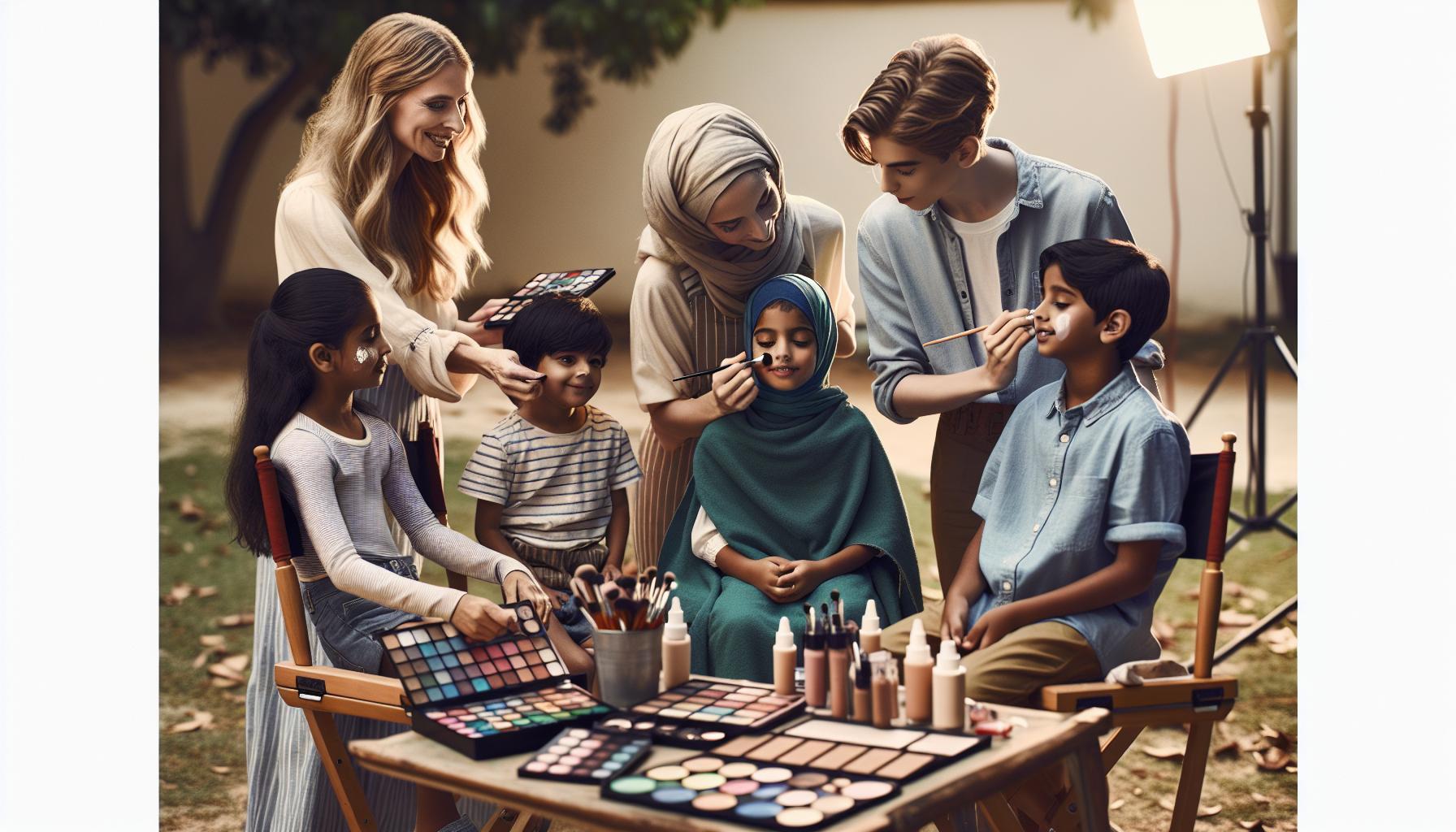
To truly excel in the realm of kids’ makeup artistry, several essential skills can make a notable difference in your practice and the experiences of your young clients. Understanding these skills will not only enhance your craft but also ensure you create a joyful and safe environment for children.
First and foremost, patience and excellent communication skills are vital. Working with children requires a gentle touch and the ability to connect with them on their level. Establishing trust is crucial, as many kids can be shy or reluctant at first. Engaging them with friendly conversation and eye-catching demonstrations can help ease their nerves. For instance, when introducing a new palette, you might say, “Look at these bright colors! Would you like to be a glittery butterfly today?”
Next, a solid foundation in safe makeup practices is paramount. This includes knowledge of hypoallergenic and non-toxic products specifically designed for children’s sensitive skin. Always conduct a patch test with new products to prevent any adverse reactions. Options like face paints made from natural ingredients can be both fun and safe. It’s also essential to explain why safety matters to children in a way that resonates with them, helping them appreciate the importance of taking care of their skin.
Flexibility in your artistic approach is another key skill. Each child has unique preferences and personalities; some may want to channel their favorite superhero with bold strokes, while others might prefer delicate, sparkly fairy looks. Being adaptable allows you to cater to these varied desires effectively. A good practice is to ask guiding questions about what they imagine their look to be; this empowers them to express their creativity.
Lastly, staying informed about current trends and age-appropriate styles will keep your services relevant and exciting. This means dedicating time to explore the latest in makeup through forums, social media, and even attending workshops. For example, learning new techniques like simple face painting or themed parties can expand your repertoire, making each session a fresh and fun experience for kids.
Each of these skills helps create an atmosphere of joy and creativity, enabling you as a kids’ makeup artist to bring out the playful side of beauty for your young clients while prioritizing their comfort and safety.
Creating a Kid-Friendly Makeup Kit
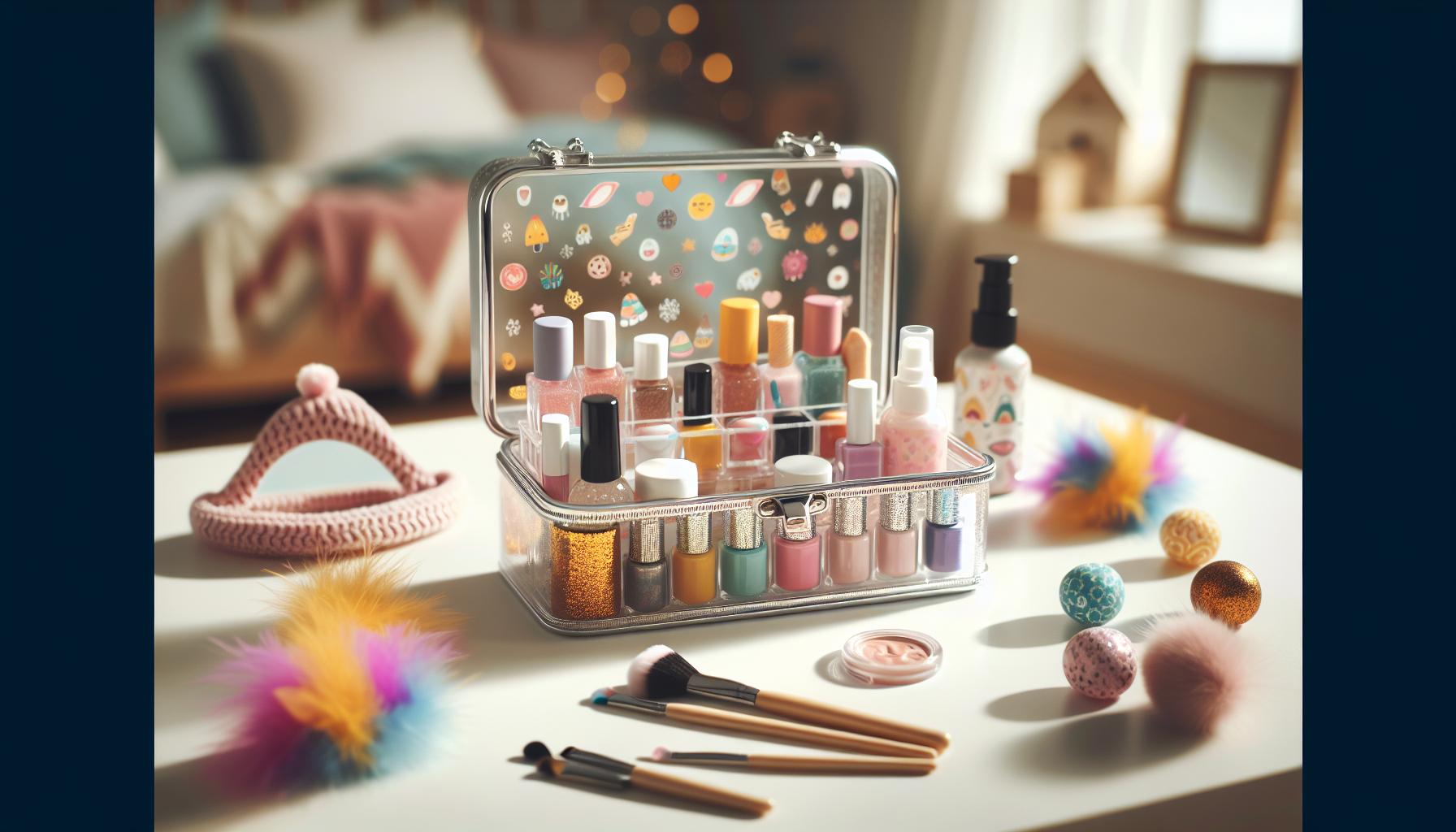
is essential for any makeup artist specializing in children’s beauty needs. Understanding the unique requirements of kids and their sensitive skin will help you assemble a kit that not only excites them but also ensures their safety and comfort during the application process.
First, prioritize hypoallergenic and non-toxic products. Look for makeup specifically formulated for children, such as water-based face paints and skin-safe glitter. Brands like Snazaroo and Faber-Castell offer products that are both playful and safe. When building your kit, include essential items such as:
- Face Paints: Opt for a variety of colors that can be easily washed off with soap and water.
- Kid-Friendly Lip Balms: Choose tinted balms with fun flavors to keep lips hydrated without the heaviness of traditional lipsticks.
- Soft Brushes: Use synthetic brushes that are soft on delicate skin; consider shapes suitable for precise application and blending.
- Blush Crayons: These creamy, blendable products are easy to apply and perfect for adding a pop of color to cheeks.
- Kid-Safe Nail Polish: Water-based polishes are easy to remove and come in vibrant colors, making manicures fun without toxic fumes.
In addition, consider incorporating a set of makeup wipes or a gentle cleanser specifically designed for children. This ensures that cleaning up after a fun session is hassle-free and safe for their skin.
Remember, young clients can be particular about their preferences. Thus, it’s beneficial to involve them in the process-let them choose colors and designs to create a more engaging experience. Lastly, regularly check the expiration dates of products and avoid using anything that might cause irritation. By curating a thoughtful and safe kid-friendly makeup kit, you’ll not only provide a memorable experience for your young clients but also establish trust with their parents.
Navigating Makeup Products Safe for Children
As a makeup artist for kids, your primary goal is to create a fun and engaging experience while ensuring the highest level of safety. Kids’ skin is different from adults’; it’s more delicate and sensitive, making it crucial to navigate the world of makeup products carefully. Opting for products specifically designed for children is the best way to strike that balance. These products are usually formulated with their unique skin characteristics in mind, avoiding harsh chemicals and allergens that can lead to irritation.
When selecting makeup options, prioritize products that are labeled as hypoallergenic and non-toxic. Look for items like water-based face paints, which are not only safe but can also be easily removed with soap and water. Brands such as Snazaroo or Faber-Castell offer excellent options that are playful yet gentle on kids’ skin. A great choice for lip care would be kid-friendly lip balms-these not only keep lips moisturized but are also fun and available in various flavors. Another essential is soft synthetic brushes; they should be gentle on delicate skin while allowing for precise application and blending, essential for creating the perfect look.
When it comes to nail cosmetics, opt for water-based nail polishes that come in a variety of colors and can be effortlessly removed. It’s essential that these products have no toxic fumes, ensuring a fun and safe manicure experience. To facilitate easy cleanup and maintenance, consider incorporating a specialized makeup remover or gentle cleansers designed for children. Not only do these products maintain the safety of the child’s skin, but they also build trust with their parents, who will appreciate your commitment to using appropriate materials.
Make sure to involve your young clients in the process, allowing them to choose colors and styles that express their creativity. This not only makes the makeup session more enjoyable but also reassures parents that their child’s preferences are being respected. Keeping an inventory of safe products and regularly checking for expiration dates will ensure you are always ready to provide a safe, enjoyable experience. By navigating these aspects thoughtfully, you can foster a nurturing relationship with both children and their parents while establishing a reputation as a caring and skilled kids‘ makeup artist.
Building Your Portfolio as a Kids’ Makeup Artist
Building a captivating portfolio as a kids’ makeup artist is essential for showcasing your unique skills and creativity, while also attracting potential clients. To start, focus on capturing a diverse range of looks that reflect your expertise in working with children. This could include everything from whimsical birthday party themes to theatrical performances or costume events. By including a variety of styles, you’ll not only demonstrate your versatility but also appeal to a broader audience.
One effective strategy is to collaborate with parents or guardians who are excited to share their child’s artistic vision. Offer to do makeup for special occasions such as Halloween, school plays, or birthday celebrations where you can create bold and colorful looks. During these sessions, take high-quality photos of your work-preferably in natural light-and ensure you have the parents’ permission to use these images in your portfolio. When photographing, focus on close-ups of the makeup details and action shots of the children enjoying the experience. These images are great for highlighting your ability to engage with your young clients and ensure they are having fun.
Additionally, maintain a digital presence by creating an online portfolio or using social media platforms like Instagram to showcase your work. Use relevant hashtags to increase your visibility, such as #KidsMakeupArtist, #ChildrensMakeup, or #FacePainting. Regular posting will not only keep your following engaged but also help attract new clients. Consider sharing behind-the-scenes videos or tutorials, which can further establish your expertise and allow potential clients to see your personality and approachability-traits that are crucial when working with children.
Incorporate testimonials from satisfied parents into your portfolio to build credibility and trust. These can be simple phrases expressing their happiness with your service and how their child felt during the makeup process. Always ask for feedback after each job to cultivate a positive relationship and to continually improve your craft. By showcasing your work effectively and creating a friendly, engaging atmosphere, you’ll build a portfolio that resonates deeply with your target audience and sets the stage for a thriving business in kids’ makeup artistry.
Effective Marketing Strategies for Your Makeup Services
To thrive as a kids’ makeup artist, effective marketing is essential to attract clients and establish a reliable brand. Start with the power of social media. Platforms like Instagram and Facebook are crucial for showcasing your vibrant, playful looks. Create a dedicated page where you can regularly post photos of your work, share behind-the-scenes snippets, and engage with your audience through fun stories and polls. Make sure to leverage relevant hashtags like #KidsMakeup and #FacePainting to maximize your visibility among parents searching for these services.
Build Relationships with Parents and Local Communities
Networking is vital in this line of work. Attend local events such as school fairs, birthday parties, or community festivals where you can set up a booth. Offer free demonstrations or mini-makeover sessions to draw interest. Having parents see your work live can convert them into clients. Don’t shy away from collaborating with local photographers or event planners to tap into their networks as well. Consider creating special package deals for back-to-school events, Halloween, or holiday parties, which are prime times for kids’ makeup services.
Create Engaging Content
Content is king, especially in the beauty industry. Consider starting a blog or a YouTube channel where you can share tutorials on fun makeup looks for kids, ranging from simple everyday styles to elaborate costumes for events. This not only showcases your skills but also allows parents to see your approach to working with children. Share tips on selecting safe products, fun makeup themes, or even DIY ideas that parents can try at home with their kids. By creating value, you position yourself as an expert in your field.
Utilize Client Testimonials and Referrals
Never underestimate the power of positive feedback. Testimonials from satisfied parents can instill confidence in new clients considering your services. After each gig, ask for a brief review and permission to share any photos on your platforms. You could also set up a referral program where existing clients receive discounts for bringing in new customers, facilitating word-of-mouth marketing that’s incredibly effective in local communities.
By integrating these strategies into your marketing plan, you’ll not only attract clients but also build a recognizable brand that resonates with families searching for safe and enjoyable makeup artistry for their children.
Exploring Job Opportunities in Kids’ Makeup
In the vibrant world of kids’ makeup artistry, numerous job opportunities await those with a passion for creativity and a knack for working with children. From birthday parties to school events, the demand for playful and safe makeup services has been steadily growing. Children love to express themselves through colorful designs, and parents are eager to facilitate this creative outlet in a fun and secure environment.
One of the most common avenues for a kids’ makeup artist is offering services at birthday parties. These events often feature themes-whether it’s princesses, superheroes, or fantasy creatures-providing an excellent opportunity to showcase your skills. Setting up a mobile station where kids can experiment with makeup under your guidance can create a memorable experience. Additionally, partnering with party planners can help you tap into a wider customer base.
Furthermore, consider opportunities in community events, such as fairs or festivals, where you can set up a booth to attract families. Many organizations host seasonal events-like Halloween festivals or holiday gatherings-where children’s makeup artistry plays a significant role in enhancing the festive atmosphere. Offering face painting or special effects makeup can help you reach a broader audience and build your portfolio.
Freelance and Collaboration Opportunities
Freelancing as a kids’ makeup artist also fills a crucial niche. You can establish relationships with local schools, daycare centers, and theaters looking for makeup for performances or holiday shows. Don’t overlook virtual opportunities either; creating video tutorials or online classes can expand your outreach while providing valuable content for parents seeking safe and fun makeup options for their kids to enjoy at home.
In addition to direct services, another creative pathway is collaborating with local photographers or videographers focusing on child portraiture. You could offer to provide makeup for photoshoots, which would benefit both you and the photographer by enhancing the visual storytelling of the child’s personality. This collaboration can also lead to cross-promotion, reaching a wider audience through each other’s networks.
Ultimately, whether you choose to work at events, freelance, or partner with other professionals, the key to success is to remain adaptable and attuned to the needs of your clients. Building a reputation for your friendly demeanor and reliability will lead to repeat business and referrals, helping to establish a flourishing career in the kids’ makeup industry.
Networking Tips for Aspiring Kids’ Makeup Artists
Building a successful career as a kids’ makeup artist relies significantly on networking. Connecting with other professionals not only expands your reach but also opens doors to opportunities you might not have considered. Remember, it’s not just about who you know but also about building genuine relationships, sharing experiences, and collaborating effectively.
Start by attending local events such as children’s fairs, art shows, or community festivals, where you can meet parents, party planners, and other entertainers like face painters and balloon artists. These gatherings offer a relaxed atmosphere to engage with potential clients and collaborators. Establishing rapport at these events can lead to referrals or partnerships for birthday parties and school events.
Online platforms can also be a fantastic way to network. Joining social media groups specifically for children’s entertainment professionals allows you to interact, share your work, and ask for advice. Platforms like Instagram are visual and can showcase your artistry effectively. Always engage sincerely with your audience by responding to comments and messages; this builds an inviting online presence.
Consider reaching out to local photographers, videographers, or even children’s fashion brands. You could propose collaborations, where you provide makeup services for their photoshoots in exchange for cross-promotion on social media. This way, you’ll not only expand your portfolio but also tap into their audience, increasing your visibility.
Finally, don’t underestimate the power of word-of-mouth. Encourage satisfied clients to share their experiences with friends and family. You could even create referral incentives, such as a discount on future services for clients who recommend you. Building a strong community around your business will lead to more clients and fulfilling collaborations. By nurturing relationships and promoting your work not just online but in person, you’ll find that networking is a vital step to landing those exciting makeup gigs in the world of kids’ artistry.
Setting Your Rates: What to Charge for Kids’ Makeup
When it comes to determining your rates as a kids’ makeup artist, several factors come into play that can help you set competitive yet fair pricing. Understanding your local market, your level of experience, and the specific needs of your clientele are essential in crafting your fee structure. A common misconception is that pricing should be uniform across the board; however, by taking a more nuanced approach, you can maximize your earnings while providing value to your clients.
Begin by researching what other kids’ makeup artists in your area charge. This can range from $50 to $150 for a session depending on factors such as location, the complexity of the makeup requested, and the artist’s experience. Create a list of services you offer-such as birthday party packages, special event makeup, or themed face painting-and consider offering tiered pricing based on service complexity. For instance, you might charge a flat rate for basic looks and higher rates for intricate designs or extensive applications, like those required for theatrical performances or costume characters.
It’s also crucial to incorporate your costs into your pricing strategy. Calculate expenses including makeup supplies, transportation, and marketing. Don’t forget to factor in your time; for instance, if it takes you an hour to set up, apply makeup, and clean up afterward for an event, ensure your hourly rate reflects this commitment. Additionally, consider the potential for group discounts or package deals for larger events. Offering a promotional price for multiple bookings can encourage clients to refer you to friends or book your services for more than one occasion.
Lastly, as you set your rates, maintain open communication with your clients. Be transparent about what they can expect at each price point, and don’t hesitate to adjust your pricing as you gain experience and build your portfolio. Tailoring your services to meet the needs of different clients, such as offering a budget-friendly option or premium services with added perks, will not only provide you with a steady stream of work but also build a loyal customer base. In this vibrant world of kids’ artistry, flexible, transparent pricing can set you apart while ensuring both you and your clients feel valued.
Managing Client Relationships and Expectations
Building a successful career as a kids’ makeup artist involves much more than just applying makeup; it’s about fostering positive relationships with both kids and their parents. Establishing trust is key to effectively. When engaging with your clients, always start with open communication. This means clearly outlining what services you offer, the expected outcomes, and any limitations or considerations related to the makeup process, especially when working with children, who may have unique needs or sensitivities.
Setting Clear Expectations
Setting clear expectations not only helps in avoiding misunderstandings but also assists in ensuring a smooth and enjoyable experience for everyone involved. Make it a practice to discuss the specifics before any appointment. For instance, ask parents about their child’s preferences, any previous experiences with makeup, or allergies that might affect what products you can use. This personalized approach not only enhances the service but also helps build rapport and trust.
Regular Feedback
Encouraging feedback is another cornerstone of a healthy client relationship. After each session, both parents and children should feel comfortable sharing their thoughts. You might say something like, “I love to hear how you felt about today’s look! Was there anything you loved or would do differently next time?” This not only reinforces your commitment to their satisfaction but also can lead to adjustments that improve your service.
Managing Challenging Situations
Inevitably, challenges can arise – whether it’s a child who feels uncomfortable or a parent with specific concerns about the makeup process. It’s critical to remain calm and adaptable. If a child is feeling anxious, reassure them gently, and if necessary, offer alternatives like a lighter makeup look or using more playful, less demanding themes. When working with parents, listen attentively to their concerns and offer them viable solutions, ensuring they feel heard and respected.
In summary, managing client relationships as a kids’ makeup artist is about communication, setting clear expectations, welcoming feedback, and handling challenges with empathy. By fostering a supportive and understanding environment, you can create joyful experiences for children, gain the trust of parents, and build a successful business centered on creativity and care.
Continuing Education: Staying Updated in the Industry
Staying informed about industry trends is essential for a successful career as a kids’ makeup artist. The world of makeup, especially for children, is continually evolving, driven by new products, techniques, and cultural shifts. Engaging in ongoing education can not only enhance your skills but also stimulate your creativity and ensure that you are providing the highest standard of service to your young clients and their parents.
One effective way to stay updated is by enrolling in workshops or webinars specifically focused on children’s makeup artistry. Many beauty schools and organizations offer classes that cover the latest techniques and safety practices. These platforms often invite industry experts to teach, providing you with access to insider knowledge and the opportunity to ask questions directly related to your practice. Additionally, online courses can be a flexible option, allowing you to learn at your own pace while fitting your training around your busy schedule.
Another avenue for continuing education involves networking with other professionals in the field. Joining makeup artist associations or local community groups can provide valuable support and information on upcoming trends and best practices. These networks often share resources, such as new product launches, innovative techniques, and safety standards, that are vital for working with young clients. Attending trade shows and beauty conventions is another excellent way to learn about the latest products and tools while meeting other artists who share your passion.
Engagement with social media platforms, such as Instagram and TikTok, can also serve as an informal yet effective method for learning and inspiration. Following other kids’ makeup artists, beauty brands, or educators in the makeup community can expose you to a variety of styles and techniques. Engaging with these communities allows you to see what resonates with young audiences and understand the latest trends in children’s makeup looks. Consider dedicating some time each week to watch tutorials or browse through professional profiles to gather new ideas.
In summary, continuing education is a vital aspect of maintaining your relevance and expertise as a kids’ makeup artist. Through workshops, networking, and social media engagement, you can cultivate a well-rounded understanding of the industry, ensuring you provide creative and safe makeup experiences for children. Embrace the opportunities to learn and grow, as this will not only enhance your artistry but also foster a loyal client base excited about your innovative approach to kids’ makeup.
Exciting Trends in Kids’ Makeup and How to Embrace Them
In the ever-evolving world of children’s beauty and self-expression, trends in kids’ makeup are constantly shifting, influenced by social media, pop culture, and the desires of young creators themselves. Embracing these trends not only allows makeup artists to connect with their young clients but also ensures a playful and imaginative approach to makeup artistry that resonates with the younger generation.
One prominent trend is the rise of playful, bold colors. Rather than sticking to traditional pastel shades, children now enjoy experimenting with vibrant hues that reflect their personalities. For makeup artists, this means introducing palettes that feature a variety of colors, such as bright pinks, greens, and blues. Artists should encourage their young clients to use these colors creatively, whether it’s through playful eyeshadow looks or creative blush applications that emphasize fun over perfection. For example, suggest a technique like using a small brush to create colorful dots or swirls on the cheeks, allowing kids to express their creativity freely.
Another exciting development in kids’ makeup is the surge in temporary and safe products made specifically for young skin. Brands are increasingly offering options like glitter gels, face crayons, and even wash-off nail polishes that are non-toxic and child-friendly. Artists can recommend these products by explaining their benefits, such as ease of application and removal, encouraging parents to think of makeup as a fun activity rather than something to be intimidated by. For instance, a simple application of a glitter gel over the eyelids can transform a look for a special occasion, making the experience enjoyable and memorable for both the child and the parent.
Furthermore, the popularity of themed looks is also on the rise. Children frequently want to channel their favorite characters from movies, games, or books. As a makeup artist, you can help them achieve their desired looks while emphasizing the importance of creativity and individuality. Offering themed sessions-like fairy princesses or superheroes-can lead to fantastic opportunities to show your skills while engaging with the child’s imagination. Make sure to provide a safe and welcoming environment where kids can feel free to express themselves and experiment with different styles.
As you explore these trends, remember that educating parents about the importance of makeup safety is key. Highlight products that are gentle on the skin and suitable for children. Moreover, always emphasize that makeup is a form of fun self-expression rather than a necessity. Encouraging kids to enjoy the process fosters confidence and creativity, making it an enriching experience for everyone involved.
By keeping an eye on these vibrant trends and adapting your techniques accordingly, you can create a successful niche for yourself in the kids’ makeup artistry sphere. Ultimately, being able to celebrate the joys of youth through makeup isn’t just a job; it’s an opportunity to inspire young artists to embrace their creativity.
Faq
Q: What qualifications do I need to become a kids’ makeup artist?
A: To become a kids’ makeup artist, consider obtaining a cosmetology license, which provides foundational skills. While formal education isn’t mandatory, taking specialized courses in makeup artistry or child-friendly techniques can enhance your credibility and skills. Also, obtaining certifications in working with children can be beneficial.
Q: How can I find clients as a kids’ makeup artist?
A: Finding clients involves leveraging social media platforms, local parenting groups, and community events to showcase your work. You can also collaborate with children’s event planners or photographers. Building a professional website featuring your portfolio and client testimonials will enhance your visibility and attract potential clients.
Q: What are the best makeup products for children’s skin?
A: Opt for hypoallergenic, non-toxic products specifically formulated for children’s sensitive skin. Brands offering kid-friendly makeup include those that use natural ingredients and avoid harsh chemicals. Always conduct patch tests prior to full application to ensure that products are safe for the child’s skin.
Q: How do I price my services as a kids’ makeup artist?
A: Pricing your services can depend on market research and your experience level. Generally, you can charge hourly rates or package deals for events. Consider including costs for travel and materials, and aim for competitive pricing based on local rates. Adjust as needed when you gain more experience or clientele.
Q: What should I include in my kids’ makeup kit?
A: A kids’ makeup kit should include items like face crayons, gentle blushes, kid-safe lip balms, and sparkly eye shadows. Focus on products that are easy to apply and remove. Additionally, include tools like brushes and sponges, along with sanitizing wipes, to ensure cleanliness during makeup application.
Q: How can I ensure a safe makeup application for kids?
A: To ensure safety, always ask about allergies and use products specifically designed for children. Conduct skin tests for new products before application, and maintain a clean workspace with sanitized brushes and tools. Communicate openly with both the child and their parents throughout the process to ensure comfort.
Q: What are some common challenges faced by kids’ makeup artists?
A: Common challenges include managing a child’s short attention span, addressing potential anxiety about makeup, and ensuring product safety. To overcome these, build rapport with the child through engaging conversation, keep sessions fun and playful, and ensure clear communication with parents regarding the process.
Q: How can networking benefit my career as a kids’ makeup artist?
A: Networking can significantly boost your kids’ makeup artistry career by connecting you with other professionals in the industry. Attend workshops, join beauty groups, and participate in local events. Networking can lead to referrals and collaborations that enhance your visibility and client base.
To Conclude
Congratulations on taking the first step toward an exciting career as a makeup artist for kids! By following this roadmap, you’re empowering yourself with the knowledge and skills needed to create magic through makeup while making a positive impact on young lives. Remember, the journey doesn’t end here-there’s always more to learn and explore.
Why not dive deeper into your craft? Check out our guide on “Essential Tools Every Makeup Artist Needs” and uncover the secrets of building your perfect kit. Feeling inspired? Join our newsletter for exclusive tips and tricks straight to your inbox. And if you have questions, don’t hesitate to leave a comment below; we’re here to help you thrive on this journey.
Your path as a makeup artist is just beginning. Embrace it, keep experimenting, and remember that every little face you make up holds the potential for a world of joy. Start now, and let your creativity shine!
Get our latest guides, news, and insights highlighted in your Google Search & AI Overviews.