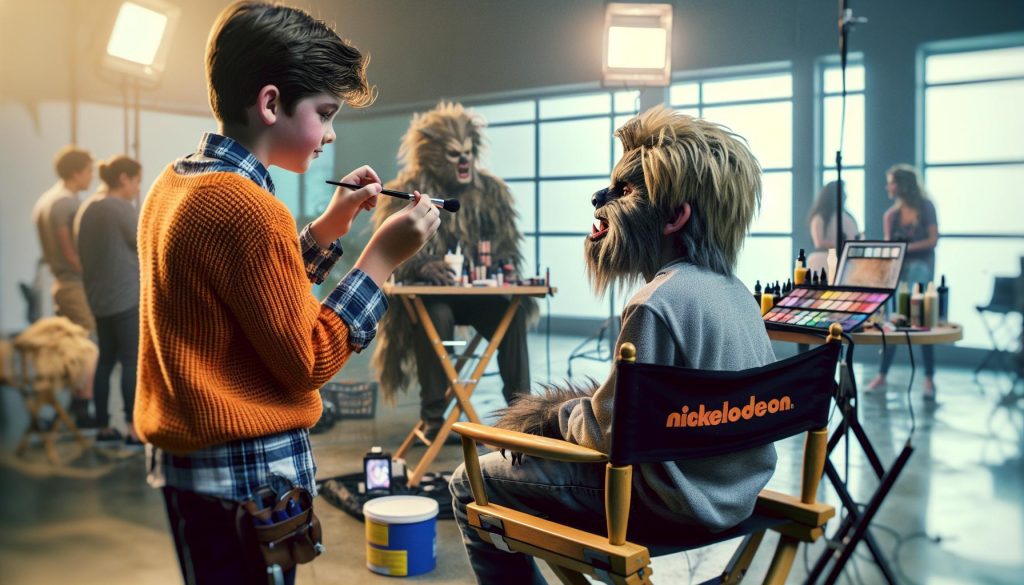
Have you ever wondered what goes into transforming a child into a spooky werewolf for a Nickelodeon show? “Kid Makeup Artist Werewolf Nickelodeon: Behind the Scenes” takes you on an exciting journey through the creative process of makeup artistry in children’s television. This article will reveal the secrets behind crafting the perfect werewolf look, from selecting the right products to mastering application techniques.
Understanding this process not only highlights the artistry involved but also inspires creativity in young aspiring makeup artists. Whether you’re a parent looking to get your child involved in makeup as a fun activity or a budding artist eager to learn from the pros, this behind-the-scenes peek offers valuable insights and tips. Stick around to discover how you can unleash your creativity and create amazing looks that capture the imagination!
Kid Makeup Artists: Who Are They?
Kid makeup artists are a unique and emerging talent pool, showcasing youthful creativity and artistic flair within the beauty and entertainment industries. These young enthusiasts are often found honing their skills in various settings, from online platforms to local theaters, and even during summer camps focused on creative arts. Their passion is often ignited by a love for performance, characters from movies, or the fun of transforming themselves into fantastical creatures like werewolves, which is particularly intriguing for productions such as those from Nickelodeon.
These makeup artists typically range from pre-teens to teenagers, and they often exhibit not just a knack for makeup but a deep understanding of character portrayal, storytelling, and the aesthetics of various art forms. They may gain experience through workshops, competitions, and collaborative projects that allow them to experiment with different techniques and materials. For instance, many kids are drawn to the vibrant world of character makeup, pushing boundaries by blending colors and applying prosthetics, thus foraying into transformative looks that are both engaging and captivating, especially when engaging with popular themes like werewolves.
Supporting young makeup artists means acknowledging their safety and nurturing their growth, helping them to understand products that are appropriate for their skin and age group. Parents and mentors play a crucial role in guiding these artists toward safe practices, such as using hypoallergenic products and ensuring they know how to remove makeup correctly to avoid skin irritations.
As they embark on their artistic journeys, many kid makeup artists find community through platforms that promote their work, whether through social media showcases or participating in competitions that encourage creativity and innovation. Emphasizing expression and individuality while also providing them with the necessary tools and knowledge can empower these young artists to thrive and shine in the makeup artistry scene.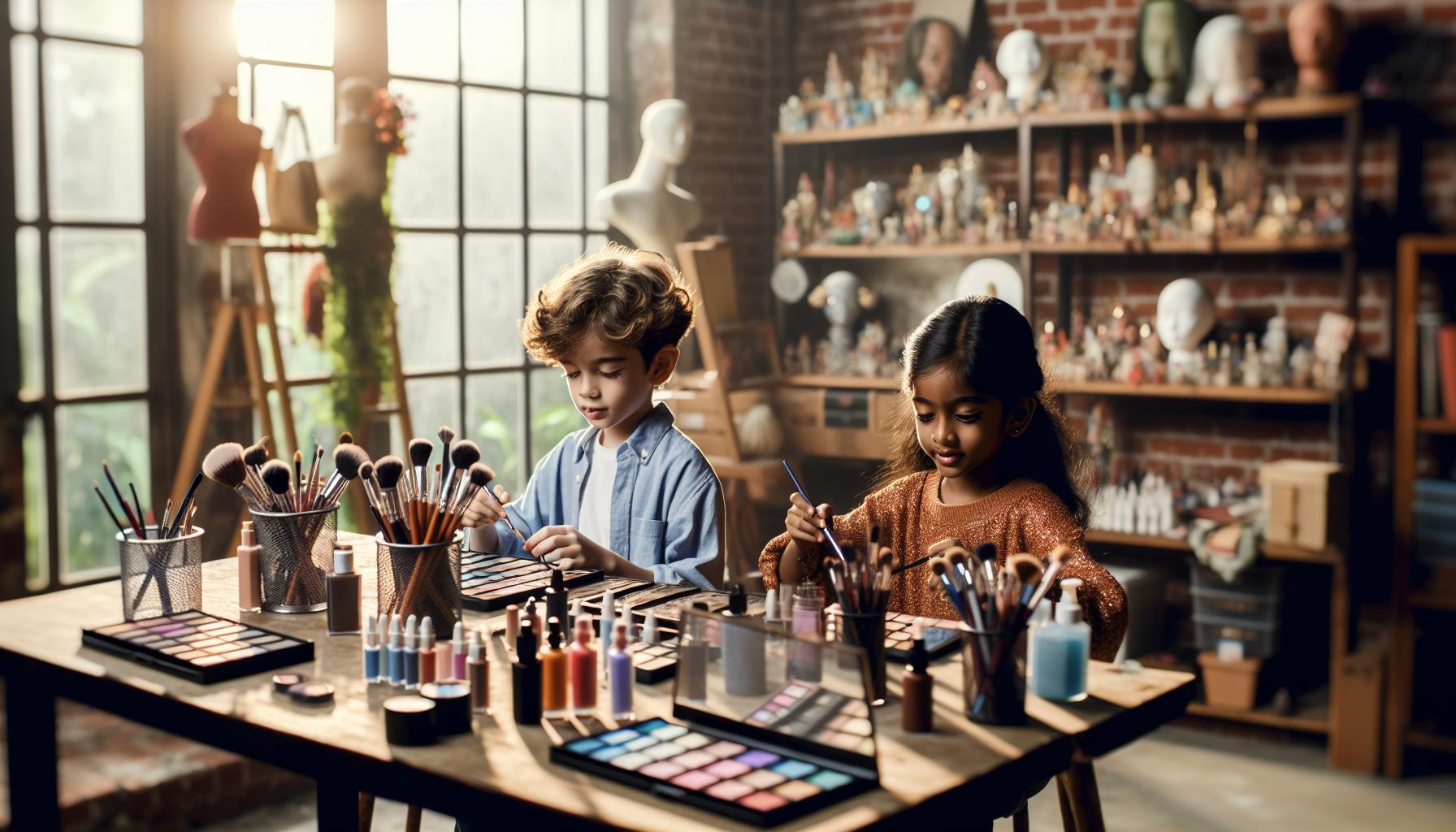
The Rise of Werewolf Makeup Trends
As young makeup artists dive into the vibrant world of character creation, the allure of werewolf makeup trends stands out prominently with its captivating blend of fantasy and artistry. This particular style allows kids to explore their creativity while embodying classic monster motifs made popular by movies and shows, including those produced by Nickelodeon. The rise of werewolf makeup isn’t just a trend; it’s an exciting opportunity for budding artists to express their unique visions and storytelling abilities through transformative looks.
One key element driving this trend is the increasing presence of makeup tutorials specifically tailored for younger audiences on platforms like YouTube and TikTok. These tutorials often break down complex werewolf designs into simple, actionable steps, making it easy for aspiring artists to replicate dramatic features such as fur textures and facial transformations at home. By using readily available products, like face paints and faux fur, young creators can craft impressive werewolf looks without needing professional-grade materials. Here are a few motivating tips for getting started:
- Experiment with Color: Mix browns, grays, and whites to create realistic fur tones.
- Texturing Techniques: Use stippling sponges to achieve a unique fur effect.
- Creative Accessories: Incorporate masks or mechanical elements for a more dramatic transformation.
In addition, the community aspect surrounding werewolf makeup fosters collaboration and learning. Many kid makeup artists join online groups or local workshops where they can share ideas and techniques, contributing to a culture of support and creativity. Inspiration often flows from popular werewolf characters featured in films and television, motivating these young artists to experiment with their looks while appreciating the artistry of their favorites. This shared experience not only nurtures their skills but also builds friendships and networks that can last well beyond their formative years.
By embracing the werewolf makeup trend, young artists are not only having fun but also learning valuable skills in creativity, technique, and self-expression. Whether they’re transforming for a performance or simply enjoying crafting a monstrous look with friends, the world of werewolf makeup provides an engaging platform for growth and discovery.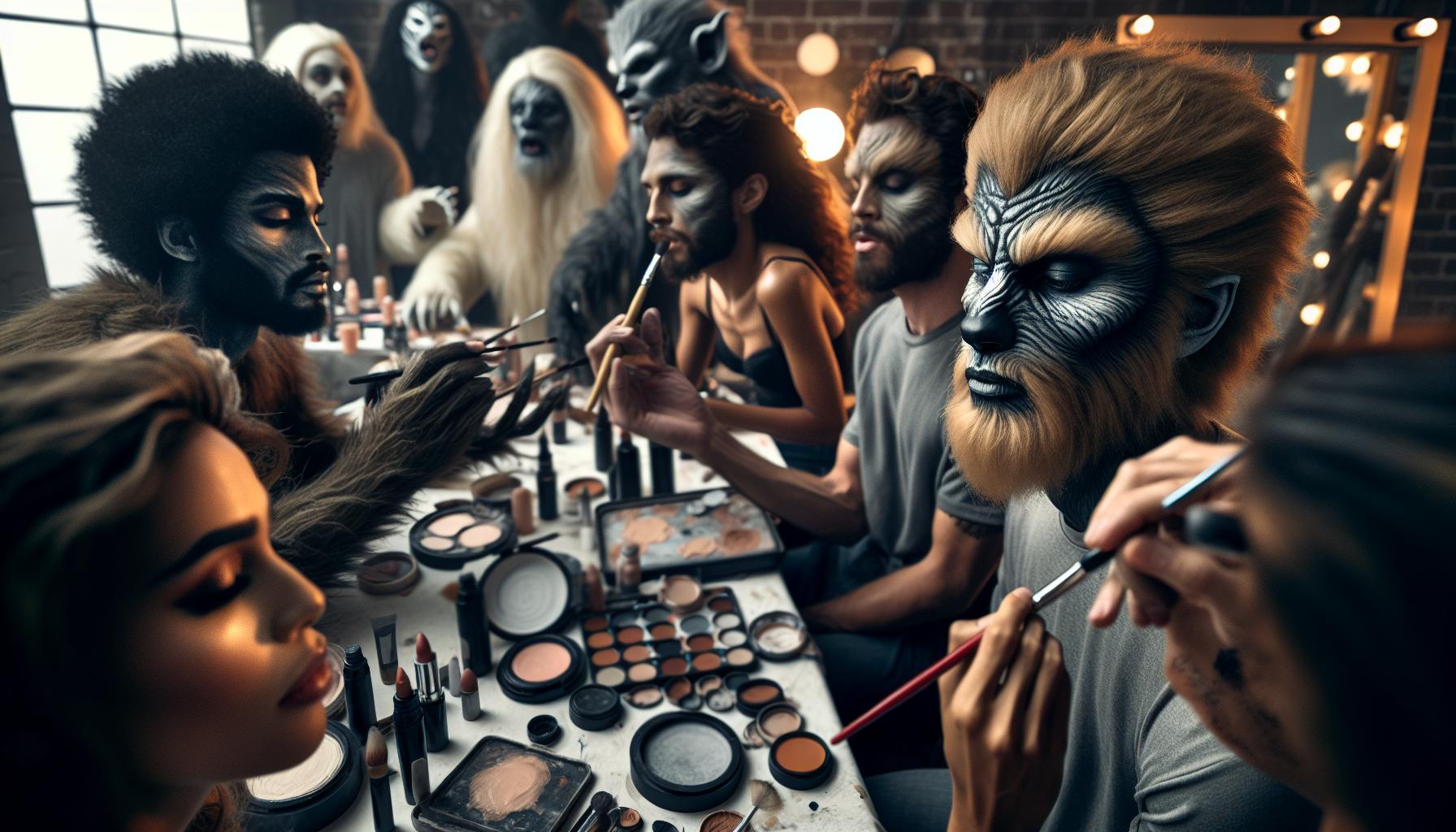
Behind the Scenes of Nickelodeon Productions
As young makeup artists become increasingly involved in character creation, the behind-the-scenes environment of Nickelodeon productions offers an exciting glimpse into how these vibrant projects come to life. With a mix of creativity, teamwork, and technical skill, makeup artists play a pivotal role in transforming actors into fantastical characters, such as werewolves and other mythical beings. This process not only highlights the artistry involved but also showcases the dedication required to maintain consistency and quality throughout production.
A typical day on set begins early, with makeup artists arriving to prepare their stations. They often lay out their tools-ranging from various types of face paints and prosthetics to sponges and brushes-ensuring everything is ready for the actors. Each character requires a unique look, often starting with a discussion between the director, makeup heads, and artists about the overall vision for the characters. For werewolves, this might include designing fur textures and facial contours that help bring the character alive on screen.
Collaboration is key in these fast-paced environments. Makeup artists frequently work closely with the costume designers and directors to create a cohesive look that fits the storytelling. They might even experiment with colors and materials before settling on the final design. For werewolf makeup, achieving realistic textures is crucial, and artists often incorporate various techniques such as stippling or airbrushing to create lifelike appearances.
Timing also plays a critical role in the logistics of production. Artists must apply makeup quickly while ensuring quality-often within tight schedules to accommodate brief shooting windows. Once the makeup is applied, double-checking with the director for any adjustments is common before the cameras roll, ensuring each detail aligns with the artistic vision.
Overall, the behind-the-scenes of Nickelodeon productions not only serves as a fertile ground for young makeup artists to hone their skills but also as an inspiring environment for collaboration and creativity. With each project, aspiring artists can learn and grow, gaining valuable experience that can inform their personal artistry and may even inspire their unique interpretations of classic characters like werewolves.
Essential Tools for Kid Makeup Artists
Every aspiring kid makeup artist needs a solid toolkit to bring their creative visions to life, especially when it comes to transforming into iconic characters like werewolves. The right tools not only enhance creativity but also ensure a safe and effective application process. Here’s a guide to essential tools that can help young artists thrive in their creative endeavors, particularly in the exciting world of makeup for shows like those produced by Nickelodeon.
To start with, investing in high-quality face paints is crucial. Look for brands that are specifically formulated for children’s skin, as they are gentle and often washable. For a werewolf look, opt for shades of gray, brown, and black to mimic fur and shadows. Plus, having a variety of colors allows for creativity in character design. Pair these with sponges for blending and creating textures, and brushes in different sizes to achieve intricate details. A flat brush works wonders for applying base layers, while a fine-tipped brush is essential for detailed line work on the face.
Another important addition to any makeup artist’s toolkit is proprietary or homemade prosthetics. These can create realistic features for werewolves, such as elongated ears or a furry snout. Look for flexible materials that can stretch with the skin, making them comfortable for longer wear. Additionally, having tools like scissors and adhesives specifically designed for skin can help in the precise application of these prosthetics.
Lastly, never overlook the significance of makeup removers and skin moisturizers. After a long day of transforming into fantastical characters, proper removal is essential to keep the skin healthy. Choose gentle, hypoallergenic makeup removers to ensure quick and efficient cleanup at the end of production days. Following that, a nourishing moisturizer helps replenish moisture lost during the makeup application process.
In summary, equipping young makeup artists with the right tools not only empowers their creativity but also fosters safe practices. Whether it’s for a school play, a family event, or the thrilling atmosphere of a Nickelodeon production, the combination of quality face paints, blending tools, special effects aids, and skincare essentials makes all the difference in bringing their imaginative characters to life.
Creative Techniques for Transformative Looks
To create transformative looks that truly capture the essence of a character, especially something as complex as a werewolf, the techniques employed can make all the difference. Understanding how to blend colors, utilize texture, and manipulate light and shadow is essential for any aspiring kid makeup artist. Not only does this approach empower young artists to express their creativity, but it also allows them to achieve stunning results that could rival those seen on professional sets like those at Nickelodeon.
Start with the art of layering. Apply a base coat of face paint to create a foundation for your werewolf. Use broader brushes for larger areas, like the cheeks and forehead, allowing for a more uniform color application. Next, introduce darker colors to add depth and dimension. For instance, when applying gray or brown accents to simulate fur, use a stippling technique. This involves using a sponge or a crumpled paper towel to dab darker shades onto the lighter base, creating a textured effect that mimics natural fur.
Blending is vital in delivering a seamless look. To achieve this, use a damp sponge to smooth out harsh lines where different colors meet. This not only softens the overall appearance but also creates a more lifelike effect, which is particularly important for characters like werewolves with organic textures. Don’t forget to define the features: by using a fine-tipped brush with black or dark brown face paint, outline areas like the jawline or the bridge of the nose to enhance structure and give character to the werewolf visage.
Lighting can also play a sneaky role in makeup application, especially during performances or photoshoots. Make sure to step back and observe how the look holds up under different lighting conditions, as certain shades may appear differently when illuminated. You might discover that a touch of glitter or shimmering paint could enhance the werewolf’s eyes, giving them an otherworldly glow when exposed to stage lights or bright cameras. Being adaptable and willing to tweak your design based on the environment is crucial for creating a final appearance that dazzles.
In conclusion, mastering these creative techniques allows young artists to transform themselves into captivating characters. By embracing layering, blending, and understanding the impact of light, they can bring their visions to life, creating unforgettable looks that are sure to be a hit on any stage, especially in high-energy environments like Nickelodeon productions. Don’t hesitate to experiment and have fun-after all, every great artist began with a little bit of trial and error!
Makeup Safety Tips for Young Artists
Makeup can be a fantastic avenue for creativity, especially for young artists diving into character transformations like werewolves. However, safety must come first to ensure that the experience is fun and worry-free. Here are some practical tips to keep in mind:
Start with suitable products. Always choose makeup specifically designed for children or sensitive skin. Products labeled as hypoallergenic are less likely to cause irritation and can provide a safer option for young skin. For instance, face paints that are water-based and non-toxic will wash off easily and are less prone to causing reactions. Avoid using regular cosmetics or craft paints, as these can contain harmful chemicals.
Before applying makeup, it’s essential to do a patch test. Apply a small amount of the product on an inconspicuous area of skin, like behind the ear, and wait for at least 30 minutes. If there’s no redness or irritation, it’s likely safe for use. This simple step can save a lot of discomfort later on.
Next, make sure to practice proper hygiene. Clean hands and tools are crucial to prevent the spread of bacteria. Always use clean brushes, sponges, and applicators for every makeup session. After use, wash tools with mild soap and water, and allow them to dry completely before the next application. Additionally, encourage the young artists to wash their hands before and after using makeup to maintain cleanliness.
After the makeup application, don’t forget the importance of removal. Always use gentle cleansers and follow up with moisturizer to keep the skin healthy. A soft cloth or makeup remover wipe can effectively remove most face paints. It’s a good idea to teach young artists to never go to bed with makeup on, as this can lead to breakouts and skin issues.
By following these safety guidelines, young artists can enjoy the world of makeup-especially when creating exciting looks like werewolves for shows or competitions-while making sure that their skin stays protected and healthy. Remember, creativity and safety can go hand in hand!
Showcasing Talent: Kid Makeup Competitions
There’s something magical about kid makeup competitions that stirs creativity and inspires young artists to push their boundaries. These events are not just about glitz and glamour; they provide a platform for kids to showcase their skills, transform into fantastical characters like werewolves, and express themselves in ways they never imagined. Competitions often feature vibrant themes, requiring participants to conjure stunning visuals that captivate both judges and fans alike.
Success at these competitions often hinges on preparation and technique. Practice plays a crucial role-encourage young artists to develop their skills ahead of time, experimenting with various styles and techniques suited for character makeup. For example, when aiming to create a werewolf look, practicing color blending for the fur effect or mastering stencils for intricate designs can make a significant difference. An engaging practice session could involve creating a makeup timeline: using sketches and practicing the application process several times before the big day can build confidence and refine skills.
Attending workshops and getting involved in local makeup scenes can also provide encouragement and invaluable insights. These experiences build community and allow young artists to learn from their peers and experienced mentors. Networking may lead to collaborative opportunities, where kids can join forces to tackle more complex looks, perhaps even exploring group entries that tell a story through their combined efforts.
Lastly, as with any creative outlet, keeping the process enjoyable is paramount. Encourage young participants to embrace the fun of transforming themselves, regardless of the outcome. After all, competitions should celebrate artistry and innovation, cultivating a love for makeup that lasts well beyond the stage. Whether a child walks away with a trophy or not, the skills they develop and the friends they make are the true prizes in this colorful world of creativity.
Inspiration from Popular Werewolf Characters
When diving into the world of werewolf makeup, inspiration often springs from popular media that captures the imagination. Characters like the iconic Wolfman from classic horror films or the more contemporary werewolves seen in shows like “Teen Wolf” and “What We Do in the Shadows” offer fantastic models for young makeup artists. These portrayals feature transformative elements, which can be invaluable in guiding aspiring makeup artists to recreate such looks with their techniques.
To emulate these werewolf characters effectively, it’s crucial to focus on a few key features. Start with the fur texture, which can be achieved using a variety of tools. For example, applying face paint and then layering faux fur strips can create a more realistic effect. A stippling sponge dampened with gray and brown face paint can help blend these colors, giving depth to the design. Bold details like exaggerated fangs and wild brows can enhance the look, making it edgier and more dynamic-think of the sharp jawline and intense facial expressions often highlighted in films and shows.
Moreover, using references from these characters can inspire unique creativity. For instance, the werewolves from “Teen Wolf” exhibit fierce, primal features that are perfect for experimentation. Young artists can look at artwork or screenshots to analyze the nuances of shadow and light and mimic those with contouring techniques. Understanding how these characters are lit in scenes provides practical insights into what works best under stage lights during competitions.
Lastly, integrating storytelling into this makeup artistry can offer a deeper connection to their characters. Kids can think about the backstory of each werewolf and how that might influence their look. Is this werewolf a fierce protector or a misunderstood creature? This narrative approach not only makes the transformation more meaningful but also encourages a level of artistic expression that goes beyond mere imitation. By fusing creativity with technique and inspiration, aspiring young makeup artists can master the art of werewolf transformations, celebrating the artistry and story behind each character.
How to Create a Stunning Werewolf Look
Creating a stunning werewolf look is all about embracing the transformation and having fun with your creativity. The process might seem daunting at first, but by breaking it down into manageable steps, you can achieve impressive results that will wow your friends or judges at competitions.
Start with a clean canvas by applying a light moisturizer and a primer to help the makeup adhere better. Choose a base color that will act as your foundation for the werewolf look; a pale gray or light brown works well. Using a makeup sponge, apply the base layer smoothly over your face, neck, and any other exposed skin. Once the base is on, use a damp stippling sponge dipped in darker shades, such as charcoal and brown, to add depth and shadow around the cheekbones and jawline. This contouring creates the illusion of a more pronounced, wild werewolf visage.
For the fur texture, consider using face paint or cream makeup in various shades of brown, black, and gray. Apply these hues in small strokes with a fan brush or an old mascara wand to mimic fur. Focus on areas like the forehead, cheeks, and chin for more volume. To give your werewolf an edgy look, add in some faux fur strips or craft fur shapes secured with special adhesive to enhance the appearance of wild hair.
Don’t forget the details! Use black eyeliner to create fierce brows and add exaggerated fangs by using dental acrylic or face-safe materials for the tooth effects. Finally, a spritz of setting spray will help your look stay in place for hours of howling fun. Each layer and detail contributes to a cohesive transformation, so take your time, enjoy the process, and remember to embrace your inner werewolf!
Tips for Aspiring Kid Makeup Artists
To thrive as a young makeup artist, especially in the dynamic world of creative transformations like werewolf looks, it’s essential to cultivate both the right skills and a positive mindset. First and foremost, practice is key. Set aside time each week to experiment with different techniques, colors, and styles. This could involve doing makeup for friends or family members or even practicing on yourself. The more you familiarize yourself with various products and tools, the more confident you’ll become in your abilities.
Another crucial aspect is educating yourself about safety and skin care. Knowing how to choose the right products for different skin types can make all the difference in your work. Always opt for non-toxic, hypoallergenic makeup, especially when working with younger audiences. Don’t hesitate to seek guidance from reputable sources or even enroll in classes focused on makeup artistry geared towards kids. Learning from experienced makeup artists can provide insights that help you avoid common pitfalls.
Creating a vibrant and inclusive online presence can significantly support your journey. Consider sharing your transformations on social media platforms like Instagram or TikTok. Use relevant hashtags to connect with like-minded artists and engage in healthy feedback loops. This exposure can help you learn from others while also showcasing your talent; establishing yourself as a budding artist in a competitive space.
Lastly, remember to embrace your creativity and uniqueness. Every artist has their own style, and your personal touch is what will set you apart in competitions or in the industry. Don’t shy away from experimenting with unconventional looks or ideas; often, taking risks can lead to incredible results. Celebrate your progress, cherish every opportunity to create, and know that every expert was once a beginner.
Understanding the Business of Makeup Artistry
Understanding the financial landscape of makeup artistry, particularly for young talent inspired by themes like werewolves and iconic productions from platforms like Nickelodeon, can be incredibly rewarding and challenging. With the rising popularity of youth-centric makeup trends, there’s a unique opportunity for budding artists to carve out a niche in this vibrant field.
To begin with, aspiring artists should consider how to market themselves effectively. This can involve creating a professional portfolio that showcases their best work. Simple yet effective photos of their makeup transformations, such as whimsical werewolf looks, should be shared across social media platforms like Instagram and TikTok. Engaging with followers through tutorials or behind-the-scenes content can establish a loyal audience and attract potential clients. Additionally, participating in local events, such as makeup competitions or community Halloween celebrations, can provide valuable exposure.
Understanding the financial aspects is equally vital. Artists should explore ways to monetize their skills beyond simple makeup applications. For instance, offering workshops for kids interested in learning basic makeup techniques can be a fun way to earn income while sharing their passion. Also, consider collaborating with local businesses for promotional events or even partnering with other artists to host themed sessions that highlight special looks, which can help in achieving better visibility and profit-sharing opportunities.
Investing time in networking is crucial as well. Connecting with professionals in the industry through social media, local workshops, and conventions can lead to mentorship opportunities, valuable insights, and potential job placements. By establishing relationships with established makeup artists, both in creative contexts like film and television or special effects, young artists can learn industry secrets that go beyond basic makeup skills.
Ultimately, the key to thriving in the business of makeup artistry lies in balancing creativity with business acumen. As young artists navigate their journey, they should remember to keep honing their craft while being smart about marketing themselves and building connections. Embracing both the artistic and commercial sides can turn a passion for makeup into a fulfilling career.
FAQ
Q: What skills are essential for kid makeup artists working on shows like Nickelodeon’s Werewolf?
A: Essential skills for kid makeup artists include creativity, attention to detail, and a strong understanding of special effects techniques. They should also be adept in using safe, kid-friendly products and have a knack for executing transformations quickly and effectively, which is crucial behind the scenes of productions like Nickelodeon’s Werewolf.
Q: How do kid makeup artists ensure safety during makeup application?
A: Kid makeup artists prioritize safety by using hypoallergenic, non-toxic makeup products and ensuring proper hygiene during application. They often conduct patch tests to check for allergies and are trained to handle sensitive skin, making safety a top priority in their creative process.
Q: What challenges do kid makeup artists face on set?
A: Common challenges include time constraints, working with nervous young actors, and adapting looks on the fly due to production changes. Effective communication and quick problem-solving skills are vital for overcoming these obstacles and ensuring a smooth workflow during filming.
Q: How can aspiring kid makeup artists gain experience?
A: Aspiring kid makeup artists can gain experience by volunteering for local theater productions, participating in workshops, or creating a portfolio through practice on friends and family. Networking with professionals in the industry and joining makeup artist communities can also provide valuable insights and opportunities.
Q: What are the most popular products used by kid makeup artists on Nickelodeon sets?
A: Popular products include face paints, hypoallergenic glitters, and skin-safe adhesives. Kid makeup artists often use brands specifically designed for children, ensuring the products are both safe and easy to remove, which is crucial for quick changes during filming.
Q: How do kid makeup artists develop their unique styles?
A: Kid makeup artists develop their unique styles through practice, experimentation, and study of various makeup techniques. They often look for inspiration in popular culture, character designs, and current makeup trends, which they then adapt to suit young actors.
Q: What role does teamwork play in makeup artistry on sets like Nickelodeon’s Werewolf?
A: Teamwork is crucial in makeup artistry on sets, as artists collaborate with directors, costume designers, and other crew members to achieve the desired looks. Effective communication ensures that everyone is aligned on the character’s aesthetic, allowing for a cohesive final product.
Q: How can makeup transformations impact young actors’ performances?
A: Makeup transformations can significantly boost young actors’ confidence by helping them fully embody their characters, thus enhancing their performances. A well-executed werewolf look, for example, allows actors to immerse themselves in their roles, leading to more authentic portrayals.
Insights and Conclusions
As we wrap up our behind-the-scenes look at “Kid Makeup Artist Werewolf Nickelodeon,” remember that creativity knows no bounds. You’ve seen how easy it is to transform into a spooky werewolf with just a few essential makeup techniques. Whether you’re gearing up for Halloween or just want to experiment with fun looks, these tips will elevate your skills and confidence.
If you loved this insight, don’t forget to check out our makeup essentials guide and tips for kid-friendly Halloween costumes to expand your creativity even further! For those looking to dive deeper into makeup artistry, consider subscribing to our newsletter for exclusive tips and updates straight to your inbox.
Don’t hesitate to share your own makeup transformations or questions in the comments below-we’d love to hear from you! Remember, every great artist started somewhere, and with practice, you’ll create amazing looks in no time. Keep experimenting, and who knows? Your next masterpiece might just be a click away!
Get our latest guides, news, and insights highlighted in your Google Search & AI Overviews.