Jury duty can feel daunting, but did you know that the clothes you wear might influence your chances of getting picked? In our guide, “How to Dress to Not Get Picked for Jury Duty – Smart Outfit Choices,” we’ll delve into the art of strategic dressing to help you navigate this often-overlooked aspect of your civic duty. By choosing the right outfit, you not only showcase your own personal style but also subtly steer the jury selection process in your favor. We understand that the thought of being summoned can stir up a mix of anxiety and anticipation. That’s why we’ve put together simple, practical tips that arm you with everything you need to know about acceptable attire, ensuring you feel confident and comfortable while ultimately bolstering your chances of being excused. So, if you’re ready to learn how to dress smartly and keep your jury duty experience manageable, keep reading!
Understanding Jury Duty Attire Requirements
Dressing appropriately for jury duty can significantly influence your experience, especially if you are mindful of the impression you make. Courts generally recommend a “business casual” attire, striking a balance between looking professional and being comfortable during long hours of waiting. This typically includes slacks, a button-down shirt, or a modest dress. Avoid anything too casual, such as ripped jeans, tank tops, or flip-flops-these could inadvertently signal a lack of respect for the court’s proceedings.
In addition to the appropriate attire, consider how your outfit choices can subtly communicate your demeanor and intentions. Being overly flashy or casual might not only attract attention but could also lead to bias in the selection process. Instead, aim for a polished look that allows you to blend in with other jurors. Opt for muted colors like navy, gray, or earth tones, which can convey professionalism without being overpowering.
Comfort is crucial since you may spend hours sitting in court. Choose breathable fabrics that don’t restrict movement, and pay attention to footwear-comfortable shoes are essential as you might be standing or walking around the courthouse. A pair of loafers or smart sneakers are ideal options that can provide both style and comfort.
Lastly, it’s wise to avoid accessories that stand out. Simple jewelry and minimalistic designs can keep your look neat and unobtrusive. Remember, the goal is to present yourself as an impartial citizen ready to fulfill civic duties without drawing unnecessary attention to yourself. By following these guidelines, you can navigate the jury selection process smoothly while ensuring that your outfit aligns with courtroom expectations.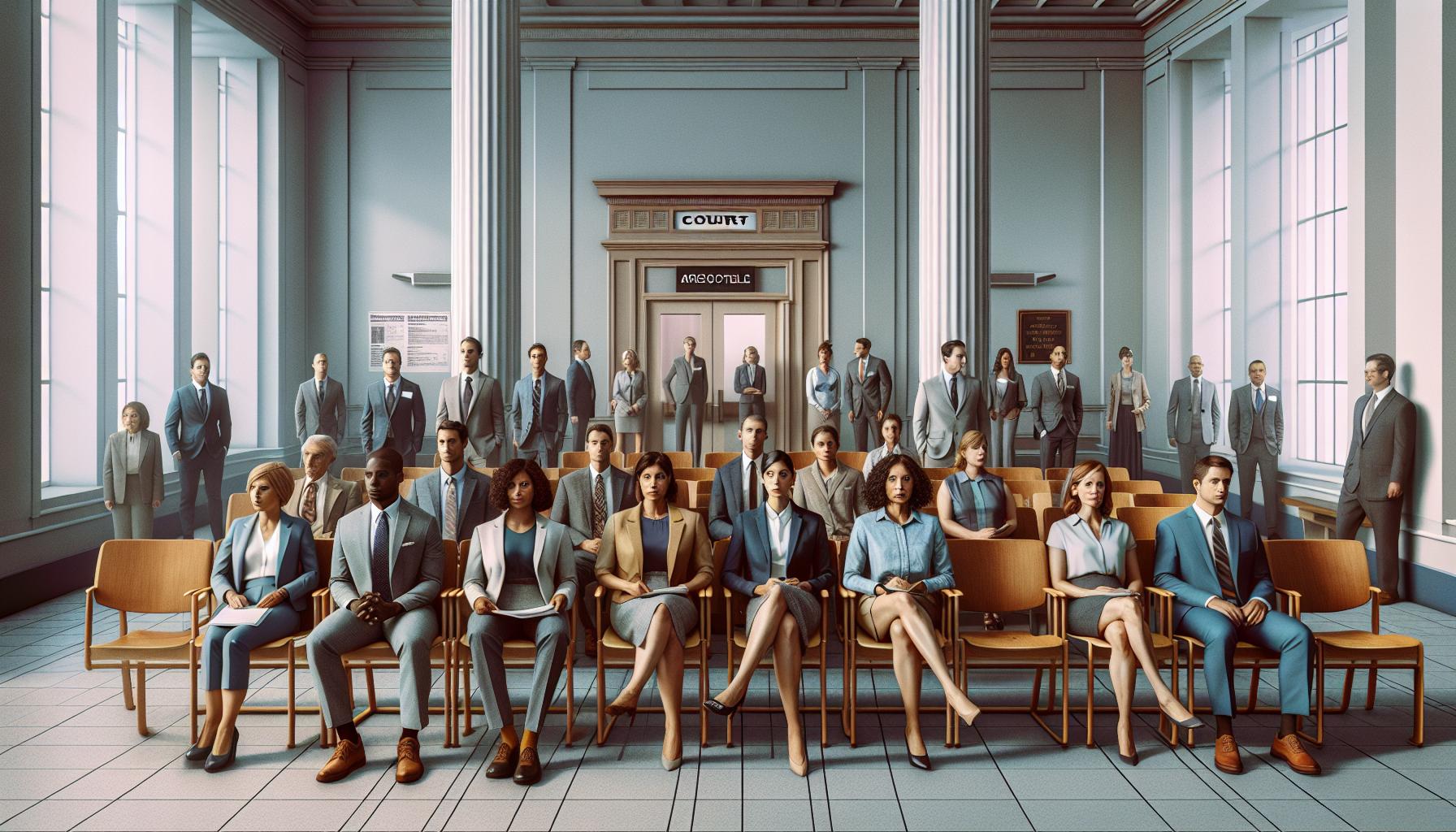
The Psychological Impact of Your Outfit
Dressing for jury duty isn’t just about following a dress code-it’s about understanding the psychological impact your outfit can have on the perceptions of others, including the judges, attorneys, and even fellow jurors. The way you present yourself can set the tone for how you are viewed in the courtroom, potentially influencing your chances of being selected or how your contributions are received during the trial.
Wearing a polished, business casual outfit can convey seriousness and respect for the judicial process, which may, in turn, affect how others perceive your opinions and contributions. For instance, if you arrive in muted tones like navy or gray, these colors can foster feelings of neutrality and professionalism, aligning you with the court’s atmosphere. In contrast, bright or overly casual attire might inadvertently signal that you take the proceedings lightly, which could lead to unwanted attention or assumptions about your disposition.
Furthermore, consider the comfort and fit of your clothing. When you feel good in what you wear, it radiates confidence. This confidence can bolster not only your interactions with others but also your own self-esteem throughout the stressful process of jury duty. Opt for breathable fabrics and well-fitting garments that allow easy movement while maintaining a professional look. If you avoid excessively tight or baggy clothing, you present a tidy appearance that reinforces your intention to be a conscientious participant.
Additionally, the subtleties of your outfit can influence group dynamics. Subdued accessories and understated footwear can help you blend in rather than stand out, which is often the goal when trying to avoid jury selection. By choosing simple yet appropriate pieces, such as a smart blazer paired with dress shoes, you demonstrate your commitment without drawing unnecessary attention. Ultimately, making thoughtful choices about your attire can signal to others that you are there to fulfill your civic duty earnestly and can create a more favorable impression, both for yourself and in relation to the judicial process.
Best Fabrics and Colors to Avoid
Choosing the right fabrics and colors for jury duty is key to blending in rather than standing out. While you want to look presentable, certain choices can indeed draw unnecessary attention. Fabrics that are too casual can give off the impression that you’re not taking the situation seriously, and bright colors may signal an outgoing personality that could be seen as unfavorable in a jury selection process.
First, it’s best to steer clear of fabrics that are overly casual. Materials like denim (especially distressed styles), sweatpants, and t-shirts are ordinarily viewed as too relaxed for courtroom settings. Instead, aim for garments made from cotton blends or polyester that strike the right balance between comfort and professionalism. These fabrics not only maintain a polished look but also tend to hold their shape well throughout a long day in the courtroom.
In terms of color, neutral tones such as black, gray, navy, or even subtle earth tones like beige or olive green are ideal. These colors project an image of seriousness and can help you blend into the background, which is often your goal when trying to avoid jury selection. Conversely, vivid colors like bright red or yellow could inadvertently draw attention and suggest that you’re more of a ‘character’ than a serious participant in the legal process.
When selecting your outfit, aim for minimal patterns as well. Busy prints or graphics can be distracting and may make you stand out. If you wish to incorporate patterns, consider soft stripes or very subtle checks-something that adds a touch of personality without overwhelming your overall look. Also, avoid loud accessories that might catch the eye; instead, opt for modest elements that add to your outfit without taking center stage.
Ultimately, your goal should be to create a calm, unassuming appearance. Think of what you’d wear to a professional meeting and adapt it slightly for courtroom conditions. By opting for the right fabrics and colors, you’ll not only feel more at ease but will also project an image of seriousness that can help keep you off the jury list.
Casual Yet Presentable Outfit Ideas
Choosing the right outfit for jury duty can feel daunting, especially when your goal is to blend in rather than stand out. Luckily, achieving a casual yet presentable look is entirely possible with a few strategic choices. Opting for garments that strike a balance between comfort and professionalism is key to making a good impression without being overly formal.
When planning your outfit, start with a well-fitting pair of chinos or dress pants. These versatile bottoms provide a polished look while remaining comfortable for long hours. Pair them with a simple, solid-color button-up shirt or a lightweight sweater. Neutral shades such as gray, navy, or beige can help project seriousness, helping to keep you off the jury list. For those warmer days, consider a collared polo shirt that maintains a professional appearance while offering breathability.
Footwear plays a crucial role in your overall presentation. Look for closed-toe shoes-think loafers or dress shoes-that are tidy but not overly flashy. Aim for styles that are versatile enough to wear in various settings, ensuring you feel comfortable throughout your day. Avoid anything too casual, like sneakers or flip-flops, as those might signal a lack of seriousness.
Lastly, accessorizing can subtly elevate your outfit without drawing too much attention. A simple watch or a modest belt can add a touch of polish. Remember, your goal is to appear approachable yet unremarkable. With thoughtful selections, you can effortlessly navigate the jury duty experience while keeping unnecessary attention at bay.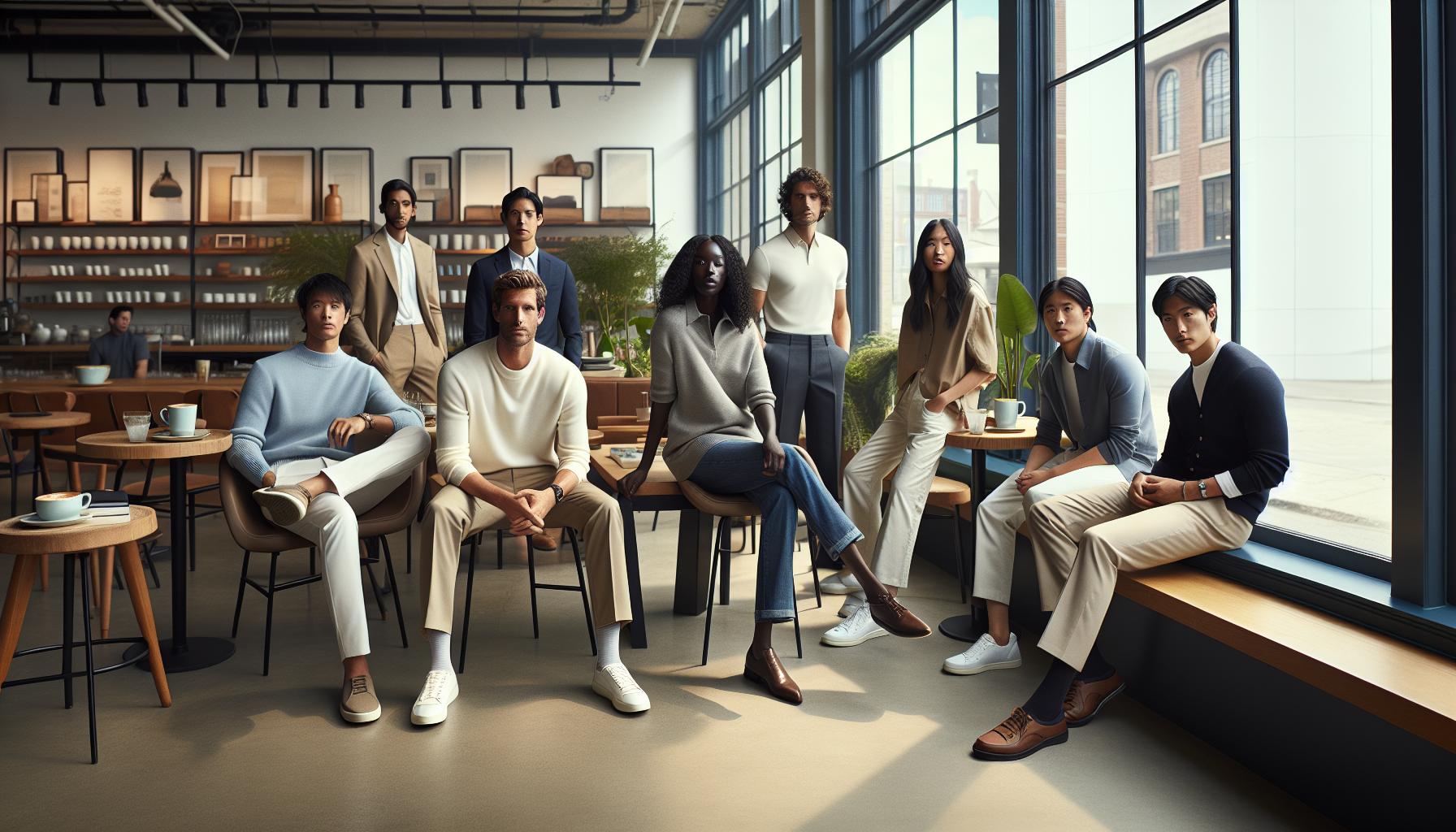
Footwear That Helps You Blend In
Finding the right footwear for jury duty can feel like a subtle art; it’s all about balancing comfort, functionality, and the need to not attract undue attention. Closed-toe shoes are typically your best bet, providing a professional look while keeping you at ease for the long hours you might spend sitting or waiting.
When selecting shoes, consider opting for loafers, oxfords, or other structured flats. These types of shoes offer a classic, polished vibe without being over the top. They are generally comfortable enough for walking and standing but won’t draw the jury selection team’s eyes. Stick to neutral tones-think black, brown, or navy-as they blend seamlessly with a variety of outfits, ensuring you remain understated.
While it might be tempting to go for styles you wear during your casual outings, it’s important to avoid sneakers or flip-flops. These choices can signal a lack of seriousness or respect for the court’s atmosphere, possibly working against your goal of flying under the radar. Instead, choose shoes that have a slight heel or supportive insole for added comfort without sacrificing professionalism.
Lastly, pay attention to the weather and venue. If it’s cooler, you might select ankle boots that maintain that polished appearance while providing warmth. In warmer conditions, breathable materials in your footwear can help keep your feet comfortable. Always ensure your shoes are clean and in good condition-scuffed or worn footwear can unintentionally project an air of negligence. With the right pair of shoes, you’ll not only look the part but also stay comfortable throughout your jury duty experience.
Layering for Comfort and Disguise
Layering your clothing for jury duty can serve not only as a practical choice for comfort throughout the day but also as a strategic decision to maintain a low profile. Courtrooms can fluctuate in temperature, and having the right layers allows you to adjust to your comfort needs while still adhering to the expected dress code. Opting for breathable fabrics to start, such as cotton or lightweight wool, provides an excellent base layer that can be both comfortable and presentable.
A good approach is to begin with a neutral-toned blouse or shirt that fits well and is office-appropriate. Pair this with a light cardigan or blazer. Choosing a blazer adds formality, while a cardigan is more relaxed yet professional. If you anticipate spending long hours, consider a button-up shirt that breathes and allows for easy movement. Make sure to keep the fabrics wrinkle-resistant to maintain a polished appearance after hours of sitting.
The key to effective layering lies in the combination of colors and patterns. Solid, muted colors are less likely to draw attention compared to bold patterns. Opt for darker hues or medium tones, which can even help to disguise any spills from lunch or morning coffee. Also, aim for a slight contrast between layers; for example, a light top under a darker cardigan can add interest without being distracting.
Don’t forget about comfort and readiness for different court environments. If you expect to be in a cooler setting, a structured scarf can be a stylish and simple addition to your outfit that can keep you warm without being cumbersome. Conversely, a lightweight, breathable tank top could serve as a base layer if air conditioning makes the setting chilly. Remember, having the right layers on hand not only maximizes your comfort but helps you remain understated and approachable during the jury selection process.
Accessorizing to Deter Attention
When it comes to jury duty, your accessories can subtly influence how you are perceived by attorneys looking to shape their juries. Keeping your adornments minimal and neutral can help you fly under the radar. Avoiding anything flashy or overly personal is your best bet for blending in during the selection process.
To maintain a low profile, choose understated accessories that don’t draw too much attention. Opt for small stud earrings rather than dangling or bold pieces, and for watches, consider simple analog styles or clean digital designs. Wearing a discreet ring or two is generally acceptable, but steer clear of statement pieces that might lead others to make assumptions about your lifestyle or interests.
Additionally, a modest handbag or briefcase can complete your look without making it seem like you’re trying too hard to impress. Large bags or ones with vibrant colors can be distracting, so aim for a structure that is both professional and unobtrusive. If you wear glasses, choose frames that are classic and subtle; they should enhance your image rather than dominate it.
Ultimately, the goal of accessorizing for jury duty is to support your overall appearance without overshadowing it. By opting for understated yet professional items, you can ensure your outfit remains the center of attention-or rather, lack thereof-helping you avoid the spotlight during jury selection.
Common Outfit Mistakes to Avoid
When preparing for jury duty, it’s crucial to recognize that what you wear can significantly impact how you’re perceived by others in the courtroom. Avoiding certain outfit mistakes can help you maintain a low profile and increase your chances of blending in rather than standing out. Here are some common pitfalls to steer clear of:
First, steer clear of overly casual clothing. Wearing items like sweatpants, ripped jeans, or flip-flops can send the message that you’re not taking the situation seriously. Instead, opt for well-fitted jeans or dress pants paired with a simple polo or blouse. Your goal is to strike a balance between comfort and professionalism, as overly relaxed attire may draw unwanted attention.
Bright Colors and Loud Patterns: Stick to muted colors and subtle patterns. While vibrant hues and bold designs can be fun, they may inadvertently make you memorable during jury selection. Solid or neutral colors like navy, grey, or black typically work best. If you want to add some personality, consider a soft, classic print instead of a loud pattern that could catch the eye.
Excessive Accessories: Limit the use of flashy accessories that might distract the court. Large statement pieces, such as chunky jewelry or bright scarves, can shift focus away from you. Instead, go for small, understated accessories that enhance your outfit without commanding too much attention. A simple watch or stud earrings can be enough to express your style while keeping the focus on more important matters.
In addition to these considerations, it’s vital to avoid outfits that could imply strong opinions or lifestyles, such as t-shirts with slogans or logos that might reveal personal beliefs. Aim for attire that conveys neutrality, which not only helps you blend in but also respects the gravity of the proceedings.
Ultimately, these outfit choices may seem trivial, but small details can make a big difference in such important settings. By avoiding these common mistakes, you can ensure your attire supports your goal of remaining unobtrusive while serving on a jury.
What to Consider for Weather and Season
When preparing for jury duty, the weather and season play a crucial role in your outfit choice. Dressing appropriately for the conditions can not only keep you comfortable but also ensure you maintain a professional appearance that aligns with the courtroom environment.
In warmer months, lightweight fabrics such as cotton or moisture-wicking materials can help you stay cool. Opt for long sleeves or light jackets that cover your shoulders while remaining breathable. Colors like light blue or soft grey can keep you looking fresh without being too attention-grabbing. Alternatively, in the cooler months, layering becomes essential. A fitted sweater or blazer over a collared shirt not only keeps you warm but also projects a polished image. Select darker colors or subtle patterns that don’t stand out too much but convey seriousness.
It’s also wise to monitor the forecast leading up to your jury duty date. A rainy day might call for a waterproof jacket and closed-toe shoes to prevent slipping. On the flip side, if it’s particularly sunny, consider wearing a hat and sunglasses (only until you enter the courtroom) but choose shades that aren’t ostentatious. The key is to balance comfort with a professional demeanor that respects the court’s decorum.
Pay attention to seasonal events that might influence your choices, too. For example, holidays could mean a more festive atmosphere, but it’s best to avoid holiday-themed attire, which might seem too casual or out of place. By considering these weather and seasonal factors, you can choose an outfit that not only keeps you comfortable but also helps you blend into the courtroom environment seamlessly.
Interpreting Courtroom Dress Codes
The courtroom is a place defined by decorum, and understanding how to navigate dress codes can significantly impact your jury duty experience. While there isn’t a universal directive on what to wear, interpreting the unspoken expectations can keep you from standing out-or worse, being sent home. The essence of courtroom attire is to maintain a balance between professionalism and comfort, while also being mindful of not attracting unnecessary attention.
First and foremost, professionalism is key. This means opting for clothes that are neat, clean, and presentable. Think of clothing you’d wear to a job interview or an important meeting. Business-casual attire is often a safe bet: slacks and a collared shirt for men or dress pants and a blouse for women generally work well. Avoid anything excessively casual like ripped jeans, tank tops, or clothes with slogans, which can be deemed disrespectful in a legal setting. Incorporating muted colors such as navy, grey, or beige can also help you blend in rather than stand out.
Being aware of specific guidelines provided by your local court can further guide your choices. For example, many courts discourage wearing shorts, tank tops, or anything overly revealing. You might find that courts in larger cities have more relaxed dress codes than those in smaller towns, but it’s always better to err on the side of caution. Accessorizing minimally can also help you focus attention away from yourself-consider avoiding large jewelry or flashy items.
Finally, consider the psychological aspect of your outfit. Research shows that dressing well can boost your confidence and help you feel more comfortable in a serious environment. If you’re unsure, a classic option is to wear a blazer; it instantly elevates any outfit and suggests seriousness. Remember, the goal isn’t just to avoid being selected but to project an image that conveys your respect for the legal process. By dressing appropriately, you not only help yourself feel at ease but also demonstrate to the court that you recognize the importance of the role you may be asked to fulfill.
Real-Life Examples of Effective Outfits
When preparing for jury duty, selecting the right outfit can significantly influence your experience, particularly if you’re looking to blend in rather than attract attention. Drawing from real-life examples, here are some strategies that have worked for various individuals navigating jury duty attire.
One successful approach involves business casual attire, which strikes the perfect balance between looking professional and feeling comfortable. For instance, a male juror opted for tailored khaki pants paired with a light blue button-up shirt and brown loafers. This choice not only kept him looking sharp but also provided a sense of ease during the long day. Meanwhile, a female juror chose a simple black sheath dress combined with a cardigan and low-heeled shoes. This outfit was both modest and stylish, ensuring she felt confident but not overly conspicuous.
Additionally, it’s helpful to consider layering as a strategy for comfort and adaptability. A juror who anticipated varying temperatures brought a light blazer she could easily put on or take off. She wore it over a simple white t-shirt and dark jeans, which helped her maintain a polished look while also being comfortable for extended sitting periods. Layering not only serves practical purposes but also allows for minor adjustments if personal comfort fluctuates throughout the day.
Mindful accessorizing is also key. One juror made an impression by keeping accessories minimal-choosing a simple watch and small stud earrings. This thoughtful approach helped divert attention away from her and focused it on her outfit’s overall professionalism. Conversely, a juror who wore statement jewelry found herself in conversation, drawing more attention than intended.
Ultimately, the goal is to ensure that your clothing choices present respect for the courtroom setting while allowing you to remain comfortable. Simple, well-fitted, and appropriately modest outfits often work best, especially when supplemented with layers and minimal accessories. By learning from these real-life examples, you can feel more equipped to make smart outfit choices that help you stay under the radar during jury duty.
Preparation Tips for Your Jury Duty Day
Being well-prepared for your jury duty day can help ease any anxiety and make the experience smoother. One key ingredient to success is your outfit choice, which can play a significant role in how you’re perceived as a juror. A thoughtful approach to dressing can not only ensure compliance with dress codes but also assist in blending into the courtroom environment.
First and foremost, consider opting for business casual attire, which is often recommended for jurors. This style strikes a balance between professionalism and comfort, making it easier to focus on the proceedings rather than your attire. Think tailored khakis or slacks paired with a button-up shirt or a modest blouse. Avoid clothing that might draw excessive attention, such as bright colors or bold patterns; instead, aim for neutral tones like navy, gray, or beige, which typically present a more subdued vibe.
In addition, layering can be a smart move. Courtrooms can have fluctuating temperatures, so bringing a light jacket or blazer can keep you comfortable throughout the day. For instance, wearing a simple turtleneck with a blazer not only looks polished but also allows for quick adjustments if you start to feel hot or cold.
Accessorizing minimally is another effective strategy. Choose simple, understated pieces like a small watch or stud earrings to avoid distractions. Too much jewelry can inadvertently attract attention, which is the opposite of what you want when trying to blend in.
Finally, don’t forget about footwear. Comfortable, closed-toe shoes are preferable; think loafers or low-heeled shoes instead of sneakers or flip-flops, as they align better with courtroom decorum. Remember, the goal is to feel confident and comfortable while being respectful to the court and its proceedings.
Being thoughtful about your attire not only helps you feel more at ease but also aligns with courtroom expectations, ultimately leading to a better jury duty experience.
FAQ
Q: What should I wear to jury duty to avoid being selected?
A: To minimize your chances of being selected for jury duty, opt for casual, unremarkable clothing. Avoid business attire; instead, wear comfortable, relaxed outfits like loose-fitting jeans or a plain T-shirt. This makes you less memorable and may make attorneys less inclined to choose you as a juror.
Q: Are there specific colors I should avoid when dressing for jury duty?
A: Yes, avoid bright or flashy colors that draw attention. Dressing in neutral tones like gray, beige, or muted blues is ideal as they project a low-key, non-descript appearance. This strategy helps you blend in, making you less likely to be picked.
Q: What kind of accessories should I avoid for jury duty?
A: Steer clear of flashy accessories like large jewelry or flamboyant bags. Instead, opt for minimalistic accessories to maintain a low profile. Simple watches or understated bags can keep your appearance simple and non-distracting.
Q: Is wearing jeans acceptable for jury duty?
A: Yes, wearing jeans is typically acceptable for jury duty, especially if they are nice jeans without rips or embellishments. Pairing them with a plain top can create a casual yet tidy look, helping you stay comfortable while still looking presentable.
Q: How important is comfort when dressing for jury duty?
A: Comfort is crucial when dressing for jury duty since you may be sitting for long periods. Choose breathable fabrics like cotton or blends that allow for movement. This can help you remain at ease during potentially lengthy court sessions.
Q: Should I consider the weather when dressing for jury duty?
A: Absolutely! Weather can affect your comfort level. Dress in layers if it’s chilly, or wear light fabrics if it’s warm. This allows you to adjust your outfit throughout the day as courtroom temperatures can fluctuate significantly.
Q: What type of footwear is best for jury duty if I want to remain unnoticed?
A: Opt for simple, comfortable footwear like flats or understated sneakers. Avoid high heels or flashy shoes, as they can draw attention. Aim for a style that blends with your overall casual outfit, enhancing your low-profile appearance.
Q: How can I layer my clothing effectively for jury duty?
A: Layering is effective for both comfort and discretion. Start with a basic T-shirt, add a lightweight cardigan or jacket, and choose comfortable pants. This allows you to be prepared for changing temperatures while keeping your look casual and unremarkable.
Concluding Remarks
As you prepare your outfit to dodge jury duty, remember that the key is to blend in rather than stand out. Aim for comfortable, neat clothing that doesn’t attract unnecessary attention. Whether it’s business casual attire or something equally understated, your choices can make a difference in whether you’re selected. ⠀
Take a moment to explore related articles on our site, like “Best Business Casual Outfits” and “How to Dress for Any Occasion,” to ensure you’re always ready for what life throws your way. If you found this guide helpful, consider signing up for our newsletter for more tips on how to navigate everyday challenges with style and confidence. Your journey to look your best and feel at ease begins with just a click. Share your thoughts or ask questions in the comments below-we’re here to help!