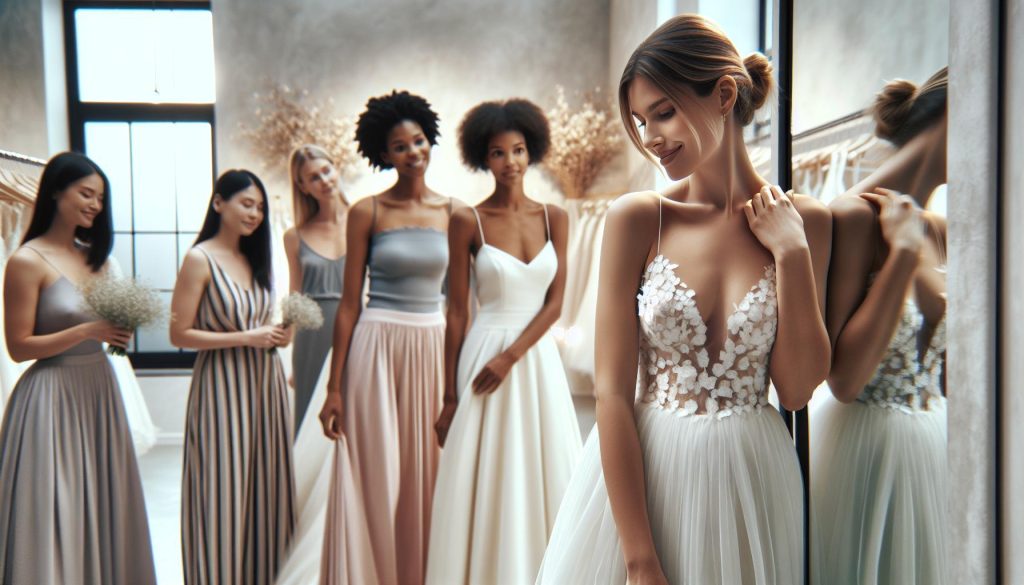
Finding your dream wedding dress can feel like an overwhelming journey, filled with endless choices and mounting pressure. Did you know that on average, brides try on around 10 dresses before finding “the one”? It’s completely normal to feel excited yet anxious about this significant decision. Our guide, “How to Pick a Wedding Dress – Find Your Dream Gown in 7 Simple Steps,” is here to simplify the process, helping you navigate through style options, silhouette choices, and practical tips tailored to your unique vision. With each step, you’ll gain the confidence to ensure your dress not only reflects your personal style but also fits beautifully. Whether you’re a first-time shopper or returning for a second look, these actionable insights will empower you to make a choice you’ll cherish forever, turning the dress of your dreams from a fantasy into a reality. Ready to dive in? Let’s start this exciting adventure together!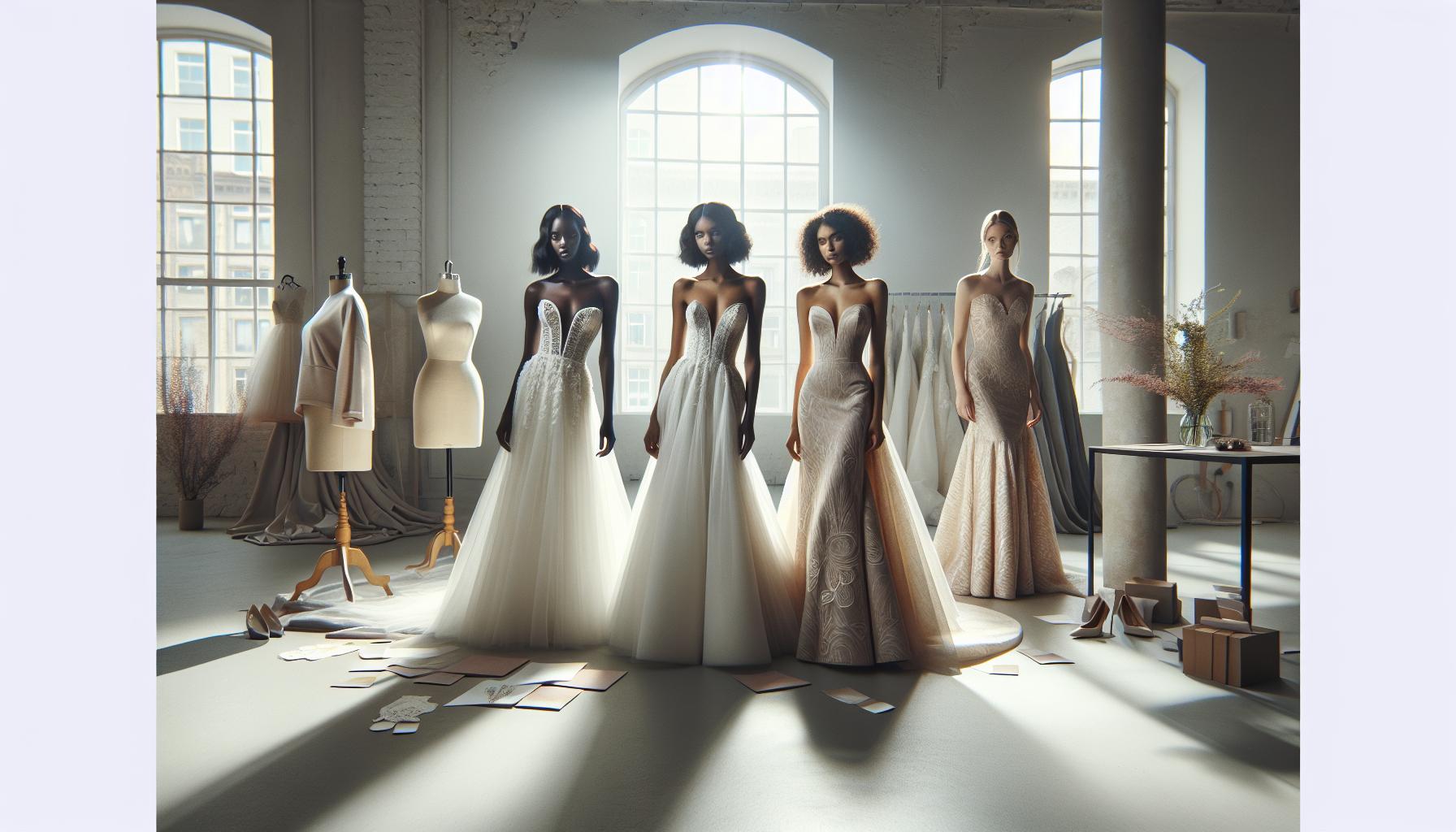
Finding Your Wedding Dress Style and Silhouette
When it comes to selecting the perfect wedding dress, understanding your personal style and the right silhouette can set the tone for an unforgettable day. Whether you’re drawn to classic elegance, bohemian vibes, or modern chic, identifying what resonates with you is crucial. Start by considering various styles-A-line, ball gown, mermaid, and sheath are just a few examples. Each silhouette flatters different body types and can evoke distinct feelings and aesthetics for your wedding.
Visual inspiration plays a pivotal role in this process. Creating a mood board with images from magazines, bridal boutiques, and online resources can help clarify your preferences. Pinterest is an excellent platform for gathering ideas, as you can easily compile and categorize your favorite looks. Pay attention to features like necklines, sleeve lengths, and embellishments. For instance, if you love a romantic vibe, you might lean towards lace details or flowy fabrics. In contrast, if you prefer a contemporary edge, tailored designs with clean lines could be your go-to.
It’s also important to consider the venue and season of your wedding, as these factors influence not only the style but also the practicality of your dress choice. A flowing, lightweight gown may suit a beach wedding in the summer, while a structured dress with more fabric may be better for a formal winter celebration. Remember, your wedding dress should not only reflect your style but also enable you to move comfortably throughout your big day. Exploring various options in different settings will further enhance your decision-making process, leading you to the gown that feels just right.
Essential Factors to Consider When Shopping
When embarking on the journey to find your dream wedding dress, it’s crucial to consider a variety of factors that will ensure your shopping experience is as seamless and enjoyable as possible. A thoughtful approach can save you time, reduce stress, and lead you to the perfect gown without unnecessary pressure.
One of the first essential elements to evaluate is your personal style and preferences. Think about the ambiance you envision for your wedding day-do you prefer a romantic, whimsical feel, or are you leaning more towards something elegant and timeless? Consider past events you’ve attended; what did you love or dislike about other dresses? Documenting these thoughts can help streamline your choices.
Next, convenience and practicality should also be on your checklist. The size of the bridal shop, the number of appointments you can realistically make, and the timeline for alterations are all key points to consider. Make sure that any shop you visit has a variety of options that align with your style and budget to save yourself from unnecessary hops from one store to another. What’s more, check on the store’s policy for returns or exchanges, just in case you have a change of heart.
Moreover, don’t overlook the significance of fit and comfort. When trying on dresses, pay attention not just to how it looks in the mirror, but how it feels moving around in it. You should be able to sit, walk, and dance comfortably; otherwise, you might end up compromising your enjoyment on your big day. Always ask about the fabric’s breathability, especially if you’re tying the knot in warmer months.
Finally, keep in mind the importance of communication with your bridal consultant. Being open and clear about your vision, budget, and any constraints will help them assist you better. Don’t hesitate to ask questions or voice concerns-they’re there to help you navigate this big decision! Emphasizing an open dialogue not only enhances your experience but also facilitates better recommendations tailored to your needs.
Taking the time to assess these factors will empower you in your search and help ensure that your wedding dress shopping journey is a positive and memorable one.
Setting Your Wedding Dress Budget Wisely
Setting a budget for your wedding dress is one of the most critical steps in your planning process. Not only does it help you gauge what styles and silhouettes you should consider, but a well-defined budget also reduces stress and helps streamline your shopping experience. Knowing your financial limits upfront can prevent you from falling in love with a dress that might not fit into your overall wedding expenses.
To start, it’s essential to determine a realistic budget based on your overall wedding costs. Typically, brides spend about 10-15% of their total wedding budget on the dress itself. However, remember to factor in additional expenses such as alterations, undergarments, and accessories. For instance, if your dress costs $1,500, you might want to set aside an additional $225 to $300 for alterations and $100 for accessories, bringing your total dress-related spending to around $1,825. This way, you can ensure that you won’t be caught off guard by extra costs when the time comes to finalize your purchase.
Consider shopping during off-peak times or sale events, as this can significantly impact your budget. Sample sales, trunk shows, and other promotional events often provide steep discounts that can help you save significantly. You might also want to look at off-the-rack dresses, which can offer fantastic savings while delivering a unique style. Keep an eye out for bridal shops that offer payment plans or financing options-this can adjust how you allocate your funds and make your dream dress more accessible.
Lastly, always communicate your budget clearly with your bridal consultant. A good consultant will understand your financial limits and work with you to find gowns within your range. Approach this journey as a collaboration; your honest input will ensure you have the best chance of finding the dress that fits both your style and pocketbook, making the experience more enjoyable overall. Remember, finding the perfect gown is as much about your budget as it is about your vision, so stay mindful of both throughout the process.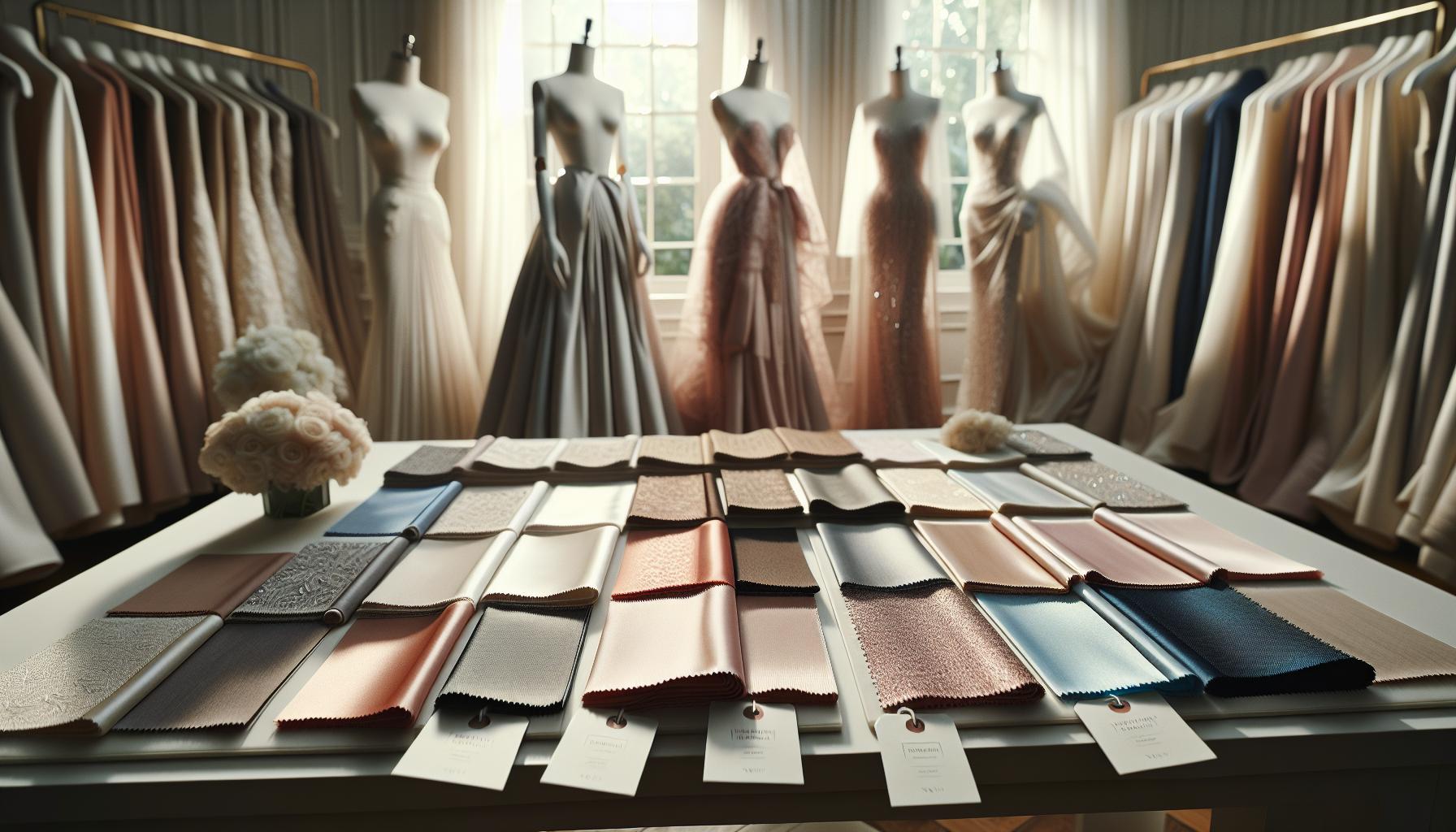
Understanding Fabric Choices for Your Gown
Choosing the right fabric for your wedding gown is as crucial as selecting the style and silhouette. The fabric not only affects the look and feel of your dress but also impacts the overall comfort level and how the dress moves with you throughout the day. Understanding the characteristics of different fabrics can empower you to make a choice that aligns with your wedding theme and personal style.
Start by familiarizing yourself with popular wedding dress fabrics like silk, lace, chiffon, and organza. Each fabric brings something unique:
- Silk: Luxurious and smooth, silk drapes beautifully and adds elegance, making it ideal for classic styles. However, it can be costly and requires careful cleaning.
- Lace: Often used for overlays or detail work, lace offers romantic textures and a vintage feel. It can vary widely in weight and appearance, so choose one that resonates with your personal style.
- Chiffon: Light and airy, chiffon is great for flowy, ethereal designs. It lends itself well to layered looks but may cling to certain body types, so consider undergarments carefully.
- Organza: A stiffer fabric that creates volume, organza is perfect for ball gowns and provides a structured silhouette while remaining lightweight.
When selecting your fabric, think about the climate and venue of your wedding. For instance, if you’re getting married in a warm locale, lightweight fabrics like chiffon or tulle may help you stay cool, while structured fabrics like Mikado might be better suited for cooler weather. Additionally, consider the dress’s functionality-if you’re planning to dance the night away, make sure the fabric allows for movement.
Lastly, remember to discuss fabric choices with your bridal consultant, as they can offer insights into how different fabrics behave in various styles. Don’t hesitate to ask questions about maintenance, durability, and comfort. This collaborative approach will help ensure that your wedding gown not only looks breathtaking but feels comfortable on your special day. Ultimately, the right fabric can enhance your experience, allowing you to enjoy every moment with confidence.
Tips for Choosing the Perfect Color
Choosing the right color for your wedding dress can feel overwhelming, but it’s one of the most exciting parts of your wedding journey. The color not only reflects your personal style but also sets the tone for your entire celebration. While traditional whites and ivories remain popular, today’s brides are embracing a spectrum of hues that can beautifully complement their vision for the day.
Start by considering your wedding theme and season. For a romantic garden wedding in spring, soft pastels like blush pink or lavender can enhance the natural beauty around you. In contrast, a bold jewel tone like deep red or emerald green may complement a winter wonderland ceremony. If you’re looking for something unique, why not explore options like a soft champagne or a whimsical patterned fabric? These choices can make a striking statement and showcase your individuality.
It’s also important to factor in your skin tone. Cool undertones look fabulous in colors like icy blue or silvery shades, while warm undertones shine in blush or golden hues. Don’t hesitate to try on dresses in various shades to see which complements you best. Additionally, consider the impact of lighting; what looks good in natural light may have a different feel under artificial lighting, so try to view fabrics in the same environment as your wedding venue.
Lastly, take into account the mood you want to evoke. Lighter colors often create a fresh and airy vibe, while darker shades can add a touch of drama and sophistication. Whatever you choose, make sure it feels authentic to who you are. Remember, this day is about celebrating you and your love, so wear the color that makes you feel radiant and confident as you walk down the aisle.
Choosing the Right Bridal Shop and Designer
Finding the perfect bridal shop and designer can be one of the most crucial steps in your wedding dress journey. The right shop not only carries beautiful dresses but also provides a supportive atmosphere where you can express your style and preferences. Start your search by considering reviews and recommendations from friends or bridal forums. Personal experiences can offer insights into which shops excel in customer service and variety.
Visit a range of bridal boutiques to get a feel for their styles and offerings. Don’t hesitate to ask questions! Inquire about the designers they carry, their alteration services, and how they approach the shopping experience. Different boutiques have distinct vibes-some may focus on high-end couture, while others might specialize in more casual, bohemian styles. This diversity allows you to explore what resonates best with your vision, whether it’s a classic gown or a trendy two-piece outfit.
When selecting a designer, consider their signature styles and how they align with your aesthetic. Some designers may excel in intricate lace work, while others focus on modern silhouettes. It’s beneficial to check out their portfolios online or even visit trunk shows, which often showcase a broader selection of their work. Keep in mind that while a designer may have a fantastic reputation, what matters most is how you feel in their gowns. Trust your instincts and don’t rush the decision-this is a personal choice that should feel right for you.
Lastly, foster a good relationship with your bridal shop staff and designer. Feeling comfortable with them can enhance your shopping experience immensely. They can provide valuable resources, suggestions, and even emotional support as you make this important decision for your big day. Remember, the goal is to find not just a dress, but a style that reflects who you are, with a team that celebrates your journey every step of the way.
Navigating Size and Fit for Comfort
Finding a wedding dress that fits comfortably is as important as choosing one that matches your style. Remember, you’ll be wearing this dress for several hours, possibly longer, so comfort should be a top priority. Start by understanding that sizing can vary significantly between designers, and trying on different styles can help you find the best fit for your body type.
When shopping, pay attention to the dress’s silhouette and how it complements your shape. For instance, A-line dresses are generally flattering for many body types, as they create an elongated look while providing comfort around the waist. On the other hand, fitted styles might require careful consideration of your mobility, especially if they are tailored closely around your hips and waist. Always walk, sit, and move around in the dress to ensure it feels right in various positions.
Don’t hesitate to consult with your bridal consultants. Their experience can guide you toward the right sizing and fit for your body. They can provide insights on how different fabrics behave and recommend styles that will give you both the aesthetic you desire and the comfort you need. Also, remember to wear appropriate undergarments when trying on dresses, as this influences how the gown fits and feels.
Lastly, keep in mind that even if a dress fits perfectly off the rack, most gowns will require some level of alteration for that perfect fit. Plan to budget for alterations, and be proactive in discussing this with your bridal shop. This will ensure your dress not only looks amazing but feels like a second skin on your special day.
Accessorizing Your Wedding Dress Beautifully
The right accessories can elevate your wedding dress from beautiful to absolutely breathtaking, making you feel even more special on your big day. Choosing the perfect finishing touches requires careful thought, but it can be a thrilling part of your wedding planning journey. Start by considering the overall theme and style of your wedding. Is it classic, bohemian, modern, or vintage? Your accessories should harmonize with both your gown and the atmosphere you want to create.
When selecting accessories, think about the key pieces that will complement, rather than compete with, your dress. Veils and Hairpieces should suit the neckline of your gown. For instance, a flowy A-line dress pairs beautifully with a long veil, while a sleek, modern dress may look stunning with a simple hair vine or an elegant tiara. Jewelry is another crucial element: delicate earrings can add just the right sparkle without overwhelming your look, especially if your dress features intricate detailing. A statement necklace may work well with a strapless gown, but make sure it doesn’t draw attention away from your overall look.
Consider Your Comfort and Confidence
Always remember that your accessories should enhance your comfort as much as your appearance. Items like chunky bridal belts can highlight your waist but ensure they’re fitted properly so they don’t cut into your skin while you move. Practice wearing your accessories during dress fittings to get a sense of how they balance with your dress and how they feel throughout the day. Also, keep in mind that your accessories will be present in countless photos, so consider how they work together visually in different lights.
To help you narrow down your choices, create a mood board that includes images of your dress, venue, and desired wedding aesthetic. This visual aid can guide you in selecting accessories that truly resonate with your vision. Finally, don’t be afraid to ask your bridal consultant for advice. Their expertise can help you choose pieces that reflect your personal style while ensuring everything comes together seamlessly. Remember, this day is all about you, so let your accessories tell your story and celebrate your individuality!
Planning for Alterations: What to Expect
Getting your wedding dress altered can feel like a daunting step in the journey to your big day, but it’s also an essential part of ensuring your gown fits perfectly. Understanding what to expect during the alteration process can help alleviate stress and make this an enjoyable experience. Typically, alterations are necessary to achieve the best fit, whether it’s shortening the hem, adjusting straps, or taking in the bodice.
When you schedule your first fitting, it’s crucial to bring along any undergarments, shoes, and accessories that you’ll wear on your wedding day. This allows the tailor to see how the dress fits you in full context and provides a clear picture for adjustments. It’s recommended to schedule alterations about two to three months before the wedding; this timeline gives your tailor sufficient room for any necessary tweaks without leaving you feeling rushed.
During the fitting, you’ll work collaboratively with the tailor to identify specific areas needing adjustment. Common areas for alterations include:
- Hemming the Length: Most brides will require adjustments for the dress length, particularly if you want it to flow just above the floor without tripping pegs.
- Taking in the Bodice: If the dress is too loose in the torso area, taking it in can enhance your shape and ensure comfort.
- Altering Straps: Adjusting the straps can help lift the bodice to the right spot and improve the overall fit.
Remember, this is also the time to communicate any additional customizations you’d like, such as adding a bustle or custom beading. Expect multiple fittings, possibly 2-3, depending on the complexity of your alterations. At each fitting, your tailor will check the fit and make necessary changes.
Embrace this process as an integral part of your bridal experience that ensures your gown not only looks stunning but feels comfortable on the day you say, “I do.” By preparing well and keeping open communication with your tailor, you’re setting yourself up for success and making the most of your wedding dress journey.
How to Make a Decision and Seal the Deal
Making the final decision on your wedding dress is one of the most exciting yet challenging parts of your bridal journey. It’s a blending of emotions, desires, and practicality, and taking the time to carefully evaluate your options can make this moment even more special. Start by reflecting on the styles you’ve tried and the features you loved most. Whether it’s the neckline, the fabric, or the fit, jot down these details to help clarify your preferences.
As you weigh your options, it’s crucial to remember your budget and stick to it. Take into account not just the price of the dress but also the additional costs of alterations, accessories, and any other embellishments you plan to add. Create two lists: one for your must-haves and another for nice-to-haves. This will provide a clear perspective and help you eliminate dresses that don’t align with your vision or budget.
Once you’ve narrowed your choices, revisit your favorite gowns. It’s helpful to bring along a trusted friend or family member who understands your style and can provide honest feedback. Try to envision yourself on your wedding day wearing each dress, thinking about not just the visuals but also how you feel physically and emotionally. Comfort is key; after all, you’ll be wearing this gown for hours, so it should fit well and allow you to enjoy every moment.
Before making the final decision, ask the boutique about their policies on holding a dress and payment plans, if needed. Take a moment to double-check any custom options or specific alterations that may be necessary to bring the gown to life. When you feel confident with your choice, don’t hesitate to express your excitement and seal the deal. Trust your instincts-you’ll know when you’ve found the one.
As you finalize your decision, take a moment to celebrate this milestone. You’ve not only chosen a stunning dress, but you’ve also embarked on a beautiful journey toward your special day!
Common Mistakes to Avoid When Dress Shopping
Navigating the world of wedding dress shopping can be both thrilling and overwhelming, and it’s easy to fall into a few common traps. Avoiding these pitfalls will help ensure that you have a smoother and more enjoyable experience as you search for your perfect gown.
One significant mistake is not doing enough research beforehand. Prioritize narrowing down your style preferences before you step into a boutique. Browse through magazines or Pinterest for inspiration, and consider what flatters your body shape. This will save you time and prevent you from getting sidetracked by styles that may not suit you.
Budgeting can also trip up many brides. It’s vital to set a realistic budget that accounts for all costs, including alterations and accessories. Many brides overlook these additional expenses, leading to disappointment later on. Create a detailed list that breaks down your wedding dress budget to avoid this and ensure you stay within your means.
When it comes to trying on dresses, avoid bringing too many people with you. While it can be tempting to gather a large entourage, too many opinions can create confusion and overwhelm. Instead, select a few trusted friends or family members who understand your vision and will provide thoughtful feedback. This way, you can maintain clarity in your decision-making process.
Lastly, don’t rush the decision. It’s easy to feel pressure to buy the first dress you fall in love with, especially if it’s a busy shopping day. Take your time, revisit favorites, and don’t hesitate to ask about customizations or alternatives if you’re not completely sold. Trust your instinct and choose a dress that truly resonates with you. Preparing by recognizing these common mistakes will lead you to a more fulfilling dress-shopping journey, ultimately resulting in a gown that makes you feel as beautiful as you’ve always dreamed on your special day.
Inspiring Real Bride Stories for Confidence
The journey to finding the perfect wedding dress is filled with emotions, stories, and experiences that often resonate beyond just the fabric and lace. Real brides share how their own dress-picking adventures shaped their confidence, solidified their personal styles, and contributed lasting memories alongside the main event of their lives.
One bride, Sarah, recounted how she initially felt daunted by the thought of trying on dresses. Armed with inspiration from Pinterest boards, she stepped into a boutique with a clear vision. Yet, when she slipped into a fitted A-line gown adorned with delicate lace, everything changed. “The moment I saw myself in the mirror, I knew. It wasn’t just the dress; it was how I felt-beautiful, confident, and ready for my big day,” she shared. This moment reminds us that the right dress is not just about looks; it’s about feeling amazing in your own skin.
Another bride, Javier, navigated her shopping experience with caution, having heard the horror stories of overwhelming opinions and rushed purchases. She made a pact with herself: to only bring her mom and one close friend. Their honest feedback and support helped streamline her choices. Javier reflects, “Staying true to my vision was everything. I ended up with a vintage-inspired gown that felt incredibly ‘me’-elegant yet comfortable, with a hint of whimsy.” Her story illustrates that a trimmed guest list can lead to clarity and confidence in choosing a gown.
Consider the story of Emily, who faced a challenge with her body image before her wedding. After trying on a variety of styles that didn’t resonate, she decided to embrace her curves with a stunning mermaid dress that accentuated her figure. “Wearing that dress was liberating,” Emily expressed, “It felt like a celebration of who I am.” This highlights the importance of selecting a silhouette that empowers rather than constrains, reminding brides everywhere to honor their bodies and preferences.
Ultimately, these narratives serve to inspire and uplift. Every bride’s experience is unique, and by embracing authenticity and seeking support, you’re more likely to find a gown that not only fits well but also makes your spirit soar. The key takeaway is to trust in your journey, reflect on your style, and remember that you are beautiful just as you are-transforming the dress-shopping experience into an empowering step towards your wedding day and beyond.
Faq
Q: How do I determine my wedding dress style?
A: To determine your wedding dress style, consider your personality, wedding theme, and body type. Try different styles during fittings to see what enhances your figure and feels comfortable. Explore resources like bridal magazines or Pinterest for inspiration. This process is covered in detail in the section “Finding Your Wedding Dress Style and Silhouette.”
Q: When should I start shopping for my wedding dress?
A: It’s best to start shopping for your wedding dress 6 to 12 months before your wedding. This timeframe allows for fittings, alterations, and any special orders. Starting early ensures you have ample time to find the perfect gown without feeling rushed.
Q: What should I bring to my wedding dress fitting?
A: Bring shoes with a similar heel height to your wedding day, any undergarments you plan to wear, and any accessories like veils or jewelry you may want to try. This will help you visualize the complete look and ensure proper fit and comfort during fittings.
Q: How can I make my wedding dress shopping experience enjoyable?
A: To make your dress shopping enjoyable, limit your entourage to supportive friends and family. Keep an open mind, stay true to your style, and keep a positive attitude. Enjoy the moment, and take breaks if you feel overwhelmed to stay relaxed.
Q: What should I do if I’m on a tight wedding dress budget?
A: If you’re on a tight budget, shop during sales, consider sample sales, or look at off-the-rack options. Setting a realistic budget upfront and being transparent with bridal consultants can lead to finding beautiful options that fit your financial plan.
Q: How can I ensure the perfect fit for my wedding dress?
A: To ensure the perfect fit, schedule fittings well in advance and communicate any changes in your body shape to your tailor. Always wear the undergarments you plan to use on your wedding day. The section “Navigating Size and Fit for Comfort” offers insights into how to address fit concerns.
Q: Should I order a custom wedding dress?
A: Ordering a custom wedding dress can be a great option if you have a clear vision and specific measurements. Custom gowns often provide a perfect fit and unique details. However, consider the time and budget involved, as custom dresses usually take longer to create.
Q: How can I accessorize my wedding dress?
A: To accessorize your wedding dress, match your accessories to the gown’s style. Use items like veils, jewelry, and belts to enhance your look. Keep the accessories balanced so that they complement rather than overshadow your dress. For specific tips, check out the “Accessorizing Your Wedding Dress Beautifully” section.
Key Takeaways
Finding your dream wedding dress is an unforgettable journey, and with these seven simple steps, you’re now equipped to make it a reality. Remember, the perfect gown is out there waiting for you, so don’t hesitate to start visiting local bridal shops today. If you have further questions on styling or accessories, check out our guide on “Accessorizing Your Wedding Dress” or explore “The Latest Bridal Trends.”
Still feeling unsure? Join our newsletter for expert tips and exclusive insights on how to navigate the beautiful (yet sometimes overwhelming) world of weddings. Your dream dress is just the beginning-stay with us for more guidance and inspiration to make your big day truly special. Share your thoughts or experiences in the comments below; we can’t wait to hear your story!