In the world of professional attire, a well-fitted dress shirt can make all the difference. Did you know that nearly 80% of people feel more confident when wearing clothes that fit them perfectly? However, with countless styles, fabrics, and cuts available, choosing the right dress shirt can feel overwhelming. Understanding how to select the ideal shirt can elevate your professional image, boost your confidence, and even make a strong impression in the workplace. Whether you’re navigating an important meeting, a job interview, or just aiming to refine your everyday style, this guide will break down the essentials of picking the perfect dress shirt tailored to your needs. Read on to discover practical tips that will simplify your selection process and help you feel your best, because the right shirt doesn’t just fit your body-it fits your personality and professional goals too.
Choosing the Right Fabric for Your Dress Shirt
can significantly influence your overall comfort, style, and professionalism. The fabric dictates not only how the shirt feels against your skin but also how it drapes on your body and whether it breathes adequately during the day. To ensure you make the best choice, consider the following common fabric options, their qualities, and the occasions they suit best.
Common Dress Shirt Fabrics
- Cotton: This is the most popular choice for dress shirts due to its breathability and softness. Cotton shirts come in various weaves, including broadcloth (smooth and formal), poplin (soft and lightweight), and oxford (slightly heavier and textured). Cotton is versatile, suitable for both business and casual wear.
- Polyester: Often blended with cotton, polyester enhances durability and minimizes wrinkling. It’s a low-maintenance option that retains color well but lacks the breathability of pure cotton, which makes it less ideal for warmer climates.
- Linen: Perfect for hot weather, linen shirts are lightweight and highly breathable. However, they tend to wrinkle easily, so they may not be the best choice for formal settings where a polished appearance is key.
- Silk: This luxurious fabric offers a sophisticated look with a smooth feel. While silk shirts are beautiful, they require careful maintenance and may not be suitable for everyday office wear due to their delicate nature.
- Blends: Many shirts are made from a combination of fabrics, like cotton-polyester blends, which offer the benefits of both materials-breathable softness and wrinkle resistance-ideal for those balancing style and convenience.
Choosing Based on Occasion
Consider the environment in which you’ll be wearing your dress shirt. For a business meeting, a cotton-polyester blend in a classic color can keep you looking sharp and confident. If you’re attending a summer wedding, a lightweight linen shirt in a light hue might keep you cool while allowing for a stylish and relaxed appearance. Ultimately, the best fabric aligns with both your activity level and comfort needs. By understanding the properties of different materials, you can choose a dress shirt that looks great and feels even better all day long.
Understanding Dress Shirt Fit and Tailoring
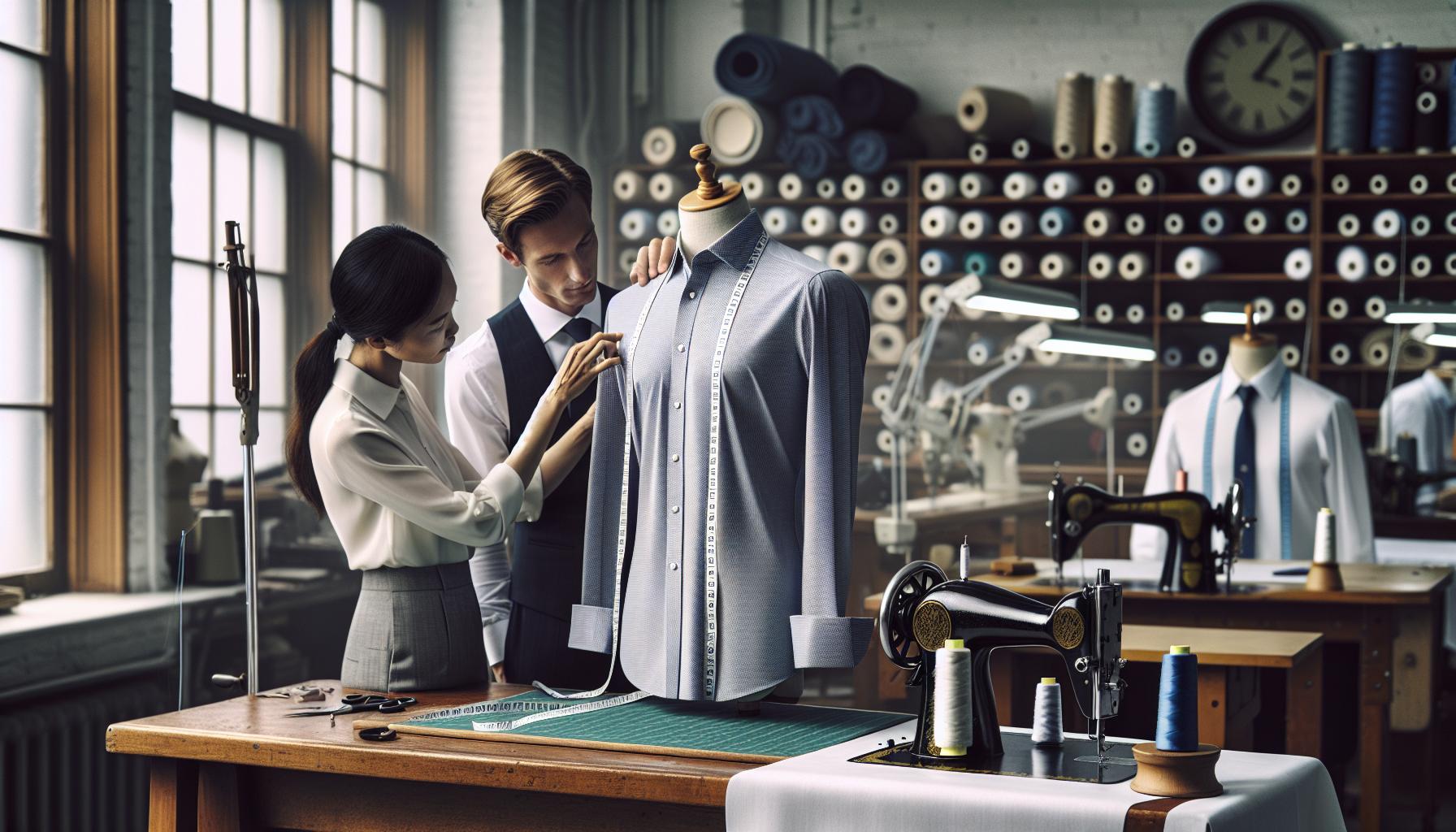
Finding the right fit for your dress shirt can make a world of difference in how you feel and present yourself. A well-fitted shirt doesn’t just enhance your appearance; it also conveys confidence and professionalism. When choosing a dress shirt, consider the three key aspects of fit: shoulders, torso, and sleeves. A shirt should hug your shoulders comfortably, neither restricting your movement nor appearing too loose. If you can fit two fingers between your shoulder and the seam of the shirt, you’re on the right track.
The torso fit is equally important. You want enough room to move comfortably without excess fabric billowing out. A tailored fit is ideal as it follows the contours of your body without being overly tight. If you’re unsure, many brands offer slim fit options that cater to this need, balancing style and comfort well. For those comfortable with a bit of breathing room, a classic fit may be what you’re looking for, providing a more relaxed aesthetic.
Don’t overlook the sleeves! They should end at your wrist bone, with about a half inch of your shirt cuff showing when you wear a blazer. If your sleeves are too long, they’ll bunch and create an unkempt look; too short, and you’ll expose your skin when you reach for something. Pay attention to the sleeve width as well; it should neither restrict your arm movement nor deflate like a balloon. If necessary, consider getting your dress shirts tailored. A small investment in alterations can yield significant gains in comfort and style.
Overall, remember that fit is personal-what works for one person may not work for another. So, test different styles, remember to look for ease of movement, and don’t hesitate to seek professional tailoring if needed. A little effort in finding the perfect fit can go a long way in enhancing your professional image and keeping you comfortable throughout the day.
Exploring Collar Styles: Which One Suits You Best?
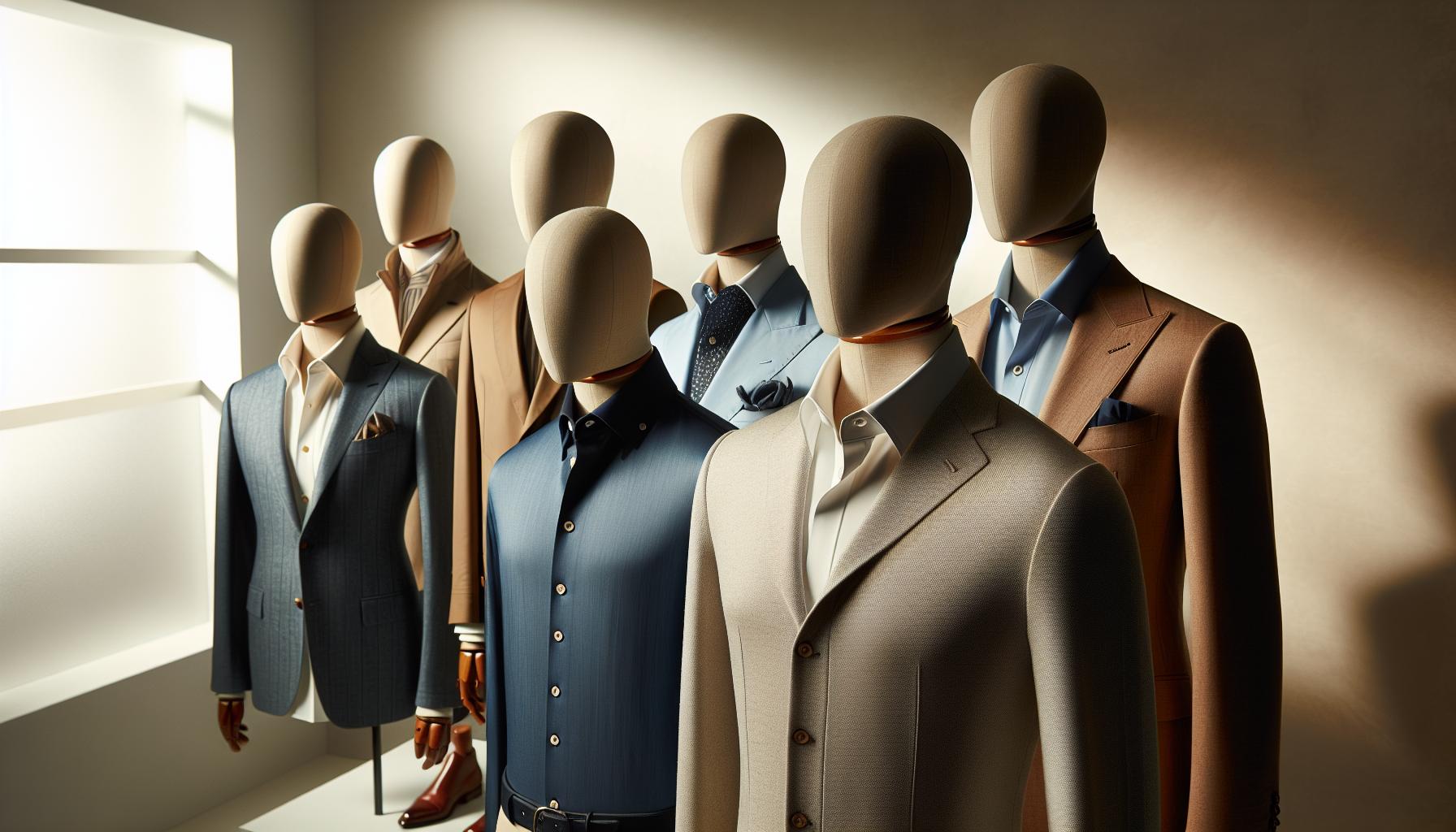
When it comes to choosing a dress shirt, the collar style is not just a matter of aesthetics; it can significantly influence your overall look and the impression you make in professional settings. Different collar styles can convey varying levels of formality and personality, so understanding which one suits you best is essential.
One popular option is the point collar, which features pointed tips and is versatile enough for most occasions. It pairs well with ties and is ideal for business environments. If you are someone who enjoys a more relaxed yet professional look, consider the button-down collar. This style has small buttons that secure the collar points, helping to keep it in place and giving a casual yet polished appearance. It’s a great choice for less formal meetings or a smart-casual workplace.
For those looking to make a statement, the spread collar might be your go-to. This collar style has wider points and provides a bold frame for your face, making it especially suitable for larger tie knots, like the Windsor. It exudes confidence and is perfect for important presentations or events where you want to stand out. Conversely, the mandarin collar, which lacks traditional collar points, can offer a fresh, modern look. This style works particularly well in creative industries or during casual engagements while still maintaining a sense of professionalism.
When choosing a collar style, consider your face shape as well. For example, if you have a narrower face, a spread collar can balance your proportions, while a rounder face may benefit from the elongated look of a point collar. Ultimately, the right collar should not only complement your face shape but also align with the context in which you’ll wear the shirt, ensuring you feel both comfortable and confident.
Color and Pattern Selection for Professional Settings

Choosing the right color and pattern for your dress shirt can elevate your professional attire while ensuring you make a strong impression. The hues you select can project confidence, authority, or approachability, depending on the context. Neutral colors like whites, blues, and grays are timeless staples that blend easily into any professional wardrobe. They are versatile and can be paired effortlessly with a variety of suits and ties, making them perfect for business meetings or interviews.
For a more contemporary twist, consider incorporating subtle patterns such as stripes or checks. These can add a modern flair without compromising professionalism. A light blue dress shirt with fine white stripes, for instance, strikes a balance between being eye-catching and appropriate for the office. However, if you work in a creative environment, feel free to experiment with bolder colors like deep greens or rich burgundies, as they can help express your individual style while remaining polished.
Key Considerations for Color Selection
When choosing colors, take into account the following factors:
- Skin Tone: Warmer skin tones often look best in earthy shades, while cooler tones can pull off vibrant blues and jewel tones.
- Office Culture: Understand the culture of your workplace. Conservative industries like finance or law typically favor classic colors, whereas creative sectors may welcome more vibrant choices.
- Occasion: The reason for wearing the shirt matters. A darker shirt might be more suitable for evening events, while lighter shades work well for daytime functions.
Embracing color and pattern thoughtfully can be a straightforward yet impactful strategy in presenting yourself professionally. Always remember that your choice can set the tone for conversations and interactions throughout your day. Whether you gravitate towards crisp whites or subtle patterns, the right selection ensures that you not only look great but also feel empowered in any professional setting.
How to Layer Your Dress Shirt with Other Attire
Layering your dress shirt with other attire can elevate your overall look and make it suitable for various professional contexts. Not only does proper layering enhance your style, but it also allows you to adapt to changing temperatures and settings throughout the day.
Start with choosing the right base layers. A well-fitted dress shirt serves as the perfect foundation. For a crisp, professional appearance, consider layering a blazer or a structured cardigan over your dress shirt. These options not only add warmth but also bring a polished touch to your outfit. A tailored blazer can seamlessly transition from day meetings to after-work events, while a cardigan adds a softer vibe that may be more appropriate for casual office environments.
Texture and color play crucial roles in effective layering. Opt for layers that complement your shirt in both tone and fabric. For instance, pair a light cotton dress shirt with a wool blazer in a deeper color for a sophisticated contrast. If you’re feeling playful, consider layering with a vest. A fitted vest can add visual interest without adding bulk. Remember, horizontal patterns or additional textures can break up the monotony, but be cautious-too many patterns can clash and confuse your overall look.
Finally, consider the sleeves. If you’re wearing a blazer or jacket, ensure that the sleeve of your dress shirt peeks out slightly for a refined touch. Aim for about half an inch of the shirt cuff to show; this small detail signals confidence and attention to detail. Don’t overlook accessories either; a well-placed tie or pocket square can not only enhance your layered look but also showcase your personal style.
In summary, effective layering is about balance and coordination. Start with a great-fitting dress shirt, choose complementary outer layers, and pay attention to texture and color. This approach will not only keep you comfortable but will also make you look effortlessly sharp, whether at work or an evening out.
Accessorizing Your Dress Shirt for a Complete Look
To elevate your dress shirt ensemble, the right accessories are essential. Think of accessories as the finishing touches that refine your overall look and express your personal style. Adding these elements can transform a simple dress shirt into a statement outfit that captures attention and conveys professionalism.
One of the most impactful accessories is the tie. A well-chosen tie can introduce color and pattern, complementing your dress shirt and adding depth to your outfit. When selecting a tie, consider the color wheel; for example, a contrasting color can create a striking appearance, while a complementary tone provides a subtle harmony. Pay attention to the width of the tie as well-narrow ties can lean modern and trendy, whereas wider ties often suggest classic sophistication. Don’t forget to experiment with different knot styles, as they can also influence your look.
Pocket squares are another excellent way to add flair. These small pieces of fabric can be folded in numerous ways to create distinct visual effects. Choose a pocket square that either matches your tie or contrasts it for a pop of color. For a classic look, opt for a white linen square with a simple fold, or elevate your style with a patterned square that ties the entire outfit together. Remember, the pocket square should reflect your personality, whether that’s playful and bold or refined and understated.
Lastly, consider adding cufflinks to your shirt’s double cuffs for a touch of elegance. These can range from simple metallic designs to more elaborate patterns or personal engravings. Cufflinks not only add a level of sophistication but can also be a fun way to showcase your interests or personality. If you’re attending a more formal occasion, choose cufflinks that stand out subtly without overshadowing your outfit.
In summary, accessorizing your dress shirt is about finding that perfect balance between style and professionalism. Incorporate a tie, a pocket square, and cufflinks to create a cohesive look that enhances your overall appearance. Always aim for accessories that not only match your shirt but resonate with your personal style, leaving a lasting impression in any professional setting.
Caring for Your Dress Shirt: Tips for Longevity
To ensure your dress shirt stands the test of time, a little TLC goes a long way. Regular care not only keeps your shirt looking fresh but also helps maintain the quality and fit. Understanding proper washing, ironing, and storage techniques can significantly extend the life of your favorite shirts, making them a worthwhile investment in your wardrobe.
Start by checking the care label for specific washing instructions, as different fabrics require different approaches. For most cotton shirts, it’s safe to machine wash on a gentle cycle in cold water to minimize shrinkage and fading. If your shirt is made of a delicate fabric like silk or linen, hand washing or using the delicate cycle is recommended. Always separate your whites from colors and consider using a mild detergent, as harsh chemicals can break down the fibers over time.
When it comes to drying, air-drying is the gentlest option. Hang your shirt on a sturdy hanger to retain its shape and prevent wrinkles. If you must use a dryer, opt for a low heat setting and remove the shirt while it’s still slightly damp to avoid over-drying. This practice not only preserves the fabric but also reduces the need for excessive ironing.
Ironing your shirt correctly also plays a crucial role in maintaining its appearance. Iron the shirt while it is still slightly damp for the best results. Use the appropriate heat setting based on the fabric – higher for cotton and lower for delicate materials. Always iron from the collar downwards and ensure areas like cuffs and plackets are smoothed out thoroughly. For extra protection, consider using a pressing cloth to avoid shine or burns on the fabric.
Lastly, how you store your dress shirts makes a significant difference. Hang them in a cool, dry place to prevent wrinkles and potential mold. Avoid overcrowding your closet, as this can lead to creasing. If you choose to fold your shirts, do so carefully, making sure to smooth out any wrinkles beforehand.
In summary, the longevity of your dress shirt hinges on proper washing, drying, ironing, and storage practices. By investing a little time into the care of your garments, you’ll ensure they remain vibrant and well-fitted for years. Consider this care routine as an investment in your professional image; a well-maintained shirt not only looks good but also feels great, boosting your confidence as you navigate through your day.
Common Dress Shirt Mistakes to Avoid
When selecting a dress shirt, it’s easy to make simple mistakes that can affect both comfort and style. Understanding these common missteps can help you refine your wardrobe and ensure you present your best self in professional settings.
One frequent error is choosing the wrong size. A shirt that’s too tight can restrict movement and create discomfort, whereas one that’s too loose can look unkempt. When trying on shirts, pay attention to fit at the shoulders and chest. The fabric should drape nicely without clinging or pulling, allowing for comfortable movement. Generally, opt for a fit that allows for about one inch of extra fabric in the chest when your arms are at your sides.
Another pitfall is ignoring the collar style and how it complements your face shape. A classic point collar might suit you well, but if you have a round face, a spread collar may provide a more flattering look. Always try on different styles to see how they enhance your overall appearance. Remember, the right collar can add polish, balancing your features and enhancing your professionalism.
Selecting the wrong fabric can also lead to dressing down an otherwise smart outfit. Cotton is great for both warm and cool temperatures, but if you’re in a more formal environment, consider wrinkle-resistant blends or fine fabrics like poplin or broadcloth. Patterns and colors can be another area of trouble; overly bold designs may distract rather than impress. Aim for subtle patterns like pinstripes or checks that convey professionalism without overwhelming your look.
Lastly, don’t overlook proper laundering techniques. Neglecting care instructions can lead to shrinkage or color fading, which diminishes the life of your shirt. Always follow the care label to maintain the garment’s appearance and fit over time.
By avoiding these common mistakes – focusing on size, style, fabric, care, and color – you can ensure your dress shirts not only look great but also elevate your confidence and professional image.
Finding Your Perfect Dress Shirt in Stores and Online
When it comes to sourcing your ideal dress shirt, both in stores and online, the process can feel daunting, but it doesn’t have to be. Understanding your personal style, preferences, and body type can simplify this search significantly. The key is to approach your shopping experience with a plan, ready to assess each option based on fit, fabric, and finish.
Start by visiting local retail stores to get a sense of the fits and styles that appeal to you. Don’t hesitate to try on multiple shirts-some brands offer different cuts that may vary in sizes. Pay attention to how the fabric feels against your skin, and check out various collars to see which might complement your frame. For instance, if you have broad shoulders, a tailored fit with a spread collar might offer a balanced look. Also, consider the store’s staff; a knowledgeable salesperson can provide valuable insight into what works best for you.
On the online shopping front, the world is your oyster, but it also comes with its own set of challenges. Start with reputable brands that offer detailed sizing guides and customer reviews. Look for shops that provide a robust return policy, allowing you to try on multiple options without the fear of commitment. Utilize sizing charts and be mindful of customer feedback regarding fit, especially if you’re trying a new brand. Consider using virtual fitting tools that allow you to upload your measurements for a more customized fit prediction.
Regardless of where you shop, always keep a checklist handy:
- Size and Fit: Know your measurements and preferred fit (slim, regular, etc.).
- Fabric: Look for breathable, wrinkle-resistant materials for comfort and longevity.
- Style: Choose a collar and cuff style that matches your personal brand.
- Price Range: Set a budget but be open to investing a bit more for quality pieces.
Finding the right dress shirt is not just about aesthetics; it’s also about comfort and confidence. Whether you’re at a store or browsing online, prioritize your personal style and needs. In no time, you’ll end up with pieces that enhance your wardrobe and reflect your professional persona!
The Impact of Dress Shirts on Your Professional Image
Choosing the right dress shirt goes beyond mere aesthetics; it plays a crucial role in shaping your professional image. A well-fitted, stylish shirt conveys confidence, attention to detail, and professionalism, while a poorly chosen one can create the opposite impression. In fact, research shows that attire significantly influences people’s perceptions of competence and authority. This means that your choice of shirt can impact not just how others see you, but also how you feel about yourself in professional settings.
To maximize the positive impact of your dress shirt, consider the context in which you’ll be wearing it. For instance, in more formal environments like corporate board meetings, a crisp white or pale blue shirt paired with a tailored suit can project reliability and professionalism. Alternatively, creative industries might allow for bolder colors and patterns, which can express individuality and a forward-thinking attitude. Always remember to align your choices with the culture of your workplace to ensure you’re both appropriate and authentic.
Fit is also essential; a shirt that’s too loose can appear sloppy while one that’s too tight might feel uncomfortable. Opt for a tailored fit that flatters your body shape without restricting movement. Additionally, fabric matters-choose breathable materials like cotton or linen for long days, as they enhance comfort and also help you maintain a polished look.
Finally, accessorizing your dress shirt effectively can elevate your overall appearance. A tasteful tie, a quality watch, or sleek cufflinks can tie the whole look together, further reinforcing your professionalism. Remember, the goal is to make a lasting impression; the right dress shirt can certainly help you achieve that.
Budgeting for a Dress Shirt: Value vs. Cost
When considering how much to spend on a dress shirt, it’s crucial to distinguish between value and cost. Cost is simply the price tag; however, value reflects quality and longevity. A more expensive shirt may seem like a hefty investment upfront, but if it lasts longer and withstands wear and tear, the actual cost per wear drops significantly. It’s essential to consider how often you’ll wear the shirt and the impression you wish to create.
Defining Your Budget
Before shopping, establish a clear budget that aligns with your clothing needs. Here are some budget-friendly tips to guide you:
- Everyday Wear: For shirts you’ll wear frequently, look for options in the $30-$70 range. These shirts should be comfortable yet durable enough to handle regular use.
- Occasional Use: If a shirt is needed for special occasions or professional events, budgeting $70-$150 can get you higher quality that enhances your overall appearance.
- Investment Pieces: Premium shirts costing $150 and above often boast superior fabrics and craftsmanship. Consider these for your wardrobe staples that you want to last.
Assessing Quality vs. Price
When judging the value of a shirt, focus on fabric type, stitching, and fit. Natural fibers like cotton or linen often provide better breathability and durability than synthetic options. While it might be tempting to purchase cheaper alternatives, remember that they may not meet your expectations for comfort or style, leading to more frequent replacements.
As you analyze price versus quality, take into account the versatility of the shirt. A classic white dress shirt can be worn to interviews, casual Fridays, or formal events. Therefore, spending a bit more on an item that can be used in diverse settings offers greater value over time.
Ultimately, the perfect dress shirt isn’t always about spending the most money but rather making informed decisions that balance your budget with the quality you deserve. Keep your personal style and wardrobe needs in mind, and don’t hesitate to explore during sales events or seasonal promotions, which often present a chance to snag quality shirts at reduced prices.
Elevating Your Wardrobe with Versatile Dress Shirts
The perfect dress shirt can be a game changer for your wardrobe, serving as a versatile foundation that elevates your style for a myriad of occasions. From casual days at the office to formal events, a well-chosen dress shirt can transition seamlessly, making you look polished and put together with minimal effort.
To maximize the versatility of your dress shirts, consider classic colors and patterns that can be easily mixed and matched. A crisp white shirt, for example, is a timeless staple that pairs well with everything from tailored suits to jeans. Similarly, light blue and subtle checks or stripes can add a touch of personality while remaining appropriate for professional settings. Investing in several solid basics, as well as a few patterned options, allows you to create outfits that reflect your style without overwhelming your closet.
Layering is another powerful technique to enhance the versatility of your dress shirt. Pairing it with a blazer adds sophistication for meetings or dinner dates. For colder days, a tailored sweater over your shirt can provide warmth while maintaining style. Remember that fit matters; a well-fitted dress shirt should be snug without being restrictive, as this will enhance not only your comfort but also your overall look.
Ultimately, opting for quality over quantity is crucial. Check for details like stitching, fabric quality, and finish; these can make a significant difference in how a shirt wears over time. By selecting versatile, high-quality dress shirts, you’ll find it easier to elevate your wardrobe, streamline your dressing process, and feel confident wherever you go.
Frequently asked questions
Q: What should I consider when picking a dress shirt for a job interview?
A: When choosing a dress shirt for a job interview, prioritize fit and fabric quality. A tailored fit in a breathable material like cotton will ensure comfort and professionalism. Opt for neutral colors like white or light blue, as these exude confidence and suitability for formal settings.
Q: How do I know if my dress shirt fits correctly?
A: A well-fitting dress shirt should be snug but not tight, allowing for free movement. The shoulder seams should align with your shoulders, the sleeve length should reach the wrist, and there should be no excess fabric around the waist. Refer to the “Understanding Dress Shirt Fit and Tailoring” section for detailed guidance.
Q: What is the best collar style for a round face?
A: For round faces, a pointed collar is ideal, as it elongates the neck and creates a balance with softer facial features. Consider tying it with a structured tie for added visual length. This choice can be further explored in the “Exploring Collar Styles” section of the article.
Q: How can I accessorize my dress shirt for a polished look?
A: Accessorizing your dress shirt can elevate your outfit significantly. A well-chosen tie, elegant cufflinks, or a classic watch can create a cohesive and professional appearance. Ensure that colors complement your shirt for a sophisticated touch, as discussed in the “Accessorizing Your Dress Shirt” part of the article.
Q: What patterns are appropriate for office attire?
A: Subtle patterns such as pinstripes or small checks are appropriate for office settings, offering visual interest without being overpowering. Stick to neutral colors to maintain professionalism. More pattern selection tips can be found in the “Color and Pattern Selection for Professional Settings” section.
Q: How often should I replace my dress shirts?
A: Dress shirts should generally be replaced every 6-12 months, depending on wear and tear. Signs to watch for include fading colors, fabric thinning, or persistent stains. Regular care as mentioned in the “Caring for Your Dress Shirt” section can help prolong their lifespan.
Q: Can I wear a dress shirt without a blazer?
A: Yes, you can wear a dress shirt without a blazer for a more relaxed look, especially in business-casual environments. Ensure the shirt is well-fitted and styled appropriately. Explore layering options in the “How to Layer Your Dress Shirt with Other Attire” section of the article for variations.
Q: Are there specific dress shirt colors that boost confidence?
A: Yes, colors like navy, black, and crisp white are known to boost confidence and convey authority. These classic shades are versatile and suitable for various settings. For a deeper understanding of color impacts, check the “Color and Pattern Selection for Professional Settings” section.
To Wrap It Up
Now that you’re equipped with the knowledge to choose the perfect dress shirt, it’s time to elevate your professional style! Remember, the right fit, fabric, and color can make all the difference in your wardrobe versatility. Before you go, check out our guides on “The Best Fabrics for Dress Shirts” and “How to Style Your Dress Shirt for Any Occasion” to deepen your understanding and refine your look even further.
Feeling inspired? Don’t hesitate to explore our site for more tips and tricks that simplify your grooming and style journey. Consider signing up for our newsletter for exclusive content delivered straight to your inbox, ensuring you never miss out on our latest insights. Remember, the right choices today lead to more confident, stylish tomorrows!
Share your thoughts or wear your new dress shirt style in the comments below! Your choices matter, and we love hearing how you’re stepping up your game. Embrace this new chapter of style sophistication!
Get our latest guides, news, and insights highlighted in your Google Search & AI Overviews.