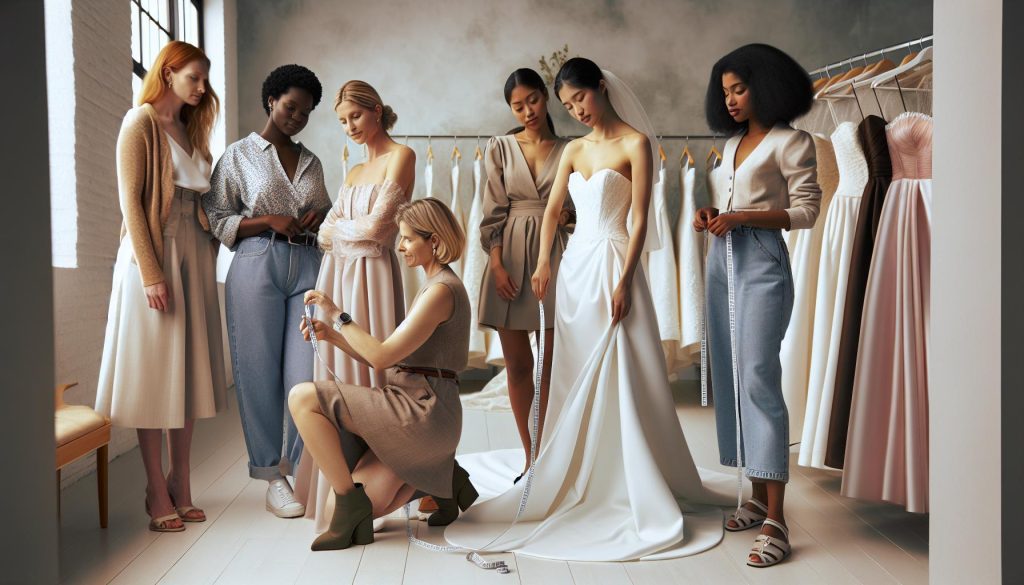
Choosing the right size wedding dress can feel overwhelming, but it’s crucial to get it right. Did you know that over 60% of brides end up purchasing the wrong size, which can lead to costly alterations or the disappointment of a dress that doesn’t fit perfectly on their big day? Understanding how to accurately measure yourself and navigate size charts can prevent these pitfalls and ensure you find a gown that flatters your unique shape. In this guide, we’ll demystify the process, offering practical tips to help you feel confident and beautiful in the dress of your dreams. Let’s dive in and explore how to make this important decision without stress!
Choosing Your Ideal Wedding Dress Size: The Basics
Choosing a wedding dress can be one of the most exhilarating yet daunting tasks before your big day. A crucial element of this journey is ensuring you select the right size. Remember that wedding dress sizing can be notoriously inconsistent, as different designers may have varying size charts. This means that your everyday clothing size might not correlate directly to what fits you in a bridal gown.
To navigate this process, it’s essential to approach it with an open mind and a bit of flexibility. Start by recognizing that trying on dresses in multiple sizes can enhance your fitting experience. It’s not uncommon to find that you might wear a size up or down depending on the style and cut of the dress. Moreover, many bridal shops and designers recommend starting with the size that aligns with your largest measurement, as most gowns can be taken in more easily than they can be let out.
When it’s time to try on dresses, bring the right undergarments that you plan to wear on your wedding day, such as a supportive bra and shapewear, to achieve a more accurate fitting. Don’t hesitate to ask for the opinions of the bridal consultants; they are well-trained and can provide valuable insights based on your body type and the dress’s design. As you try on dresses, take time to visualize how each gown feels and looks on you rather than solely relying on the number on the tag. Ultimately, your comfort and confidence in the gown are what will make you shine on your special day.
Understanding Wedding Dress Sizing Systems
Navigating the world of wedding dress sizing can feel like deciphering a secret code. With each designer using their own size charts, what might fit perfectly in one boutique may feel entirely different in another. Understanding this variance is key to finding your perfect fit without the frustration that often accompanies dress shopping.
Most sizing systems can differ significantly across brands and styles. For example, while a size 8 might be your go-to in everyday clothing, you could find yourself in a size 10 or even a 12 when it comes to bridal wear. Many bridal gowns tend to run smaller than regular sizes due to the nature of their construction and design-often with built-in structure and support. It’s essential to consult the specific sizing chart provided by each designer. Remember, bridal sizes often add a “size” factor, meaning you’ll frequently wear a gown size that is two sizes larger than your regular clothes.
When you are about to try on dresses, take a moment to understand the different measurements that can affect sizing: bust, waist, and hips are the most critical. Make a note of your measurements, and don’t hesitate to ask for advice from the consultants at the shop-they’re trained to help you navigate these differences! As you step into different gowns, keep the focus on how each one feels, rather than the size label. It’s all about the fit and comfort, which will ultimately make you feel radiant on your special day.
Lastly, consider incorporating a range of sizes into your fitting experience. It’s entirely normal to try on larger or smaller sizes to explore how different cuts and styles interact with your body shape. This exploration may lead you to a gown that truly flatters your figure, regardless of the tagged size. Embrace the process, and remember that finding your perfect wedding dress is not just about fitting into a number-it’s about how the dress makes you feel!
Common Mistakes to Avoid When Sizing Up
When you’re preparing to choose the perfect wedding dress, it’s easy to get caught up in the excitement and make common mistakes regarding sizing. One of the biggest pitfalls? Ignoring sizing variations across different designers. Each brand has its unique sizing chart, and just because you wear a size 8 in one store doesn’t mean you’ll be the same size elsewhere. Embrace the fact that wedding dress sizing often runs smaller than ready-to-wear clothing. Instead of fixating on the tag, focus on how the dress feels when you try it on.
Another common mistake is measuring yourself improperly. Ensure you take your measurements accurately to avoid unnecessary frustration. Use a soft measuring tape to get the bust, waist, and hip measurements, and consider having a friend help for the best results. Don’t pull the tape too tightly; it should fit comfortably without constricting your movement. If you can, consult with a bridal consultant who can guide you through this process and help you capture the measurements you need.
It’s crucial to avoid the temptation of just going one size up when in doubt. Many brides mistakenly believe that going up a size will automatically guarantee a better fit, but this can lead to other fitting issues, like fabric bunching or misalignment. Instead, try on a range of sizes and styles; the fit often varies significantly based on the dress design. By exploring different options, you might find that a smaller size fits you better in certain styles, giving you the flattering silhouette you’re after.
Finally, don’t forget that the fit of the dress can change with adjustments and alterations. Hold off on making any final decisions too quickly. Take your time to assess how the gown feels and moves; it needs to be comfortable for your big day. Schedule multiple fittings to allow for any alterations needed as your wedding date approaches. Whether you’re adjusting for changes in weight or looking for the perfect hemline, a good tailor can help ensure your dress fits like a glove. This patience can make a world of difference, transforming a good dress into a breathtaking one that you’ll cherish for a lifetime.
Measuring Yourself for the Perfect Fit
When it comes to finding the perfect wedding dress, accurate measurements can make all the difference. Misjudging your size can lead to costly mistakes, such as needing extensive alterations or, worse, feeling uncomfortable on your big day. Let’s take the guesswork out of the process and make sure you get a flattering fit that enhances your natural beauty.
To start, gather a few key tools: a soft measuring tape, a notepad, and possibly a friend to assist you. Measuring yourself correctly is crucial, so follow these simple steps:
- Measuring Your Bust: Stand up straight and wrap the measuring tape around the fullest part of your bust, ensuring the tape is parallel to the floor. Make sure it’s snug but not tight, allowing for comfort and movement. Note down the measurement.
- Measuring Your Waist: Locate your natural waistline, which is typically just above your belly button. Gently wrap the tape around this area, again keeping it snug but comfortable. Record this measurement, as it’s vital for your overall fit.
- Measuring Your Hips: For hip measurement, stand with your feet together and measure around the fullest part of your hips. This step is especially important for A-line or fitted dresses, where hip size can significantly affect the fit.
Once you have these measurements, it’s essential to refer to the sizing charts of the specific designers you’re considering, as sizes can vary widely among different brands. Bridal size charts often differ from regular clothing sizes, and becoming familiar with this is key. Remember that not all wedding dresses are cut the same. For instance, a dress with a fitted bodice may require a different size than a flowy gown.
While it might seem easier to opt for a larger size when you’re unsure, this strategy can lead to ill-fitting dresses that require extensive tailoring. Instead, try on a range of sizes and styles, as each dress’s cut can dramatically influence what size you’ll need. It’s not uncommon to wear different sizes across various styles, so keep an open mind and be flexible. Lastly, if you’re purchasing online, check the return policy to ensure you can exchange for the right fit if necessary.
In conclusion, taking the time to measure yourself accurately and understand how sizes work can save you from potential stress. This proactive approach allows you to enjoy the shopping experience while confidently making informed decisions about your dream wedding dress. Remember, it’s all about finding a dress that makes you feel stunning as you walk down the aisle!
How Different Dress Styles Affect Size Choices
Selecting the right wedding dress can feel overwhelming, especially when it comes to understanding how different styles impact size choices. Did you know that the design and silhouette of a dress can dramatically change what size you actually need? From structured ball gowns to flowing A-line dresses, each style offers various considerations that can affect fit.
For instance, A-line dresses, known for their fitted bodice that flares gracefully from the waist, can be very forgiving on the hips and thighs, making them a popular choice for many body types. If you’re shopping for an A-line gown, you may find that your waist measurement is more crucial than your hip size since the skirt gives you room to move without being restrictive.
On the other hand, mermaid or fitted gowns hug the body closely from the top down to the knee before flaring out, meaning that the bust, waist, and hip measurements all need careful attention. In this case, it’s important to ensure that you are comfortable with the snug fit around your bust and that the bodice provides proper support. This type of dress often requires you to size up, particularly if you are near the upper limit of a size chart.
When it comes to ball gowns, which feature voluminous skirts, you might find it tempting to choose a larger size to accommodate the petticoat or layers. However, the sizing system often reflects the fitted bodice. So, while the skirt can be accommodating, don’t overlook the fit in the bodice – it’s essential for both appearance and comfort as you move through your day.
Lastly, consider sheath dresses that fall straight down from the waist; for these, precise measurements are critical since they don’t offer extra room. Trying on different styles, including a variation of sizes if necessary, is crucial. It may surprise you to discover that a fitted style feels more comfortable than an A-line dress that you expected to fit perfectly.
Understanding how these styles affect fit can prevent last-minute alterations and ensure your wedding day is as magical as you’ve envisioned. Embrace trying on different shapes and designs to find the perfect fit for your body type, and remember that the right dress will have you feeling both beautiful and confident as you walk down the aisle.
The Importance of Trying on Multiple Sizes
Finding the right wedding dress involves more than just choosing your favorite style; it’s essential to understand that sizing can be quite variable between different designers and styles. Many brides make the common mistake of trying on just one size, often leading to disappointment or, worse, alterations that are unnecessary and costly. To avoid these pitfalls, it’s crucial to embrace the practice of trying on multiple sizes.
When you step into a bridal shop, remember that sizes can differ dramatically between brands. A size 10 in one designer may feel much tighter or looser than a size 10 from another. By experimenting with various sizes, you give yourself the chance to discover what feels best and allows you to move comfortably. Aim to try on at least two sizes above and below your usual size, especially if you’re near the size threshold on the size chart. This approach will help you gauge how each dress’s cut and fabric impacts the fit, which can vary significantly by style.
Understanding how different sizes fit not only helps you find a dress that flatters your silhouette but also affects your overall experience on your wedding day. For example, if you’re trying on a mermaid gown, the snug fit can reveal its true comfort level at a size larger than you’re accustomed to. Conversely, ball gowns may allow for more flexibility, where you might find that a size smaller complements your waistline beautifully while still accommodating your hips in a more forgiving manner.
Keep in mind that your comfort and confidence are paramount. Dresses that may not seem like your usual size could surprise you in terms of fit and flair. Allow yourself the freedom to experiment, trust the fitting room mirrors, and communicate openly with your bridal consultant about how each size feels. Their expertise can guide you in making an informed choice, ensuring that you find a beautiful gown that fits perfectly and makes you feel radiant on your special day.
Bridal Shops vs. Online Shopping: Size Considerations
Shopping for a wedding dress can feel overwhelming, especially when it comes to sizing. One of the biggest choices you’ll face is whether to visit bridal shops in person or shop online. Both options have unique advantages and challenges, particularly concerning how sizes are represented and understood. In bridal shops, you have the opportunity to try on multiple gowns in varying sizes, ensuring that you experience firsthand how different cuts and fabrics fit against your body. The expert consultants are also there to provide guidance, often giving immediate feedback and recommendations based on your body type and preferences. This hands-on approach allows you to make more informed decisions about what size will ultimately be best for your special day.
In contrast, online shopping offers the convenience of browsing hundreds of styles from the comfort of your home. However, it comes with its own set of challenges regarding sizing consistency and accuracy. Each brand has its unique sizing chart, and many brides find that shopping online often involves navigating discrepancies between what they generally wear and what the specific brand’s size may indicate. Measure yourself and refer to the brand’s size chart meticulously before making a decision. Some retailers even offer virtual fitting tools or AR (augmented reality) technologies to help you visualize how the dress would fit, but they cannot entirely replicate the comfort and confidence gained from trying on a dress in person.
Here are some specific considerations when deciding between shops and online shopping:
- Trial and Error: In-store shopping allows for immediate retries of different sizes or styles, reducing the chances of sizing errors.
- Custom Consultation: Professional fittings can help refine your choice, providing tailored insights that online retailers simply cannot offer.
- Return Policies: Many online retailers have strict return policies, which can add pressure to make the right decision the first time.
- Budget Impact: While online shopping might seem more affordable, factor in potential costs of returns or alterations if the fit isn’t perfect.
Ultimately, whether you choose to shop online or in-store, always remember that both methods require due diligence and protocol. Whichever route you take, being well-prepared with your measurements, understanding how different brands size their products, and having realistic expectations can lead you to find not just a dress, but a garment that makes you feel stunning on your big day.
Tailoring Tips for a Custom Fit
Finding the perfect fit for your wedding dress often involves a little extra work, but tailoring can turn a good dress into a stunning one that feels made just for you. Tailoring is a wonderful way to ensure that your gown flatters your figure, enhances your best features, and makes you feel confident as you walk down the aisle. Here are some essential tips to keep in mind when it comes to getting a custom fit.
Start by having a professional tailor assess the dress. They can identify potential adjustments needed, whether it’s taking in or letting out seams, shortening the hem, or adjusting the neckline. It’s crucial to engage with someone who specializes in bridal wear, as they’ll understand the complexities of different fabrics and construction techniques. Bring your shoes and any shapewear you intend to wear to fittings, as these can affect how the dress falls and fits on your body.
As you prepare for your fittings, it’s important to have realistic expectations about the process. Depending on the complexity of alterations, you may need several appointments. Be patient and communicate honestly with your tailor about your vision for the dress. If you’re unsure what adjustments you need, don’t hesitate to ask for suggestions; a good tailor will provide valuable insights.
Lastly, budget for alterations as part of your overall gown cost. Remember, some adjustments can be more labor-intensive and consequently more expensive than others. It’s wise to allocate about 10% to 15% of the purchase price of your dress for tailoring. Keeping these tips in mind will not only help you achieve a flawless fit but also ensure you’re completely satisfied with your dress for the big day.
How to Handle Size Discrepancies During Alterations
Handling size discrepancies during alterations is a common concern for brides-to-be, and understanding how to approach these differences can significantly ease the process. All body types are unique, and wedding dress sizes often vary between designers, making it crucial to address any sizing issues thoughtfully to achieve that perfect fit.
When you discover a size discrepancy-whether it’s a dress that feels too loose or tight in certain areas-communication with your tailor is an essential first step. Don’t hesitate to express your concerns openly. A skilled bridal tailor will appreciate this honesty and can guide you through the necessary adjustments. Typically, a dress can be taken in or let out at the seams. For instance, if your dress has a structured bodice, it might be possible to take it in by an inch or two without compromising its fit. If you find your dress is too snug, additional fabric may be added if there’s enough material available, or the seams can be let out slightly.
It’s also vital to consider where discrepancies arise. If your bust and waist measurements fall into different sizes on the size chart, make your tailor aware of these specifics. Sometimes, a dress can fit beautifully around the waist but be a bit loose in the bodice area. In such cases, alterations might involve not just taking in the sides but also adding cups or pasties for enhanced support and shape. Remember, relying on your tailor’s expertise can transform a slightly ill-fitting gown into something that accentuates your figure flawlessly.
Lastly, keep in mind that the alteration process may require multiple fittings. Plan for at least two or three appointments to ensure everything is perfect before your big day. During these fittings, wear the undergarments and shoes that you plan to use on your wedding day to give your tailor the best representation of how the dress will ultimately fit. This approach will also help manage expectations and give you peace of mind as you finalize your beloved gown.
In summary, effectively handling size discrepancies involves open communication with your tailor, understanding the specific areas that require adjustments, and being patient through the fitting process. With the right guidance and a little time, you can achieve a beautiful fit that allows you to shine on your special day.
Understanding Fabric Stretch and Its Impact on Fit
Understanding the stretch of fabric is essential when selecting the right wedding dress, as it can significantly impact fit and comfort. Not all wedding dresses are created equal, and while some fabrics provide structure and support, others may have more give. For instance, dresses made from materials like lace, satin, or chiffon can behave differently along seams and across the body, resulting in varying levels of comfort and fit.
When exploring your dress options, consider the following types of fabric and their effects on fit:
- Stretch Satin: This fabric combines the sleek appearance of satin with elastic, allowing for a snug fit that can comfortably hug your curves. It’s perfect for fitted styles but may require less easing in other areas.
- Lace: Often used as an overlay, lace is delicate and can stretch, so extra care is needed while trying on dresses. If you find a lace dress that fits well, ensure there’s enough room for movement without compromising the intricate design.
- Tulle: While tulle is lightweight and airy, it can lack stretch, making it pivotal to ensure the fit is perfect in your dress size, particularly if you are considering a ball gown.
- Crepe: This fabric provides a lovely drape and slight stretch, which often allows for a form-fitting silhouette without feeling restrictive.
Additionally, be aware that fabric stretch can change over time, especially with wear. For example, a dress with a lot of stretch may fit snugly at first but could loosen slightly when worn for an extended period, even during fittings. It’s essential to try on dresses that use similar fabrics to those that will be worn on the big day so you can gauge how they will react.
When discussing fit during fittings, always mention specific concerns regarding how the fabric behaves. If a stretch fabric feels tighter in certain areas, communicating these concerns to your tailor is vital for achieving the desired result. They can offer practical solutions, such as suggesting different styles or adjusting seams to accommodate the nature of the fabric while ensuring you feel beautiful and confident in your gown.
To ensure a great fit, always factor in the stretch of the fabric you’re considering and adjust your size appropriately. By understanding and accounting for fabric stretch, you can confidently choose a wedding dress that not only looks gorgeous but feels fabulous on your big day.
Gaining Confidence: What to Expect at Fittings
The journey to finding the perfect wedding dress can be filled with excitement as well as a touch of anxiety, especially when it comes to fittings. Knowing what to expect can turn that anxiety into confidence. Fittings are your opportunity to see how the dress will move with your body and to address any adjustments needed before the big day. Being prepared can help you enjoy the experience and find the ideal fit that makes you feel both beautiful and comfortable.
When you arrive for your fitting, it’s important to remember that this is a collaborative process. You’re the expert on your body, so don’t hesitate to express how the dress feels. Is it too tight in certain areas? Does it sit well at the bust? Make a list of any concerns or questions ahead of time to minimize stress during the appointment. Your bridal consultant or tailor will appreciate your input. They can suggest adjustments to make sure you both look stunning and feel at ease in your gown.
It’s also wise to bring along the undergarments and shoes you plan to wear on your wedding day. This small detail can make a big difference in how the dress fits. For example, if you’ll be wearing heels, a gown might need to be altered in length to ensure it sweeps the floor perfectly as you walk down the aisle. Additionally, trying on different styles during fittings can help you understand how varying cuts and silhouettes affect your overall look and comfort.
Finally, keep in mind that fittings can be a bit of trial and error. It’s completely normal to go through a few rounds of adjustments before achieving that flawless fit. A well-fitted wedding dress is worth the effort, so approach each fitting with an open mind and patience. With careful communication and a positive attitude, you’ll find not only the dress of your dreams but also the confidence to shine on your special day.
Real Bride Stories: Size Issues and Solutions
Finding the perfect wedding dress isn’t just about picking a beautiful gown; it’s also about understanding how sizing works and navigating common challenges. Many brides face size-related issues during their search for the ideal dress, and their stories can provide invaluable insights and solutions.
One bride, Sarah, encountered significant challenges when trying to find a gown that flattered her figure. Initially, she chose a size based on her street clothes, only to find the dress too tight in the bodice and gaping at the waist. After discussing her concerns with her bridal consultant, she learned the importance of trying on various styles and sizes. Ultimately, she found that a different silhouette not only fit her better but also complemented her shape more gracefully. Sarah’s experience underscores the need for flexibility when sizing; sometimes, what’s labeled as your size doesn’t translate into a perfect fit.
Another bride, Jessica, faced the hurdle of online shopping. Having ordered a dress that seemed to aesthetically match her vision, she was heartbroken when it arrived and was nowhere near fitting. Rather than feeling defeated, she consulted with a local tailor who specializes in wedding attire. The tailor helped Jessica decide on strategic alterations that transformed her gown into a wearable masterpiece. This practical solution highlights the importance of consulting with professionals who can guide you through sizing discrepancies when selecting dresses online.
Lastly, consider Alex, who was unsure about which size to order after fluctuating between sizes leading up to the wedding. By measuring herself several weeks before the fitting, she determined her best size based on her measurements rather than assumptions. Additionally, she chose a dress with some fabric stretch, which allowed for comfort during the reception. Alex’s story shows how proactive measurements and fabric choices can alleviate sizing anxieties.
These real experiences emphasize that while size can often feel like a daunting factor, it can be navigated successfully with the right information and support. Embrace the journey, communicate openly at fittings, and keep in mind that each bride’s path to the perfect dress is unique, filled with learning opportunities and personal touches that will ultimately make your day even more special.
Frequently asked questions
Q: How do I know what size wedding dress to choose?
A: To determine the right wedding dress size, take accurate measurements of your bust, waist, and hips. Compare these measurements with the designer’s specific sizing chart, as dress sizes can vary significantly between brands. Always consider trying on multiple sizes for the best fit [2].
Q: What are the most common mistakes when choosing a wedding dress size?
A: Common mistakes include relying solely on your regular clothes size, failing to measure yourself accurately, or not considering style variations that affect fit. Avoid these by consulting a sizing chart and trying on various styles in-store [3].
Q: When should I start shopping for my wedding dress to avoid sizing issues?
A: Start shopping for your wedding dress at least six to nine months before the wedding. This timeline allows for possible alterations or custom fittings that can address any sizing issues encountered after purchasing [1].
Q: Can I order a wedding dress online without trying it on?
A: While you can order a wedding dress online, it’s crucial to measure yourself accurately and refer to the specific sizing chart of the brand. If possible, consider visiting a store to try on similar styles before purchasing to mitigate sizing errors [3].
Q: What should I do if my dress size fluctuates before the wedding?
A: If your size fluctuates, inform your bridal shop about the changes as soon as possible. Most shops offer alteration services, which can adjust the dress size accordingly. Be sure to schedule fittings closer to your wedding date to account for any changes [3].
Q: How can I ensure my wedding dress fits perfectly on the big day?
A: To ensure a perfect fit, schedule at least two fittings with your tailor: one for initial adjustments and another closer to the wedding date for final tweaks. Bring the same bra and shoes you plan to wear on your special day to the fittings [1].
Q: What is the impact of dress fabric on wedding dress sizing?
A: Different fabrics can affect how a dress fits; for instance, stretchy fabrics might accommodate size differences more easily than stiff fabrics. Always consider the fabric’s stretchability when determining which size may be best [2].
Q: How should I prepare for my wedding dress fitting?
A: Prepare for your fitting by bringing any undergarments and shoes you plan to wear on the wedding day, as they influence the overall fit. Have an open discussion with your tailor about your vision and comfort level regarding the fit [3].
Key Takeaways
Picking the right size wedding dress is vital to ensuring you look and feel your best on your big day. By measuring accurately and considering various factors like style and fabric, you can avoid common pitfalls that lead to costly mistakes. Now that you’re equipped with the essential tips, don’t wait too long to start trying on dresses – the perfect gown is waiting for you!
For even more guidance, explore our expert-approved cheap wedding ideas to keep your budget on track here or check out the latest trends in wedding dresses here. If you have any questions or want to share your experiences, drop a comment below! Let’s make your wedding planning journey as smooth as possible together. Subscribe to our newsletter for more tips and exclusive content that will help you from the dress to the last detail!
Get our latest guides, news, and insights highlighted in your Google Search & AI Overviews.