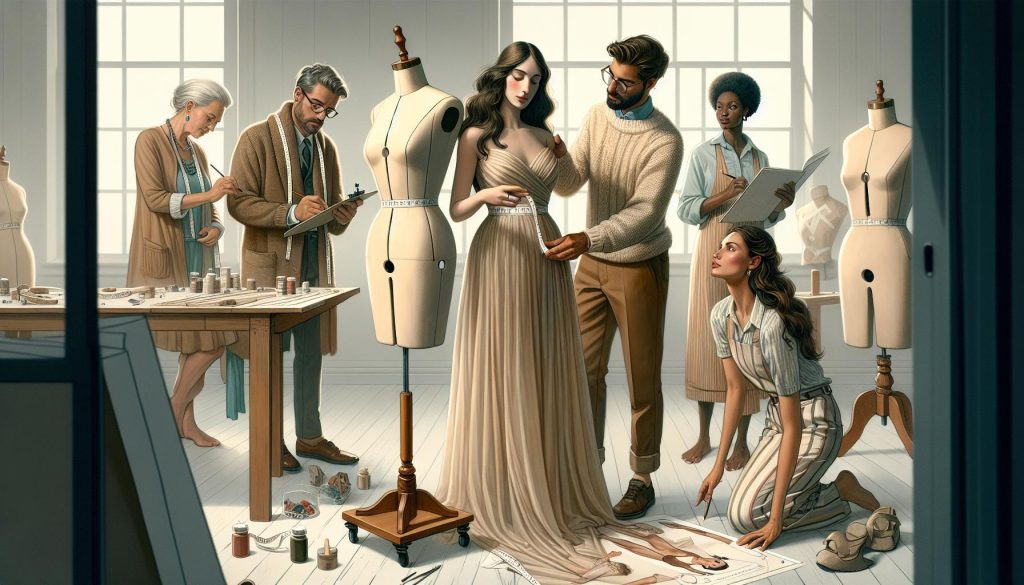
Choosing the right dress form can transform your sewing experience, helping you achieve the perfect fit every time. Did you know that the wrong dress form can lead to unnecessary alterations and frustration? Whether you’re a seasoned seamstress or a beginner, understanding how to select a dress form tailored to your body measurements is essential. This guide not only walks you through the key factors to consider, but it also addresses common concerns like size, shape, and material. By the end, you’ll feel confident in your choice, ensuring your creations fit as beautifully as they look. Let’s dive in and uncover the secrets to finding your perfect fit!
Understanding Dress Forms: What They Are and Why You Need One
Every serious crafter or fashion enthusiast knows that a dress form is not just a tool-it’s a creative companion. These invaluable devices help you visualize your designs in 3D, offering crucial insights into fit and drape before cutting fabric. Whether you’re a beginner or a seasoned professional, understanding what dress forms are and why they’re essential can elevate your sewing game, allowing your creative ideas to come to life seamlessly.
A dress form, also known as a dressmaker’s dummy, mimics the shape of a human body. It’s used to drape fabric, fit garments, and visualize how a finished piece will look and fit on a wearer. This can save you countless hours of alterations later on. Dress forms come in various sizes and styles, tailored to different body types and sewing needs, fostering versatility that caters to your individual fashion projects.
For those wondering if they need one, consider the benefits: improved accuracy in pattern making, the chance to experiment with design without wasting fabric, and the convenience of having a reliable fitting partner at any time. Plus, many dress forms are adjustable, allowing them to accommodate size fluctuations or different styles. By investing in a dress form, you are not only enhancing your craft but also making your sewing process more enjoyable and efficient.
Key Features to Look for in a Dress Form
When choosing a dress form, understanding the key features can significantly influence your crafting experience. Selecting the right dress form means you’ll be equipped with a tool that not only meets your practical needs but also enhances your creativity. Look for features that cater specifically to your sewing goals and body type, ensuring a good fit and versatility.
One of the most crucial aspects to consider is adjustability. Many dress forms offer adjustable features, allowing you to modify the bust, waist, and hip measurements to replicate your own body shape accurately. This flexibility is especially beneficial for those who may fluctuate in size or for creators working with multiple sizes. Look for a form that offers easy adjustments, preferably with a dial or pin system for quick changes.
Another important consideration is the material of the dress form. Forms come in various materials such as foam, cloth, and plastic, each with its unique advantages. A foam dress form, for instance, provides a soft surface that allows you to pin fabric directly onto it without the risk of damaging the material. In contrast, a plastic form is often sturdier and can be more easily cleaned. Choose a material that aligns with your sewing habits and the types of fabrics you’re working with.
Additionally, ensure your dress form has a stable base. A sturdy base is essential to keep the form balanced and prevent it from tipping over while you’re draping or fitting garments. Look for dress forms with a weighted base or a tripod design for maximum stability.
Finally, consider the size range available with each dress form. Many forms are designed to accommodate a specific size range, so if you’re working with a variety of bodies, you might want to invest in a size-adjustable model. It’s also helpful to try out a form, if possible, to see how accommodating it feels for your specific sewing needs.
In summary, when picking a dress form, prioritize adjustability, the right material, a stable base, and ensure it covers the size ranges necessary for your projects. These features will not only enhance your sewing experience but also help achieve professional-looking results easily.
Finding the Right Dress Form Size
When selecting a dress form, size is one of the most critical factors in ensuring a successful sewing experience. An ill-fitting dress form won’t just hinder your workflow; it can lead to frustrating adjustments and end results that fall short of your vision. The right size helps you drape fabric accurately and visualize how the garment will fit, so understanding how to find that ideal fit is essential.
Start by measuring your own body accurately, as this will be your guide when choosing a dress form. Take measurements of the bust, waist, and hips-the most crucial areas for fit. If you’re finding a dress form with fixed sizing, ensure the form closely matches your body dimensions. However, if you’re considering an adjustable dress form, you still want to choose one that can accommodate your measurements without stretching beyond its limits.
To give you a benchmark, here’s a quick breakdown of standard dress form sizes based on bust measurements:
| Size | Bust (inches) | Waist (inches) | Hip (inches) |
|---|---|---|---|
| Small | 32-34 | 24-26 | 34-36 |
| Medium | 36-38 | 28-30 | 38-40 |
| Large | 40-42 | 32-34 | 42-44 |
| Plus Size | 44-46+ | 36-38+ | 46-48+ |
If you’re working with a variety of sizes in your projects, consider investing in an adjustable model. These dress forms typically come with mechanisms such as dials or measurement sliders that allow you to change the dimensions to suit different body shapes easily. Be sure to check the range of adjustments to ensure it will meet your needs as you create for friends, family, or clients of varying sizes.
In summary, finding the right size involves knowing your measurements and understanding how they relate to the dress forms available. Use your body measurements as a baseline to determine if a dress form meets your fitting needs, and opt for adjustability if flexibility is a significant concern. Focusing on fit not only enhances your sewing process but also helps you produce garments that truly reflect your artistic vision.
Adjustable vs. Fixed: Which Dress Form is Best?
When deciding between adjustable and fixed dress forms, understanding your specific sewing needs is crucial. This decision could profoundly affect your sewing experience and the final outcome of your garments. Fixed dress forms typically offer a solid structure that replicates a specific body type, which can be invaluable for those who consistently sew for themselves or a specific individual. If your body measurements align closely with one of these fixed sizes, a traditional dress form can provide a reliable and stable platform for draping and fitting.
On the other hand, adjustable dress forms are ideal for sewers who work with a variety of body shapes and sizes. These models often come equipped with dials or sliders that allow for easy adjustments to the bust, waist, and hip measurements. This versatility means you can easily refine the dress form to accommodate different clients or personal projects. For someone who enjoys creating garments for friends, family, or even clients of varying sizes, an adjustable dress form may prove indispensable, allowing for fluid modifications as needed.
Consider the trade-offs as well. Fixed forms can be more affordable and provide a sleek appearance, often closer to professional dress forms used in the industry. However, they lack the flexibility to adapt to changes in size. Adjustable forms, while possibly requiring a higher investment, empower you to create a wider range of designs without the hassle of seeking additional forms for different sizes.
In summary, if your sewing projects are primarily for yourself or a single size, a fixed dress form could be an excellent choice. If your work involves diverse sizes, an adjustable model will offer the adaptability you need. Ultimately, the best choice aligns with your goals as a sewist-whether that’s to perfect a specific fit or to explore a variety of styles across multiple body shapes.
Choosing the Right Material for Your Dress Form
When selecting a dress form, the material it’s made from can significantly impact your sewing experience and the quality of your finished garments. Different materials offer unique benefits and drawbacks, which can affect how you use the form and the results you achieve.
Fabrics and coverings vary widely, ranging from simple cotton covers to padded and tailored exterior fabrics. A commonly used material for dress forms is foam or vinyl, which can provide a smooth surface that allows fabric to glide easily when draping. These materials tend to replicate the feel and texture of clothing, making them beneficial for visualizing the final appearance of your designs. On the other hand, fabric-covered forms, often made of cotton or linen, can be better for marking and pinning. They allow for easy fabric attachment, which is essential when draping fitted garments.
An important aspect to consider is whether you need a dress form that withstands the demands of heavier fabrics, such as denim or canvas. In such cases, look for forms with a sturdy construction that can support the weight without distorting. Some dress forms are designed with birch wood or metal bases, providing stability and durability. Ensure that the dress form material complements the stage of your sewing project; a lightweight fabric form may be best for delicate fabrics, while a sturdier body is ideal for heavy-duty sewing tasks.
Lastly, take into account how easy the dress form is to care for. For instance, certain materials may require special cleaning methods or cannot withstand exposure to moisture. Choosing the right material not only influences the usability of the dress form but also your sewing satisfaction in the long run. By considering these factors, you can select a dress form that perfectly aligns with your crafting needs, ensuring that every project is a success.
How to Accurately Measure Your Body for the Perfect Fit
To ensure your dress form provides the best fit for your sewing projects, starting with accurate body measurements is essential. Understanding how to measure yourself correctly will not only help you choose or adjust your dress form but will also make your sewing experience more enjoyable and successful.
Begin by gathering your measuring tools: a soft measuring tape and a notebook for recording measurements. It’s a good idea to wear form-fitting clothing or undergarments for the most accurate results. Here are the key measurements you’ll want to take:
- Bust: Measure around the fullest part of your bust, keeping the tape level across your back and under your arms. Make sure you don’t pull the tape too tight; a comfortable fit is crucial.
- Waist: Find your natural waistline, which is usually just above your belly button. Wrap the measuring tape snugly around your waist but not so tight that it compresses your skin.
- Hips: Measure around the widest part of your hips, typically about 8 inches below your waist. This measurement is especially important for fitted garments.
- Back Width: To determine how wide your dress form should be, measure from one shoulder seam to the other. This measurement helps in achieving a balanced silhouette.
- Length Measurements: Depending on your project, take note of the length from your shoulder to waist and from your waist to hip. These dimensions are essential for creating well-proportioned garments.
It’s also beneficial to take a few extra measurements based on your specific body shape or any design preferences you have. For instance, the distance from your waist to your knee can help you design skirts or dresses that hit at flattering lengths. When recording your measurements, be consistent; use similar tension on the measuring tape each time and round to the nearest quarter of an inch for simplicity.
Finally, when you’ve gathered your measurements, compare them with the size chart of the dress form you’re considering. If possible, choose a dress form that allows for some adjustment to accommodate future designs or fits. Keeping accurate body measurements will not only help you select the right dress form but will also enhance your overall sewing experience. Remember, a well-fitted dress form is like having an invisible assistant, ready to help you bring your creative visions to life!
Budget-Friendly Dress Form Options for Every Crafter
When starting out in sewing, investing in a dress form can seem overwhelming, especially if you’re working with a tight budget. Fortunately, there are plenty of cost-effective options that cater to both beginners and experienced crafters alike, ensuring you can find a suitable dress form without breaking the bank. By understanding what to look for and where to find budget-friendly options, you can enhance your sewing experience and create beautifully fitted garments.
One of the most accessible options is to explore adjustable dress forms. These are often made with a range of sizes and can be customized to fit your measurements precisely. Look for brands like Dritz or Singer, which offer affordable models typically priced between $50 to $80. These forms are not only great for beginners but also adaptable for any future changes in your sewing projects.
If you’re feeling crafty, consider making your own dress form using materials like duct tape or foam. This DIY approach involves wrapping your body with duct tape to create a mold that can be filled with padding or newspaper. Not only is this method budget-friendly, but it also allows you to create a form that perfectly matches your unique body shape, which is particularly beneficial for custom fitting.
Check local thrift stores or online marketplaces like Craigslist or Facebook Marketplace for second-hand dress forms. Many crafters sell or donate their used forms as they upgrade to more advanced versions. You might find great deals, sometimes even under $20, making this a fantastic way to score a functional piece of equipment for your sewing room.
In summary, there are many budget-friendly dress form options available that don’t compromise on quality. Whether you choose an adjustable model, embark on a DIY project, or hunt for a second-hand bargain, you can enjoy the benefits of using a dress form without stretching your finances. Happy sewing!
Top Dress Form Brands: Which One is Right for You?
Choosing the right dress form can significantly elevate your sewing game, but with so many brands on the market, it can feel like navigating a maze. Each brand offers unique features that cater to different needs and preferences, so understanding what distinguishes them is essential in making your decision. The right dress form will not only provide you with an excellent fitting guide but will also inspire your creativity in garment design.
Dritz is a well-known name in the sewing community, particularly recognized for its adjustable dress forms. They offer a range of models that can be adjusted to fit various sizes, making them ideal for those who may experience changes in body shape or size frequently. Their user-friendly designs often come with easy-to-read measurements that help simplify the fitting process. If you’re just starting or on a budget, Dritz forms are typically priced between $50 to $80, striking a balance between affordability and quality.
Another solid option is Singer. While they are primarily known for sewing machines, their line of dress forms brings a sturdier option to the table. Singer dress forms often feature a heavier base, providing stability when showcasing heavier fabrics. They also come in fixed sizes, which can be perfect for sewists who know their measurements and want a reliable reference point that won’t change.
For those with unique body shapes, My Double provides customizable dress forms, allowing you to create a form that mirrors your exact measurements. This is a fantastic investment for people who want precision in their fittings, especially when crafting tailored pieces. Their forms are more expensive, but the custom fit can be a game changer for serious sewists.
Consider looking into Alva Form if you’re seeking something that combines aesthetics with functionality. Their dress forms often come with a stylish design and high-quality padding that makes them not just practical but also visually appealing in a sewing room. They cater to both regular and plus sizes, offering a wider range of adjustable sizes than many other brands.
In your search for the perfect dress form, you may also want to explore options on second-hand platforms or local craft swaps, as mentioned earlier. Sometimes, you can find higher-end brands at a fraction of their retail price, giving you the chance to own a quality product without straining your budget.
Ultimately, the right dress form for you will depend on your specific needs, budget, and sewing ambitions. Assess what features are most important to you-be it adjustability, sturdiness, or customizability-and choose accordingly. Remember, investing in a quality dress form is investing in your skills as a sewist, making it a vital tool for achieving professional-looking garments.
Custom Dress Forms: Are They Worth the Investment?
Investing in a custom dress form can be a game changer for anyone serious about sewing, especially if you frequently create tailored pieces or complex designs. Unlike standard dress forms, which come in fixed sizes, custom models are shaped to match your unique measurements. This results in significantly improved fitting accuracy and allows you to see how the garments you create will drape and fit on your actual body, enhancing both your confidence and creativity.
One of the main advantages of a custom dress form is the ability to replicate your body’s proportions accurately. This means that alterations-whether for size or style-can be done much more effectively. For example, if you’re crafting a fitted dress, having a form that mirrors your exact bust, waist, and hip measurements can help avoid the common pitfalls associated with adjustments, saving you time and fabric. Many sewists report that using a customized dress form leads to fewer muslin fittings, which can be both costly and time-consuming.
While the initial cost of a custom dress form might seem daunting-often ranging from $150 to several hundred dollars-it can pay off in the long run. The precision it offers may eliminate the frustrations of ill-fitting garments, which could otherwise lead to waste and dissatisfaction. Additionally, many brands offer options for creating your custom dress form using a simple online process where you provide measurements or even use a fitting kit, making it accessible and straightforward.
It’s important to consider your sewing habits and goals when determining if a custom dress form is worth the investment for you. If you regularly sew complex garments or find that existing forms don’t suit your measurements, a custom form could be a valuable asset. However, for beginners or those who primarily work with simple projects, a more affordable adjustable or fixed form may suffice while you refine your skills. Ultimately, the decision should align with your sewing ambitions and how much you value fit and precision in your creations.
Tips for Using Your Dress Form Effectively
Using a dress form may seem straightforward, but there are nuances that can significantly enhance your sewing journey. To get the best fit and maximize utility from your dress form, a few essential tips can transform how you approach garment construction.
First and foremost, secure your dress form to a stable surface. Whether you’re using a tripod base or fastening it to a work table, stability is key to ensure accurate draping and adjustments. You don’t want your dress form wobbling while you pin or fit your fabrics-this can lead to miscalculations and frustration.
Drape your fabric carefully. Start by placing the fabric on the dress form as if it were a finished garment. Use pins to hold the fabric in place, ensuring it mirrors how it would hang on a body. This step is crucial for understanding how the fabric behaves and falls. Remember to pull the fabric gently but firmly, avoiding any unnecessary stretching that might distort the shape. If you’re working with a particularly slippery material, consider using a basting stitch to keep everything secure while you make adjustments.
It’s also important to frequently check your measurements. While dress forms are designed to encapsulate your sizes, they can drift out of alignment, especially if you’ve adjusted it multiple times. Periodically measuring critical points such as bust, waist, and hip can help you ensure that your adjustments remain precise and prevent any unwanted surprises when you try the garment on later.
Lastly, focus on adjusting the dress form to reflect real body shape and posture. Many dress forms come with adjustable features, allowing you to tweak bust, waist, and hip measurements. Additionally, consider applying some padding in areas where adjustments are needed. You can add foam, fabric, or even tape to mimic any variations in your body. This customization is particularly helpful in achieving a more accurate fit, especially with fitted designs.
By following these practical tips, you’ll not only enhance the accuracy of your garment construction but also enjoy the creative process more. Embrace the potential of your dress form as a trusted partner in your sewing projects!
Common Mistakes When Picking a Dress Form and How to Avoid Them
Choosing the right dress form is a critical step for any sewing enthusiast, yet many often stumble into common pitfalls during the selection process. One prevalent mistake is selecting a dress form based solely on aesthetics or price rather than functionality and fit. A beautiful dress form may catch your eye, but if it’s not suited to your specific body shape and dimensions, it will likely lead to frustration down the line. Remember, the goal is to replicate your proportions accurately so you can design and create garments that fit well.
A frequent oversight is not measuring yourself accurately before purchasing a dress form. To avoid this, take the time to measure your bust, waist, and hips-preferably with a soft measuring tape-and compare these dimensions against the dress form’s specifications. Some dress forms also include adjustable features, which can be beneficial, but ensure that these adjustments cover your specific needs. Test it out if possible; many retailers allow you to try before you buy, giving you a better sense of whether the form meets your requirements.
Another mistake often made is opting for a fixed-size dress form instead of an adjustable one, especially for beginners. While fixed forms can be cheaper, they limit your ability to adapt as your sewing skills grow and your body shape changes. An adjustable dress form might come at a higher initial investment, but it provides long-term value by accommodating various styles and fit adjustments over time.
Finally, many crafters overlook the importance of material when selecting a dress form. While a hard surface might seem durable, it can inhibit the draping process. For better pinning and fabric handling, look for dress forms covered with a fabric surface or foam that holds pins securely and allows for more realistic fittings. This consideration can significantly enhance your sewing experience and outcome. By paying attention to these details, you can choose a dress form that will be a reliable partner in your sewing projects, making the journey not just easier but more enjoyable as well.
Caring for Your Dress Form: Maintenance Tips for Longevity
To keep your dress form in top shape, regular maintenance is key. A well-cared-for dress form not only extends its lifespan but also enhances your sewing experience. Here are some practical tips to ensure your dress form remains a reliable companion in your crafting journey.
One of the simplest yet most effective maintenance tasks is keeping your dress form clean. Dust and debris can accumulate over time, so use a lint roller or a soft brush to remove particles from the fabric surface. For more stubborn stains, a damp cloth with mild soap can help-just make sure not to saturate the form, especially if it has foam padding.
Store Your Dress Form Properly
When not in use, store your dress form in a dry place away from direct sunlight, which can fade its surface and damage materials. If your dress form is adjustable, ensure it’s properly secured to prevent accidental adjustments that can change its shape. For added protection, consider covering it with a breathable cloth to keep dust at bay and maintain its aesthetic.
Monitoring Adjustments
If your dress form features adjustable components, take some time to check these mechanisms regularly. Ensure they are functioning smoothly and that the adjustments still align with your body measurements. Addressing these small issues early on can save you from frustration later, especially when you’re in the middle of a project.
In summary, maintaining your dress form is essential for longevity and optimal performance. Regular cleaning, proper storage, and monitoring adjustments will keep it in excellent condition and ready for all your sewing adventures. By caring for your dress form, you’re investing in countless successful sewing projects to come.
Frequently asked questions
Q: How do I choose the right dress form for sewing?
A: To choose the right dress form, measure your bust, waist, and hips, then compare these measurements to the size chart of the dress forms you consider. Look for additional features like adjustable sides or multi-size options that accommodate different patterns and styles. Refer to the “Finding the Right Dress Form Size” section of the article for detailed guidance.
Q: What are the benefits of using an adjustable dress form?
A: An adjustable dress form allows you to customize the fit to your own measurements, making it versatile for different projects. This ensures a better fit for various sewing patterns, saving time on alterations. For more insights, check out the “Adjustable vs. Fixed: Which Dress Form is Best?” section of the article.
Q: Can I make my own dress form at home?
A: Yes, you can create a DIY dress form using materials like duct tape or paper mache. This custom form will match your unique body shape closely. Look into the article’s specifics on “Common Mistakes When Picking a Dress Form and How to Avoid Them” for tips on leveraging homemade options.
Q: What materials are best for dress forms?
A: The best materials for dress forms are padded fabric covers for ease of pinning and lightweight mannequins for stability. A foam or plastic base provides durability. Check the “Choosing the Right Material for Your Dress Form” section in the article for further detail.
Q: Why do some dress forms have a linen cover?
A: Linen-covered dress forms provide a good surface for pinning and draping because they hold pins securely and are easy to mark. These attributes make them ideal for detailed sewing projects. Explore the “Key Features to Look for in a Dress Form” section to learn more.
Q: How often should I check my dress form’s fit?
A: You should check your dress form’s fit periodically, especially if your body measurements change or if you’re working on different styles. Regular adjustments can ensure accuracy and better outcomes in your sewing projects. For further details, visit the “Tips for Using Your Dress Form Effectively” section.
Q: What should I avoid when selecting a dress form?
A: Avoid choosing a dress form that doesn’t reflect your body measurements, as it complicates the fitting process. Also, steer clear of low-quality materials that won’t stand up to wear and tear. See the “Common Mistakes When Picking a Dress Form and How to Avoid Them” section for more insights.
Q: Are custom dress forms worth the investment?
A: Custom dress forms can be well worth the investment if you frequently sew complex designs or require precise fits. They provide a tailored option that can help enhance your sewing experience. To weigh the pros and cons, check the “Custom Dress Forms: Are They Worth the Investment?” section in the article.
Insights and Conclusions
Now that you’re equipped with the knowledge to choose the perfect dress form, it’s time to take action! Remember, picking the right dress form can transform your sewing experience and ensure a flawless fit every time. Don’t hesitate-dive into our related articles on sewing tips for beginners, or explore our guide on fabric types to enhance your skills further.
If you’re still unsure which dress form to buy, consider signing up for our newsletter for exclusive reviews and recommendations tailored just for you. Join our community of sewing enthusiasts who share their insights and experiences! Your perfect fit is just a choice away, so take the leap and start creating with confidence today.
Feel free to leave a comment below if you have questions or need more advice on your sewing journey. Your feedback not only helps us improve but also fosters a supportive environment for fellow crafters. Happy sewing!
Get our latest guides, news, and insights highlighted in your Google Search & AI Overviews.