
Choosing the right dress shoes can elevate your professional look in an instant, making the difference between a polished appearance and a missed opportunity. With so many styles, colors, and materials available, it can feel overwhelming to find the perfect pair that complements your outfit and fits comfortably. Whether you’re heading to an important meeting, a job interview, or a special event, the right shoes not only reflect your personal style but also boost your confidence. In this guide, we’ll explore essential tips and straightforward advice to help you navigate the world of dress shoes with ease, ensuring you step out in style and comfort. Let’s unlock the secrets to finding your perfect pair, so you can put your best foot forward with confidence.
Understanding the Importance of Dress Shoes
The right pair of dress shoes can define your professional presence, influence first impressions, and elevate your overall look. Whether you’re stepping into a boardroom, attending a wedding, or heading to an important dinner, footwear is not just an accessory but a statement of your style and professionalism. Dress shoes contribute to a polished appearance, showing attention to detail and respect for the occasion. They can convey confidence and authority, helping you command the room and feel more self-assured.
When selecting dress shoes, consider their impact on your posture and gait. Well-designed shoes promote better alignment and provide support, which is essential for comfort during long hours on your feet. Poorly fitting shoes can lead to discomfort and distraction, ultimately affecting performance in crucial situations. It’s important to remember that the right dress shoes are not merely about aesthetics-they also contribute to your overall wellbeing and make a significant difference in how you feel throughout your day.
Additionally, consider the versatility of your dress shoes. Opting for neutral colors like black, brown, or navy allows you to pair them seamlessly with various outfits, from formal suits to tailored chinos. Investing in quality dress shoes is an investment in your professional wardrobe; they should last for years if well cared for, enhancing your style while saving you money in the long run. Remember, every time you step out in polished shoes, you are not just walking; you are making a lasting impression.
Key Factors to Consider When Choosing Dress Shoes
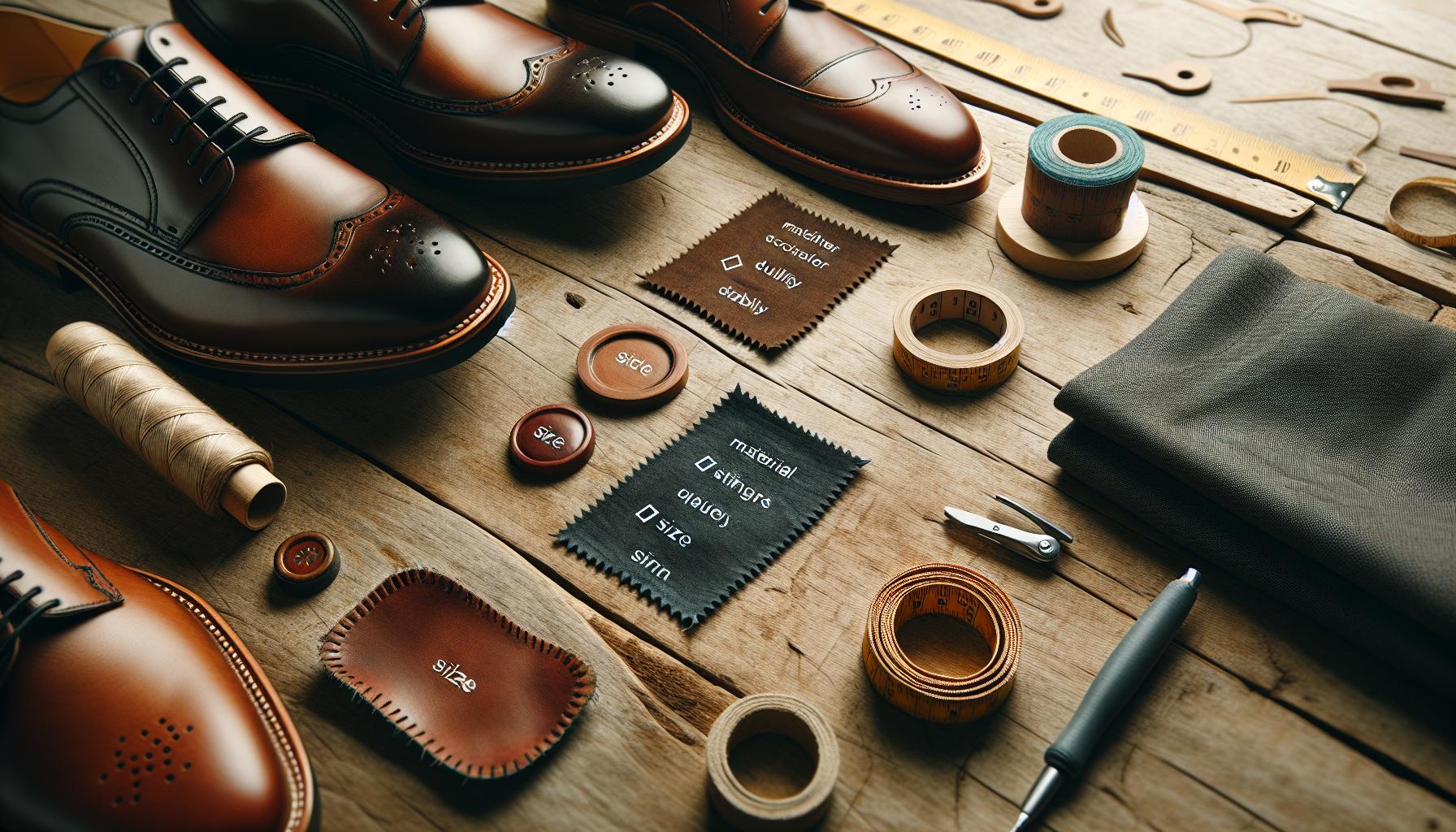
Choosing the right dress shoes is an essential part of curating a polished and professional wardrobe. It’s not just about aesthetics; the factors you consider can significantly impact your comfort, confidence, and overall presentation. When selecting your next pair, pay attention to these key considerations that can help elevate your style with ease.
First, think about the occasion for which you need the shoes. Are you dressing up for a formal event, or do you need something versatile for everyday business attire? Understanding the setting will guide your choice in style, color, and material. For instance, leather shoes often represent elegance and formality, making them ideal for events like weddings or business meetings, while suede may offer a more relaxed, yet still polished, look for casual Fridays or networking events.
Next, don’t underestimate the importance of fit. Ill-fitting shoes can lead to discomfort and posture issues. When you try on shoes, ensure there’s enough room in the toe box (about a thumb’s width of space) and that the shoes securely hug the heel without constant slipping. Remember, you might need to factor in the socks you usually wear, as heavier or thicker socks will take up more space. It’s wise to test your shoes by walking around the store to get a feel for their comfort level.
Another factor is the material of the dress shoes. Leather is a classic choice that offers durability and can develop a beautiful patina over time. However, synthetic materials may offer better breathability and are typically easier to clean. Consider the climate in which you’ll be wearing the shoes; breathable materials are essential in warmer seasons, while insulated options might be beneficial in colder months.
Lastly, consider your budget. While investing in quality dress shoes is important, set a financial limit that reflects your needs. Quality shoes can be a bit of a splurge, but they typically pay off in durability and comfort. Look for value through brands known for their craftsmanship or consider sales and outlet stores for more affordable options without sacrificing quality.
By keeping these factors in mind-occasion, fit, material, and budget-you’ll be well on your way to selecting dress shoes that not only complement your outfits but also support your lifestyle and personal style. Remember, the right shoes can enhance your confidence and help you make a strong statement wherever you go.
Different Dress Shoe Styles Explained
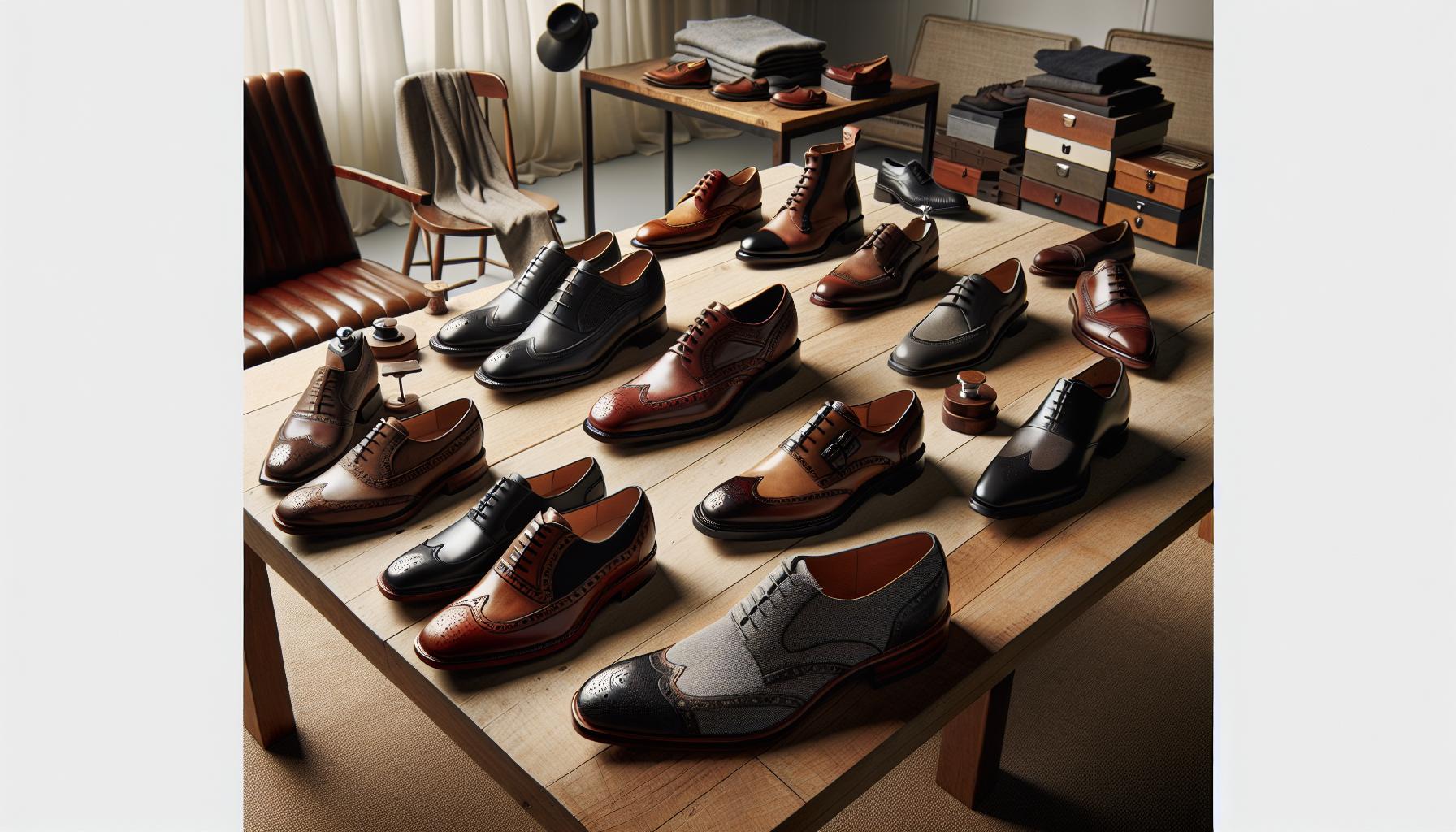
Understanding the diverse styles of dress shoes is crucial for anyone looking to elevate their wardrobe. Each type serves a distinct purpose and complements different outfits, making it easier to achieve that professional polish in minutes.
Start with Oxfords, often regarded as the quintessential formal shoe. Characterized by their closed lacing system, they offer a sleek and sophisticated appearance, ideal for formal events, business meetings, or weddings. Oxfords typically come in various leathers and colors, with classic black being the go-to for high-formality occasions.
In contrast, Derby shoes feature an open lacing structure, providing a more casual and relaxed vibe compared to Oxfords. This makes them versatile enough for both business casual settings and semi-formal events. They can be made from leather or suede and often incorporate accents like broguing (decorative perforations), adding a touch of uniqueness to your ensemble.
If you’re aiming for something more relaxed yet stylish, consider Loafers. These slip-on shoes come in various styles, such as penny loafers and tassel loafers, making them perfect for casual Fridays or summer gatherings. They blend comfort with sophistication and can easily transition from work to social events without missing a beat.
For a more contemporary option, Monk straps are gaining popularity. Featuring one or two straps instead of laces, these shoes provide a modern twist on traditional dress footwear. They work well in both formal settings and smart-casual outfits, making them a clever addition to any wardrobe.
Finally, think about Chelsea boots, a trendy alternative that can elevate your style while remaining practical. With their sleek silhouette and elastic side panels, they offer a sophisticated look that pairs beautifully with both tailored trousers and jeans. Ideal for cooler seasons, Chelsea boots add edge to your ensemble without sacrificing comfort.
By understanding these various styles, you can make informed choices that align with your wardrobe needs and personal style. Each shoe type offers unique advantages, and when chosen correctly, they will enhance your attire and boost your confidence.
How to Match Dress Shoes with Your Outfits
Matching your dress shoes with the right outfit can significantly elevate your overall appearance, exuding confidence and professionalism. The key to achieving this stylish balance lies in understanding the occasion, your attire, and how specific shoe styles can enhance or detract from your look.
When dressing for formal events, such as weddings or business meetings, opt for Oxfords or Monk straps. These shoes project an air of sophistication and professionalism that aligns perfectly with tailored suits and dress pants. Stick to darker colors, like black or deep brown, which can complement most formal attire effectively. For a more classic aesthetic, black patent leather Oxfords are a timeless choice to pair with a tuxedo or navy suit.
In contrast, for semi-formal or smart-casual events like dinner outings or casual Fridays at the office, Derby shoes and loafers can offer a stylish flexibility. With their open lace design, Derbies are slightly less formal than Oxfords, allowing for pairing with chinos or even slim-fit jeans. Loafers, particularly in suede or leather, create a laid-back yet polished look. Pair them with tailored shorts in warmer weather, or with trousers that don’t require a full suit jacket.
During the colder months, Chelsea boots can keep you looking sharp while also providing warmth and comfort. They pair effortlessly with both tailored trousers and casual jeans, enhancing any fall or winter look. Choose rich colors like burgundy or tan for an added dimension that still feels sophisticated.
Ultimately, the secret to matching dress shoes successfully lies in ensuring that they harmonize with your outfit’s color scheme and style. Always consider the formality of the event, and let that guide your choice of shoe. Remember, the right pair of shoes not only completes your look but also boosts your confidence and sets the tone for your entire outfit.
Essential Materials for Quality Dress Shoes
The materials used in your dress shoes can make a significant difference in their appearance, comfort, and durability. Understanding these materials not only helps you pick the right pair for your occasions but also guides you in making an investment that lasts. Here are some essential materials commonly found in quality dress shoes and how they impact your footwear experience.
Leather
The gold standard for dress shoes is leather, and for good reason. High-quality leather not only looks sophisticated but also develops a beautiful patina over time. Full-grain leather, which is the outermost layer of the hide, is generally the most durable and breathable option. Although it requires a bit more care, it will reward you with shoes that mold to your feet for a perfect fit and last for many years. Look for shoes that specify full-grain leather for a combination of luxury and longevity.
Suede
Suede offers a different aesthetic and texture, being softer and more casual than traditional leather. It has a luxurious feel and is often used in loafers and derby shoes. However, it is less water-resistant and more prone to staining, so it’s essential to use a protective spray specifically designed for suede. While it requires a bit more maintenance, a well-cared-for suede shoe can elevate your outfit, making it perfect for semi-formal settings.
Synthetic Materials
Synthetic materials, like faux leather, can also be found in budget-friendly shoes. While they offer a more affordable option, they often lack the breathability and longevity of genuine leather. If you’re looking for something that mimics leather, ensure it has a high-quality finish. Modern synthetics can be quite stylish and easier to clean, making them a decent choice for those who might not wear dress shoes regularly.
Rubber Soles
The sole of a shoe is crucial for both comfort and durability. While leather soles are often preferred for their elegance, rubber soles provide superior traction and shock absorption. They are particularly advantageous during wet conditions and can be found in both casual and formal shoes. If you’re commuting or plan to be on your feet for long periods, consider rubber soles for added comfort without sacrificing too much style.
Key Takeaways
When selecting quality dress shoes, consider the following materials:
- Full-Grain Leather: Long-lasting and stylish, molds to your foot.
- Suede: Soft and luxurious but requires careful maintenance.
- Synthetic: Affordable version of leather, but may lack durability.
- Rubber Soles: Great for comfort and traction, particularly in wet conditions.
By understanding these materials, you can make informed choices that not only meet your style needs but also ensure your shoes can withstand the test of time and trends. Select wisely, and you’ll have a pair (or several) of dress shoes that serve you well on any occasion.
Tips for Measuring Your Feet for the Perfect Fit
To ensure your dress shoes not only enhance your look but also provide comfort, measuring your feet accurately is essential. Many people wear shoes that are either too tight or too loose, leading to discomfort or even foot problems. Measuring your feet correctly can prevent this and help you find the perfect fit.
Start by taking measurements at the end of the day when your feet are at their largest. Stand on a piece of paper and trace the outline of your foot, keeping the pencil upright and close to your foot. It’s best to measure both feet, as one may be larger than the other. Once you have the tracings, use a ruler to measure the length from the heel to the longest toe and the width at the widest part of your foot. Knowing both measurements will give you a clearer idea of your size, as shoe sizes can vary based on width as well.
When selecting dress shoes, pay attention to the sizing charts provided by manufacturers since sizes can differ between brands. For example, if you’re a size 10 in one brand, you may need a size 10.5 in another. Furthermore, consider the type of socks you’ll wear; if you prefer thicker socks, account for that in your measurements. Finally, don’t forget to try on shoes in the store if possible. Walk around to feel how they fit. A well-fitting shoe should feel comfortably snug without pinching or sliding off.
By following these steps, you’ll be equipped to find the right dress shoes that not only look good but also feel great. Your feet will thank you, allowing you to walk with confidence and ease.
The Importance of Comfort and Support in Dress Shoes
Choosing the right dress shoes goes beyond aesthetic appeal; comfort and support are pivotal for your well-being and confidence. Imagine a day filled with meetings, social gatherings, or even just running errands in shoes that pinch or cause aching feet. The reality is that stylish shoes can also be comfortable, and understanding this balance is crucial to making informed purchases.
Proper support is fundamental in maintaining foot health. Look for features such as arch support and cushioning that conform to the contours of your feet. For example, shoes with built-in orthotic insoles can significantly alleviate foot fatigue, while those with rigid soles can lead to discomfort over prolonged wear. Consider brands that focus on ergonomic design, which provides stability, especially for long days where you might be standing or walking frequently.
Another integral aspect is the shoe’s construction; high-quality materials can enhance both comfort and support. Leather, for instance, molds to your feet over time, providing a custom fit. Shoes made from synthetic materials might be lighter, but can sometimes lack the breathability and support leather offers. Make sure to try on various pairs and walk around to feel how they adapt to your feet. Serious foot pain can be a sign that your shoes aren’t delivering the right support.
Ultimately, remember that comfort and style are not mutually exclusive. Investing in a quality pair of dress shoes that prioritize both can enhance your overall experience, whether you’re dressed for success at work or heading to a special event. Treat your feet with the care they deserve; they carry you through life’s many activities.
Quick Polishing Tips for a Professional Look
To maintain a polished appearance, regular polishing of your dress shoes is essential; it not only enhances their appearance but also extends their lifespan. With the right techniques and a little time, you can achieve that professional look in just a few minutes, making a significant difference in your overall style.
To get started, gather your supplies: a soft cloth, shoe polish, a brush, and if you like, some water. Before applying any polish, make sure your shoes are clean. Wipe them down with a damp cloth to remove dirt and dust. Once they’re dry, apply a small amount of shoe polish-preferably a color that matches your shoe-to a soft cloth. Use gentle, circular motions to work the polish into the leather. Focus on one shoe at a time, allowing it to absorb the product completely.
After applying the polish, let your shoes sit for a few minutes. This interval allows the leather to soak in the oils from the polish. Then, take a shoe brush and gently buff the surface in a back-and-forth motion. This step not only brings a shine but also removes any excess polish that could dull the finish. For an extra touch, you can lightly dab the tips of your shoes with some water and buff them again for a mirror-like finish.
For maintenance, aim to polish your dress shoes every few weeks or whenever you notice they are losing their luster. Investing in high-quality shoe polish and taking the time to care for them can save you money in the long run-your shoes will look great and last longer. With just a few minutes of effort, you can keep your dress shoes looking sharp, ensuring you’re always ready for any occasion.
Maintaining and Caring for Your Dress Shoes
To ensure your dress shoes maintain their polished appearance and longevity, adopting a solid care routine is essential. Not only does regular maintenance enhance the aesthetic appeal of your footwear, but it also protects your investment over time. Think of your dress shoes as a part of your personal brand; they should reflect your attention to detail and care.
Start by keeping your shoes clean. Use a soft brush or a damp cloth to remove dirt and dust after each wear. For deeper cleaning, especially if you’ve encountered mud or stains, a specialized leather cleaner is your best friend. Apply it gently with a soft cloth, allowing it to penetrate and lift away grime.
Next, let’s talk about conditioning your shoes. Leather needs moisture to prevent it from drying out and cracking. Every few months, apply a quality leather conditioner to keep the material supple. Choose a product that matches the color of your shoes, and use a clean cloth to rub it in gently. This step will not only nourish the leather but also enhance its natural luster.
Finally, don’t underestimate the importance of storage. Always use shoe trees to help your shoes retain their shape when not in use. Storing them in a cool, dry place away from direct sunlight can also prevent fading and deterioration of the leather. By following these simple yet effective care techniques, your dress shoes will continue to look sharp and ready for any occasion. Regular attention to your footwear translates to an effortless and confident style.
Signs You Need to Replace Your Dress Shoes
Worn-out dress shoes can be more than just an eyesore-they can lead to discomfort and potentially affect your posture. Keeping an eye out for signs that indicate it’s time to replace your dress shoes is crucial for maintaining not only your style but also your overall foot health.
One of the most obvious indicators is the presence of visible wear on the soles. If you can see that your soles are thinning or have worn down unevenly, it’s likely time for a new pair. Additionally, check for cracks in the leather. When the material starts to crack and lose its integrity, it compromises the shoe’s support and looks unprofessional. Another telltale sign is a loss of grip. If you find yourself slipping occasionally, particularly on wet surfaces, it’s time to reevaluate your footwear.
Comfort is equally essential; if your shoes begin to feel less cushioned or supportive, it can be a sign that the inner materials have degraded. Subtle aches or pains after wearing your dress shoes can indicate that they are no longer providing adequate support. Lastly, if you notice that the shoes are no longer polishing up well or that the shine doesn’t last after you clean them, they may be past their prime.
By being proactive and recognizing these signs, you can ensure that your footwear not only looks great but also keeps your feet happy and healthy. Prioritize your comfort and confidence-after all, the right pair of dress shoes can elevate any outfit.
Budgeting for Quality Dress Shoes: What to Know
When investing in quality dress shoes, a little planning can go a long way in making sure you don’t break the bank while still looking sharp. The first step is understanding that quality often outweighs quantity; spending more on a well-crafted pair means you’ll likely save money in the long run due to their increased durability. Aim to allocate a budget that reflects how often you’ll wear them and for what occasions. For example, if you need shoes for daily professional wear, consider setting aside between $100 to $300, where you can find solid options that blend style with comfort.
It’s also crucial to keep an eye out for sales or discounts. Many retailers offer seasonal promotions or clearance sales. Sign up for newsletters or follow brands on social media to stay updated on any upcoming deals. Additionally, consider shopping at outlets or discount stores. High-quality brands often sell last season’s styles at significantly reduced prices, allowing you to snag a great deal without compromising quality.
When budgeting, think about the total cost of ownership. High-quality shoes may require occasional maintenance, such as polishing or resoling, which should be factored into your budget. A good rule of thumb is to set aside about 10-20% of your shoe budget for future upkeep. This investment in care ensures that your shoes last longer and remain looking sharp, thereby maximizing your initial purchase.
Lastly, prioritize versatility when selecting your shoes. Opt for styles and colors that can be easily paired with multiple outfits. Black or brown leather shoes are classic choices that complement various looks. Investing in a versatile pair can reduce the need for multiple purchases, further making your budget go further. Remember, the right pair of dress shoes can elevate any outfit, so spending wisely ensures you not only look good but feel confident too.
By approaching your dress shoe budget strategically, you can balance quality and affordability, making informed choices that align with both your style and your wallet.
Expert Recommendations: Top Dress Shoe Brands
Choosing the right pair of dress shoes can feel daunting, especially with countless brands offering a wide array of styles and features. However, linking up with reputable brands known for quality can simplify your decision-making process. Let’s explore some top dress shoe brands that are not only stylish but also provide the comfort and durability you need for professional occasions.
One standout is Allen Edmonds. This brand is revered for its exquisite craftsmanship, often using premium leathers and Goodyear welt construction, which allows for resoling and enhances longevity. Their styles range from Oxfords to loafers, making them a versatile option for any wardrobe. If you’re looking to invest, the Park Avenue Cap-Toe Oxford is a classic choice that exudes professionalism.
Another excellent choice is Clarks. Known for their comfort-focused designs, Clarks offers a variety of dress shoes that incorporate advanced technology for cushioning and support. Their Tilden Cap Oxford is particularly popular, blending a formal appearance with a cushioned footbed, making it suitable for long days on your feet.
For those who appreciate a more modern twist, Mezlan provides unique dress shoes that often feature vibrant colors and innovative designs while maintaining elegance. The Aldo line by Mezlan, for instance, is perfect for those looking to make a statement at formal events.
Cole Haan is also a go-to for those who value style without sacrificing comfort. With styles infused with Nike Air technology, Cole Haan shoes not only look sleek but feel great. The Original Grand series offers a contemporary look with traditional appeal, ideal for both office wear and after-hours events.
For more budget-conscious shoppers, Steve Madden presents a trendy alternative without compromising style. Though they may not offer the same level of craftsmanship as higher-end brands, they deliver a good balance of fashion-forward looks and decent quality. A popular pick is the Hector Oxford, which provides a polished appearance for less.
When selecting your dress shoes, consider what suits your lifestyle, the occasions you’ll wear them, and, importantly, your budget. Quality brands often last longer and offer better support, making them a worthwhile investment. Remember, even the most stylish shoe won’t serve you well if it isn’t comfortable, so always prioritize a great fit and feel.
FAQ
Q: What are the key factors to consider when choosing dress shoes?
A: When choosing dress shoes, consider comfort, fit, materials, and style. Ensure the shoes match the occasion and your wardrobe. A good fit will enhance comfort, while quality materials like leather ensure durability. For style, choose designs that complement your outfits for a cohesive look.
Q: How do I ensure my dress shoes fit properly?
A: To ensure a proper fit, measure your feet regularly and try shoes on in-store later in the day when your feet are slightly swollen. Walk around to check for pinching or slipping. A well-fitted shoe should have a snug fit without discomfort, with a thumb’s width of space at the toe.
Q: What is the best way to polish dress shoes for a professional look?
A: For a professional polish, start by cleaning your shoes with a damp cloth. Apply a small amount of good-quality shoe cream or polish using a soft cloth, making sure to cover the entire surface. Finish by buffing with a clean cloth for a shine. This quick process can take just minutes!
Q: How often should I polish my dress shoes?
A: Ideally, you should polish your dress shoes every 1-2 weeks, depending on usage. If you wear them daily, a weekly polish will maintain their shine and extend their life. Regular polishing also protects the leather and keeps it looking fresh.
Q: What materials are best for quality dress shoes?
A: Quality dress shoes are typically made from full-grain leather, which is durable and develops a beautiful patina over time. Other materials, like suede, can be stylish but may require more maintenance. Look for shoes with quality linings and soles for added comfort and longevity.
Q: Can I wear brown dress shoes with a black suit?
A: Yes, brown dress shoes can be paired with a black suit, particularly if the shade of brown is dark. This stylish combination adds a modern touch to your outfit. However, ensure the shoes complement your overall look and occasion for the best effect.
Q: What are the signs that I need new dress shoes?
A: You should consider replacing your dress shoes if you notice significant wear on the soles, visible cracks in the leather, or if they no longer provide proper support or comfort. If your shoes cause discomfort or pain, it’s also a clear sign they need to be replaced.
Q: How can I maintain the shape of my dress shoes?
A: To maintain the shape of your dress shoes, use shoe trees when not in use. This helps absorb moisture and keeps them in proper form. Regularly clean and condition the leather to prevent cracking and use a dust bag or box for storage to keep them protected.
The Way Forward
Now that you know how to pick dress shoes and achieve a polished look in just minutes, it’s time to put your newfound knowledge into action! Remember, the right pair of shoes not only enhances your outfit but also boosts your confidence and leaves a lasting impression. Don’t wait any longer-select your perfect pair today!
For more tips on maintaining your shoes, check out our guide on “Shoe Care Essentials” and discover how to keep your footwear in top shape. If you’re ready to explore other styles, visit our “Dressing for Success” section for all the latest trends. And if you found this guide helpful, consider signing up for our newsletter to receive more practical advice directly to your inbox!
Your footwear choices matter; they speak volumes without saying a word. Join the conversation below and let us know your favorite tips or any questions you might have about choosing the right dress shoes. Your perfect pair awaits!