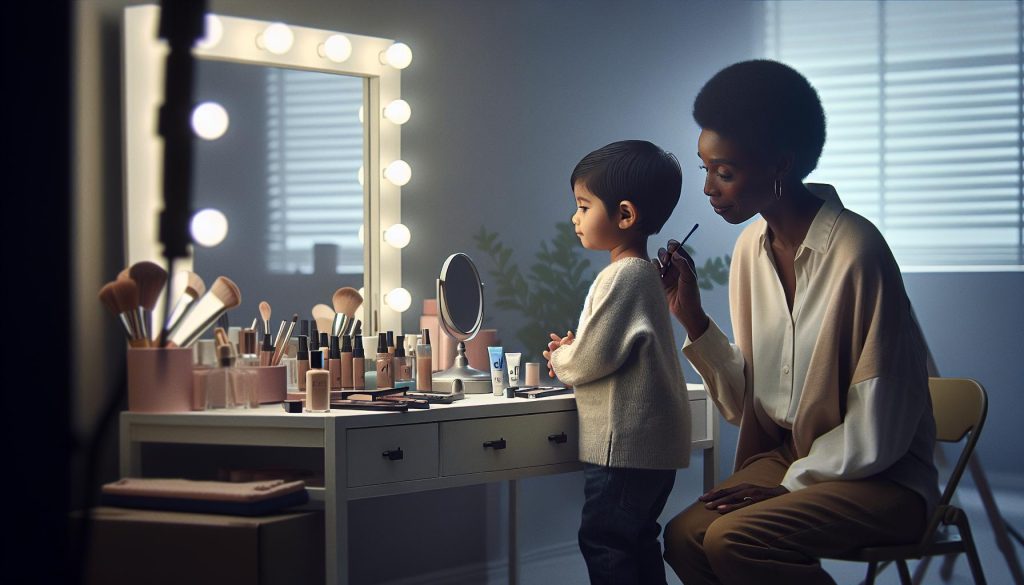
As parents, it’s natural to want the best for our kids, and that includes choosing safe and suitable makeup products for their budding interest in beauty. e.l.f. Cosmetics has captured attention with its affordable pricing and trendy offerings, but the crucial question remains: Is e.l.f. makeup safe for kids? In this article, we’ll dive into the ingredients commonly found in e.l.f. products, examining potential risks like allergies and irritation, to help you make informed choices for your child’s makeup journey. Understanding what you’re putting on their skin is essential, and we’re here to guide you through the analysis and provide a clear verdict on safety, so you can feel confident in your selections. Let’s explore together and ensure your little ones can explore their creativity without compromising their skin health!
Is Elf Makeup Kid-Friendly? Understanding the Basics
Using makeup can be a fun way for kids to express themselves, leading many parents to wonder if products like those from Elf Cosmetics are appropriate for their children. Generally speaking, Elf products are designed with a focus on affordability and accessibility, making them appealing options for budding young makeup enthusiasts. However, what does this mean in terms of safety and suitability for kids?
Most Elf makeup is created with a variety of ingredients that range from synthetic to natural. While Elf emphasizes cruelty-free and often vegan products, the specific suitability for children can depend on individual skin types and sensitivities. Some families find that starting with products marketed as hypoallergenic can lessen the risk of irritation, as these formulations avoid common allergens. It’s essential to evaluate each product, as some may contain fragrances or colorants that can potentially irritate sensitive skin.
To best understand whether Elf makeup is appropriate for your child, take time to examine the labeling. Look for terms like “dermatologically tested” or “non-comedogenic,” which indicate that the products have undergone safety assessments. As with any product, patch testing a small amount on your child’s skin can provide insight into whether they may experience any adverse reactions. Engaging your kids in the discussion about what they want to try will also empower them to make informed choices about their beauty routines.
Key Ingredients in Elf Makeup: What Parents Should Know
Many parents are curious about the key ingredients in Elf makeup to ensure their children are using safe products. Elf Cosmetics prides itself on being cruelty-free and has a commitment to clean beauty, steering clear of over 2,500 harmful ingredients. Their formulations target health-conscious consumers, often highlighting ingredients that are safe for sensitive skin.
Here are some important highlights about Elf’s commitment to ingredient safety:
- Paraben-Free: Elf products do not contain parabens, which are synthetic preservatives often used in cosmetics but can cause skin irritation, especially in younger, more sensitive skin.
- Phthalate-Free: They also omit phthalates, which have been linked to hormonal disruptions and are best avoided in children’s products.
- No Sulfates: Elf’s formulations are sulfate-free, reducing the risk of irritation that some foaming agents can cause.
- Fragrance-Free Options: While some Elf products may contain synthetic fragrances, they offer fragrance-free alternatives that are ideal for sensitive skin.
- Vegan Ingredients: Many of their products are vegan, using plant-derived ingredients rather than animal derivatives, which aligns with a more natural choice for young users.
When exploring Elf makeup, look for products labeled as “hypoallergenic.” These items are crafted to minimize allergic reactions and are typically a safer choice for children. It’s also beneficial to research specific product reviews or ingredient lists as formulations can vary.
Lastly, engaging your child in choosing products based on these criteria helps them understand the importance of ingredient safety while fostering responsibility and awareness about what they apply to their skin.
Are Elf Makeup Products Dermatologically Tested for Kids?
While many parents look to make informed choices about their children’s makeup, one common question arises: Understanding the testing processes and standards associated with these products can help you decide what’s best for your little ones.
Elf Cosmetics is known for its commitment to clean beauty and affordability. However, it’s important to note that not all products are explicitly marketed as dermatologically tested specifically for children. Epidermal sensitivities are often heightened in kids, so products with labels indicating they are “dermatologically tested” usually suggest that they have been reviewed for potential skin irritation or allergic reactions. While Elf has made strides in creating products that avoid many harmful ingredients, their general position does not confirm that all products are specifically tested on children’s skin.
When considering Elf products for your kids, look for those that are labeled hypoallergenic or for sensitive skin. These labels typically mean the formulas have undergone evaluations for skin compatibility and are designed to minimize adverse reactions. Additionally, some Elf items might be suitable for children’s use due to their gentler formulations, such as those that are fragrance-free and free from common allergens.
For peace of mind, it’s best for parents to supervise their children’s use of makeup and perform patch tests when trying new products. Apply a small amount of the product on an inconspicuous area, like the inside of the wrist, and wait 24 hours to see if any reactions occur. This simple step can help ensure a safe experience for your young beauty enthusiasts. By being proactive and informed, you can make opportunities for creativity and confidence in your child’s makeup adventures while prioritizing skin safety.
Potential Allergens in Elf Makeup: Stay Informed
While exploring the world of makeup with kids, understanding potential allergens in products like e.l.f. Cosmetics is essential. Kids have more sensitive skin than adults, making them more vulnerable to irritants and allergens. E.l.f. is relatively affordable and accessible, but it’s crucial to scrutinize ingredients. Even though many e.l.f. products are formulated to be hypoallergenic and marked as suitable for sensitive skin, this doesn’t guarantee they’ll be irritation-free for every child.
When checking e.l.f. products, look for labels that specifically highlight being fragrance-free, dye-free, and paraben-free. These characteristics minimize the likelihood of allergic reactions. Some common allergens to watch for include:
- Preservatives: These ingredients can cause reactions in sensitive skin. Products labeled as preservative-free are safer options.
- Fragrances: Even natural fragrances can lead to irritation. Opt for formulas labeled fragrance-free to be safer.
- Mineral Oils and Waxes: While often benign, these can sometimes clog pores and lead to breakouts.
- Alcohols: Some alcohols can be particularly drying or irritating; seek out products that specify being alcohol-free.
Performing a patch test before full application is a smart practice. Simply apply a small amount of the product on a discreet area of skin and observe for any signs of irritation over 24 hours. This proactive measure helps in making informed decisions and ensures a safer experience with makeup for your children. By staying informed and vigilant, you can help guide your young ones in their beauty adventures while prioritizing their skin’s health.
Natural vs. Synthetic Ingredients: Which is Safer for Kids?
When navigating the world of cosmetics for children, the choice between natural and synthetic ingredients can be particularly confusing for parents. Many products tout the benefits of being natural, but it’s vital to recognize that “natural” does not always equate to being safer, especially for sensitive skin. For instance, certain natural ingredients can cause allergies or irritations in susceptible individuals, including children. Conversely, synthetic ingredients are not inherently harmful; many are designed to minimize allergic reactions while providing effective results.
Understanding the different types of ingredients can help you make informed choices. Natural ingredients, like plant extracts and minerals, are often perceived as gentler on the skin. Yet, they can still cause allergic reactions, especially in sensitive individuals. Examples include essential oils for fragrance, which, although alluring, can lead to skin reactions in some kids. In contrast, many synthetic ingredients are formulated to be hypoallergenic and can be rigorously tested to ensure safety and efficacy.
Here are some key points to consider:
- Sensitivity: Children’s skin is generally more sensitive than adults’, so products that are hypoallergenic and free from common irritants (like sulfates and parabens) are preferable, no matter the origin of the ingredients.
- Ingredient Transparency: It’s crucial to read product labels carefully. E.l.f. products are often highlighted as being free from over 2,500 ingredients deemed harmful, such as parabens and phthalates, which is a positive indication of their safety standards [2].
- Patch Testing: Always perform a patch test when introducing new products to a child’s skincare routine. This simple step involves applying a small amount of the product on a discreet area of skin and monitoring for any reactions over a 24-hour period.
In essence, the decision of whether to choose natural or synthetic makeup should be based on individual ingredient safety and how the products perform on your child’s skin. While both options can provide a safe and enjoyable makeup experience, educating yourself about the ingredients helps ensure that your child can express creativity while protecting their delicate skin. Choosing cosmetics from brands committed to safety and transparency, like E.l.f., can offer peace of mind in your purchasing decisions.
Examining Elf Makeup Product Labels: A Step-by-Step Guide
Understanding the product labels of e.l.f. makeup can empower you as a parent to make informed choices about what your child applies to their skin. When tackling makeup for kids, finding products that are safe, gentle, and effective is crucial. To ensure e.l.f. products meet these expectations, follow this straightforward guide to scrutinizing product labels.
Begin by looking for keywords that indicate safety and gentleness. Seek out phrases like “hypoallergenic,” “dermatologist-tested,” and “allergy-tested.” e.l.f. Cosmetics is known for omitting over 2,500 harmful ingredients, including parabens and phthalates, which enhances its suitability for children’s sensitive skin [[1]]. Always choose products labeled as “fragrance-free” to reduce the risk of irritation, especially since artificial fragrances can trigger allergies or reactions.
Next, familiarize yourself with the specific ingredients. Prioritize products that clearly list natural or organic ingredients alongside their synthetic counterparts. For instance, natural ingredients like coconut oil and shea butter are excellent for hydration and nourishment, while synthetic elements should be vetted for safety, such as being free from harmful chemicals. Utilizing websites like SkinSAFE can provide additional insights into ingredient safety ratings for e.l.f. products [[2]].
Lastly, take note of any warnings or usage instructions. Products designed for children often have specific recommendations regarding age appropriateness, application methods, and potential allergens. If a product does contain common allergens-like nuts or gluten-this will typically be noted on the label or provided in the product description. Engaging with your child about these aspects can foster a sense of responsibility and awareness regarding their choices.
In summary, examining e.l.f. makeup product labels entails looking for safety indicators, understanding the ingredient list, and paying attention to usage information. With these practices, you can confidently select products that allow your child to enjoy makeup while maintaining healthy skin.
How to Choose Safe Makeup for Kids: Expert Recommendations
Choosing the right makeup for kids can feel daunting, especially when considering their delicate skin and potential allergies. When it comes to e.l.f. Cosmetics, many parents appreciate the budget-friendly options that don’t compromise on quality. The key is to be savvy about ingredient selection and label reading.
Start by looking for products specifically marketed as “kid-friendly.” Generally, these formulations are lighter and often contain fewer harsh chemicals. Look for labels that highlight safety standards such as “hypoallergenic” and “dermatologist-tested.” e.l.f. is known for avoiding over 2,500 harmful ingredients, making it a strong contender for parents seeking safer makeup options for children.
Next, consider the composition of the products. Aim for those with natural ingredients, like coconut oil and shea butter, which can provide hydration and nourishment without the potential irritants that synthetic chemicals can pose. For added assurance, refer to online resources such as SkinSAFE, which can help assess the safety ratings of e.l.f. products based on specific needs and allergies.
Additionally, it’s crucial to understand any potential allergens that might be present in the formulations. Always check the ingredient list for common allergens like nuts or gluten, which can be especially problematic for sensitive skin. Engaging your child in this process not only helps them learn about what they put on their skin but also cultivates an early sense of responsibility regarding personal care.
In summary, empower your child with safe makeup choices by focusing on gentle ingredients, being mindful of allergens, and taking advantage of resources that can guide your selections. With e.l.f. Cosmetics, you can feel confident in your choices, allowing your child to explore their creativity safely.
Comparing Elf Makeup to Other Kid-Friendly Brands
When it comes to choosing makeup for kids, comparing brands is essential to identifying safe and effective options. e.l.f. Cosmetics stands out as a budget-friendly choice with a commitment to avoiding harmful ingredients, but how does it stack up against other kid-friendly brands?
Let’s examine the similarities and differences with a few other popular options. BareMinerals offers a clean beauty line that is mineral-based and often recommended for sensitive skin. Their products are typically free from synthetic fragrances and irritants, making them a suitable alternative for young users seeking gentle formulas. Tarte Cosmetics also boasts a strong “clean” message. Their products feature natural ingredients, but some formulations may include more intensive coverage options, which might not align with the lighter applications preferred for kids.
In contrast, brands like Little Cosmetics and Piggy Paint specialize exclusively in kid-friendly makeup. Little Cosmetics provides a variety of non-toxic makeup designed specifically for children, with lighter pigments and fun packaging that appeals to younger users. Similarly, Piggy Paint emphasizes its natural, water-based formulas, ensuring safety and ease of removal, which is particularly advantageous for more sensitive skin.
Here are some key points to consider when weighing e.l.f. against other brands:
- Ingredients: e.l.f. avoids over 2,500 harmful substances, while brands like BareMinerals and Tarte focus on clean ingredients but may have some products with heavier formulations.
- Target Audience: e.l.f. caters to a broader audience, whereas Little Cosmetics and Piggy Paint are exclusive to kids, which often means more gentler formulations appropriate for delicate skin.
- Cost: e.l.f. is highly budget-friendly, while options like BareMinerals and Tarte tend to be more expensive, which may be a consideration for families budget-conscious about makeup purchases.
- Performance: e.l.f. products are known for their effective performance, but for a more playful and less intense makeup experience, kids might enjoy the whimsical options from brands specializing in children’s makeup.
Ultimately, the choice of makeup brand will depend on individual preferences, skin sensitivities, and what parents feel comfortable allowing their children to use. If e.l.f. aligns well with your safety criteria, it offers an excellent balance of fun and affordability that can encourage creativity in young beauty enthusiasts. Each brand has its strengths, so finding the right fit comes down to understanding the specific needs of your child.
Tips for Teaching Kids Safe Makeup Application
Teaching kids the art of makeup application can be a delightful bonding experience, but it’s essential to approach it with care and safety in mind. By instilling good habits early on, you’ll ensure your young ones enjoy the process without compromising their skin’s health. Here are some practical tips to guide you through teaching safe makeup application.
Start by emphasizing hygiene. Before touching any makeup products, ensure that hands are clean-washing with soap and water for at least 20 seconds is a good rule. Not only does this habit prevent the transfer of dirt and bacteria onto their skin, but it also sets a positive example for maintaining skincare routines. Teach kids to store their makeup in a clean, dry place, and avoid sharing products to reduce the risk of irritation or allergies.
Next, guide them on how to apply makeup with gentle motions. For instance, show them how to use an applicator or their fingers to apply a small amount of product-like a dime-sized amount of foundation or cream-using soft, circular motions. Explain that less is more, especially for young skin, which often benefits from lighter applications. This helps maintain a natural look while still allowing them to explore their creativity.
Additionally, discuss the importance of choosing the right products. Encourage them to help select hypoallergenic and non-toxic options, like those from e.l.f. Cosmetics, which avoid common irritants and are designed with skin safety in mind. Involve them in checking product labels for any potential allergens, such as fragrances or preservatives, that can cause reactions. This not only builds their awareness but also empowers them to make informed choices.
Finally, keep an eye out for signs of irritation. Explain symptoms like redness or itching and encourage them to speak up if they experience discomfort. Remind them that makeup should never cause pain, and it’s perfectly fine to remove it if something doesn’t feel right.
By creating a fun, educational environment for makeup application, not only will you foster creativity but also instill essential habits that prioritize skin health-setting the stage for a lifetime of safe beauty practices.
Signs of Irritation: What to Watch for When Kids Use Makeup
When introducing kids to makeup, it’s essential to be vigilant about potential signs of irritation. Kids often have sensitive skin, and the makeup they use might not agree with them. The key symptoms to watch for include redness, swelling, itching, or a burning sensation. If any of these occur, it’s important to take action right away.
The first thing to do is to remove the makeup gently using a fragrance-free makeup remover or simply warm water with a soft cloth. Avoid scrubbing the skin, as this can exacerbate irritation. Keep an eye on the affected area for a little while; if the irritation persists beyond 24 hours or worsens, consider consulting a healthcare professional.
Awareness of common irritants is vital when selecting products. Ingredients like fragrances, parabens, and certain preservatives can trigger reactions in sensitive skin. Always look for hypoallergenic labels, as these are specifically designed to minimize the risk of skin reactions.
Pre-emptive measures can help too. Start with a patch test by applying a small amount of the new makeup on a discreet area of skin, like the inside of the wrist. Wait 24 hours to see if any reaction occurs. This simple step can save a lot of discomfort later.
In summary, proactive monitoring and choosing suitable products helps ensure a fun and safe makeup experience for kids. By remaining observant and informed, you can support their creative exploration while keeping their skin healthy and happy.
Best Practices for Storing Makeup Safely at Home
To ensure makeup remains safe for kids, proper storage is crucial. Just like food, cosmetics can spoil or become contaminated if not stored correctly. By following some best practices, you can help maintain the integrity and safety of products, especially those tailored for young, sensitive skin.
Start by keeping makeup in a cool, dry place away from direct sunlight. Heat and humidity can alter the formula, potentially causing irritation when applied. A bathroom counter, for example, might seem convenient, but the humidity from showers can be detrimental. Instead, consider a dedicated drawer or a makeup bag that can be sealed; this helps in reducing exposure to moisture.
Regularly check expiration dates and the condition of the products. Most makeup items have a shelf life, and using expired products can lead to skin irritation or infections. Look for signs of changes in color, texture, or smell-these are indicators that the product should be discarded. Creating a system where older products are used first can minimize waste and ensure that your kids are using safe products.
It’s also important to educate children on the importance of cleanliness. Teach them to close containers tightly after use to prevent air contamination and encourage the use of clean applicators to avoid germs. For extra precaution, consider labeling products used specifically by kids and remind them that sharing makeup can spread bacteria.
Lastly, involve kids in the storage process. Allow them to help organize their makeup collection based on what they use most often, making it a fun activity. This not only instills good habits but also helps them develop a sense of responsibility and understanding about makeup safety.
Engaging Kids in Safe Beauty Routines: Fun Ideas
Engaging children in safe beauty routines can be a fun and educational experience, fostering not only creativity but also an understanding of makeup application and safety. Consider setting up an interactive beauty corner where kids can explore colors and textures while learning about the importance of using safe products like e.l.f. Cosmetics, which are designed with skin-friendly ingredients.
Start by organizing a “makeup party” with friends or family. Allow kids to take turns applying makeup on each other while you supervise. This can help them understand how to use products properly, like applying a dime-sized amount of foundation with gentle circular motions for even coverage. Make it a fun activity by introducing themes, such as “rainbow day” where they can play with colorful eyeshadows and lip glosses.
Incorporate storytelling to make learning about safe beauty practices more engaging. You can create a simple story about a character who learns how to choose makeup wisely, emphasizing how e.l.f. Cosmetics avoids harmful ingredients like parabens and sulfates. This can help kids remember the importance of using clean products, and they may feel more empowered making choices about what to put on their skin.
Lastly, encourage kids to express their creativity through makeup while reinforcing the concept of having clean, organized products. Use a color-coded system to help them sort what’s safe and what’s not, or let them design their own makeup labels. This not only promotes creativity but also ingrains a sense of responsibility regarding their beauty regimen. Keeping the experience light-hearted and educational will ensure that they’re not just enjoying themselves but also learning valuable lessons about safety and self-expression in their beauty routines.
Q&A
Q: Is Elf Makeup suitable for kids?
A: Yes, Elf Makeup is generally considered suitable for kids due to its commitment to being cruelty-free and using safer ingredients. However, it’s essential to always check specific product labels for any allergens and consult with a dermatologist if your child has sensitive skin.
Q: What are the main ingredients in Elf Makeup?
A: Elf Makeup focuses on using clean ingredients free from harmful substances like parabens, phthalates, and sulfates. Their formulations are designed with consumer safety in mind, supporting healthier beauty choices for both adults and kids.
Q: Are Elf Makeup products safe for sensitive skin?
A: Elf Makeup products are formulated to be safe for sensitive skin, but individual reactions can vary. It’s recommended to perform a patch test before full application, especially for kids who may have more delicate skin.
Q: How do I choose safe makeup for my child?
A: To choose safe makeup for your child, look for products that are free from harsh chemicals, labeled hypoallergenic, and dermatologically tested. Always review ingredient lists, and consider opting for brands like Elf that prioritize clean beauty.
Q: What should I watch for when using Elf Makeup on kids?
A: When using Elf Makeup on kids, watch for signs of irritation such as redness or itching. It’s crucial to discontinue use immediately if any adverse reactions occur and consult a healthcare professional if needed.
Q: Can kids use all Elf Makeup products?
A: Not all Elf Makeup products are necessarily kid-friendly. While many are safe, certain products like eye makeup may contain ingredients that could irritate young skin. Always check product descriptions and consult your pediatrician if unsure.
Q: How can I teach my kids to use makeup safely?
A: Teach your kids to use makeup safely by demonstrating proper application techniques, emphasizing hygiene (like clean brushes), and encouraging them to start with minimal product. Make it a fun, educational experience about self-expression.
Q: Are there alternatives to Elf Makeup for kids?
A: Yes, there are several kid-friendly alternatives to Elf Makeup, such as Youngblood and Little Cosmetics. These brands also focus on safe, non-toxic ingredients suitable for younger skin types. Always compare their ingredient lists for the best choices.
The Conclusion
As we’ve explored, e.l.f. Makeup can be a versatile choice for young beauty enthusiasts, with many products formulated to minimize common allergens and irritants. Understanding the ingredients can help you confidently navigate the makeup options available for kids, ensuring a fun and safe experience. If you found this analysis helpful, consider diving deeper into our related articles on “Best Makeup Practices for Kids” and “Safe Skincare for Sensitive Skin.”
Don’t hesitate to share your thoughts or ask questions in the comments below-we’d love to hear from you! For more tips and updates about kid-friendly beauty products, sign up for our newsletter. Remember, equipping yourself with knowledge empowers you to make the best choices for young ones, making beauty a joyful expression instead of a worry. Explore our site further to discover more solutions tailored to your family’s needs!
Expert Guide: Elf Makeup For Kids
When researching elf makeup for kids, following structured best practices and expert recommendations is essential for achieving optimal grooming, style, and personal care outcomes. Implementing evidence-based methods protects your skin barrier and extends product longevity.
Essential Tips & Key Recommendations:
- Optimal Preparation: Always prepare the target area with proper cleansing, gentle hydration, or targeted skin conditioning before applying active products or styling techniques.
- Application Technique: Use light, controlled pressure and align with your natural skin contours and hair growth patterns to prevent friction and irritation.
- Post-Application Care: Lock in results with nourishing, non-comedogenic moisturizers or protective barriers to maintain balance and hydration.
- Sanitization & Tool Maintenance: Clean and dry all grooming accessories and applicators immediately after use, storing them in a cool, well-ventilated space.
Frequently Asked Questions:
Q: What is the most critical guideline regarding elf makeup for kids?
A: Prioritize gentle, consistent care using high-grade, hypoallergenic products and sanitized equipment tailored to your personal routine.
Get our latest guides, news, and insights highlighted in your Google Search & AI Overviews.