Did you know that many kids’ makeup products can contain toxic chemicals that pose serious health risks? Recent studies have revealed alarming findings, with harmful substances linked to cancer and neurodevelopmental issues found in popular children’s cosmetics and face paints [1][2]. As parents, caregivers, or simply concerned adults, it’s natural to want the best for our little ones, especially when it comes to their health and safety. In this article, we’ll delve into the results of laboratory tests that scrutinize the true safety of kids’ makeup. Together, we’ll uncover which products are safe and which ones to avoid, ensuring that your child’s playful exploration of beauty remains a joyful and healthy experience. So, let’s get started on this vital journey to safeguard our kids from hidden dangers.
Is Kids Makeup Actually Safe? A Closer Look
While the allure of play makeup might be strong, it’s crucial to delve into whether these products are indeed safe for your child. Many children’s makeup products tout fun colors and sparkly finishes, but a significant number are laden with questionable ingredients that raise health concerns. Research indicates that most children in the U.S. use makeup that can expose them to toxic chemicals, including heavy metals and other hazardous substances [3]. This brings us to a pivotal question: is kids’ makeup actually safe?
To navigate this landscape, understanding the specific risks associated with these products is essential. For instance, children are particularly vulnerable to chemicals that can disrupt hormonal development, such as parabens and formaldehyde. Many toy makeup kits on the market may not be rigorously tested for safety, meaning your little ones could be applying substances that aren’t regulated as closely as adult cosmetics [2]. Thus, choosing products with clear, reliable labels is crucial.
As a concerned parent, keep an eye out for non-toxic, food-grade options that prioritize safety without sacrificing fun. Ditch products with shimmer and glitter, as these can be ingested inadvertently. Instead, look for brands that specifically market themselves as safe for kids; they often simplify their ingredient lists and avoid known allergens or harmful additives [1]. Ultimately, while the answer to the question of safety is nuanced, informed decisions can lead you and your child to enjoyable experiences that don’t compromise health.
The Dangers of Toxic Ingredients in Kids Makeup
Many parents may not realize that the makeup designed for children can contain a cocktail of toxic ingredients that pose significant risks. With vibrant colors and playful branding, it’s easy to overlook what’s really in these products. Research suggests that most children’s cosmetics contain potentially harmful chemicals like heavy metals, which can be particularly detrimental to their health as they can impede development and cause long-term issues.
One of the primary dangers comes from the presence of heavy metals such as lead, arsenic, and mercury, often found in pigments used for color. These substances can accumulate in the body over time, leading to serious health concerns including neurological damage and hormone disruption. Additionally, common additives such as parabens and phthalates, often included for preservation and texture, raise alarms due to their potential links to developmental and reproductive issues. For young children, whose bodies and organs are still developing, such exposure can have magnified effects.
Many kids’ makeup brands do not adhere to the same stringent safety regulations that govern adult cosmetics. This lack of regulation means that products may not be tested thoroughly for safety, leaving parents unaware of the hazards involved. When choosing products, look for labels that state they are non-toxic and hypoallergenic. Brands that prioritize children’s safety often provide simplified ingredient lists and refrain from using known irritants or harmful additives.
While it can be daunting to navigate the intricate web of safety concerns in children’s makeup, informed choices can make a significant difference. By seeking out reputable brands and understanding what to avoid, parents can indulge their child’s creativity without compromising their health. Always read labels carefully, and consider looking for brands specifically marketed towards children that are transparent about their ingredients.
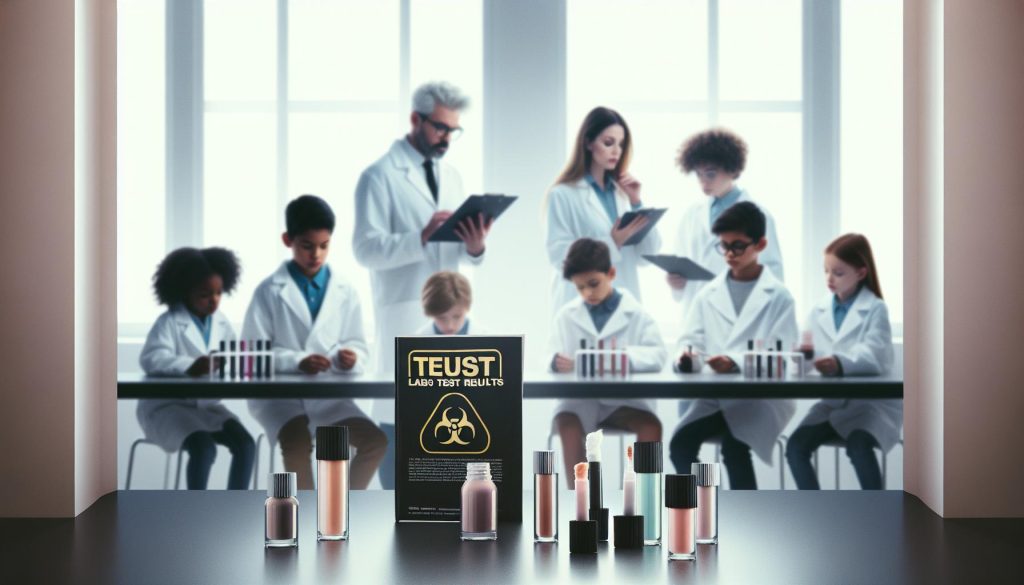
Laboratory Testing: What the Results Show
In recent laboratory tests, the alarming discovery of toxic substances in children’s makeup has raised significant concerns among parents. Studies reveal that many products marketed specifically to young users often contain harmful chemicals, including heavy metals and endocrine disruptors, at levels that could pose serious health risks. For example, heavy metals like lead, mercury, and arsenic, which can be present in pigments and dyes, have been found in some brands of kids’ makeup, sometimes exceeding safety guidelines set by health authorities.
The results from various independent testing labs further underscore the need for vigilance. Many brands do not provide transparent ingredient listings, leading to potential accidental exposure to these harmful substances. When tested, some makeup products showed concentrations of toxic metals that were not disclosed on their labels, highlighting a troubling gap between consumer expectations and product safety. This lack of regulation in the cosmetic industry means that parents must be extra cautious when choosing makeup for their children.
To protect your child, it’s essential to scrutinize products before purchase. Look for certifications or seals that indicate thorough testing and safety compliance. Options like certified organic or cosmetic-grade products often have stricter ingredient guidelines. Additionally, consider checking out consumer advocacy websites that publish testing results and reviews on various children’s makeup brands.
As a proactive step, parents should remain informed about potential risks associated with kids’ cosmetics. Engaging with resources that focus on product testing and safety can help guide purchasing decisions. By being selective and informed, you can allow your child to enjoy their creative play while minimizing exposure to toxic chemicals often hidden in seemingly innocent packages.
Common Toxic Chemicals Found in Kids Makeup
Many parents are unaware of the potential dangers lurking in kids’ makeup products. In recent years, laboratory tests have uncovered alarming findings regarding the presence of harmful chemicals in many popular brands. A few of these toxic substances often found in children’s makeup include heavy metals like lead, mercury, and arsenic, frequently used in pigments and dyes. These metals can accumulate in the body over time, posing significant health risks, especially for young, developing children.
Another concerning category of chemicals includes phthalates and parabens, which are common preservatives and plasticizers found in various cosmetics. Phthalates have been linked to hormonal disruptions, while parabens have raised questions about their role in breast cancer risk. Furthermore, some makeup items contain fragrances made from a cocktail of synthetic chemicals that could trigger allergies or skin sensitivities in your child.
When scrutinizing makeup products, it’s essential to look out for potentially harmful ingredients like:
- Lead: Often found in lipsticks and eye shadows, lead can affect cognitive development.
- Mercury: Commonly used in skin lighteners and some mascaras, it can impair kidney function and brain health.
- Arsenic: Occasionally detected in certain pigments, arsenic has well-documented toxic effects.
- Fragrance: This vague term can encompass various harmful compounds that may disrupt hormonal balance.
- Parabens: These preservatives can mimic estrogen and disrupt hormonal regulation.
- Phthalates: Typically used to enhance texture and longevity, these can also interfere with endocrine function.
Staying informed is crucial for protecting your child. Always read ingredient labels and choose brands that are transparent about their product contents. By opting for non-toxic, certified organic, or hypoallergenic options, you significantly reduce the likelihood of exposing your child to these harmful substances. Remember, the goal is to prioritize safety without stifling creativity, allowing your little ones to enjoy their makeup experiences while remaining healthy and protected.
Health Risks Associated with Kids Makeup Use
Many parents are unaware that the seemingly innocent act of letting their children play with makeup can expose them to significant health risks. Some popular kids’ makeup products have been found to contain harmful substances, raising concerns for many health experts and researchers. For instance, laboratory testing has shown that certain products might harbor toxic chemicals like heavy metals, phthalates, and parabens, which can negatively impact a child’s health.
Repeated exposure to heavy metals like lead and mercury, commonly found in cosmetics, can lead to severe health issues. Lead is particularly concerning as it can significantly affect cognitive development in children, potentially resulting in learning difficulties and behavioral issues. Mercury, often used in skin lighteners, poses risks to kidney function and brain health, which are critical during the early years of development.
Phthalates and parabens, frequently utilized for their preservative properties, can contribute to hormonal imbalances. Phthalates have been linked with disruptions in endocrine function, which may affect growth, reproduction, and even metabolic processes. Parabens, meanwhile, have raised alarms about their potential association with breast cancer risks due to their estrogen-mimicking properties. These health risks highlight the importance of closely examining ingredient labels and opting for safer alternatives.
It’s essential for parents to be vigilant and proactive when it comes to their children’s makeup. By choosing products labeled as non-toxic, hypoallergenic, or specifically made for kids, you can help shield your little ones from these harmful chemicals. Additionally, maintaining an open dialogue with your children about safe cosmetic play can foster not only creativity but also awareness of personal safety from an early age.
How to Choose Safe Makeup for Children
When it comes to selecting safe makeup for children, knowledge is your best ally. Many parents are understandably concerned about the potential dangers lurking in cosmetics designed for little ones. The key is to prioritize transparency and safety by choosing products thoughtfully. Here’s how to navigate the world of kids’ makeup with confidence.
Start by checking ingredient labels. Look for products that explicitly state they are non-toxic, hypoallergenic, and free from harmful chemicals like phthalates, parabens, and synthetic dyes. Educating yourself on common harmful ingredients can help you make informed choices. For instance, did you know that products containing heavy metals like lead or mercury can be particularly dangerous for children’s health, potentially affecting their cognitive development?
Next, consider the certifications and standards associated with the products. Look for items that are labeled as compliant with safety standards, such as those set by the FDA or COSMOS, which ensure a higher level of safety when it comes to cosmetics for children. Brands focused on eco-friendliness and sustainability often make it a point to highlight these certifications, reflecting their commitment to safe ingredients.
It’s also beneficial to explore homemade makeup alternatives. For instance, creating lip gloss using natural ingredients like coconut oil and beetroot powder allows for creativity without the toxic risks. Additionally, buying from well-known and reputable brands can offer peace of mind. Many companies specialize in children’s cosmetics and prioritize safety above all else, often providing transparency about their ingredient sources.
Lastly, maintain an ongoing conversation with your kids about the importance of using safe products. Teach them to recognize what’s safe and what to avoid, instilling healthy habits from a young age. By transforming the act of choosing makeup into a fun and educational experience, you help your children become more aware consumers in the beauty world.
In summary, choosing safe makeup for children involves being vigilant about ingredient lists, seeking reputable brands, exploring DIY options, and fostering awareness through education. With these steps, you can enhance your little one’s playtime without compromising their health.
DIY Kids Makeup: Safe Homemade Alternatives
Making DIY kids’ makeup at home can be a fun and safe alternative to commercial products while ensuring your child is using non-toxic ingredients. With just a few simple materials, you can whip up a variety of cosmetics that are gentle on their skin, cost-effective, and free from harmful toxins. Here are some delightful recipes and tips to get you started on creating makeup using kitchen staples.
Natural Lip Balm
Using organic, food-grade ingredients, you can create a nourishing lip balm that not only hydrates but also adds a touch of color. Here’s a simple recipe to try:
- Ingredients: 1 tablespoon of coconut oil, 1 tablespoon of beeswax pellets, and ½ teaspoon of beetroot powder for color.
- Instructions: Melt the coconut oil and beeswax together in a double boiler. Once melted, stir in the beetroot powder until fully combined. Pour the mixture into small containers and let it cool.
This lip balm is safe, moisturizing, and adds a subtle pink hue, perfect for little ones looking to explore colors without harmful additives.
Fun Face Paint
Face painting can be an exciting activity for kids, especially during celebrations or playdates. You can easily create safe face paint using basic kitchen ingredients:
- Ingredients: 2 tablespoons of cornstarch, 1 tablespoon of corn syrup, 1 tablespoon of water, and food coloring.
- Instructions: Mix all the ingredients until smooth. Divide the mixture into small containers and add a few drops of different food coloring to each for various colors. Allow your child to express their creativity freely!
Shimmer Body Lotion
Want your little one to sparkle? Make a glittery body lotion that keeps their skin moisturized while looking fabulous:
- Ingredients: ¼ cup of unscented lotion, 1 teaspoon of cosmetic-grade glitter (sparkly but safe for skin).
- Instructions: Simply mix the glitter with the lotion in a bowl until evenly distributed. For an extra touch, you can add a few drops of essential oil like lavender for a light scent.
### Key Takeaways
Embracing DIY kids’ makeup means you can control the ingredients, ensuring they’re safe and enjoyable for your little ones. Creating these products not only fosters creativity but also empowers children with knowledge about skincare. Remember, it’s all about fun and exploration, so encourage your child to get involved in the crafting process!
Regulations and Standards for Kids Makeup Safety
In a world where children’s makeup is often glamorized, understanding the regulations and standards surrounding these products is crucial for parents looking to ensure their child’s safety. The cosmetic industry is loosely regulated, meaning not all products undergo stringent testing before hitting the shelves. In the United States, the Food and Drug Administration (FDA) oversees cosmetics, but they don’t have the authority to pre-approve makeup products for safety before distribution. This lack of oversight can lead to children’s makeup being filled with potentially harmful ingredients.
While there are some guidelines in place, many children’s makeup items, especially those labeled as “toy” makeup, may not adhere to stringent safety standards. Toy makeup can contain chemicals that are unsuitable for young skin and do not always disclose harmful additives. The American Academy of Pediatrics (AAP) advises that parents should be vigilant about ingredients, especially since kids are more susceptible to the risks of chemical exposure due to their developing bodies and skin.
If you’re concerned about what your child is using, look for brands that comply with the Campaign for Safe Cosmetics’ standards, which promote safer ingredient practices. These brands often provide transparency in their ingredient lists and are more likely to steer clear of harmful components like phthalates or parabens.
To further enhance safety, parents can advocate for stricter regulations and standards by staying informed and encouraging brands to prioritize children’s health in their formulations. By keeping an eye on labels and choosing reputable products, you can help ensure that your child’s exploration of makeup is both fun and safe. Always check for certifications and look for products that explicitly state they are free from toxic chemicals. Taking these steps can empower you as a parent to make informed decisions that protect your child’s wellbeing while still allowing them to enjoy the creativity of makeup.
Expert Opinions: Insights from Pediatricians
Pediatricians are increasingly vocal about the safety of makeup products marketed towards children, emphasizing the need for parents to scrutinize ingredients. Research indicates that some children’s makeup can contain harmful substances like heavy metals, which pose significant health risks to young and developing bodies. This isn’t just a theoretical concern; laboratory tests have shown that many commercially available makeup products contain traces of toxic chemicals, including lead, which can be particularly detrimental given children’s heightened vulnerability to environmental toxins.
Dr. Julie Herbstman, a professor of environmental health sciences, highlights that children’s skin is thinner and more permeable than adults’, making them more susceptible to harmful ingredients found in cosmetics. This is echoed by the American Academy of Pediatrics, which encourages parents to avoid products with known toxins and read labels carefully. Pediatricians recommend choosing products from brands that are transparent about their ingredient lists and adhere to safer cosmetic practices, such as those endorsed by the Campaign for Safe Cosmetics.
It’s essential for parents to not only focus on what ingredients to avoid but to also understand the concepts of safe versus harmful cosmetic use. Pediatricians suggest engaging children in conversations about personal care and making them aware of why certain products may not be suitable for them. This is a great opportunity to educate young ones about making informed choices regarding the products they choose to use, fostering a mindset of health-conscious decisions as they explore the world of makeup.
In summary, expert opinions are clear: while makeup can play a fun role in children’s play, it’s vital for parents to be informed and proactive. By prioritizing safety and encouraging education around cosmetics, families can make informed decisions that ensure children enjoy the fun of makeup without unnecessary health risks.
Parental Guidance: Educating Kids About Makeup
Educating children about makeup is an essential part of nurturing their understanding of safety and self-expression. Many kids are drawn to cosmetics, often out of curiosity or a desire to emulate role models. As parents, you have a vital role in guiding their makeup journey while ensuring their safety and well-being. Conversing openly about the potential dangers found in some cosmetics can empower children to make informed choices when they eventually start using makeup.
Start by having age-appropriate discussions about what makeup is and why some products are better than others. Use this opportunity to explain that not all makeup is created equal. Point out that certain brands prioritize safety, using safe and non-toxic ingredients, while others may contain harmful chemicals like heavy metals or synthetic dyes. Explore the ingredients together, empowering them to recognize harmful labels. Websites such as the Campaign for Safe Cosmetics can offer insight into safer choices and products you can trust.
Encourage your child’s curiosity by guiding them to experiment with safe and non-toxic products. Hands-on experience with makeup-like face paints or DIY options can be both fun and informative. For those interested in creating their own cosmetics, consider exploring easy recipes together for homemade alternatives using natural ingredients like fruit extracts or organic oils. Simple blends of coconut oil and beet juice for a natural lip tint can keep the experience engaging without compromising health.
Lastly, it’s crucial to stress the importance of hygiene when it comes to makeup application. Teach them to wash their hands before touching their faces and to clean their brushes and tools regularly. This not only fosters good habits but also minimizes the risk of skin irritation or infection. By providing guidance and maintaining an open dialogue, you can help your child navigate the world of makeup safely, ensuring they enjoy the fun without corresponding health risks.
Marketing Tactics: Understanding Product Labels
Navigating the world of kids’ makeup can feel overwhelming, especially when it comes to understanding product labels. With a growing consciousness about health and safety regarding cosmetics, being able to interpret labels effectively is crucial for parents. Many brands exploit marketing tactics that can be misleading, using buzzwords like “natural,” “organic,” or “non-toxic” without stringent regulations backing these claims. Therefore, it’s essential to educate yourself about what these terms mean and how they relate to the actual ingredients in a product.
Firstly, a savvy approach to reading labels involves focusing on the ingredient list rather than the flashy front-of-package claims. Ingredients are typically listed in descending order by concentration, meaning the first few are present in the highest amounts. Look out for potentially harmful ingredients such as parabens, phthalates, synthetic dyes, and heavy metals-common culprits linked to adverse health effects. Understanding the significance of each item on the list can empower you to make informed decisions.
Additionally, many products might boast certifications or seals, like “hypoallergenic,” which are often not regulated. Be cautious-these terms do not guarantee safety but suggest that the product has fewer irritating ingredients. To further safeguard your child, consider referring to review sites or databases, like the Environmental Working Group (EWG), which rates the safety of various cosmetic brands.
Lastly, don’t hesitate to reach out to brands directly with questions about their products. A reputable company should be willing to provide transparency regarding their ingredients and manufacturing processes. Encourage this habit in your children too-teaching them to assess labels isn’t just a valuable skill for makeup but also for all products they encounter. By understanding marketing tactics and scrutinizing product labels, you can better ensure that the makeup your child uses is not just fun, but safe.
What Parents Need to Know About Kids Makeup
Navigating the landscape of kids’ makeup can feel daunting, especially when you hear about potential toxicity. It’s essential for parents to realize that not all cosmetics marketed for children are created equal. Many products contain harmful chemicals linked to various health issues, which can lead to confusion and concern. To ensure safety, being informed about what goes into the makeup your child uses is crucial.
When evaluating kids’ makeup, it’s important to check for specific chemicals commonly found in these products. Petrochemicals, often derived from crude oil, can have harmful effects. Synthetic dyes and harsh colorants may also pose risks, as they can irritate the skin and sensitive eyes. Additionally, you should be wary of ingredients such as fragrance, which can be a catch-all term for a mixture of undisclosed chemicals. Opt for products that explicitly state they are free of these substances, which not only increases safety but also reduces the likelihood of allergic reactions.
Although it might seem overwhelming, choosing safe makeup is possible with a few straightforward guidelines. Start by looking for products labeled as non-toxic, hypoallergenic, or those that contain natural ingredients. It’s helpful to consult databases like the Environmental Working Group (EWG), which reviews and rates the safety of personal care products, providing easier access to this critical information. Moreover, consider making your own makeup at home using simple ingredients like beetroot powder for blush or coconut oil for lip balm. This not only ensures safety but can also be a fun activity to do with your child.
Ultimately, keeping kids safe while allowing them to explore their creativity with makeup involves diligence and education. Empower your children with the skills to examine product labels themselves, and foster an understanding of why safety matters in cosmetics. This approach not only protects their health but also helps them make informed choices as they grow.
FAQ
Q: What are the most common toxic ingredients found in kids’ makeup?
A: Common toxic ingredients in kids’ makeup include parabens, phthalates, and various artificial colors. These substances can cause skin irritation and have been linked to long-term health issues. Always check labels carefully and opt for products labeled as “free from harmful chemicals” for safer alternatives.
Q: How can I tell if the kids’ makeup is safe?
A: To determine if kids’ makeup is safe, look for products labeled as “non-toxic” and “hypoallergenic.” Check for certifications from recognized safety organizations and avoid products with long ingredient lists containing difficult-to-pronounce chemicals. Consulting resources like the EWG’s Skin Deep database can also help.
Q: Are there health risks associated with using kids’ makeup?
A: Yes, using kids’ makeup can pose health risks, including skin allergies, hormonal disruptions, and potential carcinogenic effects from certain chemicals. Parents should be vigilant and educate their children about safe practices when using cosmetics.
Q: What should I consider when choosing kids’ makeup?
A: When choosing kids’ makeup, prioritize products that are specifically designed for children, made with natural or organic ingredients, and free from harmful chemicals. Always conduct a patch test to check for any allergic reactions before full use.
Q: Can DIY kids’ makeup be a safer alternative?
A: Yes, DIY kids’ makeup can be a safer alternative as it allows parents to control the ingredients. Simple recipes using natural items, like beet juice for blush or cocoa powder for bronzer, are effective and safe. Always encourage creativity while ensuring ingredients are non-toxic.
Q: What regulations govern kids’ makeup safety?
A: Kids’ makeup safety is primarily regulated by the FDA in the U.S., which oversees the safety of cosmetics. However, there are gaps in regulation specific to children’s cosmetic products, making it essential for parents to research brands and ingredients before purchasing.
Q: Is there a difference between kids’ makeup and adult makeup in terms of safety?
A: Yes, kids’ makeup is generally formulated to be gentler and contains fewer harsh chemicals than adult makeup. However, not all products are created equal; therefore, it’s crucial to review ingredients regardless of the intended age group.
Q: How do I educate my kids about safe makeup use?
A: Educating kids about safe makeup use involves discussing the ingredients in products, potential risks, and proper application techniques. Encourage them to ask questions and help them understand the significance of choosing safe products, promoting mindfulness in cosmetic use.
Concluding Remarks
As you explore the significant findings about kids’ makeup and its potential toxicity, remember that knowledge is power. With many children being exposed to harmful chemicals like heavy metals in their cosmetics, it’s essential to prioritize safer alternatives for your little ones. Don’t wait; take action now by reading more about the safest makeup options in our guide on “Safer Choices for Kids’ Beauty” and discover holistic skincare practices that keep their skin healthy.
If you have lingering questions or concerns, be sure to check out our article on “Identifying Non-Toxic Makeup Brands” for expert insights. Join our community by subscribing to our newsletter to stay informed about the latest research and tips for ensuring your family’s wellness. Your proactive choices today can lead to healthier futures, so keep the conversation going-share your thoughts in the comments below or explore our related content. Together, we can make informed decisions and protect our children from harmful products!
Get our latest guides, news, and insights highlighted in your Google Search & AI Overviews.