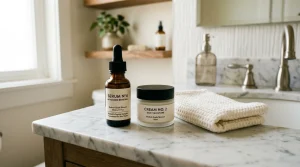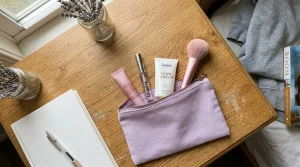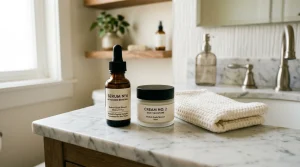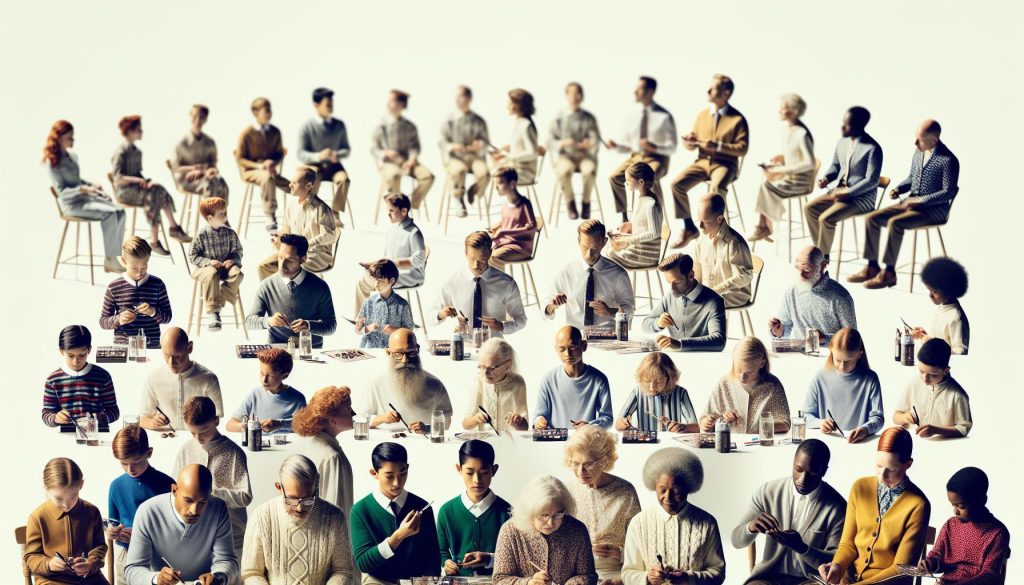
Kids love to express themselves creatively, and makeup can be a wonderful tool for imaginative play. However, choosing the right products-safe, fun, and easy to use-can be overwhelming for parents. In this guide, we’ll explore the best kids’ makeup and hair head practice sets available, focusing on those that are non-toxic, washable, and designed with little artists in mind. From encouraging self-expression to building confidence in their grooming skills, these sets offer both enjoyment and educational value. Continue reading to discover our top picks and tips for making the makeup experience both delightful and safe for your little ones.
Kids Makeup: Fun and Safe Tips for Beginners
Getting into makeup can be a delightful adventure for kids, sparking creativity and self-expression. However, it’s essential to approach this journey with fun yet safe practices. Start by selecting age-appropriate products designed specifically for kids. Look for items that are dermatologically tested, hypoallergenic, and easily washable. Brands often offer cosmetic sets that are less messy and easier to clean than traditional makeup, providing a more suitable introduction to beauty for younger users.
Create a Fun Makeup Space
Designate a special area for makeup application. This can be a small table or a space in the bathroom. Lay out a colorful mat or towel, and organize the makeup products in bins or trays. This not only makes the experience feel official but also keeps things tidy. Encourage your child to explore their creativity by allowing them to choose colors and styles that appeal to them.
Engage in Playful Learning
Turn the makeup session into an engaging activity by incorporating storylines or themed characters. Perhaps they want to be a fairy, a superhero, or a pop star for the day! This aspect of play helps kids feel comfortable while applying makeup and gives them the freedom to express their imagination. Teach them simple techniques, such as how to lightly dab a blush brush on their cheeks, emphasizing that it’s about having fun rather than perfection.
Encourage Safety and Hygiene
Safety is paramount, even while having fun. Remind your children about the importance of hygiene, such as washing their hands before touching any makeup and never sharing products to prevent irritation or infection. It’s also important to set boundaries around wear – emphasizing that makeup is playtime fun and not an everyday essential. Finally, encourage them to practice applying only safe products on their skin, steering clear of any potential irritants.
Inviting kids into the world of makeup with a focus on fun, creativity, and safety will ensure they develop a healthy relationship with beauty that celebrates self-expression while keeping their well-being in mind.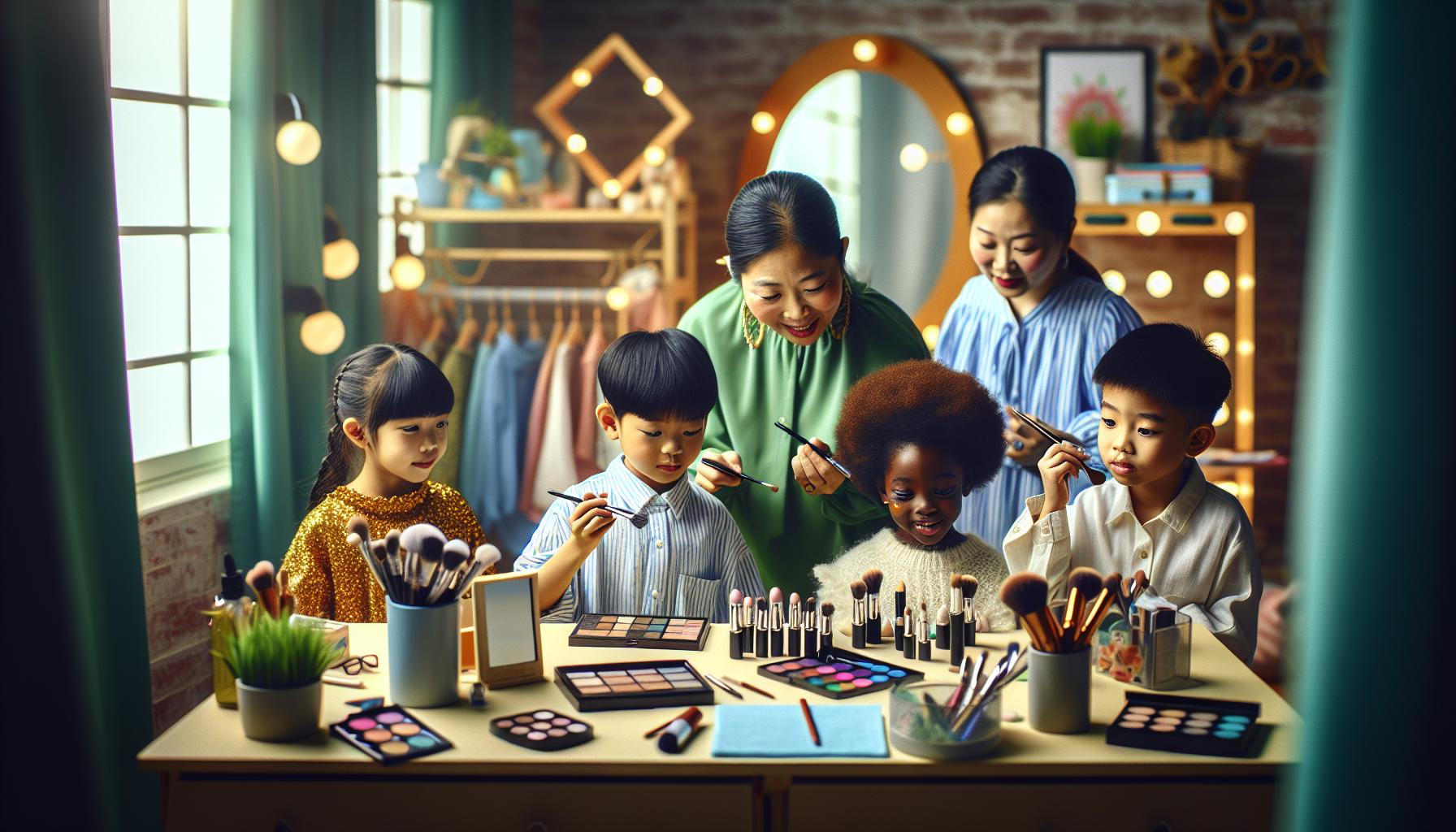
Choosing the Right Hair Products for Kids
is essential to ensure their hair stays healthy, manageable, and beautiful, especially during playful makeup sessions. Children often have delicate hair that requires gentle care. Many parents may feel overwhelmed by the variety of products available, but understanding their child’s hair type and needs can simplify the selection process significantly.
Firstly, consider the type of hair your child has-whether it’s curly, straight, thick, or fine-as this impacts how you should care for it. For fine hair, lightweight products are best to avoid weighing it down. Look for a gentle shampoo and a creamy conditioner that adds moisture without heaviness. Curly hair often benefits from specialized products designed for curls, such as moisturizers and curl creams that define and hydrate without making the hair crunchy.
When shopping, it’s important to prioritize gentle, hypoallergenic formulations. Many brands offer kids’ hair care lines specifically designed to be free of harsh chemicals like sulfates, parabens, and synthetic fragrances. Seek out products with natural ingredients like coconut oil or aloe vera, which nourish the hair. Always check for the “tear-free” label on shampoos and conditioners to make bath time as pleasant as possible.
You can also involve your child in the process, letting them pick out scents or packaging they find appealing, which can make hair care feel exciting rather than a chore. As a rule of thumb, a little goes a long way-use a small amount, about the size of a quarter, for shampooing and conditioning. Encouraging kids to help with their hair care routines not only makes them feel included but also instills good habits for the future.
Incorporating detangler sprays or leave-in conditioners can also ease the process of combing through tangles, making it a more enjoyable experience. Remember that regular trims and gentle brushing with the right tools (like wide-toothed combs for wet hair) are also crucial in keeping their hair looking its best. Choosing the right hair products equips your child with the tools to express their unique style, combining safety and fun in their grooming routine.
Top 5 Makeup Sets for Young Creatives
Choosing the perfect makeup set for your young creative can be a delightful experience, turning playtime into a world of imagination and fun. When selecting a makeup set, it’s essential to consider safety, ease of use, and enjoyment value. Here are five standout makeup sets that rise to the occasion, thoughtfully curated for young artists.
- Kid’s Makeup Set by Jovy: This EWG VERIFIED set is designed with safety in mind, using non-toxic ingredients that let kids express their creativity without harmful chemicals. The set often features bright colors that are easy to apply and wash off, making it an excellent choice for children aged 3 and up. Perfect for playdates or solo creative sessions, fostering artistic expression is effortless with these products. Learn more here.
- Dressing Table Makeup Kit: This interactive playset not only includes various makeup items but also a real dressing table featuring a mirror. It’s designed for ages 4-12, helping to spark imaginative role-play. The washable makeup ensures that cleanup is hassle-free, allowing young ones to indulge in their love for beauty without the stress of stains.
- Washable Makeup Play Kit from Amazon: Available with a variety of colorful items like lip glosses, eye shadows, and blushes, this kit is designed to be fun while remaining completely washable. Its kid-friendly designs are visually appealing and encourage kids to experiment with different looks, enhancing their creativity and self-expression. Visit Amazon for options.
- Melissa & Doug Makeup Set: This play makeup kit stands out for its vibrant colors and realistic presentation while ensuring all products are safe and easy to clean. Many parents appreciate its quality materials, which contribute to guided imaginative play. It’s perfect for budding makeup artists who love to imitate their role models.
- DIY Makeup Kit: For kids who thrive on creativity, a DIY makeup kit offers a unique experience. These kits often include natural cosmetic ingredients that children can mix and match, encouraging hands-on learning about colors and textures. This not only provides a fun activity but also a valuable lesson in creativity and safety with ingredients.
Each of these makeup sets is designed with young creatives in mind, ensuring safety while providing an inspiring platform for play and learning. With such a wide range of options, you can find the perfect set that resonates with your child’s interests and encourages their passion for creativity.
Essential Hair Styling Tools Every Parent Needs
To kick off the hairstyling adventures for your little ones, having the right tools not only simplifies the process but also makes it a fun experience. You’ll want to invest in a few essential hair styling tools that cater specifically to kids’ hair needs-making the tasks manageable and enjoyable for both you and your child.
Start with a high-quality wide-toothed comb. This type of comb is gentle on delicate hair and helps prevent breakage. It’s ideal for detangling wet or dry hair without pulling or causing discomfort. For kids with longer hair, a good detangling spray can be a game changer. Simply spray it onto damp hair before combing to ease out knots quickly.
Another crucial tool is a set of soft hair elastics. Opt for snag-free, gentle bands that won’t damage your child’s hair. These are perfect for creating various styles, from simple ponytails to intricate braids. For added flair, consider using colorful clips or bows to let your child express their personality. Remember that styling can be a creative outlet, so encouraging your child to choose their accessories can heighten their enthusiasm.
Lastly, invest in a quality brush. A paddle brush with nylon bristles works well for smoothing out hair and keeping it neat without too much fuss. For curly hair, a boar bristle brush can help distribute natural oils while defining curls.
By assembling these essential tools-wide-toothed combs, detangling sprays, snag-free elastics, and quality brushes-you’re setting the stage for a positive hair styling experience that builds confidence and creativity in your child while making each session enjoyable and hassle-free. Always remember to approach hair styling with patience and positivity, as this can make all the difference in how kids perceive grooming!
Understanding Skin Types: Kids and Makeup
Understanding the various skin types of children can make a significant difference in the makeup experience, ensuring it’s both enjoyable and safe. Just like adults, kids have different skin types that can affect how makeup feels and performs on their delicate skin. Recognizing these types allows parents to choose appropriate products and techniques, creating a playful and empowering experience rather than a frustrating one.
For instance, the most common skin types are sensitive, oily, and dry. Sensitive skin may react to certain ingredients, causing irritation or redness, so it’s crucial to select hypoallergenic and fragrance-free products. Oily skin, on the other hand, can make makeup slide off, so using oil-free formulas can help it stay in place, improving the longevity of the look. Meanwhile, dry skin tends to absorb moisture quickly, making it essential to use cream-based products that hydrate and provide a smooth application. Each skin type has unique needs, and understanding these can foster a better connection with your child’s grooming routine.
When introducing makeup, start with a patch test, especially for kids with sensitive skin. Apply a tiny bit of product on a small area of their wrist or behind their ear to check for reactions before applying it to their face. This simple step not only prevents potential issues but also teaches kids about skin care and being mindful of what they put on their skin. Encourage them to describe how the product feels, making the process both educational and interactive.
Remember, the goal of letting kids experiment with makeup is to boost their self-confidence and creativity while ensuring safety. Emphasizing gentle, child-friendly products can help them express themselves without the worry of discomfort or irritation. Ultimately, by tailoring the makeup experience to their unique skin type, you can turn makeup application into a joyful bonding experience that nurtures their artistic side.
Best Practices for Applying Makeup on Kids
Introducing makeup to kids can be a delightful experience that fosters creativity and self-expression, but it’s essential to approach it with care and knowledge. To ensure that the makeup application process is both enjoyable and safe, here are some best practices to follow.
Start by selecting the right products. Always choose makeup that is specifically designed for children, prioritizing options that are non-toxic, hypoallergenic, and free of harsh chemicals. Brands such as Evereden offer makeup kits made with safe ingredients that are perfect for kids’ delicate skin. This choice not only helps in preventing skin irritations but also reassures parents that what their children are using is safe.
When it’s time to apply makeup, begin with a clean canvas. Ensure that your child’s face is washed and moisturized to create a smooth surface. Use a gentle, fragrance-free moisturizer suitable for children’s skin to hydrate, which makes subsequent makeup application easier and more effective. Apply a small amount of moisturizer, gently massaging it into the skin in circular motions for about thirty seconds. This step prepares their skin for makeup and fosters a routine that includes skincare.
As you proceed with the application, take it slow and keep the experience fun. Encourage your child to actively participate in choosing colors and styles. Use a light hand when applying products; for example, a soft brush or a sponge works wonders for blending foundation or blush. Instead of heavy layers, advise them to start with a small amount, easily building up to their desired look. This method not only brings out their creativity but reduces the chance of overwhelm.
Remember to teach your child about makeup removal too. Make it a fun activity by using gentle, safe wipes designed for kids. Explain the importance of removing makeup at the end of the day to keep their skin healthy. This not only ensures they understand proper skincare practices but also reinforces the idea that makeup is just one aspect of self-expression. Closing this loop by incorporating good habits turns a playful activity into an educational experience.
Lastly, foster a spirit of confidence. Celebrate their achievements, whether it’s applying their first lipstick or mastering a fun eye shadow look. By creating a comfortable and supportive atmosphere, you allow them to explore makeup as an art form, empowering them to enjoy and embrace their creativity safely.
Creative Hairstyles for Any Occasion
Engaging kids in the art of hairstyling can be as fulfilling as introducing them to makeup. Creative hairstyles can turn any ordinary day into a special occasion, whether it’s for playdates, family gatherings, or celebrations. By exploring a variety of styles, you not only enhance their appearance but also inspire confidence and individuality. Below are some delightful and easy hairstyles that will spark your child’s imagination and make them feel fabulous.
Simple braids are a fantastic starting point. They’re not only timeless but also versatile. For a classic look, try regular three-strand braids. You can create twin braids for a playful vibe or a single braid down the back for a more polished appearance. To add a twist, consider incorporating colorful hair ties or ribbons that match their outfit. Begin by dividing the hair into three equal sections and cross the outer sections into the center alternatively, all the way to the ends. Secure with a hair tie, and voilà!
For special occasions, a half-up hairstyle can exude charm effortlessly. Gather the top half of the hair and twist or braid it before securing it with a cute clip. This style allows the hair to flow freely while framing the face beautifully. You can elevate this look further by adding small flowers or clips, giving it an enchanting touch that’s perfect for birthday parties or family photos.
Another fun and whimsical option is the “bubble ponytail.” This style involves dividing the ponytail into sections and securing small hair ties at intervals along the length. Once secured, gently pull on each section to form little “bubbles.” This unique approach offers a playful and lively hairstyle that stands out, making it a hit at any event.
Remember, the key to successful hairstyling for kids is patience and enjoyment. Encourage them to choose their favorite styles and engage in the process. Use gentle, kid-friendly hair products that promote healthy hair, allowing your child to express their personality while fostering a sense of ownership over their appearance. Whether it’s a quick school morning or preparing for a weekend outing, these creative hairstyles make every moment memorable.
Step-by-Step Guide to Fun Makeup Looks
Creating fun makeup looks for kids can be a delightful experience that encourages creativity and self-expression. However, it’s important to approach this with a focus on safety and simplicity. Here’s a step-by-step guide to help you and your young artist explore the world of makeup while ensuring that it’s a fun and positive experience.
Start by preparing the skin. Begin with a clean and moisturized face by applying a light, hypoallergenic moisturizer that’s suitable for sensitive skin. Use a dime-sized amount and apply it gently in circular motions for about thirty seconds. This step not only hydrates the skin but also creates a smooth canvas for the makeup, ensuring that it goes on evenly and looks fresh.
Next, let’s dive into the makeup application. Here’s a straightforward breakdown to create two simple looks: a natural look and a colorful, playful look.
Natural Look
- Foundation: Use a lightweight, non-toxic tinted moisturizer or BB cream. Apply a small amount using your fingers or a damp sponge, blending it evenly across the face.
- Cheeks: For a natural blush, pick a creamy blush stick in a soft pink or peach shade. Apply it to the apples of the cheeks and blend well with your fingers.
- Eyes: Choose a shimmery cream eyeshadow in a neutral color. Dab a bit on the eyelids using your fingertip for a subtle shine. Finish with a small swipe of a non-toxic mascara if desired.
- Lips: Opt for a moisturizing lip balm or a tinted lip gloss to add a hint of color without being overpowering.
Colorful Playful Look
- Base: Start with the same foundation as the natural look to keep the skin hydrated.
- Eyes: Choose vibrant colors from washable face paint or non-toxic makeup. Begin with a bright eyeshadow, like blue or pink, and use a brush to apply it generously to the eyelids. Add some glitter for extra fun!
- Cheeks: Use a brightly colored blush, like fuchsia, applying it lightly to the cheeks.
- Lips: Finish with a bold lip color like coral or red from a kid-friendly makeup set, ensuring it’s safe for younger skin.
Lastly, always keep in mind the importance of teaching kids about makeup safety. Use products that are specifically designed for children, ensuring they are non-toxic and hypoallergenic to minimize the risk of skin irritation. Encourage your child to wash their face after playtime to remove all makeup, fostering good hygiene habits.
By guiding your child through these steps and encouraging them to create on their own, you’ll not only boost their confidence but also make makeup playtime an enjoyable activity. Remember, the goal is to have fun and let their creativity shine!
How to Teach Kids About Makeup Safety
To provide a safe makeup experience for kids, it’s essential to prioritize education about product safety and hygiene. Begin by explaining the difference between cosmetic products designed for adults and those formulated specifically for children. Emphasize that kid-friendly makeup is usually hypoallergenic, non-toxic, and often made with gentler ingredients, which minimizes the risk of skin irritation and allergic reactions.
Introduce the concept of product testing and skin sensitivity. Before applying anything new, encourage your child to perform a patch test. This involves placing a small amount of the product on the inside of their wrist or behind their ear and waiting for at least 24 hours to check for any adverse reactions. This simple step can prevent unpleasant surprises and reinforce the importance of understanding how their skin reacts to substances.
Discuss Personal Hygiene
Maintaining cleanliness is crucial when it comes to makeup applications. Teach children to always wash their hands before touching their faces or applying products. Make it a fun routine-play a song or create a game around handwashing to keep them engaged. Additionally, stress the importance of using clean brushes or applicators; dirty tools can harbor bacteria, leading to potential breakouts or infections. Regularly cleaning brushes with warm, soapy water is an easy, effective practice that you can do together.
Encourage Open Communication
Creating an open dialogue around makeup can also support safety. Invite your child to express their preferences and curiosities about makeup. Encourage them to ask questions when they’re unsure about a product’s safety or suitability. If they want to try something new, you can explore those products together, checking labels and discussing the ingredients. This way, they learn to make informed choices and appreciate the values of safety and responsibility in beauty practices.
By fostering a safe makeup environment and nurturing curiosity, you empower your child to explore their creative side confidently while instilling foundational knowledge about makeup safety. Remember, safety and creativity can go hand in hand when approached with care and consideration.
Engaging Techniques for Styling Kids’ Hair
Engaging in fun and creative hair styling with your kids can transform a regular day into a joyful bonding experience. Whether you’re preparing for a family outing or simply want to explore your child’s creativity, you’ll find that styling hair can be as enjoyable as playing with makeup. Here, we explore some engaging techniques to make hair styling a delightful activity for both you and your little ones.
One fantastic technique involves using colorful accessories like clips, ribbons, and elastics. Allow your child to choose their favorites, which gives them a sense of ownership over their look. For instance, a simple ponytail can be transformed with bright hairbands or sparkly clips, turning a basic style into something special. Not only does this foster creativity, but it can also encourage self-expression as your child learns to match styles and colors to their personality or mood.
Embrace Simple Styles
When it comes to kids’ hairstyles, simplicity is key. Techniques such as braiding, twisting, or creating buns are straightforward and can be executed quickly. Start with a classic three-strand braid-perfect for learning and easy for beginners. Show your child how to divide the hair into three sections and overlap them, repeating the process until you reach the end, then secure it with a hair tie. This technique not only teaches them a practical skill but also gets them involved as they share the excitement with you.
Incorporate Games
Make hair styling a playful and interactive experience by turning it into a game. Set a timer and challenge your child to style their hair the fastest, or create themed days-like “Princess Day”-where hairstyles must match a character theme. This could involve soft curls with flower clips for a whimsical look or pigtails with colorful hair extensions for a more playful vibe. Such activities can lead to laughter and fun, making hair styling less of a chore and more of a joyful occasion.
Involve Their Imaginations
Encouraging your child to draw inspiration from their favorite characters or movies can lead to exciting hairstyle ideas. Whether it’s a character from a beloved animated series or a pop star, allow your child to explore styles that resonate with them. You might even watch a few clips together showcasing different hairstyles, then replicate those styles at home. This gives them not only a creative outlet but also an opportunity to express their individuality.
By engaging in these techniques and involving your child in the styling process, you’ll create memorable moments filled with laughter, creativity, and self-discovery. Remember, the goal is to have fun, celebrate their uniqueness, and enjoy the quality time spent together, transforming a simple activity into a cherished routine!
Addressing Common Concerns About Kids and Makeup
When it comes to kids and makeup, it’s perfectly normal for parents to have concerns about safety, appropriateness, and potential allergic reactions. Understanding how to navigate these worries is key to ensuring that your child’s experiences with makeup are fun and enjoyable, without compromising their well-being. By establishing guidelines and nurturing a healthy attitude toward beauty, you can foster creativity while maintaining safety.
One of the most pressing concerns is the possibility of skin irritation or allergies. Children’s skin is generally more sensitive than adults’, so it’s essential to choose products specifically formulated for younger users. Look for hypoallergenic options that are free from harsh chemicals and fragrances. Always perform a patch test first-apply a small amount of the product to an inconspicuous skin area and observe for any irritation over 24 hours. This simple yet effective step can help prevent adverse reactions and give you peace of mind.
Another common hesitation revolves around the question of appropriateness. It’s crucial to determine the right moment for makeup play, which often depends on your child’s age and maturity level. For younger children, consider makeup play as a creative activity rather than everyday wear. Opt for fun, non-toxic cosmetic sets that allow them to explore without the need for heavy application. You can introduce concepts such as play makeup-think light colors and easy-to-remove formulations-ensuring the experience remains lighthearted and age-appropriate.
Additionally, establishing rules can alleviate worries about overuse or misuse. Set aside specific times for makeup activities, reinforcing that it’s a fun, occasional treat and not a daily routine. Encouraging your child to practice makeup techniques on you or even dolls can provide practice in a low-stakes environment. It’s also an excellent opportunity to instill lessons about self-expression and individuality, helping them cultivate a healthy relationship with their appearance.
In summary, your concerns about kids and makeup are valid, but proactive approaches can lead to a fun and safe experience. By opting for gentle, age-appropriate products, establishing clear guidelines, and encouraging creativity, you can help your child explore the exciting world of makeup while ensuring they feel secure and understood.
Making Makeup Playtime: Fun Ideas and Games
Children thrive on creativity, and what better way to foster that than through fun and safe makeup play? Whether it’s hosting a mini spa day or experimenting with bright colors, makeup playtime can become a cherished bonding moment between you and your child. By weaving imaginative games and activities into makeup sessions, you can make the experience both entertaining and educational, teaching valuable lessons about self-expression while keeping safety at the forefront.
Start with a makeup party! Gather a few friends for a fun-filled afternoon where children can express their creativity through makeup application. Set up a designated area with age-appropriate products and tools, making sure to supervise closely. Create a themed experience-for example, an outer space adventure where kids use shimmering metallic eyeshadows to create starry-eyed looks. As an added touch, provide fun accessories like sparkly hair clips and temporary tattoos to complete their out-of-this-world transformation.
Encourage storytelling by creating character looks. You can prompt your child to choose their favorite character-like a princess, superhero, or animal-and then recreate that look together. This activity not only boosts their imagination but also enhances their understanding of colors and shapes as they apply makeup to portray different characters. An additional twist could be holding a mini “fashion show” afterward, where they can showcase their artistry and share the story behind their chosen character.
Consider incorporating educational elements in the form of games. You could play “Guess the Color,” where kids have to identify makeup products by their scents or textures, honing their sensory skills. Or, set a timer for a “makeup challenge,” encouraging kids to create specific looks within a time limit, fostering quick thinking and decision-making.
Finally, always wrap up your makeup playtime with a fun clean-up game. Challenge them to put away their items in a race against the clock-this teaches responsibility and helps develop organizational skills while ensuring their creativity doesn’t lead to a chaotic mess.
Engaging in these imaginative activities can turn routine makeup play into a memorable experience filled with laughter, learning, and a sprinkle of artistry. By encouraging safe exploration of makeup, you not only nurture their creativity but also enhance their confidence in self-expression.
Faq
Q: What are the best makeup sets for kids?
A: The best makeup sets for kids include options like washable makeup kits that focus on safety and creativity. Make sure to choose sets with age-appropriate formulations and fun colors. Look for kits that include accessories such as mirrors and applicators to enhance the play experience. Consider checking our “Top 5 Makeup Sets for Young Creatives” section for specific recommendations.
Q: Are makeup products safe for children’s skin?
A: Yes, makeup products can be safe for children’s skin if they are specially formulated for kids, typically using non-toxic, washable ingredients. Always perform a patch test before use and check for hypoallergenic labels to minimize irritation. See our section on “Understanding Skin Types: Kids and Makeup” for more comprehensive guidelines.
Q: When can kids start using makeup?
A: Kids can start using makeup around the ages of 3 to 5 for play and creative expression, but it’s essential to keep it light and fun. As they grow older, older children may want to explore more variety. Our article section “Kids Makeup: Fun and Safe Tips for Beginners” provides age-appropriate advice for introducing makeup.
Q: How do I teach my child to apply makeup safely?
A: Teaching your child to apply makeup safely involves demonstrating techniques and emphasizing hygiene, such as washing their hands before application. Use safe, washable products, and encourage them to ask questions. For detailed methods, refer to our section “Best Practices for Applying Makeup on Kids.”
Q: What are the dangers of using regular adult makeup products on kids?
A: Regular adult makeup products may contain harsh chemicals that can irritate young skin or cause allergic reactions. They are often not washable and may be harder to remove. Always select kid-friendly products designed specifically for younger users to ensure safety.
Q: How can I create a fun makeup application routine for my child?
A: To create a fun makeup application routine, set aside a specific time weekly for playdates or creative self-expression. Use role-playing and themes, such as fairies or princesses, and let them pick colors they enjoy. Check out our section on “Making Makeup Playtime: Fun Ideas and Games” for more engaging activities.
Q: What tools do we need for kids’ hair styling?
A: Essential tools for kids’ hair styling include soft brushes, child-friendly combs, hair clips, and barrettes. For more elaborate styles, consider gentle hair ties and styling tools that avoid heat. Our article “Essential Hair Styling Tools Every Parent Needs” breaks down the tools for effective hair management.
Q: Why should I prioritize using washable makeup for kids?
A: Prioritizing washable makeup for kids reduces the risk of skin irritation and makes cleanup easier. Washable products allow for stress-free play without worrying about stains or difficult removal. Discover tips on selecting safe options in our “Kids Makeup: Fun and Safe Tips for Beginners” section.
The Way Forward
As you explore the vibrant world of kids’ makeup and hair practice sets, remember that the right kit can unlock creativity and fun while ensuring safety and ease for young artists. Our top-reviewed picks not only enhance playful experiences but also incorporate non-toxic and kid-friendly ingredients-perfect for sparking confidence in budding makeup enthusiasts. Don’t miss the chance to let your child dive into their imaginative world today!
For more insights, check out our guides on safe kids’ makeup options and engaging beauty activities that can enhance playtime while teaching valuable skills. Plus, consider subscribing to our newsletter for more tips tailored to make your parenting journey easier! Engage with us in the comments below or share your child’s favorite looks and experiences. Your next adventure in fun and beauty awaits-let’s keep exploring together!
Get our latest guides, news, and insights highlighted in your Google Search & AI Overviews.