
In a world where external chaos often seeps into our inner lives, the quest for unshakeable peace is more crucial than ever. “Never Let Anyone Bother Me – Maintain Unshakeable Peace Within” empowers you to reclaim your tranquility by teaching effective strategies to shield yourself from distractions and negativity. Imagine moving through your day with a calmness that others envy, free from the stressors that typically invade your mind. Everyone deserves a sanctuary within themselves, a place untouched by external turmoil. As you explore this guide, you’ll discover practical tools and insights that resonate with your everyday experiences, helping you to cultivate a peaceful mindset amidst life’s inevitable ups and downs. Dive in to uncover how small changes in perspective can lead to monumental shifts in your sense of well-being and inner strength. You deserve to thrive in your own bubble of peace-let’s embark on this journey together!
How to Foster Inner Peace Daily
To cultivate inner peace on a daily basis, it’s essential to incorporate small yet impactful practices into your routine. These practices harmonize your mind and body, allowing you to navigate life’s challenges with a calm and centered approach. Starting your day with intention sets a positive tone; consider taking just five minutes each morning to practice deep breathing or gentle stretching. This simple act can ground you and enhance your awareness of the present moment.
Establishing a gratitude practice can also remarkably shift your mindset. Every evening, jot down three things that went well during the day, regardless of their size. This consistent focus on positivity helps train your brain to seek the good, fostering a sense of satisfaction and stability. Additionally, integrating mini-breaks throughout your day-even for just a minute-can help reset your mental clarity. Use these breaks to step outside for fresh air or to stretch, breaking the monotony and reducing stress.
Creating a dedicated space for quiet reflection or mindfulness can further enhance your daily peace. This could be a cozy corner in your home where you can meditate, read, or simply enjoy a cup of tea without distractions. Make this space personal; adding elements that soothe you-like soft lighting, calming scents, or gentle music-can enhance your sense of tranquility.
Finally, remember that cultivating inner peace is an ongoing journey. Don’t be too hard on yourself when disruptions occur. Instead, acknowledge them and take a moment to reconnect with your breath or your gratitude list. This flexible approach allows you to navigate daily challenges without losing your internal calm, gradually leading to a more balanced and peaceful life.
Identifying Triggers That Disrupt Your Peace
Understanding what disturbs your inner peace is a crucial step in maintaining a serene mindset amid life’s chaos. Many of us experience triggers that can suddenly disrupt our calm-perhaps it’s a challenging conversation at work, the pressure of looming deadlines, or even the constant buzz of social media notifications. Identifying these triggers can empower you to craft a more peaceful existence.
Begin by reflecting on your daily interactions. Pay attention to moments when you feel stressed or uneasy; keeping a journal can be incredibly helpful. Document specific situations, the emotions they evoke, and any physical sensations you experience. For instance, you might notice that encountering certain people or topics consistently raises your anxiety levels. Once you have a clearer picture, you can devise strategies to cope or eliminate these stressors.
Create a tiered list of your triggers, categorizing them into three groups: frequent, occasional, and rare. This exercise allows you to focus on the most impactful issues first. For example, if regular meetings with a demanding colleague leave you feeling drained, it might be time to discuss workload expectations or set some personal boundaries. On the other hand, rare triggers, such as unexpected family visits, may require less immediate action but should still be noted for future reference.
Lastly, remember that identifying triggers is an ongoing process. As you adapt and grow, new stressors may emerge while others fade. Regularly revisiting your reflections ensures you remain in tune with your emotional well-being. By actively identifying and addressing these disturbances, you can take control of your peace, ensuring it stays resilient against future challenges.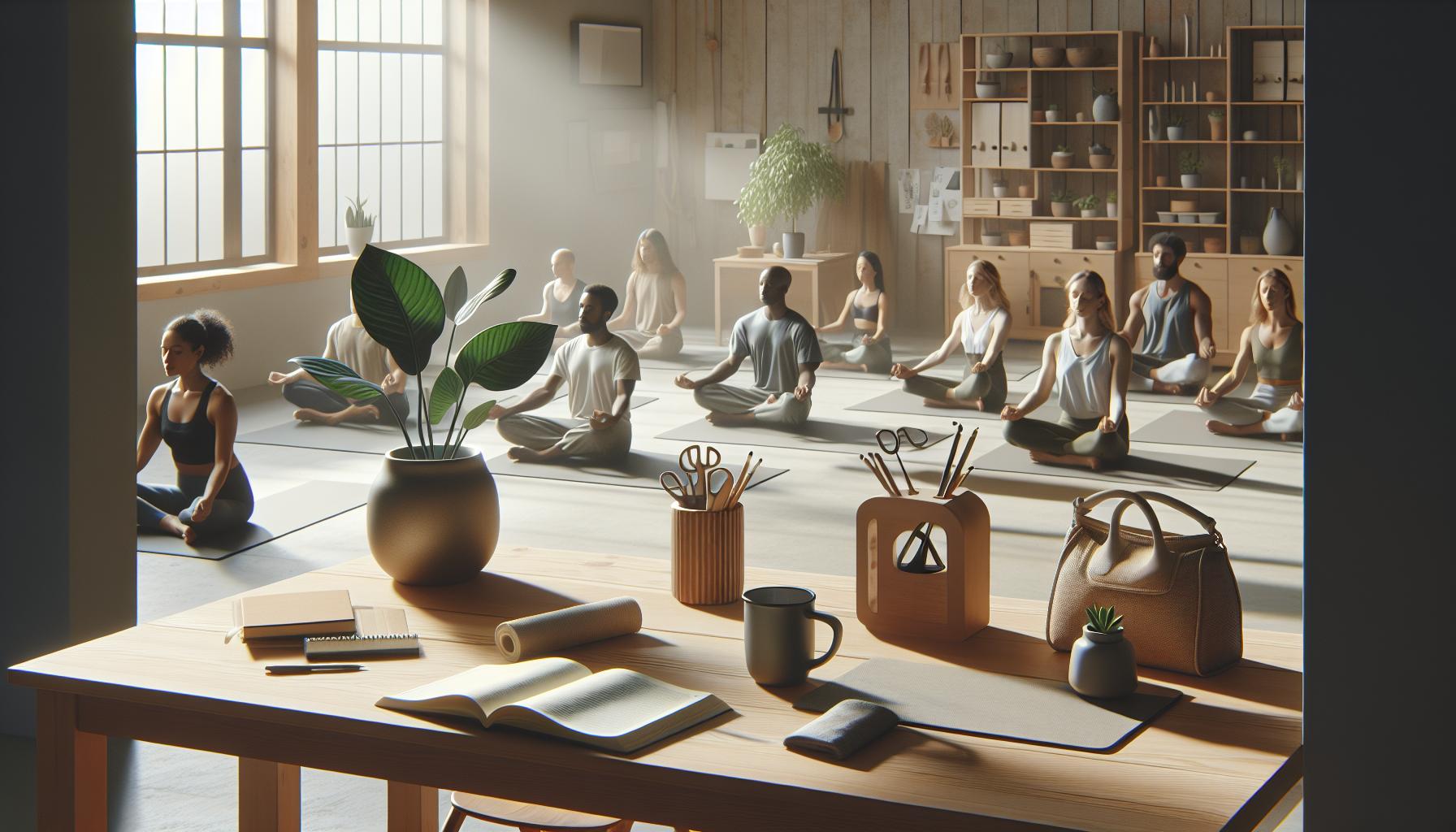
Practical Techniques for Unshakeable Calm
Finding ways to maintain inner peace is essential in today’s fast-paced world. Practicing techniques to cultivate unshakeable calm can empower you to navigate challenges without losing your serene center. Here are several effective strategies to help you sustain that tranquility amidst life’s inevitable turbulence.
Start your day with a mindfulness practice. Even dedicating five minutes to focus on your breath can ground you. Try deep breathing: inhale deeply through your nose for a count of four, hold for four, and exhale slowly for a count of six. This not only calms your mind but also lowers stress levels, setting a peaceful tone for the day ahead.
Incorporate a gratitude journal into your routine. Each evening, jot down three things you appreciated during the day. This simple habit helps shift your focus from stressors to positive experiences, reinforcing a sense of calm and satisfaction. For instance, acknowledging a kind gesture from a colleague or the warmth of morning sun can foster a more positive outlook on life.
Creating physical space for peace is just as crucial. Curate your environment to reflect a calming aesthetic. This might involve decluttering your workspace or adding elements like plants or soothing colors. A serene space contributes significantly to your mental state, making it easier to achieve and maintain tranquility.
Setting boundaries is another vital technique. Communicate your limits clearly, whether it’s saying no to plans that do not serve your well-being or taking breaks from social media. Protecting your time and energy creates space for relaxation and reduces external disturbances that can disrupt your calm.
Lastly, engage in regular physical activity. Whether it’s a brisk walk, yoga, or dancing in your living room, moving your body releases endorphins, which are natural mood lifters. Aim for at least 20 minutes of movement daily to help clear your mind and contribute to long-term emotional stability.
By integrating these practical techniques into your daily life, you can cultivate a profound sense of inner peace that allows you to remain unbothered even as the world around you shifts. Embrace these practices and watch as your resilience and tranquility grow, enabling you to live more fully and joyfully.
Developing Resilience Against External Stress
Finding ways to withstand external stress is vital for maintaining your inner peace. Life continuously throws challenges our way, and developing resilience allows us to respond to these challenges without succumbing to negativity. Picture resilience as a muscle; the more you train it, the stronger it becomes. To nurture this strength, start by identifying the sources of external stress in your life. Whether it’s your work environment, relationships, or daily responsibilities, recognizing what disrupts your calm is the first step toward resilience.
One effective technique is to practice reframing your thoughts. For example, if you receive critical feedback at work, instead of viewing it as a personal attack, see it as a valuable opportunity to learn and grow. This shift in perspective can reduce feelings of anxiety and help you respond more constructively. Additionally, cultivate a supportive network. Surrounding yourself with positive, understanding people can significantly bolster your emotional stability. Consider setting up regular catch-ups with friends or family where you can share experiences, successes, and frustrations in a healthy environment.
Building healthy coping mechanisms is equally important. Techniques such as deep-breathing exercises or quick meditations can ground you during stressful moments, making it easier to maintain your composure. Aim to create a “stress toolkit” filled with practices that work for you-whether it’s listening to soothing music, going for a walk, or utilizing mindfulness apps that guide you through calming exercises.
Lastly, remember that developing resilience is a continuous journey. Keep a reflective journal where you can document your experiences and feelings, especially after stressful events. This practice not only helps you process emotions but also allows you to track your progress over time. By consistently applying these strategies, you can strengthen your ability to face life’s challenges with grace and maintain unshakeable peace within.
Mindfulness Practices to Center Yourself
To cultivate a serene mindset amidst life’s chaos, mindfulness practices serve as powerful tools that ground us and enhance our emotional well-being. Mindfulness essentially involves bringing your awareness to the present moment, allowing you to respond to stressors with clarity instead of reacting impulsively. By incorporating simple yet effective techniques into your daily routine, you can achieve greater inner peace and resilience.
One of the most accessible mindfulness practices is focused breathing. Set aside just a few minutes, find a quiet spot, and focus solely on your breath. Inhale deeply through your nose for a count of four, hold it for four, and then exhale slowly through your mouth for another four counts. Repeat this cycle for five breaths, and notice how it calms your nervous system and brings your awareness to the present. This technique can easily fit into your day-whether during a work break or while commuting.
Another effective method is the practice of gratitude. Start a gratitude journal where each day, you jot down three things you are thankful for. This act of reflection shifts your focus from stressors to positive aspects of your life, fostering a mindset of appreciation. By regularly acknowledging what brings you joy, you create a peaceful mental space less affected by external challenges.
Incorporating simple mindfulness breaks throughout your day can also be beneficial. For instance, when you find yourself feeling overwhelmed, pause to engage your senses. Take a moment to identify three things you can see, two things you can touch, and one thing you can smell. This sensory check-in helps anchor you back to the present and can dissipate feelings of anxiety.
Lastly, consider mindfulness meditation. Just five to ten minutes of guided meditation can create a profound impact. Use apps or online resources that offer guided sessions tailored to different needs, whether stress relief, focus enhancement, or relaxation. Consistency is key-make it a part of your routine, allowing yourself to appreciate the calm that comes from tuning into your inner world regularly.
By dedicating time to these mindfulness practices, you’ll be better equipped to handle life’s ups and downs. They don’t just help maintain your inner peace; they allow you to respond to challenges with a clear, centered mindset, ultimately leading to a more fulfilling and tranquil life.
Creating a Peaceful Surrounding Environment
Creating a calming environment can be a transformative step toward maintaining your inner peace amid life’s uncertainties. Your surroundings significantly influence your mood and mindset, so crafting a serene space tailored to your needs can help shield you from stressors that disrupt your tranquility. Here are practical tips to turn your immediate environment into a sanctuary of calm.
Declutter for Clarity
A cluttered space often leads to a cluttered mind. Begin by evaluating your environment and removing items that no longer serve a purpose or bring you joy. Aim for a simplified aesthetic by ensuring surfaces are mostly clear and only essential items, like a few cherished decorations, are on display. This not only makes your space visually appealing but also promotes mental clarity. Consider a minimalist approach, where fewer items mean less distraction.
Incorporate Soothing Colors and Textures
The colors and textures in your environment can significantly affect your emotional state. Soft, neutral tones such as pastels, creams, or light blues can evoke feelings of calm and serenity. You might also want to include natural elements like plants, which can purify the air and enhance your mood. Use soft fabrics like cotton or linen for cushions, blankets, and curtains to create a warm, inviting atmosphere. It’s these small changes that can have a profound impact on your daily emotional experience.
Engage Your Senses
Make your environment a feast for the senses. Introduce elements that appeal to touch, sight, sound, and smell. Consider integrating items like scented candles or essential oil diffusers with calming scents like lavender or eucalyptus. Playing gentle music, such as nature sounds or soft instrumental tunes, can also enhance tranquility. Another simple strategy is to design a cozy nook with plush cushions and warm lighting, perfect for unwinding with a book or enjoying a moment of reflection.
Create Dedicated “Peace Zones”
Having specific areas in your home designated for relaxation and mindfulness can help reinforce calmness. This could be a meditation corner, a reading nook, or even a quiet workspace. Make these spaces comfortable and equipped with everything you need to unwind-think plush seating, your favorite books, or meditation tools. This way, you’ll have a go-to spot to return to whenever you need to press pause on the chaos of daily life.
Transforming your surroundings into a peaceful haven involves thoughtful consideration of how each element can foster serenity. By decluttering, using soothing colors, engaging your senses, and creating dedicated spaces, you invite tranquility and allow your inner peace to flourish amidst any external disturbances. Making these changes can help you feel grounded and more resilient against the stressors that come your way.
Setting Boundaries to Protect Your Peace
In a world teeming with distractions and demands, establishing firm boundaries is essential for nurturing and protecting your inner peace. Boundaries serve as a safeguard to filter out negative influences and preserve your mental and emotional well-being. When you clearly communicate your limits, you’re not only signaling to others what you will and won’t tolerate but also prioritizing self-care, which is crucial for maintaining balance in your life.
To start setting effective boundaries, identify what areas of your life require more protection. This may include relationships, work commitments, or personal time. Ask yourself where you feel overwhelmed or drained. For instance, if certain social gatherings leave you feeling exhausted, it’s perfectly acceptable to decline invitations or limit the time you spend in these settings. A simple response could be, “I’d love to join but can only stay for an hour,” allowing you to participate without overextending yourself.
Implementing boundaries often requires practice and assertiveness. You might encounter resistance, especially from those who are unaccustomed to your new limits. It’s important to remain consistent; when you uphold your boundaries, you teach others to respect them. Communicate your needs calmly but firmly. Use “I” statements such as, “I need some quiet time to recharge,” rather than framing boundaries as demands on others. This approach fosters understanding rather than defensiveness.
Lastly, remember that setting boundaries is not a one-time task; it’s an ongoing process and may require adjustments as your circumstances change. Reflect regularly on how these boundaries affect your peace of mind and make modifications as necessary. By consciously curating your environment and interactions, you reclaim your right to inner tranquility, ensuring that external influences do not disturb your inner landscape. Embrace this practice and watch as it transforms your ability to maintain unshakeable peace within.
The Role of Self-Care in Inner Tranquility
To maintain unshakeable peace within, self-care plays a foundational role. Engaging in regular self-care activities is not just a luxury; it’s a vital practice that nurtures your mental, emotional, and physical well-being. Think of self-care as the daily fuel that keeps your peace engine running smoothly. When you prioritize your needs and well-being, you’re better equipped to handle life’s unpredictable stressors without losing your sense of calm.
Prioritize Your Needs
Start by setting aside time each day just for you. This could be as simple as a morning coffee ritual, a comforting bath, or even a few minutes of journaling. Regularly scheduling these moments not only replenishes your energy but also consciously signals to yourself that your peace matters. Ask yourself what activities bring you joy or relaxation. It might be gardening, reading, or practicing a hobby. Make these a non-negotiable part of your routine.
- Daily Exercise: Physical activity can greatly enhance your mood and reduce anxiety. Aim for at least 30 minutes of movement, whether it’s a brisk walk, yoga, or a dance session at home.
- Mindful Eating: Pay attention to what fuels your body. Opt for nourishing meals that make you feel good. Cooking can also be a therapeutic experience, providing a break from daily chaos.
- Quality Sleep: Prioritize a consistent sleep schedule. Aim for 7-9 hours of quality sleep each night. Create a calming bedtime routine to help signal your body that it’s time to wind down.
Forging Connections and Setting Limits
Self-care isn’t just about solitary activities; it also involves your relationships. Nurturing supportive connections can enhance your sense of peace. Surround yourself with people who uplift you, and don’t hesitate to distance yourself from those who drain your energy. It’s about finding balance-sharing your burdens with trusted friends while also making space for solitude when you need it.
Practice saying no to commitments that do not serve your peace. This might feel uncomfortable at first, but over time, it becomes easier and fosters more respect for your boundaries. As you cultivate a self-care routine, remember that it’s a personal journey; adapt practices that resonate with you and embrace the process.
Ultimately, investing in your well-being through self-care creates a resilient foundation, allowing you to navigate life’s challenges with greater ease and less disturbance to your inner tranquility. By prioritizing yourself, you reinforce the boundaries essential for maintaining that coveted state of peace.
Emotional Management: Navigating Negative Feelings
Navigating negative feelings is essential for maintaining inner peace, especially in a world filled with external pressures and internal conflicts. It’s important to acknowledge that negative emotions like anger, sadness, and anxiety are a natural part of being human. Instead of pushing these feelings away, embracing them can be a powerful step towards enhancing your emotional resilience and fostering a calm mindset.
One of the most effective strategies for managing negative feelings is mindfulness. This practice involves observing your emotions without judgment, allowing you to understand them better. For instance, when you feel anger bubbling up, try to pause and take a few deep breaths. Examine what triggered this emotion and how it affects your body. By grounding yourself in the present moment, you can create space between the feeling and your response, making it easier to manage your reactions with clarity and composure.
Additionally, journaling can serve as an invaluable tool for processing negative emotions. Set aside time each day to write about your feelings. What events triggered negativity? How did you respond? This practice not only provides an outlet for expression but can also reveal patterns and insights about what behaviors or situations consistently disrupt your peace. By identifying these triggers, you can take proactive steps to address or avoid them in the future.
Incorporating self-compassion into your emotional management strategy is also crucial. Remind yourself that it’s okay to feel imperfect or overwhelmed. Affirmations like “I am doing my best” or “It’s okay to not be okay” can help ease the pressure you might place on yourself. This mindset not only helps in acknowledging your feelings but also empowers you to cultivate a resilient heart, reducing the impact of negativity on your well-being.
By actively engaging with your emotions rather than suppressing them, you shift from simply reacting to them, allowing for a more balanced and peaceful state of mind. This approach makes it possible to transform moments of emotional turbulence into opportunities for growth and understanding, further solidifying your internal peace.
Building a Positive Mindset for Lasting Peace
Embracing a positive mindset is essential for maintaining lasting inner peace, especially when navigating a chaotic world. Studies show that our thoughts can significantly influence our emotional well-being, and by consciously shifting our perspectives, we can foster a sense of calm that remains unshakeable even in challenging times.
One effective method to cultivate this mindset is through gratitude practice. Taking a few moments each day to reflect on what you are thankful for can radically transform your outlook. Consider keeping a gratitude journal where you jot down three things each day that brought you joy or made you grateful. This simple act not only shifts your focus away from negativity but also trains your brain to recognize the positive aspects of life more easily.
Another powerful tool is the use of positive affirmations. These are simple, positive statements that can help challenge and overcome negative thoughts. For example, saying “I am resilient and I control my peace” in the morning can set a positive tone for the day. Repeat these affirmations during your daily routine-while brushing your teeth, commuting, or even over your morning coffee. By embedding these messages into your daily life, you’re reinforcing a mindset that prioritizes peace and self-assurance.
Moreover, surrounding yourself with positive influences is crucial. This includes evaluating the people you spend time with, the content you consume, and the environments you inhabit. Engage in conversations that uplift and inspire you, whether it’s with friends who encourage you or podcasts that promote positivity. Additionally, declutter your digital space-unfollow social media accounts that trigger negativity or anxiety. When your surroundings are infused with positivity, it becomes significantly easier to maintain a peaceful state of mind.
Remember, building a positive mindset is a gradual process. Celebrate small victories-whether it’s a day where you managed to stay calm amid stress or when a difficult situation allowed you to practice gratitude. Over time, these efforts cultivate a resilient inner peace that empowers you to navigate life’s ups and downs with grace and confidence. Your mindset is a powerful ally in the quest for tranquility, ensuring that you never let anyone disturb your inner calm.
Transforming Conflict Into Opportunities for Growth
Conflict can often feel like a hindrance to your peace, but it can also serve as a powerful catalyst for personal growth and resilience. Instead of viewing conflict as a negative experience, consider it an opportunity to deepen your understanding of yourself and others. By reframing conflicts in this way, you can learn to maintain your equanimity and even cultivate stronger relationships in the process.
A practical approach to transform conflict involves active listening. When disagreements occur, take the time to listen to the other person’s point of view. This not only shows respect but also allows you to identify common ground. For instance, if a colleague criticizes your work, rather than reacting defensively, ask open-ended questions. For example, “What specific areas do you think I could improve on?” This approach not only defuses tension but also opens the door for constructive dialogue, allowing you to learn from the situation.
Another effective strategy is to embrace vulnerability. Acknowledge your feelings and communicate them honestly. For instance, if a family member’s comments hurt you, express your feelings using “I” statements such as, “I felt upset when I heard that.” This shifts the focus from blaming to sharing, fostering a more collaborative atmosphere for resolving differences. Embracing vulnerability encourages others to also share their perspectives, facilitating mutual understanding and reducing conflict escalation.
Additionally, consider the power of reflection post-conflict. Taking time to reflect on a disagreement can offer valuable insights into your reactions and choices. Ask yourself questions like, “What triggered my emotions?” or “How could I handle this differently next time?” Journaling these reflections can clarify your thoughts and aid in personal growth, making you better equipped to handle future conflicts without compromising your inner peace.
Cultivating a mindset that welcomes conflict as an opportunity for growth requires practice and patience. Each conflict can deepen your understanding of both yourself and your interpersonal dynamics, allowing you to navigate life with increased confidence and resilience. Remember, by transforming how you perceive conflicts, you are not just protecting your peace; you are actively enhancing it, turning challenging experiences into valuable life lessons.
Real-Life Examples: Overcoming Peace Disruption
Maintaining peace within can often feel challenging in a world filled with distractions and conflicts. However, numerous individuals have successfully navigated peace disruptions by implementing practical strategies tailored to their unique situations. These real-life examples can serve as inspiration for anyone seeking to cultivate unshakeable calm amidst external chaos.
One compelling story comes from Mia, a teacher who struggled with overwhelming stress from both work and home life. To reclaim her peace, she started by identifying specific triggers-such as noisy classroom environments and challenging parental communications. She began her day with a 10-minute mindfulness meditation, focusing on her breath and visualizing a calm space. This daily practice helped Mia approach her interactions with a clear mind, leading her to tackle conflicts with more patience and reflection. When faced with a challenging situation, instead of reacting impulsively, she would pause, take a deep breath, and respond thoughtfully, fostering a more peace-filled atmosphere.
In another instance, Raj, a project manager, learned to set clear boundaries with his colleagues, which greatly improved his mental clarity. He noticed that impromptu meetings often disrupted his focus, leading to frustration and anxiety. To combat this, Raj implemented “no meeting” blocks in his calendar and communicated these periods to his team. By creating structured times for meetings and allowing for uninterrupted work, he found himself less anxious and more productive. His colleagues respected his boundaries, and as a result, Raj reported feeling more at ease and capable of maintaining his peace throughout the day.
Additionally, consider the example of Sarah, who faced a tense family dynamic during holiday gatherings. Aware that certain topics sparked conflict, she chose to redirect conversations toward neutral subjects and emphasized listening. When discussions began veering into contentious areas, Sarah would gently steer the dialogue back to common interests, such as shared family memories or upcoming events. This approach not only safeguarded her peace but also helped foster a more positive environment, encouraging her relatives to engage in lighter, more enjoyable conversations.
These examples illustrate practical ways to overcome disruptions to inner peace by fostering self-awareness, establishing clear boundaries, and employing effective communication strategies. Each small step not only contributes to personal tranquility but also sets the tone for more harmonious interactions in various aspects of life. As you navigate your path to lasting peace, consider which strategies resonate with you and tailor them to suit your lifestyle.
Frequently Asked Questions
Q: How can I find inner peace daily?
A: To find inner peace daily, incorporate mindfulness practices such as meditation or deep-breathing exercises into your routine. Start with just five minutes in the morning or evening, focusing on your breath. Regular self-reflection can also help you understand and release stressors. For more detailed techniques, check out the section on fostering inner peace in your daily life.
Q: What techniques help to maintain unshakeable calm?
A: To maintain unshakeable calm, practice mindfulness and grounding techniques. These include visualizing a peaceful place, using calming scents, and regularly engaging in physical activities like yoga or simple stretching. Explore the practical techniques section of the main article for actionable steps.
Q: Why are boundaries important for inner peace?
A: Boundaries are essential for inner peace because they protect your emotional space and prioritize your well-being. Learning to say no and clearly communicating your needs can drastically reduce stress and anxiety. To dive deeper into this topic, refer to the section on setting boundaries to protect your peace.
Q: How do I manage emotional disruptions effectively?
A: To manage emotional disruptions, practice emotional regulation techniques like journaling, which helps you process feelings, or using cognitive-behavioral strategies to reframe negative thoughts. Explore the emotional management section for tools on navigating negative feelings productively.
Q: What role does self-care play in achieving tranquility?
A: Self-care plays a pivotal role in achieving tranquility by replenishing your energy and fostering a positive mindset. Engage in activities that nourish you, such as reading, exercising, or spending time in nature. The section on the role of self-care in inner tranquility offers more insights on how to prioritize your needs.
Q: How can mindfulness practices enhance my peace of mind?
A: Mindfulness practices enhance peace of mind by promoting awareness of the present moment, which reduces stress and anxiety. Simple daily routines, such as mindful eating or walking, can significantly impact your mental clarity. Check the mindfulness practices section for more structured ways to center yourself.
Q: What are practical steps to transform conflict into growth?
A: To transform conflict into opportunities for growth, focus on active listening and seeking to understand the other person’s perspective. This approach fosters empathy and opens pathways for resolution. For nuanced strategies, look at the section on turning conflict into growth opportunities.
Q: When should I reconsider my boundaries for maintaining peace?
A: Consider reevaluating your boundaries when you notice recurring stress or feelings of overwhelm. Life transitions or new responsibilities may require adjustments. This topic is further explored in the setting boundaries section, providing guidance on recognizing when it’s time for change.
Insights and Conclusions
As we wrap up our exploration of maintaining unshakeable peace within, remember that your tranquility is paramount. You have the power to protect your inner calm from external disturbances. If you found these insights helpful, consider browsing our other articles, like “5 Techniques to Manage Stress” and “Creating Your Personal Sanctuary,” to deepen your understanding and enhance your daily peace practices.
Don’t hesitate to join our community for more tips on wellness and personal growth; a peaceful life is just a click away. Finally, if you have thoughts or experiences to share, drop a comment below! Your journey is important, and we’re in this together. Remember, it’s time to reclaim your serenity-let’s move forward with intention and purpose.
Get our latest guides, news, and insights highlighted in your Google Search & AI Overviews.