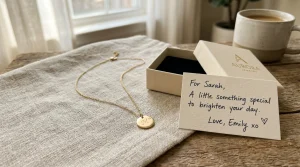
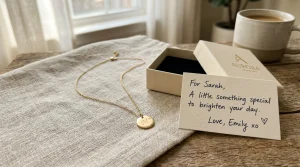
In today’s fast-paced world, it’s easy to feel undervalued or overlooked, whether in personal relationships or the workplace. “Never Let Anyone Take You for Granted – Demand Appreciation Now” emphasizes the importance of recognizing your worth and advocating for the acknowledgment you deserve. Everyone craves appreciation, yet many resist voicing their needs, fearing confrontation or rejection. By understanding the significance of self-advocacy and implementing practical strategies, you can cultivate an environment where your contributions are valued. Let’s explore how demanding appreciation is not just about seeking validation but fostering healthier relationships, boosting your confidence, and ultimately enhancing your well-being. Dive in to discover actionable tips that will help you reclaim your voice and ensure you feel recognized and appreciated in every aspect of your life.
Never Settle: Understanding Your Worth

Understanding your worth is pivotal in fostering healthy relationships and a fulfilling life. It’s all too easy to become entrenched in self-doubt and allow others to undervalue you. Recognizing your intrinsic value requires a conscious effort to reflect on your strengths and contributions. Start by acknowledging your unique traits and the positive impact you have on others, whether it’s through your kindness, creativity, or skills. This recognition not only boosts your self-esteem but also lays the foundation for demanding the appreciation you deserve.
One practical approach is to maintain a list of your achievements and positive feedback from friends or colleagues. This serves as a tangible reminder of your worth during moments of self-doubt. For example, when someone praises your work, write it down; in difficult times, revisit this list to reaffirm your value. Additionally, engaging in activities you enjoy can significantly enhance your confidence. Whether it’s sports, arts, or community service, pursuing passions helps to reinforce your sense of self-worth and enriches your life.
Embrace open communication with those around you. By expressing your feelings and boundaries, you create space for others to recognize your contributions. Don’t hesitate to share your accomplishments and the effort you put into your relationships. This transparency not only educates others about your worth but also sets the stage for mutual respect. Remember, demanding appreciation is not an act of arrogance; it’s a healthy affirmation of your value. Prioritize this understanding, and watch how it transforms your interactions and overall happiness.
Recognizing the Signs You’re Undervalued

Recognizing that you’re undervalued can be challenging, yet it’s a crucial step toward ensuring your needs are met and your worth is acknowledged. One of the most telling signs is a consistent feeling of fatigue or frustration after interactions with certain people. If you often feel drained or unappreciated after spending time with someone, this may indicate a lack of respect for your contributions and feelings.
Another clear indicator is when your efforts go unnoticed or unacknowledged. Are you always the one to put in extra work, offer support, or volunteer for tasks, only to see others taking credit or receiving praise? This pattern can chip away at your self-esteem and contribute to feelings of being undervalued. It’s important to evaluate whether acknowledgment and respect flow both ways in your relationships. If you find yourself consistently supporting others without receiving recognition in return, it’s time to reassess those dynamics.
Additionally, pay attention to your communication patterns. When you express your feelings or needs, do you feel heard, or is it often met with dismissiveness? If your attempts to communicate are met with indifference or lack of empathy, this is a significant red flag. Healthy relationships involve mutual understanding and respect; if you frequently feel ignored or belittled, it’s a clear sign that your value isn’t being recognized.
Lastly, consider how often you compromise your own needs to accommodate others. While flexibility and kindness are essential traits, allowing your own desires and boundaries to be overlooked is a strong indication of undervaluation. If you notice that you regularly put others first at your own expense, it may be time to assert your needs more clearly. Recognizing these signs can empower you to take action, demand the appreciation you deserve, and cultivate healthier relationships.
The Importance of Open Communication

Effective communication is the cornerstone of any healthy relationship, yet many people often overlook its importance. When it comes to demanding the appreciation you deserve, approaching these conversations with clarity and confidence can make all the difference. By expressing your needs openly, you not only clarify your expectations but also pave the way for deeper connections and mutual respect.
It’s essential to practice active listening during these conversations. This means engaging fully with what the other person is saying, showing empathy, and responding thoughtfully. When you express your feelings-or lack of appreciation-using “I” statements helps in framing the conversation positively. For example, saying, “I feel unappreciated when my efforts go unnoticed,” is more constructive than pointing fingers. This approach encourages the other party to understand your perspective without feeling attacked, which can lead to a more fruitful dialogue.
Additionally, creating a safe space for open communication can lead to more honest discussions. This might involve setting aside time to talk in an environment where both of you feel comfortable and free from distractions. Encouraging an open exchange where each person can voice their feelings and perceptions can illuminate unrecognized dynamics within the relationship.
Open communication also means being receptive to feedback. Just as you want to express your needs, being willing to hear the other person’s perspective can help build trust and strengthen your connection. By fostering an atmosphere where both parties can express appreciation and concerns, you establish a healthier relationship framework that can reduce feelings of undervaluation and enhance mutual respect.
How to Effectively Demand Appreciation
To truly feel valued in any relationship or workplace, claiming your worth requires more than just waiting for acknowledgment to come to you. It’s about proactively establishing your need for appreciation through clear and respectful communication. When you articulate your feelings and expectations, you create space for understanding and collaboration that can lead to a more fulfilling interaction.
One effective strategy is to use specific examples in your conversations. Instead of saying, “I need more appreciation,” you might express, “I felt really proud of the presentation I delivered last week, and when you acknowledged my work, it really motivated me.” This specificity not only clarifies what you expect but also helps the other person understand how their acknowledgment impacts you. It encourages them to recognize and appreciate your contributions more consistently.
Creating an environment where open dialogues about appreciation are welcomed can greatly enhance your interpersonal relationships. Start by modeling the behavior you wish to see; frequently express your gratitude for others. This can open the door for mutual exchanges of appreciation. Furthermore, set clear expectations by having honest conversations about what appreciation looks like for you. Whether it’s verbal acknowledgment, acts of service, or written notes, sharing your preferred methods can guide others on how they can fulfill your needs.
Lastly, remember that seeking appreciation does not equate to demanding it; it’s about expressing your desire for recognition in a way that fosters respect and understanding. Maintain a positive demeanor during these discussions and be open to feedback, as this can help refine your relationship dynamics. By navigating these conversations with care and clarity, you empower yourself to create stronger connections built on mutual appreciation and respect.
Strategies for Boosting Your Self-Confidence
Feeling confident in your own skin is essential, especially when it comes to demanding the respect and appreciation you deserve in both personal and professional relationships. Confidence isn’t about being the loudest person in the room; it’s about knowing your worth and not being afraid to express it. Here are some practical strategies to help boost your self-confidence and ensure you never settle for less than you deserve.
One effective way to enhance your confidence is through the practice of positive self-affirmations. Start each day by telling yourself affirmations like, “I am worthy,” or “I bring value to my relationships.” This simple act can gradually change your mindset, helping you to shift away from negative self-talk and towards a more empowering narrative. Make it a habit to recite these affirmations until they become an integral part of your thought process.
Another vital strategy is setting and achieving small, realistic goals. Begin by identifying tasks you can accomplish daily that align with your larger aspirations. For instance, if you want to improve your professional skills, commit to reading one article related to your field each day. Completing these small tasks not only gives you a sense of accomplishment but also builds the momentum necessary for tackling more significant challenges. Celebrating these small wins reinforces your self-worth and breeds greater confidence over time.
Engaging in activities that you excel at can greatly enhance your confidence as well. Participate in hobbies or tasks where you feel competent and passionate. Whether that’s cooking, writing, or a sport, indulging your strengths reminds you of your capabilities. This experience not only boosts your mood but also helps you realize your unique contributions in various settings.
Lastly, surrounding yourself with positive and supportive people can significantly influence your self-esteem. Cultivate relationships with individuals who appreciate you and acknowledge your worth. Engaging in mutual support is crucial; just as you look to be uplifted by others, be that positive force in their lives as well. This reciprocal appreciation leads to environments filled with encouragement, where everyone can thrive and feel valued.
By integrating these strategies into your daily life, you’ll build an unshakeable foundation of self-confidence. Understanding your worth is the first step in ensuring you’re treated with the respect and appreciation you deserve-never let anyone take that away from you.
Building Healthy Boundaries in Relationships
When navigating personal and professional relationships, establishing healthy boundaries is crucial in ensuring that you feel respected and valued. Healthy boundaries can be likened to a well-made fence: they define what you are comfortable with and protect your emotional space from encroachment. When boundaries are clear, they serve to enhance mutual respect, allowing you to demand the appreciation you deserve without fear of backlash. This empowers not just you, but those around you to engage in meaningful and respectful interactions.
To start building healthy boundaries, take a moment to reflect on your values and limits. Ask yourself, “What behaviors am I willing to accept, and what are my non-negotiables?” Be specific. For instance, if you require time for self-care but find that friends frequently interrupt that time, it’s essential to communicate that. Use assertive (yet respectful) language when expressing your needs. For example, you could say, “I need some quiet time each evening to recharge. Can we plan our calls for earlier in the day?” This not only clarifies your limits but explicitly invites others to adjust their behavior to respect those limits.
When implementing boundaries, consistency is key. It’s easy for others to overlook your limits if you aren’t firm about them. If someone crosses a boundary, address it promptly. Clear and immediate communication reduces misunderstandings and reinforces that your boundaries are not negotiable. Remember, it’s okay to say no, and each time you uphold your boundaries, you strengthen your self-respect and assertiveness.
Additionally, seeking support can reinforce your boundary-setting journey. Surround yourself with people who respect your boundaries and value your well-being. This affirmative environment cultivates self-worth and reinforces the idea that you deserve to be treated with appreciation. Sharing your experiences with trusted friends or professionals can also provide reassurance as you navigate any discomfort that may arise when asserting your needs.
Building healthy boundaries doesn’t just enhance your self-respect, it transforms the quality of your relationships. By setting clear limits and effectively communicating your needs, you foster an environment of mutual respect-a setting where appreciation can thrive. Ultimately, healthy boundaries are a powerful tool for self-empowerment, allowing you to cultivate connection without compromising your self-worth.
Gratitude Practices That Improve Self-Worth
Recognizing and cultivating gratitude can profoundly enhance your self-worth and overall emotional well-being. Research shows that practicing gratitude not only shifts your focus from what you lack to what you have, but it also serves as a powerful reminder of your value and contributions. When you actively recognize and appreciate positive aspects of your life, it creates a mindset of abundance rather than scarcity, helping you feel more worthy of respect and appreciation from others.
One effective practice is to maintain a gratitude journal. Dedicate a few minutes each day to write down three things you’re thankful for, whether they are related to your personal achievements, supportive relationships, or even small daily joys like a good cup of coffee. This simple act can help you develop a more positive self-image and reinforce your sense of worthiness. You might find that over time, this practice shifts your perspective, making it easier to demand the appreciation you deserve, as you’ll become more aware of your own contributions.
In addition to journaling, expressing gratitude to others can strengthen your relationships and foster an environment of mutual appreciation. Take time to acknowledge the efforts of friends, family, or colleagues. A heartfelt thank you can go a long way in building a culture of recognition. For example, if a coworker helped you with a project, a note saying, “I really appreciate your support; it made a huge difference”, not only brightens their day but also reinforces your connection and shows that you value collaboration.
Another powerful gratitude practice is to create a visual reminder of what you appreciate. This could be a vision board featuring images and words that resonate with your values and goals. By surrounding yourself with these tangible representations, you reinforce your self-worth and remind yourself what you deserve in both your personal and professional life. Incorporate elements that reflect your dreams-whether they are related to career success, personal happiness, or healthy relationships-this can motivate you to seek out and demand those experiences in your life.
By integrating these gratitude practices into your routine, you not only enhance your appreciation for yourself but also create a ripple effect that encourages others to recognize your value, ultimately fostering relationships marked by respect and mutual admiration.
Navigating Difficult Conversations with Grace
Navigating challenging conversations, especially regarding personal value and appreciation, can feel daunting. Yet, with the right approach, these discussions can lead to deeper understanding and stronger relationships. When you express your needs and feelings gracefully, you not only advocate for yourself but also create an environment where mutual respect thrives.
First, preparing for the conversation is key. Take a moment to outline what you want to say. Focus on your feelings and experiences: “I feel undervalued when…” rather than making accusatory statements. This technique, often referred to as the “I” statement, helps prevent the other person from feeling attacked and encourages a more open dialogue. For instance, telling a colleague, “I feel very motivated when my efforts are acknowledged” can pave the way for a more productive discussion about workplace recognition.
During the conversation, maintain a calm and respectful tone. Body language plays a critical role; ensure your posture is open and your facial expressions align with your message. Practicing active listening is essential-give the other person a chance to share their perspective. You can say, “Can you share how you see my contributions?” This shows you value their viewpoint and fosters a collaborative atmosphere.
Finally, if the conversation doesn’t go as you hoped, don’t be discouraged. It’s important to articulate your needs firmly yet politely, but you can’t control how others respond. You may need to revisit the conversation later or consider whether the relationship is serving your emotional needs. The goal is to cultivate relationships that honor your worth, not to make everyone agree with you immediately.
By approaching difficult conversations with grace and confidence, you empower yourself to demand the appreciation you deserve while fostering an environment of respect and understanding. Remember, your value is intrinsic, and expressing it will help others recognize it too.
The Role of Appreciation in Team Dynamics
In a thriving workplace, appreciation isn’t just a nice-to-have; it’s a cornerstone of team dynamics. When team members feel valued, they are more likely to engage, collaborate, and contribute positively to the shared goals. The power of appreciation can transform an ordinary team into a high-performing collective where individuals are motivated to give their best effort, leading to innovation and improved results.
One way to foster an environment of appreciation is through specific recognition of team contributions. For instance, taking the time to highlight an employee’s role in a successful project can reinforce their sense of value. This kind of acknowledgement not only boosts morale but also encourages a culture where everyone strives to meet and exceed expectations. According to an article on team dynamics, effective appreciation involves identifying specific behaviors and acknowledging the character strengths that underpin them, which can create a ripple effect of positivity throughout the group [[1]](https://10xmanagers.com/insight/1756730355159×383008796545072400).
Moreover, regular communication about achievements, both big and small, can be a game changer. Sharing success stories in team meetings or through company newsletters can remind everyone of their important contributions and increase overall team cohesion. In environments where employees feel their work is appreciated, they are more likely to stay motivated and engaged, reducing turnover and enhancing productivity [[2]](https://www.inspirus.com/blog/50-meaningful-employee-appreciation-messages-to-celebrate-your-staff/).
Encouraging peer-to-peer recognition also plays a vital role. Establishing a system where team members can acknowledge each other’s efforts promotes mutual respect and camaraderie. When appreciation flows in multiple directions, it not only enhances relationships within the team but also fortifies a sense of belonging and collective achievement. This dynamic is essential for fostering an atmosphere where everyone feels empowered and valued, ultimately leading to heightened self-worth among individual employees and a stronger team dynamic overall [[3]](https://www.linkedin.com/pulse/i-discovered-key-how-appreciation-changed-my-team-dynamics-thakker).
In summary, prioritizing appreciation within team dynamics cultivates a supportive work environment where all individuals can thrive. By recognizing and valuing each person’s contributions, teams can achieve greater collaboration and success, reinforcing the principle that everyone deserves to feel appreciated and acknowledged in their work.
Transforming Relationships Through Mutual Respect
Establishing mutual respect in relationships is essential for creating an environment where everyone feels valued and understood. When both parties recognize and appreciate each other’s contributions, it fosters a deeper connection, reduces misunderstandings, and opens the door to honest communication. Imagine a friendship where both individuals frequently check in, share their thoughts, and express gratitude for each other’s support-this not only strengthens the bond but also enhances emotional safety, making it easier to navigate conflicts when they arise.
To actively cultivate respect in your relationships, start with clear, open communication. Set aside time to discuss feelings, aspirations, and concerns without interruptions. Use “I” statements to express your thoughts-like “I feel valued when you…”-as this frames your experiences without placing blame. For example, if a friend consistently makes last-minute cancellations, instead of saying, “You never prioritize our plans,” try, “I feel disappointed when plans change unexpectedly because I look forward to our time together.” This approach encourages them to consider your perspective without feeling attacked.
Next, practice appreciation. Small gestures, such as thanking someone for their help, can reinforce their sense of worth. You might say, “I really appreciate you taking the time to help me with that project; your input made a big difference.” Additionally, create a regular practice of acknowledging each other’s achievements or efforts-whether in professional settings with colleagues or in personal relationships. Celebrating successes, no matter how small, fosters a positive atmosphere where everyone feels recognized for their contributions.
Another aspect of building mutual respect lies in setting healthy boundaries. Letting others know your limits is crucial for respecting both personal space and emotional needs. For instance, if you need time to recharge after a busy week, communicate that to your partner or friends. Being upfront about your needs helps prevent feelings of resentment or being taken for granted. Always remember, respect is a two-way street; when you set boundaries, you empower others to do the same, creating a balanced relationship.
In summary, requires a dedication to communication, appreciation, and healthy boundaries. By fostering an environment where both parties feel valued and heard, you not only strengthen your connections but also cultivate a space where everyone can thrive, reducing the risk of being taken for granted and enhancing overall relationship satisfaction.
Empowering Yourself: Taking Control of Your Needs
Feeling unappreciated can be one of the most frustrating experiences in any relationship, whether personal or professional. Yet, taking control of your needs and ensuring your voice is heard is central to affirming your worth. Recognizing that your needs matter is the first step toward empowering yourself. It’s crucial to not only identify what you want but to vocalize it confidently, creating a foundation for mutual respect.
Establishing your needs starts with self-reflection. Take some time to think about what truly matters to you. Write down specific examples where you felt underappreciated or overlooked. Was it during a team project where your efforts went unacknowledged? Or perhaps in a personal relationship where your contributions were taken for granted? By pinpointing these situations, you create a clearer picture of your needs and can formulate a plan to address them.
Once you’ve identified your needs, it’s time to communicate them effectively. Consider using “I” statements to express how you feel without assigning blame. For instance, say “I feel overlooked when my contributions are not recognized” rather than “You never appreciate what I do.” This not only opens a dialogue but reduces defensiveness in the other party, making it easier for them to understand your perspective and respond positively.
In some cases, you may need to set boundaries to protect your well-being. Boundaries are about creating healthy limits that safeguard your emotional space. For example, if a colleague frequently interrupts your ideas in meetings, it’s perfectly acceptable to say, “I would appreciate it if I could finish my thought before we move on.” Establishing boundaries not only reinforces your respect for yourself but also encourages others to respect you in turn.
Finally, don’t underestimate the power of gratitude as a tool for boosting your self-esteem. By practicing gratitude, you can shift your focus from what you lack to what you have, leading to greater self-acceptance. Regularly reflect on your achievements and practice acknowledging the small wins in daily life; this reinforces a sense of worthiness. Sharing these reflections with others-expressing gratitude for their contributions-can cultivate a reciprocal appreciation, further enhancing mutual respect.
Empowering yourself to take control of your needs is a vital step in ensuring that you’re not just another cog in the wheel but a valued individual in every relationship. By recognizing your worth, communicating effectively, setting healthy boundaries, and practicing gratitude, you lay the groundwork for fulfilling connections where your contributions are acknowledged and appreciated.
Faq
Q: How do I know if I’m being taken for granted in my relationships?
A: Signs that you might be taken for granted include feeling unappreciated, consistently putting in more effort than others, or receiving little to no acknowledgment for your contributions. If open communication isn’t fostering change, it may be time to address these feelings directly. For more insights, refer to our section on “Recognizing the Signs You’re Undervalued.”
Q: What should I do if I feel undervalued at work?
A: If you feel undervalued at work, start by documenting your contributions and discussing your concerns with your manager. Prepare to articulate your accomplishments and how they’ve benefited the team. Building confidence in these discussions can significantly boost your chances of receiving the appreciation you deserve. See our strategies in “How to Effectively Demand Appreciation” for more tips.
Q: Why is it important to demand appreciation in a relationship?
A: Demanding appreciation is vital because it reinforces mutual respect and validates your worth. It fosters healthier relationships where both partners feel valued. When appreciation is expressed, it enhances emotional bonds and overall satisfaction in the relationship. This is further detailed in our content about “Building Healthy Boundaries in Relationships.”
Q: How can I communicate my need for appreciation without sounding demanding?
A: Approach the conversation with “I” statements, like “I feel unappreciated when…” to express your feelings without placing blame. This technique opens a dialogue focused on your needs while encouraging the other person to engage positively. Check out “The Importance of Open Communication” for more strategies.
Q: What are some practical ways to boost my self-confidence?
A: Boost your self-confidence by setting small, achievable goals, celebrating your successes, and practicing self-affirmation. Engaging in hobbies and surrounding yourself with supportive people also enhances your self-worth. Explore our section on “Strategies for Boosting Your Self-Confidence” for detailed techniques.
Q: How can gratitude practices improve my self-worth?
A: Regularly practicing gratitude can shift your focus from what you lack to appreciating what you have, which in turn enhances your self-esteem. Keep a gratitude journal or take a moment each day to acknowledge your achievements. For a deeper dive into this topic, visit our section on “Gratitude Practices That Improve Self-Worth.”
Q: What to do if my friends or family don’t appreciate me?
A: If your friends or family don’t appreciate you, consider initiating a conversation where you express your feelings. Set boundaries if needed, and don’t hesitate to pull back to maintain your self-respect. For strategies on navigating these conversations, refer to “Navigating Difficult Conversations with Grace.”
Q: How does a lack of appreciation affect team dynamics?
A: A lack of appreciation can lead to decreased motivation, low morale, and increased turnover in teams. It creates a negative environment where collaboration suffers. To foster better team dynamics, prioritize open communication and regular acknowledgment of contributions. More insights are available in “The Role of Appreciation in Team Dynamics.”
Future Outlook
As we wrap up our exploration of demanding appreciation, remember that your self-worth deserves recognition and respect. By understanding how to communicate your needs effectively, you can foster healthier relationships and ensure that you aren’t taken for granted. Don’t wait-start putting these insights into practice today and watch as your connections improve.
If you found this discussion helpful, check out our related articles on effective communication strategies and building self-confidence for deeper insights. You can also subscribe to our newsletter for weekly tips on enhancing your personal growth journey. Together, let’s create a community that celebrates appreciation and self-respect!
Feel free to share your thoughts or questions in the comments below; your engagement helps us cater to your needs better. Remember, you are worthy, and it’s time to embrace that truth fully!
Get our latest guides, news, and insights highlighted in your Google Search & AI Overviews.