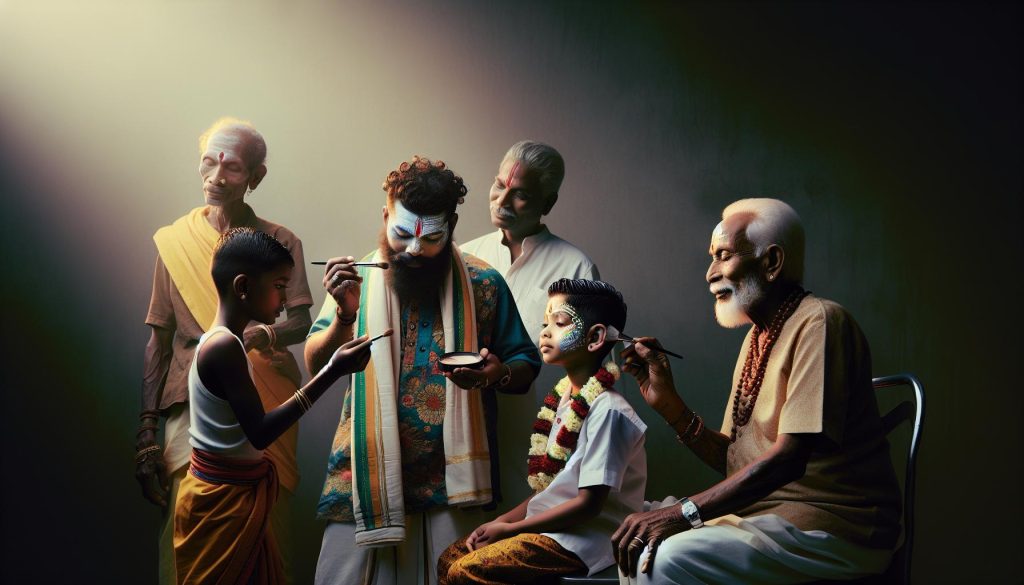
When festivals approach, you might notice Hindu families adorning their children with vibrant makeup and colorful attire. This captivating tradition serves not just as decoration but embodies cultural expression and familial bonding. Makeup during festivals symbolizes joy, instills confidence, and encourages children to embrace their heritage. By understanding this practice, you can appreciate the deeper significance behind these seemingly playful moments, enriching your perspective on cultural celebrations. As we explore why Hindus put makeup on their children during festivals, you’ll uncover the beautiful rituals and meanings that turn these occasions into cherished memories for families. Join me on this journey to discover the essence of this charming tradition and its importance in fostering a sense of identity and community among young participants.
Understanding the Cultural Significance of Makeup in Hindu Festivals
Makeup holds a significant place in the vibrant tapestry of Hindu festivals, serving not merely as an embellishment but as a bridge connecting individuals to their cultural roots and communal celebrations. During festivals, parents often adorn their children with makeup, transforming them into joyous representations of tradition and cultural identity. This practice encapsulates the essence of celebration, where beauty rituals become an expression of shared heritage and familial love, making the festivities memorable for everyone involved.
One of the essential cultural meanings behind applying makeup during festivals is the intent to invoke divine blessings and enhance the festive spirit. Bright colors and intricate designs are believed to attract positive energies and convey happiness. Additionally, children are often seen as the embodiment of purity and joy, and their adorned appearances reflect the exuberance of festivals, bringing families together in celebration. These moments also serve to teach younger generations about the cultural significance of these practices, fostering a sense of belonging and continuity.
Makeup application for children during these occasions goes beyond aesthetics; it embodies a ceremonial aspect that signifies preparation for the joy and reverence that festivals entail. It becomes a family tradition, where parents share stories, laughter, and valuable life lessons while engaging in this expressive act. The playful yet meaningful transformation enriches children’s experiences, helping them develop an appreciation for their cultural heritage while actively participating in the communal celebrations that bind families and communities together.
Through this lens, the act of beautifying children during Hindu festivals emerges as a tapestry woven with threads of love, culture, and joy, creating lasting memories that resonate across generations.
The Role of Colors and Symbols in Festive Makeup
The vivid hues and intricate symbols of makeup play a significant role in the festive atmosphere during Hindu celebrations, creating a visual feast that reflects the cultural richness of these occasions. Colors are not merely aesthetic choices; they carry deep meanings that resonate with spirituality and tradition. For instance, shades of red, yellow, and green often dominate festive palettes because they symbolize joy, celebration, and auspiciousness, effectively enhancing the festive spirit.
When adorning children with makeup, parents frequently use specific symbols that resonate with the themes of the festival. For instance, during Holi, children may be playfully smeared with colored powders, each signifying the triumph of good over evil and the arrival of spring. Similarly, intricate patterns and designs may be drawn on their faces, such as floral motifs or geometric shapes, which are believed to invoke prosperity and positive energy. This adornment serves both as a celebration of heritage and as an expression of artistic creativity.
Makeup during festivals becomes a medium of storytelling through colors and symbols. Each family may have their unique interpretations and rituals, where certain colors or designs may represent personal beliefs or memories associated with the festival. This not only makes the celebration more personal but also encourages children to engage with their cultural roots. Through this process, kids learn the significances behind the colors and symbols, fostering a deeper understanding of their heritage.
Incorporating these festive elements into makeup for children transforms them into living representations of joy and tradition. This form of self-expression not only enhances their experience of the festival but also helps instill a sense of pride in their cultural identity. The vibrant colors and meaningful symbols thus become a creative canvas for family bonding and cultural education, making each festival a memorable and enriching experience.
How Makeup Enhances Children’s Festival Experience
Festivals in Hindu culture are not just events; they are vibrant expressions of community, heritage, and joy, and makeup plays a delightful part in enhancing these experiences, especially for children. When children are adorned with makeup, it elevates their excitement and connection to the festivities, transforming them into lively embodiments of celebration. The act of putting on makeup together can become a cherished family ritual, allowing parents to pass down traditions while simultaneously creating joyful memories.
The colors and designs applied during festivals serve multiple purposes. Beyond mere aesthetics, they symbolize themes related to the celebrations. For instance, during Deepavali (Diwali), children might wear vibrant colors to represent light and rejoicing over the victory of good over evil. Engaging children in choosing colors and designs can spark their creativity and give them a sense of involvement, making the festival genuinely theirs. This participation allows them to feel more connected to their cultural roots, enriching their understanding of the traditions that shape their identity.
Moreover, makeup can transform a child’s experience into a playful adventure. For example, during Holi, using colored powders and safe face paints can add to the joy and exuberance of playing with family and friends. It allows children to express themselves and feel like integral parts of the celebration. Incorporating fun elements, such as glitter or sparkly stickers, also gives them a way to shine, making the festival experience even more special.
In addition to enhancing the festive spirit, applying makeup can be an opportunity for parents to teach their children about safety and care. Using hypoallergenic and non-toxic products is vital, ensuring that their skin remains healthy and safe during these fun moments. Sharing tips about skin sensitivity or allergies can foster a sense of responsibility in children, teaching them to make informed choices about their own grooming as they grow.
Ultimately, the magic of makeup during festivals is its ability to create lasting memories and instill pride in cultural identity, making celebrations enjoyable and meaningful for children and families alike.
Traditional vs. Modern Makeup Techniques for Children
When it comes to adorning children for festivals, the debate between traditional and modern makeup techniques is both fascinating and important. Traditional methods often draw upon centuries-old practices, using natural elements such as turmeric, sandalwood, and herbs known for their beneficial properties. These ingredients not only provide color but also nourish the skin. For example, turmeric has anti-inflammatory properties, while sandalwood is soothing and healing, making them excellent choices for children’s delicate skin.
On the other hand, modern makeup techniques utilize cosmetics that are specifically formulated for children’s sensitive skin. These products are usually hypoallergenic, non-toxic, and free from harsh chemicals. When applying modern makeup, it’s common to use products like water-based face paints or mineral-based powders that are easy to apply and remove. A simple yet effective approach is using a soft sponge to apply a thin layer of face paint, allowing for even coverage without feeling heavy.
Blending these two approaches can offer the best of both worlds. For instance, one might start with a traditional base of turmeric or bentonite clay, followed by modern graphics created with gentle face paints for festivals like Holi, where bold colors and fun designs are celebrated. This not only maintains cultural significance but also ensures the safety and comfort of children.
Both techniques emphasize creativity-traditional designs often involve intricate patterns and symbols that have specific meanings, while modern techniques can allow children to express their individuality through custom designs. Engaging children in the makeup process-whether it’s choosing colors or creating their own designs-nurtures their creativity and boosts their excitement for the festivities, making them feel more connected to the celebrations.
Essential Ingredients for Safe and Fun Makeup
Choosing the right ingredients for festive makeup can ensure a fun and safe experience for children. During Indian festivals, makeup can serve as a joyful expression of culture, but it’s vital to prioritize skin safety and comfort. Many traditional ingredients, which have been used for generations, not only provide beautiful colors but also nourish the skin, creating a delightful blend of art and care.
Natural Ingredients to Consider
- Turmeric: Known for its bright yellow color, turmeric is a staple in traditional Indian makeup. It has anti-inflammatory and antiseptic properties, making it perfect for children’s sensitive skin. Consider mixing turmeric with a little coconut oil to create a gentle paste that can be applied as a base.
- Sandalwood Powder: This gentle ingredient is known for its calming and soothing effects on the skin. When mixed with water or milk, it creates a soft, fragrant paste suitable for all skin types.
- Bentonite Clay: This natural clay is excellent for those who want to avoid chemical-laden products. It can be used as a base for face paints and is known for its skin-purifying properties, ensuring the makeup not only looks great but also is beneficial for the skin.
- Water-Based Face Paints: For a modern twist, opt for high-quality, hypoallergenic water-based face paints designed specifically for children. These paints are usually non-toxic and easy to wash off, making them ideal for ensuring your child doesn’t suffer from discomfort post-festival. Brands like Snazaroo offer a variety of colors that can be applied with a simple sponge or brush.
Why Safety Matters
Now, more than ever, parents are mindful of what goes on their children’s skin. Always conduct a patch test before applying any new product. Apply a small amount of the makeup to an inconspicuous area (like the inside of the wrist) and wait 24 hours to check for any adverse reactions. This step can prevent uncomfortable surprises during the festivities.
Incorporating fun and creativity in the makeup process is just as important as the ingredients used. Let children express their desires for colors and designs, fostering a sense of connection to the celebration. This involvement not only results in a personalized look but also enhances the festival experience as they take pride in their festive appearance.
When the stakes are high to keep a child’s skin safe while joining in on cultural expressions, choosing the right makeup ingredients is essential. Emphasizing the use of safe, natural products can transform the festive makeup experience into a joyful and memorable tradition that enriches both family bonding and cultural appreciation.
Tips for Applying Makeup on Children During Festivals
Applying makeup on children during festivals can be an exciting and creative process, turning them into little stars for celebrations. The key is to create a fun atmosphere while ensuring a safe experience. Here’s how you can master the art of festive makeup for kids.
Start by selecting a comfortable space with good lighting, where the child can sit at ease. This could be a table or even the floor, depending on what they prefer. Engaging them in conversation about their favorite colors or styles can help them feel excited and involved in the process. Remember, their input is essential, so encourage them to express their ideas and preferences!
When it comes to product application, make sure you’re using safe and gentle materials. Apply a small amount of makeup at a time-think of it as gradual layering. For instance, begin with a light base such as a homemade turmeric and coconut oil paste that nourishes the skin while providing a natural glow. Use a damp sponge to apply it gently, pressing it into the skin rather than rubbing, which could irritate sensitive areas. This method not only enhances comfort but also allows for a more even application.
As you move on to colors and designs, opt for water-based face paints that are safe and easy to remove. Apply these with a clean brush or sponge, using small, gentle strokes. If the child wants a specific design, like flowers or glitter, plan the colors accordingly to maintain a cohesive look. For instance, for a vibrant, cheerful design, use brighter hues like pink or orange for flowers and a gold shimmer for accents. A helpful tip is to keep a damp cloth nearby for quick clean-ups or adjustments, ensuring that any mistakes can be easily fixed without stress.
Finally, don’t forget about the importance of removing the makeup at the end of the festivities. Teach the child that taking off makeup is as fun as putting it on! Use a gentle cleanser or natural oil to remove the face paint, and follow up with a soothing moisturizer. This not only keeps their skin healthy but also reinforces a positive routine about skincare.
By following these simple yet effective tips, you can transform makeup application into a joyful part of your child’s festival experience. With safety, creativity, and fun at the forefront, your little ones are sure to shine during the celebrations!
Celebrating Festivals: The Importance of Family Involvement
In every festival, the involvement of family members can transform an ordinary celebration into an extraordinary cultural experience. For many Hindu families, putting makeup on children during festivals is not just about aesthetics-it’s a cherished tradition that embodies bonding, creativity, and shared joy. The act of adorning children with makeup serves as a practical way to engage with them while also imparting the values of celebration, community, and cultural heritage.
Family members, especially parents and grandparents, play a pivotal role in this process. They often share stories related to the festival while applying makeup, creating a unique learning moment that reinforces cultural narratives. For instance, while preparing for Diwali, adults might explain the significance of the Festival of Lights, helping children understand the underlying meanings of the celebration. This interaction fosters a sense of identity and belonging, making children more appreciative of their cultural roots.
Moreover, festivals provide an opportunity for creativity and collaboration. Family members can work together to decide on makeup themes, colors, and designs that resonate with the festival’s spirit. This teamwork not only allows children to express themselves but also reinforces familial bonds. For example, a mother and daughter might choose to recreate a particular festival goddess’s look, with each contributing their artistic ideas. This shared creativity can deepen relationships and create lasting memories.
Safety during the makeup application is equally a family affair. Parents are encouraged to pay attention to the products used, ensuring they are safe for children’s sensitive skin. This team effort in prioritizing safety helps alleviate common concerns about irritation or allergic reactions. By working together, family members can create a joyful and secure environment, making the festive experience enjoyable for everyone involved.
In essence, family involvement during festival makeup sessions not only enhances the excitement and anticipation of the celebrations but also instills cultural values and safety awareness. As families come together, they foster a spirit of togetherness, creativity, and appreciation of their heritage, making the festival experience all the more memorable for both children and adults alike.
Common Festivals Where Makeup is Traditionally Used
Festivals in Hindu culture are vibrant gatherings that often revolve around rituals, gatherings, and, of course, elaborate decorations, including makeup. Adorning children with makeup during these festivities serves not only aesthetic purposes but also strengthens cultural traditions and personal identity. There are several key festivals where makeup is traditionally featured, each with its unique significance and celebratory practices.
Diwali, the Festival of Lights, is one of the most popular occasions where children are dressed up beautifully. Parents often apply colorful makeup to mimic the glowing lights of diyas (lamps) and the dazzling fireworks that light up the night sky. The preparation for Diwali involves themed outfits, and the makeup usually emphasizes bright colors like gold and orange, symbolizing prosperity and joy.
Another significant festival is Holi, known for its playful spirit and vivid colors. While Holi primarily focuses on throwing colored powders, many families enjoy enhancing their children’s looks with face paints that echo the vibrant hues of the festival. Makeup might also include floral accents or glitter, adding a festive flair to the joyous celebrations.
Navaratri, a nine-night festival dedicated to the worship of the goddess Durga, is also a time for children to showcase elaborate makeup. During this festival, it’s common to see children dressed as various deities, with makeup applications that reflect cultural stories and divine attributes. Soft pastels and sparkles are often used to create enchanting looks, contributing to the overall joy and devotion of the season.
Lastly, Makar Sankranti is another festival where children often engage with traditional looks enhanced by makeup. As families celebrate the harvest with kites and sweets, the addition of minimal and natural makeup complements the colorful attire, aligning with the festive spirit that celebrates nature’s bounty.
In summary, festivals in Hindu culture provide a rich tapestry of traditions where makeup plays a vital role in enhancing festivity and fostering community connection. From Diwali’s radiant themes to the playful colors of Holi and the divine representations during Navaratri, each festival allows children to participate in the joy of celebration, furthering their understanding of their cultural heritage.
Addressing Safety Concerns: Skin Care for Kids
When it comes to adorning children with makeup during festivals, the excitement is often accompanied by valid safety concerns. Many parents worry about the ingredients in cosmetics and potential skin reactions, especially for young and sensitive skin. The good news is that with thoughtful preparation and the right products, you can ensure a safe and enjoyable experience for your little ones.
First and foremost, it’s essential to choose makeup products specifically formulated for children’s skin. Look for items that are labeled as hypoallergenic and free from harmful chemicals such as parabens, sulfates, and artificial fragrances. These products are generally gentler on delicate skin and help minimize the risk of irritation or allergic reactions. Also, doing a patch test on a small area of your child’s skin can provide peace of mind; simply apply a tiny amount of the product and wait 24 hours to see if any adverse reactions occur.
Preparation is Key
Before applying makeup, proper skin care is crucial. Start with a clean face by washing it with a mild, sulfate-free cleanser to remove any dirt and oils. Once the skin is clean, apply a light layer of moisturizer that’s suitable for your child’s skin type. This step helps create a barrier that can protect the skin from potential irritants in the makeup. For extra protection, consider using a primer formulated for kids, as it can further smooth the skin while ensuring that the makeup adheres well and lasts longer.
Simple Makeup Removal
After a day of festivities, removing the makeup correctly is just as important as the application. Use a gentle makeup remover designed for kids or micellar water, which is effective yet mild. Soak a cotton pad with the remover, and gently swipe it across your child’s face until all traces of makeup are gone. Follow up with a mild cleanser to ensure the skin is free from any residues, and don’t forget to reapply moisturizer afterward to keep the skin hydrated.
Keep an Eye on Allergies
Always be mindful of your child’s specific allergies or skin sensitivities. If your child has a history of eczema or sensitive skin, consult with a pediatrician or dermatologist before introducing any new products. They can provide tailored advice and possibly recommend brands known for their gentle formulations.
By prioritizing skin safety and making informed choices, you can create a festive atmosphere that allows children to express themselves joyfully while minimizing health risks. With the right approach, makeup can add an extra spark of joy to celebrations without compromising your child’s skin health.
Incorporating Fun and Creativity in Makeup Application
Festivals are a joyful occasion for families and communities, and makeup plays a fascinating role in enhancing the experience for children. By incorporating fun and creativity into makeup application, parents can turn a simple grooming task into an engaging activity that sparks excitement and self-expression. This approach allows children to embrace the festival spirit while creating lasting memories alongside their families.
For instance, let’s consider creating vibrant, themed looks based on the specific festival. During Diwali, for example, children might enjoy wearing colorful eye shadow to mimic the radiant colors of diyas (lamps) and rangoli. Using safe, washable face paints, you can assist your children in designing playful patterns on their cheeks or foreheads that reflect the essence of the festival. Not only does this add an element of creativity, but it also allows children to participate actively in their own festive look-an experience that can foster confidence and a sense of ownership.
Another fantastic way to make the makeup application process enjoyable is by turning it into a family activity. Set up a “festival makeup station” where everyone can join in, whether it’s decorating faces or simply sharing stories about the significance of the celebration. Encourage your child to express their ideas, showing them how to blend colors or add a touch of sparkle. This interaction not only makes the preparation more fun but also helps children feel more connected to the festivity.
Finally, consider adding props like decorative hair accessories or temporary tattoos that resonate with the theme of the festival. For instance, during Holi, children can use colored powders in their makeup or safe hair sprays, reinforcing the playful spirit of the season. By allowing kids to explore their creativity, you nurture their artistic expression while reinforcing the cultural significance tied to their traditions. This festive season, let creativity shine as bright as the lights and decorations around, making it an unforgettable experience for everyone involved.
Cultural Misunderstandings: Makeup in Hinduism Explained
In many cultures, makeup serves as a tool for self-expression and celebration, and Hindu festivals are no exception. However, misconceptions prevail regarding the significance of makeup in Hinduism, especially when it comes to children. It’s not merely about aesthetics; it’s an integral part of the festive experience that fosters community bonding and cultural identity.
During festivals, children adorn themselves with makeup not just for beautification, but as a way to embody the spirit of the celebration. For instance, during Diwali, vibrant colors symbolize joy and the victory of light over darkness. The makeup can include colorful face paints that mirror the intricate designs of rangoli patterns or the flicker of diyas. This creativity not only enhances the child’s enjoyment but also helps them connect more deeply with their cultural roots.
Moreover, makeup application can foster a sense of togetherness in families. It often turns into a fun activity shared among relatives, where stories about the festival’s significance are exchanged, and children learn about their heritage. By addressing the cultural context, we help demystify any assumptions that makeup is simply a superficial endeavor. Instead, it becomes a medium through which children explore and celebrate their identities, nurturing a sense of pride in their traditions.
Recognizing that makeup during Hindu festivals is a joyful celebration of identity can shift perceptions and reinforce the understanding that it’s about fostering connections-both with one’s self and the larger community. When we embrace the vibrant practices of decorating children for festive occasions, we celebrate not just the occasion itself, but the rich tapestry of culture and values that Hinduism embodies.
How to Capture the Festival Spirit with Makeup
Capturing the spirit of vibrant Hindu festivals through makeup involves a blend of creativity, cultural symbols, and joyful participation. Imagine a scene where children, bright-eyed and eager, become miniature canvases reflecting the traditions that their families hold dear. This process isn’t merely about applying colors; it’s a way to infuse the celebration with life and meaning, making the experience unforgettable for both the children and their families.
To begin, you can start with choosing shades that resonate with the specific festival you are celebrating. For instance, during Diwali, bright oranges, deep reds, and shimmering golds represent the festive vibe of lights and joy. Incorporate face paints that mimic traditional designs from rangoli patterns or the hues of flickering diyas. These color choices are not just for aesthetics-they embody the very energy of the festival, provoking a sense of happiness and cultural pride.
Next, the application process can become a cherished family activity. Gather the children and let them participate by choosing colors and patterns. Not only does this make them feel involved, but it also creates an opportunity for storytelling. Discuss the significance of the festival, instilling a deeper understanding of their traditions. Encourage them to express their unique personality through their makeup with friendly suggestions-like adding sparkles or little stickers that bring their look to life. This approach fosters creativity and makes the celebration as much about the process as the final look.
Lastly, prioritize safety and comfort. Use non-toxic, hypoallergenic products suitable for sensitive skin. Before beginning, conduct a patch test on a small area to ensure there are no adverse reactions. Always choose products made specifically for children’s skin. Remember to keep it light and fun; too much product can be overwhelming for little ones. The goal is to enhance their experience, not overshadow it with discomfort.
By integrating these elements, you not only capture the festival spirit but also enrich the connection between modern festivities and cultural legacy, turning makeup into a joyful celebration of identity.
FAQ
Q: Why do Hindus apply makeup on children during festivals?
A: Hindus apply makeup on children during festivals to celebrate cultural traditions, enhance the festive spirit, and create memorable experiences. The vibrant colors and designs symbolize joy and incorporate religious significance, allowing children to feel a part of the festivities and their community’s heritage.
Q: What types of makeup are traditionally used for children during Hindu festivals?
A: Traditional makeup for children during Hindu festivals often includes bright face paints, decorative bindis, and ethnic accessories. Common colors reflect the festival’s mood and symbolism, with designs that may represent deities or cultural motifs, enhancing the festive atmosphere.
Q: Are there any safety concerns regarding makeup for children during festivals?
A: Yes, safety concerns exist regarding makeup for children. It’s crucial to use skin-friendly, non-toxic products and conduct patch tests to check for allergies. Parents should research ingredients and avoid harsh chemicals to ensure the makeup is safe and enjoyable for kids [[1]].
Q: How can parents make the makeup application process fun for children?
A: Parents can make the makeup application fun by letting children choose colors and designs, using playful themes, and involving them in the process. Play some festive music, encourage creativity, and turn it into a bonding experience, helping children enjoy their cultural traditions [[2]].
Q: When should parents start applying makeup on children for festivals?
A: Parents can start applying makeup on children a few days before the festival to allow them to get used to it. Practice sessions can build excitement and comfort with the products, ensuring that by the festival day, children feel happy and confident wearing makeup [[1]].
Q: Do all Hindu festivals involve dressing up and wearing makeup for kids?
A: Not all Hindu festivals require makeup for children, but many do involve dressing up in traditional attire with or without makeup. Festivals like Diwali, Holi, and Janmashtami often see children dressed elaborately, celebrating cultural practices that may include makeup as part of the fun [[3]].
Q: What are some alternatives to traditional makeup for kids during festivals?
A: Alternatives to traditional makeup include using body glitter, temporary tattoos, or themed accessories that can add festive flair without the complexity of makeup. Parents can also opt for face painting with natural, safe products or use colorful hair accessories to celebrate the occasion [[2]].
Q: How can makeup reflect cultural significance during festivals?
A: Makeup reflects cultural significance during festivals by incorporating traditional colors, symbols, and designs that honor deities or specific rituals. By using specific patterns and motifs, parents instill a sense of identity and connection to their heritage in children [[1]].
Future Outlook
As we explore the vibrant tradition of why Hindus put makeup on children during festivals, it becomes clear that this practice is not just about aesthetics; it embodies love, joy, and cultural heritage. It’s a way to celebrate togetherness and instill a sense of pride and identity in younger generations. Are you eager to learn more about similar cultural practices or grooming tips for special occasions? Check out our articles on festive beauty hacks and the significance of traditional attire during festivals.
Don’t miss out on more insights-subscribe to our newsletter for the latest tips and tricks to enhance your beauty and wellness routine. Whether you’re curious about how to apply makeup on kids safely or want to delve deeper into festival rituals, your next adventure in personal care and cultural appreciation awaits! Join the conversation by sharing your experiences and start exploring more enriching content on our site today!
Get our latest guides, news, and insights highlighted in your Google Search & AI Overviews.