
Changing a razor blade may not seem like a big task, but it’s crucial for achieving a comfortable and effective shave. A dull blade can lead to irritation, cuts, and that frustrating tugging feeling you dread. By learning how to replace your razor blade quickly and safely, you can maintain optimal performance and protect your skin. Whether you’re a seasoned shaver or a beginner, this guide will walk you through simple, actionable steps to ensure your grooming routine remains smooth and hassle-free. Ready to elevate your shaving experience? Let’s dive into the quick, easy steps to changing your razor blade with confidence!
How to Identify When to Change Your Razor Blade
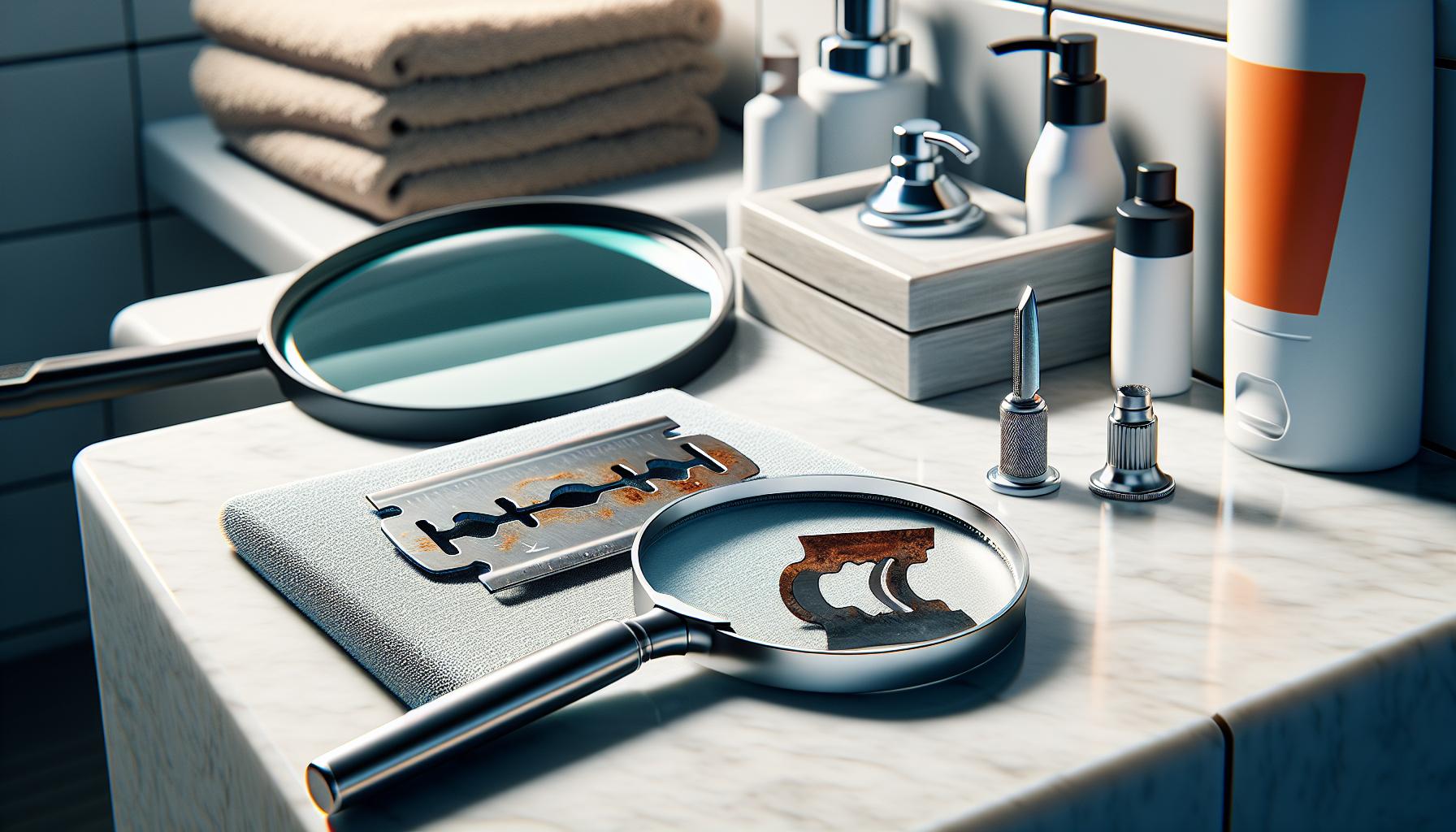
When it comes to grooming, a dull blade can lead to discomfort and irritation, making it essential to know when to retire your razor blade. A blade is ready for replacement if you notice any signs of pulling or tugging on your hair during a shave. This sensation indicates that the blade is no longer sharp enough to cut hair cleanly, resulting in an uneven and potentially painful shaving experience.
Another key indicator is the appearance of nicks and cuts on your skin. If you find yourself dealing with increased irritation, razor burn, or minor cuts, it may be time to swap out your blade. A fresh blade can reduce friction and provide a smoother shave. Additionally, if your blade appears to be rusted or accumulated with hair and product residue, it’s definitely time for a change to maintain your skin’s health and prevent infection.
On average, you should consider changing your razor blade every 5 to 7 shaves, but this can vary depending on your hair type, shaving frequency, and the quality of the blade. Pay attention to your grooming routine and trust your instincts-if it feels off, chances are it’s time to replace the blade.
Essential Tools for a Safe Razor Blade Change
When you’re ready to replace your razor blade, having the right tools on hand can make the process safe and efficient. A little preparation goes a long way in ensuring that you avoid nicks and cuts, making your grooming routine smoother and more enjoyable. The essentials include:
- New Razor Blades: Always use a quality replacement blade that fits your razor model. Choosing blades from reputable brands ensures sharpness and durability.
- Protective Gloves: Wearing disposable gloves can help prevent accidental cuts while handling sharp blades and also keep your hands clean from shave products.
- Tweezers: These can be handy for removing old blades or adjusting them in the holder without risking your fingers.
- Razor Blade Disposer: A designated container for disposing of used blades safely. This prevents injuries and allows for responsible disposal.
- Clean Workspace: Ensure you have a flat, clean surface to work on to minimize the chance of losing pieces and to keep everything organized.
- Towel: Keep a towel nearby to wipe down your razor and workstation to remove hair and gel residue, making the process neater.
Having these tools readily available not only streamlines the replacement process but also elevates your overall shaving experience. Taking the time to set everything up in advance reassures you that you can handle the task with confidence. Remember, each step you take to prepare enhances your safety and efficiency, allowing you to focus on achieving the perfect shave.
Step-by-Step Instructions for Replacing Razor Blades
Replacing your razor blade can seem daunting, but with a little guidance, it becomes a quick and straightforward part of your grooming routine. Following these steps will help you handle the process with confidence and keep your skin safe from nicks and cuts.
Start by ensuring you have all your essential tools ready. With your gloves on, grasp the razor firmly, and if it’s a safety razor, gently twist the handle to release the blade or slide the mechanism to access the blade compartment. For disposable razors, simply find the release button to detach the old blade. If you’re using a straight razor, you’ll need to care for it differently, as there’s no blade replacement but rather honing and stropping involved.
Next, carefully remove the old blade. Use tweezers to grasp the blade safely, and avoid direct contact with your fingers, which minimizes the risk of cuts. Place the used blade into your razor blade disposer immediately after removal. This step helps ensure your workspace remains tidy and safe.
Once the old blade is disposed of, take your new replacement blade and hold it by the edges. Align it properly with the razor’s mechanism ensuring it sits securely in place. For safety razors, you may need to replace the cap or twist to secure the blade tightly, ensuring it won’t wobble during use.
Finally, give your razor a quick rinse under warm water to remove any dust or debris, and dry it with a towel. You’re now ready to shave! Regularly replacing your blade not only improves the quality of your shave but also enhances skin health, reducing the chances of irritation or razor burn.
By following these steps, you’ll make replacing your razor blade a seamless part of your routine. Remember, preparation and safety are key to a smooth experience, letting you focus on achieving that perfect shave.
Common Mistakes to Avoid During Blade Replacement
When changing your razor blade, even the smallest oversight can lead to irritation or injuries, which is why knowing common pitfalls is essential. One frequent mistake is not using the right tools for the task. Ensure you have a dedicated blade disposal container, as it’s crucial for your safety to immediately dispose of the old blade to prevent accidental cuts. Furthermore, using gloves while handling blades can significantly reduce the risk of injury.
Another common error is improperly aligning the new blade. Many users forget to check that the blade is seated correctly in the razor. For safety razors, this means ensuring the blade sits flat and is securely held in place before reassembling the razor. If it’s loose, it can lead to uneven shaving, increasing the chance of nicks and cuts during your next shave. Always double-check your razor’s mechanism to confirm the blade is secure.
Rushing the Process
Many people tend to rush when replacing their razor blades, thinking it’s a simple task. However, taking your time is vital. Hasty movements can lead to mishaps such as dropping the blade or failing to dispose of it properly. Allocate a moment to breathe and focus solely on the task at hand-this will help you avoid accidents. Additionally, after replacing the blade, rinse and dry your razor thoroughly to ensure it’s clean and ready for your next shave.
Overlooking Blade Lifespan
Finally, many users fail to recognize the signs that indicate it’s time to change their blades. For instance, if you notice tugging while shaving, decreased comfort, or skin irritation, these could be signs that the blade has dulled and needs replacing. Establish a routine or a checklist to help remind you when to change your blade, ensuring a smooth and effective shave each time.
By avoiding these common mistakes and being mindful of your habits, you can enjoy a more pleasant, irritation-free shaving experience. Taking these simple precautions will lead to better grooming results and enhance your skin health.
Best Practices for Safe Blade Disposal
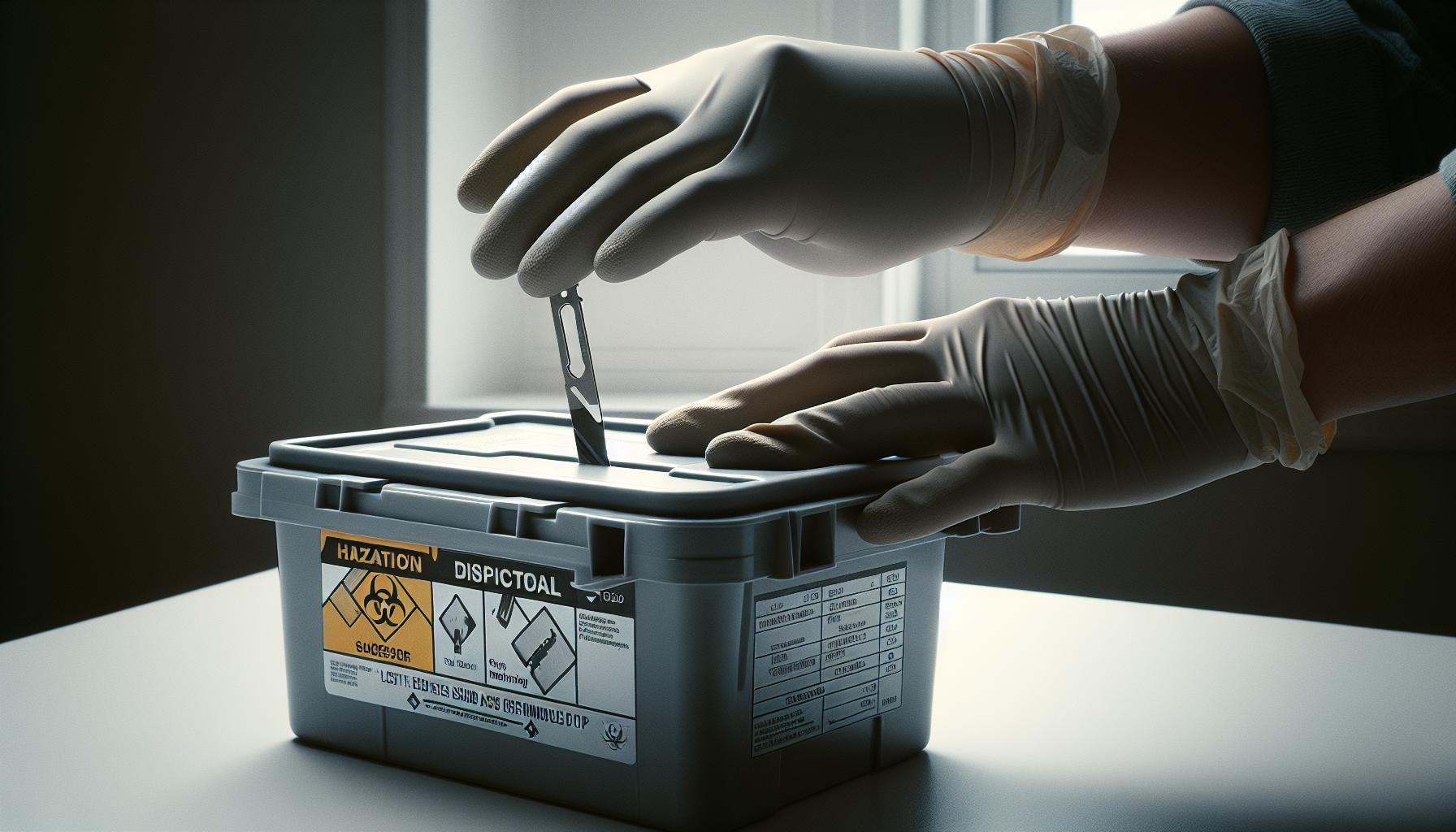
Improper disposal of razor blades can pose significant safety risks, not only to you but also to anyone who may come into contact with discarded blades. To ensure safe disposal, it’s essential to utilize a specific container dedicated solely to used razor blades. This could be a metal canister or a specialized blade disposal container easily found online or in pharmacies. Ideally, the container should be puncture-proof and clearly labeled to prevent accidental injuries during disposal. Always dispose of the container in accordance with local waste disposal regulations.
After replacing your blade, consider the following best practices to streamline your blade disposal process:
- Seal before disposal: If you are using a disposable razor or a blade from a razor that doesn’t allow for safe removal, securely seal it in a container before tossing it into the trash. This minimizes the risk of others coming into contact with a sharp edge.
- Use gloves: Whenever handling used blades, wearing gloves can significantly decrease the risk of cuts or injury. This adds an extra layer of safety while you manage your used blades.
- Dispose regularly: Set a routine to dispose of used blades and check your disposal container periodically. Overflowing containers can lead to accidents or improper handling.
By following these simple yet effective disposal strategies, you’ll keep your grooming routine not only efficient but safe as well. Remember, safety first means taking care of both your skin and your environment. Regularly checking on your disposal methods ensures you maintain a clean, hazard-free space, allowing for a stress-free shaving experience every time.
Tips for Maintaining Your Razor for Longevity
To keep your razor in top-notch condition, a few simple habits can go a long way. Proper maintenance not only enhances the comfort and effectiveness of your shaves but also prolongs the lifespan of your razor. Keeping it clean and well-maintained allows you to enjoy a safer and more enjoyable grooming experience without the constant hassle of replacing blades too frequently.
First and foremost, rinse your razor thoroughly after each use. This removes hair, shaving cream, and skin cells that can clog the blade and diminish its sharpness. Shake off excess water and set it upright so it can air dry completely. Moisture can lead to rust and corrosion, especially on metal parts. If you want to go the extra mile, you can gently wipe the blades with a soft cloth or paper towel to prevent any leftover moisture from causing damage.
Another crucial aspect of razor maintenance is inspecting the blades regularly. Look for any signs of dullness or damage. If you feel the blades are becoming less effective, it might be time to change them even if it hasn’t been long since your last swap. Keeping an eye out for wear will ensure you’re not using a subpar blade that could lead to irritation or cuts.
Storing your razor properly can also contribute significantly to its longevity. If you use a safety razor, consider keeping it in a dedicated stand or a dry location where it won’t be knocked over or come into contact with other hard surfaces that could dull the blades. When traveling, make sure it is stored in a protective case to prevent mishaps.
Lastly, remember to handle your razor with care. Avoid using excessive force while shaving, as this can stress the blades and body of the razor. By treating your razor gently and maintaining a consistent cleaning and storage routine, you’ll ensure it remains effective and prolong its life. Following these tips not only promotes a better shave but also makes your grooming routine more enjoyable overall.
Exploring Different Types of Razor Blades
When it comes to achieving a smooth, irritation-free shave, the type of razor blade you choose plays a pivotal role. There’s a wide variety of blades available, each designed to meet different shaving needs, preferences, and skin types. Understanding these options can empower you to make informed choices about your grooming routine, enabling you to tailor your shave to your specific requirements.
Types of Razor Blades
- Stainless Steel Blades: Known for their durability and resistance to rust, stainless steel blades are a popular choice. They provide a smooth shave and can last through several uses, making them a cost-effective option for many.
- Carbon Steel Blades: These blades are sharp and can offer a close shave, but they require more care to prevent rusting. If you prefer a sharper edge and don’t mind regular blade changes, carbon steel might be worth considering.
- Coated Blades: Many blades come with coatings (like teflon or chromium) that enhance glide and reduce friction. These are excellent for those prone to irritation, as they can make each pass more comfortable.
- Double-Edged Blades: Ideal for safety razors, these blades are versatile and economical. Each blade can be flipped and reused, giving you two sharp edges to work with.
- Single-Edge Blades: Often used with shavettes or straight razors, single-edge blades provide a different shaving experience for those looking for high precision in their grooming.
- Adjustable Blades: Some modern razors allow you to change the gap and exposure, enabling you to tailor shave aggressiveness according to your skin sensitivity and beard type.
Choosing the right razor blade is as much about personal comfort and effectiveness as it is about your individual grooming habits. For example, if you have sensitive skin, coated blades may be beneficial, whereas thicker hair might require sharper, stainless steel options. Don’t hesitate to experiment with different types to find your perfect match, as many users discover that a simple switch in blade type can dramatically enhance their shaving experience.
Moreover, it’s essential to remember that the quality and design of each blade can influence not just the comfort of your shave, but also the longevity and maintenance of your razor itself. As you explore different options, keep an open mind and listen to your own skin’s cues-they’ll guide you toward the best choice for your routine.
Comparing Safety, Convenience, and Cost of Blades
When considering the right razor blade for your grooming routine, it’s essential to weigh aspects like safety, convenience, and cost. Each of these factors plays a significant role in your overall shaving experience, from the comfort of each shave to your budget and the ease of maintaining your grooming tools.
Safety is paramount, especially for those new to shaving or using a safety razor. Blades like double-edged versions offer a manageable learning curve, as they typically provide a balance of sharpness and control. In contrast, single-edge blades used in shavettes or straight razors can deliver an exceptionally close shave but may require more skill and care. Choosing a blade with proper safety features can help prevent nicks and cuts, ensuring a more comfortable experience.
Convenience often leads consumers to coated blades, which are designed for smooth gliding across the skin, thereby reducing the risk of irritation. These blades can be especially beneficial for those with sensitive skin. On the other hand, some prefer stainless steel blades for their durability and ease of maintenance. They don’t rust easily, making them a practical choice for everyday use.
Then, of course, there’s the financial aspect. While high-quality blades may have a higher upfront cost, they can prove to be more economical in the long run by providing more shaves per blade. Carbon steel blades can deliver a superb shave but may require more frequent changes due to rusting, ultimately affecting their value. It’s wise to keep in mind how often you shave and what your skin’s needs are to determine which type of blade aligns best with your budget and shaving frequency.
Ultimately, the best choice will depend on personal preferences and skin type. Experimenting with different blades can help you find the perfect fit for your routine while balancing safety, convenience, and cost. So don’t hesitate to ask questions, try various options, and adjust your selections as your grooming needs evolve. The journey to an optimal shaving experience is about finding what works best for you!
How Often Should You Change Your Razor Blade?
Changing your razor blade at the right time is crucial for achieving a smooth, comfortable shave. An old or dull blade can lead to irritation, nicks, and an unsatisfactory grooming experience, which is why knowing when to swap out your blade is vital. The frequency with which you should change your razor blade may depend on various factors, including the type of blade you use, how often you shave, and your hair type.
For most users, it’s recommended to change a double-edged blade after about 5 to 7 shaves, while a single-edge blade may last slightly longer-roughly 7 to 10 shaves. However, if you notice that your blade is pulling or tugging at hairs, or if you experience an uncomfortable shave, it’s time for a change, regardless of the number of shaves. Your skin and hair type can also dictate this timeline; coarser hair may dull a blade faster than finer hair.
Additionally, pay attention to environmental factors like humidity and improper storage, which can accelerate blade deterioration. Using a coated or stainless steel blade can extend the life of your razor since these materials typically resist rust and corrosion. Always remember that your comfort should be your primary guide-when in doubt, err on the side of caution and replace the blade sooner rather than later. Regularly assessing your blade’s performance will not only enhance your shaving experience but also prioritize the health of your skin.
Key Takeaway: Changing your razor blade after every 5-10 shaves or whenever you notice pulling, tugging, or discomfort will help maintain an efficient and enjoyable grooming routine.
Troubleshooting: Issues After Changing Razor Blades
Experiencing issues after changing your razor blade can be frustrating, especially when you’re expecting a smooth shave. It’s not uncommon to encounter problems like irritation, cuts, or even an uneven shave shortly after you’ve made the switch. Understanding these challenges and knowing how to address them can greatly improve your shaving experience.
Often, if you’re facing discomfort or razor burn post-replacement, the issue may stem from the blade itself. Double-check that the blade is properly aligned and securely fastened. Misalignment can lead to uneven pressure distribution, resulting in those pesky nicks. Additionally, make sure you’re using a blade suitable for your skin type and hair texture; some blades are designed for sensitive skin, while others handle coarse hair more effectively.
Another common issue is the feeling of tugging or pulling. This can happen if the blade is either too dull-having been left in use too long-or if it’s a particularly aggressive blade being used on sensitive skin. If you’ve recently changed your blade and still feel this tugging, consider switching to a gentler option or reducing the pressure you apply during shaving. Sometimes, even the angle at which you hold the razor can make a difference; try adjusting slightly to see if your shave improves.
What to Do if Problems Persist
If you continue to experience difficulties after changing your razor blade, it might be time to reassess your shaving routine. Here are a few steps you can take:
- Check Blade Quality: Ensure that you are using high-quality blades. If you’re using a brand that hasn’t worked well in the past, consider switching.
- Alter Your Technique: Experiment with your shaving technique by using lighter pressure and a different shaving angle.
- Hydrate Your Skin: Use a pre-shave oil or gel to soften facial hair and skin to create a smoother surface for the blade.
- Post-Shave Care: Implement a soothing aftershave product to help reduce irritation and nourish the skin.
Ultimately, if problems persist despite trying different blades and techniques, it might be worthwhile to consider upgrading your razor altogether. Sometimes, the razor itself may not be compatible with your skin type or shaving preferences. Remember, achieving a comfortable and efficient shave is all about finding what works best for you, so don’t hesitate to experiment until you find your optimal routine.
When to Consider Upgrading Your Razor
When you’re struggling to achieve a smooth, comfortable shave despite changing your blade, it may be time to rethink your razor choice. The right razor can make a significant difference in your shaving experience, enhancing comfort and efficiency. Here are some key indicators that suggest it might be time for an upgrade.
If you frequently experience razor burn, irritation, or an overall uncomfortable shaving experience, your current razor may not be compatible with your skin type. For example, sensitive skin often benefits from a razor specifically designed with skin protection features, such as a flexible head or multi-blade technology that minimizes pressure on the skin. If you’ve already experimented with various blades and techniques without alleviating these issues, a new razor could provide the relief you need.
Another consideration is whether your razor has adjustable settings. If you find yourself continually switching between blade types for different parts of your face, a razor with adjustable settings can allow you to customize the angle and exposure of the blade to better suit your needs. These razors can tackle everything from fine hair around the edges to denser growth without the hassle of changing blades after each use.
Additionally, assess the ease of use and maintenance of your current razor. Some razors are complicated to clean or reload, which can be frustrating if you’re in a hurry or want a grooming process that’s streamlined. If maintaining your razor feels like more trouble than it’s worth, look for models known for user-friendly designs and easy blade replacement options.
Ultimately, consider your personal preferences and experiences with shaving. You deserve a tool that empowers you to achieve the results you want without causing discomfort or frustration. Investing in a quality razor tailored to your shaving habits can not only enhance your day-to-day routine but also make grooming feel less like a chore and more like a self-care ritual. Whether it’s time to switch to a safety razor, a straight razor, or a more advanced cartridge system, the right choices can transform your shave into a consistently satisfying experience.
The Importance of Hygiene in Razor Care
Maintaining cleanliness in your grooming routine is not just about achieving a smooth shave; it’s essential for your skin’s health. A dirty razor can harbor bacteria and grime, leading to irritation, infections, or worse, breakouts. Understanding is crucial for anyone committed to a clean, effective grooming experience.
To keep your razor in optimal condition, always rinse it thoroughly after each use. Warm water not only helps remove hair and shaving cream residue but also minimizes the risk of buildup. Consider using a soft brush to clean hard-to-reach areas, especially if you notice stubborn debris. Make it a habit to inspect your razor before each shave; if it looks dirty or feels rough on your skin, it’s a clear signal to give it a proper clean or even change the blade.
Storage matters too. Leaving your razor in a damp environment can foster microbial growth. Whenever possible, store your razor in a dry, well-ventilated area. If you use a blade that allows for removable heads, take the time to swap them out regularly and store the unit in a clean space. This simple step can significantly extend the life of your razor and enhance your shaving experience.
Incorporating these hygiene practices into your routine not only improves your overall skincare but also elevates your shaving experience. Think of your razor like a well-maintained kitchen knife-it performs better when it’s clean and in good condition, allowing you to enjoy the grooming ritual rather than treat it like a chore. With attention to hygiene, you’ll see an immediate difference in how your razor performs, leading to a smoother, irritation-free shave.
Frequently Asked Questions
Q: How do I know it’s time to change my razor blade?
A: It’s time to change your razor blade when you notice more drag on your skin, difficulty achieving a close shave, or visible rust or damage on the blade. Regularly checking your blade can help maintain a comfortable shaving experience.
Q: What tools do I need to change a razor blade safely?
A: To change a razor blade safely, you’ll need a new razor blade, a clean surface to work on, and potentially a pair of gloves to avoid cuts. Ensure your workspace is dry and organized for a smooth replacement process.
Q: Can I change my razor blade without special tools?
A: Yes, you can change your razor blade without special tools. Most cartridge razors allow you to simply pull off the old cartridge and snap on a new one. Safety razors typically require manual blade swapping, which can be done with just your hands.
Q: What are the best practices for discarding old razor blades?
A: Always store old razor blades in a designated sharps container to prevent injury. If a container isn’t available, you can wrap the blade in tape before disposing of it in the trash. Never throw loose blades in the bin as they can pose a safety hazard.
Q: How can I ensure I’m maintaining my razor correctly?
A: To maintain your razor, rinse the blades thoroughly after each use to remove hair and shaving cream. Allow it to dry completely to prevent rust, and store it in a dry place. Regular maintenance can extend the life of your razor.
Q: What are common mistakes to avoid when changing a razor blade?
A: Common mistakes include handling blades with bare hands, failing to clean the razor beforehand, and not disposing of blades properly. Always prioritize safety and cleanliness to avoid accidents or injuries.
Q: Why is hygiene important when changing razor blades?
A: Good hygiene prevents infections and ensures a smoother shaving experience. Always wash your hands before and after changing blades, and ensure that your razor is clean to minimize the risk of bacteria transferring to your skin.
Q: How often should I change different types of razor blades?
A: Change cartridge blades every 5-10 shaves, while double-edge blades should be swapped after 3-7 uses, depending on hair thickness. Regular changes keep your shave effective and reduce irritation.
For more detailed guidance, check the Essential Tools for a Safe Razor Blade Change section in our article.
Key Takeaways
Now that you know how to change a razor blade safely and efficiently, don’t wait-switch out that dull blade to keep your grooming routine smooth and comfortable. Remember, a fresh blade not only improves shaving quality but also helps prevent irritation and cuts. For those interested in leveling up their shaving game, check out our articles on “Best Shaving Products for Sensitive Skin” and “Top Grooming Tips for a Flawless Finish.”
Got questions or tips to share? Drop a comment below or join our community. And if you’re not already part of our newsletter, sign up today for exclusive tips and guides! By following these steps, you’ll have the confidence in your grooming routine that you deserve. Keep exploring to enhance your personal care knowledge-your next grooming challenge might just be a click away!
Get our latest guides, news, and insights highlighted in your Google Search & AI Overviews.