Razor bumps are an all-too-common frustration, often leaving you feeling self-conscious after shaving, whether on your face or body. The good news? Coconut oil might be your new best friend in combating this annoying issue. Rich in natural anti-inflammatory properties, coconut oil not only soothes irritated skin but also hydrates and protects it. This guide will explore how to effectively use coconut oil to reduce razor bumps and promote smoother skin. Whether you’re a shaving veteran or new to the grooming game, understanding how this versatile oil can help will empower you to say goodbye to those pesky bumps and hello to confidence in your skin. Let’s dive into the natural treatments that work!
Understanding Razor Bumps: What Are They?
Razor bumps, medically known as pseudofolliculitis barbae, are small, often painful, skin irritations that occur when shaved hair follicles become inflamed. This condition is most common among individuals with curly or coarse hair, as the hair can curve back into the skin after shaving, leading to an ingrown hair. In addition to discomfort, razor bumps can also cause redness, swelling, and can sometimes lead to infections if not treated properly.
Understanding what causes razor bumps is the first step toward preventing and managing them effectively. Factors such as improper shaving techniques, using dull blades, or shaving too close to the skin can increase the likelihood of developing these unsightly bumps. Another contributing factor is failing to adequately prepare the skin for shaving; without proper exfoliation and hydration, the skin is more prone to irritation, which can exacerbate the situation.
To mitigate the risk of razor bumps, it’s essential to adopt good shaving practices. This includes using a sharp blade, shaving in the direction of hair growth, and regularly moisturizing the skin. Additionally, incorporating a gentle exfoliating routine just before shaving can help remove dead skin cells and reduce the chance of hair becoming trapped beneath the skin’s surface. Ultimately, understanding razor bumps not only aids in prevention but also empowers individuals to enjoy a smoother and more comfortable shaving experience.
How Coconut Oil Can Soothe Irritated Skin

Coconut oil is not just a trendy staple in natural beauty routines; it boasts remarkable benefits that can effectively soothe irritated skin. If you’re dealing with razor bumps, this powerful oil can be a game-changer. Known for its anti-inflammatory properties, coconut oil helps reduce redness and swelling, calming the skin after shaving. Its rich content of medium-chain fatty acids, particularly lauric acid, has antibacterial and antifungal qualities that can prevent infections from developing in those sensitive areas.
When using coconut oil for razor bumps, your approach is key. Consider applying a thin layer directly to the affected area immediately after shaving or bathing. To maximize its soothing effects, gently massage a dime-sized amount of oil into your damp skin using circular motions for about 30 seconds. This not only aids absorption but also enhances blood flow, promoting greater healing. If you’ve just shaved, you’ll find this practice especially beneficial as it creates a protective barrier that locks in moisture while helping to alleviate any irritation.
Incorporating coconut oil into your skincare routine can also be as simple as using it to replace more commercial aftershaves or lotions, which often contain synthetic ingredients that can exacerbate skin irritation. Just remember to choose virgin or extra virgin coconut oil for the best results, as these varieties retain more nutrients and are less processed than refined options. With consistent use, you’ll likely notice a significant reduction in the appearance and discomfort of razor bumps, making your grooming process smoother and more enjoyable.
The Science Behind Coconut Oil’s Healing Properties

Coconut oil has gained attention not only for its culinary uses but also for its impressive skincare properties, particularly when it comes to soothing irritated skin like that affected by razor bumps. Its healing capabilities stem largely from its unique composition of fatty acids and antioxidants. The predominant fatty acids in coconut oil-medium-chain triglycerides such as lauric acid-exhibit potent antimicrobial properties, making coconut oil a natural defender against skin infections that can develop from nicks or irritation caused by shaving.
This oil is also rich in vitamin E, known for its antioxidant properties, which can help in reducing inflammation and promoting skin repair. When applied to the skin, coconut oil creates a barrier that locks in moisture, preventing dryness and irritation, which are common culprits of razor bumps. Its anti-inflammatory effects provide immediate relief by calming redness and swelling, allowing for a more comfortable grooming experience.
When considering how to incorporate coconut oil into your skincare routine, it’s essential to understand its absorption properties. Massaging a small amount into damp skin not only enhances moisture retention but also allows deeper penetration into the skin, maximizing its benefits. This practice can turn a simple application into a soothing ritual, promoting healing while also nourishing the skin.
In summary, the science behind coconut oil’s healing powers lies in its rich composition of beneficial fatty acids and antioxidants. Both its antibacterial properties and its ability to moisturize make it a valuable option for anyone struggling with razor bumps or skin irritation. By choosing high-quality coconut oil and applying it thoughtfully, you can harness these natural benefits to improve your skin’s health and comfort.
Step-by-Step: Using Coconut Oil for Razor Bumps
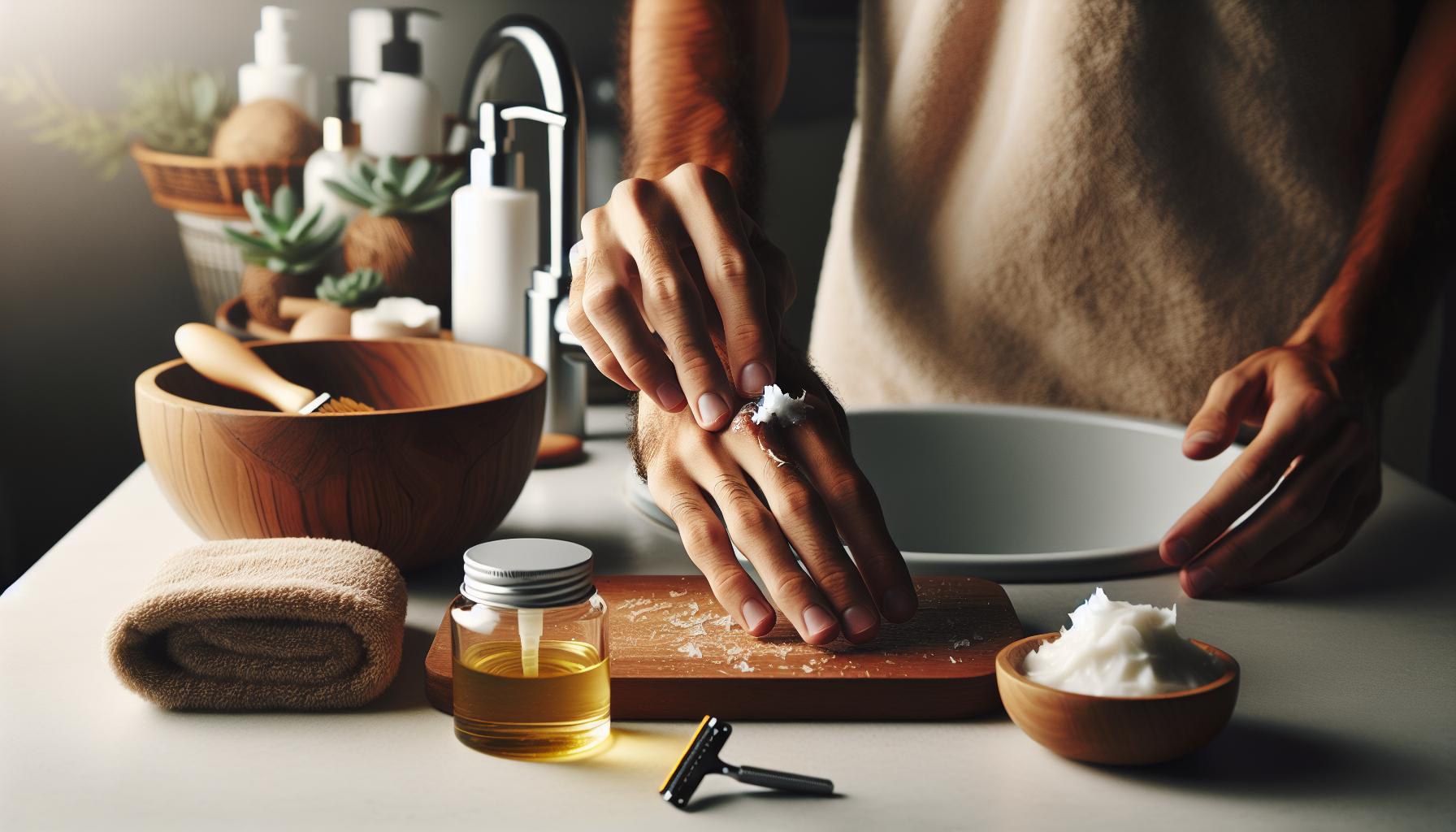
To effectively utilize coconut oil for soothing razor bumps, it’s essential to approach the application with care and intention. This natural remedy can provide excellent relief thanks to its moisturizing and anti-inflammatory properties. Here’s how to incorporate coconut oil into your post-shaving routine effectively.
Start by choosing high-quality coconut oil-preferably organic and virgin if possible-to maximize the health benefits. Warm a small amount, about a dime-sized dollop, between your palms until it melts into a liquid state. This might take just a few seconds. Proper warming not only makes for easier application but also enhances absorption into the skin.
Next, gently massage the melted coconut oil onto the affected areas with your fingertips. Use soft, circular motions for about 30 seconds to ensure it penetrates the skin. This method helps to hydrate and calm irritation more effectively. It’s best to apply it right after your shower or shave while your skin is still slightly damp, as this will lock in moisture and provide a soothing effect.
For added benefits, you can enhance the coconut oil with a few drops of tea tree oil or lavender oil, which are known for their additional anti-inflammatory and antibacterial properties. However, always perform a patch test if you’re adding any new essential oils to avoid potential allergic reactions.
Applying coconut oil consistently-ideally twice a day-will help maintain skin hydration and reduce the severity of razor bumps over time. Remember, patience is key; while coconut oil can provide relief, noticeable improvements may take several days of regular use. Aim to incorporate this nourishing oil into your daily grooming routine as a simple yet effective way to promote smoother, healthier skin.
Alternative Natural Treatments for Razor Bumps
For those dealing with the persistent annoyance of razor bumps, exploring alternatives to coconut oil can provide additional relief and enhance your skincare routine. Several natural remedies have shown promise in soothing and preventing these skin irritations, allowing you to choose what works best for you.
A popular option is aloe vera, known for its cooling and anti-inflammatory properties. Applying fresh aloe vera gel directly to the affected area not only hydrates the skin but also promotes healing. To use it effectively, consider extracting the gel from a fresh aloe leaf and applying a generous layer to your razor bumps after shaving. Leave it on for about 30 minutes before rinsing it off with cool water. This can help reduce redness and puffiness.
Another effective remedy is apple cider vinegar (ACV). Its antibacterial qualities can help prevent infection, which is crucial when dealing with bumps. You can create a simple solution by mixing one part ACV with three parts water, applying it to your skin with a cotton ball, letting it sit for about 10-15 minutes, then rinsing off. Be cautious with sensitive skin, as diluted ACV may still irritate-perform a patch test first.
For a soothing effect, tea tree oil is another natural ally. This essential oil possesses both antibacterial and anti-inflammatory properties, making it ideal for treating razor bumps. Mix a couple of drops of tea tree oil with a carrier oil, like coconut or almond oil, and apply it to the affected area. This combination not only helps combat bacteria but also moisturizes the skin, reducing irritation.
Lastly, incorporating witch hazel into your skincare routine can be beneficial. This natural astringent can reduce inflammation and soothe the skin. Apply witch hazel to a cotton pad and gently dab it on your bumps after shaving. Not only does it help in tightening the pores, but it also provides a cooling effect, which can be particularly comforting after a close shave.
Each of these alternatives can be effective in not only alleviating symptoms but also preventing future occurrences of razor bumps. Remember, it’s important to be patient as you try different treatments; what works for one person may vary for another. By experimenting with these natural remedies, you can find a combination that fits seamlessly into your grooming routine, leaving your skin smoother and more comfortable.
Preventing Razor Bumps: Best Practices to Follow
To keep those pesky razor bumps at bay, it’s essential to adopt a few proactive grooming habits. First and foremost, ensure that you’re using a sharp, clean razor. A dull blade can tug at your hair rather than cut it cleanly, leading to irritation. Replace your razor blades regularly-about every 5 to 7 shaves is a good rule of thumb. If you notice your razor pulling or dragging, it’s time for a change.
Another crucial step is to soften your hair before shaving. This can be achieved by shaving after a warm shower when your hair is hydrated, or by applying a warm, damp cloth to your skin for a few minutes. This simple practice not only makes the hair easier to cut but also helps open up your pores, further reducing the likelihood of bumps.
When it comes to the actual shaving process, always use a moisturizing shaving cream or gel. Look for products that contain soothing ingredients like aloe vera or tea tree oil. Apply a generous layer over the area you intend to shave, allowing it to sit for a minute or two to further soften the hair. Using smooth, gentle strokes, shave in the direction of hair growth to minimize irritation. Avoid going over the same area multiple times, as this can lead to increased friction on the skin.
Post-shave care is just as critical. Immediately after rinsing, pat your skin dry with a clean towel-don’t rub, as this can irritate freshly shaved skin. Keep your skin hydrated by applying an alcohol-free aftershave balm or lotion that contains calming ingredients like chamomile or witch hazel. This helps soothe any irritation and keeps your complexion nourished.
Lastly, consider exfoliating your skin a few times a week. Gentle exfoliation removes dead skin cells and keeps hair follicles clear, which can prevent ingrown hairs that lead to razor bumps. Choose an exfoliator with fine particles and avoid abrasive scrubs that can harm your skin. By integrating these habits into your routine, you’ll be well on your way to a smoother, more comfortable shave and fewer razor bumps.
Comparison: Coconut Oil vs. Other Remedies
When it comes to treating razor bumps, coconut oil is a popular choice, but it’s important to understand how it stacks up against other natural remedies. Many people seek out alternatives to manage skin irritation, soothe bumps, and prevent further issues. Coconut oil is known for its moisturizing and anti-inflammatory properties, making it a great option for calming irritated skin. However, you may wonder if it’s the most effective solution or if other remedies might work better.
Compared to alternatives like aloe vera, which is renowned for its soothing and cooling effects, coconut oil may offer a thicker consistency that is more occlusive. This means while coconut oil can lock in moisture, aloe vera absorbs quickly and hydrates without leaving a greasy residue, making it ideal for those with oily skin. If you’re looking for something lightweight, aloe vera might be the way to go.
Another common remedy is tea tree oil, which has antibacterial properties that can help prevent infections from settling in after shaving. Unlike coconut oil, tea tree oil is potent and should be diluted before application to avoid irritation. If you have sensitive skin, you may prefer to stick with coconut oil, which is generally easier on the skin and can be applied directly, making it a user-friendly option for those prone to bumps.
You might also consider using witch hazel, known for its astringent properties, which can tighten skin and reduce inflammation. It can be particularly effective if you’re dealing with small, red bumps as it helps to minimize excess oil and soothe irritation. However, witch hazel may dry out your skin, so combining it with a moisturizer like coconut oil can provide a balanced approach.
Ultimately, the best remedy for razor bumps often depends on your skin type and preferences. If you enjoy the moisturizing benefits of coconut oil and have had success with it, continue using it. However, it may be worthwhile to experiment with combinations or other remedies, like aloe vera or witch hazel, to see what yields the best results for your specific skin issues. Embrace the journey of finding what works for you, and remember that managing razor bumps may take a bit of trial and error.
Common Myths About Razor Bumps and Natural Treatments
Razor bumps, also known as pseudofolliculitis barbae, can be a frustrating issue for many, leading to confusion and misconceptions about their treatment. One common myth is that using coconut oil will completely eliminate razor bumps on its own. While coconut oil boasts impressive moisturizing and anti-inflammatory properties, it might not provide a one-size-fits-all solution. Individual responses vary widely, and for some, additional treatment methods may be necessary alongside coconut oil.
Another prevalent misconception is that all natural remedies are universally safe and effective. While natural treatments, including coconut oil, aloe vera, and witch hazel, can be beneficial, they may still cause reactions depending on skin sensitivity. For instance, some may find the thick, occlusive texture of coconut oil too heavy for their skin, potentially leading to breakouts or irritation. It’s crucial to test products on a small area first and observe how your skin reacts.
Also, there’s a belief that once razor bumps occur, they will require extensive time and effort to heal. While it’s true that inflamed bumps can be stubborn, combining treatments can expedite healing. Using coconut oil to moisturize can be effective when paired with gentle exfoliation or soothing toners, helping to prevent new bumps from forming in the future.
Lastly, many people mistakenly think that razor bumps are solely caused by improper shaving techniques. Although this is a significant factor, skin type, hair texture, and the frequency of shaving also play substantial roles. Therefore, adopting a comprehensive approach that addresses both skincare routines and shaving practices can lead to more effective prevention and treatment of razor bumps. Remember, finding what works best may require some experimentation and patience.
Real User Experiences: Coconut Oil for Razor Bumps
Many people have turned to coconut oil for relief from razor bumps, and their experiences often highlight the oil’s soothing properties and versatility. One user, Alex, shared that after struggling with persistent bumps post-shaving, they decided to give coconut oil a try. After applying a thin layer of virgin coconut oil to the affected areas every evening, Alex noticed a significant reduction in irritation and redness within just a few days. The oil’s anti-inflammatory properties helped calm the skin, making it a go-to remedy in their grooming routine.
Another user, Jamie, had a slightly different outcome. While they appreciated the moisturizing benefits of coconut oil, they found that it sometimes left their skin feeling too greasy, especially during warmer months. Jamie adapted their approach by mixing a small amount of coconut oil with a lightweight moisturizer, which provided hydration without the heaviness. This blending technique not only alleviated razor bumps but also helped maintain a fresh finish throughout the day.
It’s also worth noting that coconut oil can be a great ally for those with sensitive skin. A user named Sam reported that using coconut oil before shaving created a protective barrier on their skin, helping to prevent irritation. By applying it about 10 minutes before shaving, Sam found that their razor glided smoothly, resulting in fewer bumps and nicks. The key was ensuring they rinsed it off thoroughly afterwards to avoid clogging pores.
Ultimately, while many have found success with coconut oil, it’s essential to listen to your skin. Test it out in small areas if you’re uncertain about how your skin may react. Remember, individual experiences can vary greatly-what works wonders for one may not suit another. If you’re seeking a natural remedy to calm razor bumps, coconut oil could be worth trying alongside your usual grooming products to discover what best helps your unique skin type.
When to Seek Professional Help for Razor Bumps
Razor bumps can be an annoying and uncomfortable experience for anyone who shaves, but knowing when to seek professional help can make a significant difference in your skincare journey. If you find that the bumps persist despite your best efforts with home remedies, like coconut oil, it might be time to consult with a dermatologist or healthcare provider.
Consider reaching out to a professional if you notice:
- Persistent or worsening symptoms: If razor bumps last longer than a couple of weeks or seem to get worse despite treatment, a professional can assess whether there’s an underlying condition or infection requiring attention.
- Signs of infection: Be mindful of increasing redness, swelling, pus, or fever. These symptoms may indicate an infection, which needs medical treatment.
- Severe discomfort: If the bumps cause significant pain or itching that disrupts your daily life, a healthcare provider can recommend effective treatments tailored to your needs.
- Excessive scarring: If you notice scars forming due to repeated irritation or ingrown hairs, it’s essential to get advice on how to manage this issue to prevent further skin damage.
A dermatologist can provide professional insight into the best methods for managing and treating razor bumps based on your skin type and shaving habits. They might suggest topical treatments, medications, or even alternative hair removal options if traditional shaving is causing ongoing issues. Knowing when to seek help is an essential part of maintaining healthy skin, so don’t hesitate to advocate for your skincare needs!
Tips for Choosing Quality Coconut Oil Products
Choosing the right coconut oil is essential for effectively treating razor bumps and soothing irritated skin. Not all coconut oils are created equal, and selecting a high-quality product can make a significant difference in your skincare routine. Here’s how to navigate the options available to you.
First, look for extra virgin coconut oil. This type is made from fresh coconut pulp and is cold-pressed, which helps preserve its nutrients and beneficial properties. Unlike refined coconut oils, which may undergo chemical treatment and lose some of their natural benefits, extra virgin coconut oil retains its antioxidants and anti-inflammatory qualities. When checking labels, ensure it states “extra virgin” or “cold-pressed” prominently.
Another crucial aspect is to select products that are certified organic. Organic certification means that the coconuts were grown without harmful pesticides or chemicals, making it a safer choice for your skin. This is particularly important if you have sensitive skin, as fewer additives reduce the risk of irritation. Look for seals from reputable organizations to confirm its organic status.
Additionally, consider the packaging. Opaque glass jars are ideal because they protect the oil from light, which can cause it to oxidize and lose efficacy over time. Avoid clear plastic containers, as they do not provide the same level of protection. Keeping coconut oil stored in a cool, dark place will also help maintain its shelf life.
To ensure you’re using coconut oil effectively for razor bumps, check that the product’s ingredients list is minimal-ideally just coconut oil. Avoid those with added fragrances or preservatives, which can irritate the skin. By focusing on purity and quality, you set yourself up for better results in soothing and healing your skin after shaving.
In summary, prioritize extra virgin, organic coconut oil in protective packaging with a clean ingredient list. With the right choice, you can harness the soothing powers of coconut oil to combat razor bumps and keep your skin looking and feeling its best.
Enhancing Your Skincare Routine to Combat Razor Bumps
To truly tackle razor bumps and enhance your skincare routine, integrating coconut oil can be a game changer. This natural remedy not only provides soothing relief but also nourishes the skin. Begin your routine with a gentle cleansing process. Choose a mild, hydrating cleanser to wash away impurities without stripping your skin of its natural oils. Clean skin is crucial for allowing coconut oil to penetrate effectively and work its magic.
After cleansing, the next step is to prepare your skin for coconut oil treatment. Consider exfoliating once or twice a week using a gentle scrub or a chemical exfoliant with ingredients like lactic acid. Exfoliation removes dead skin cells that can trap hair follicles, reducing the risk of ingrown hairs. Following exfoliation, ensure your skin is slightly damp, as this helps the coconut oil to lock in moisture more effectively.
When applying coconut oil, use a dime-sized amount heated between your palms until it melts into a liquid. Gently massage it into the affected areas using circular motions for about 30 seconds. This not only soothes irritated skin but also enhances blood circulation, promoting healing. Remember, patience is key-allow the oil to absorb fully into your skin rather than wiping it off immediately. To maximize its benefits, consider leaving the oil on overnight, providing ample time for your skin to rejuvenate while you sleep.
Incorporating other skin-friendly practices can further support your fight against razor bumps. For example, consider using a soft washcloth or a konjac sponge during cleansing to avoid any harsh scrubbing. Also, stay hydrated by drinking plenty of water and consuming a balanced diet rich in vitamins-this is essential for maintaining healthy skin from the inside out.
By establishing a simple yet effective routine with coconut oil and these supportive practices, you can combat razor bumps and enjoy smooth, healthy skin. It’s about creating a regimen that respects and nurtures your skin’s unique needs, allowing for natural healing processes to thrive.
Q&A
Q: How does coconut oil help with razor bumps?
A: Coconut oil can help with razor bumps due to its anti-inflammatory and moisturizing properties. It soothes irritated skin, reduces redness, and provides hydration, which promotes healing. For optimal results, apply a small amount to the affected area after shaving to calm irritation.
Q: Can coconut oil prevent razor bumps before shaving?
A: Yes, coconut oil can help prevent razor bumps when used before shaving. By moisturizing the skin and softening hair, it reduces friction during shaving. Apply a thin layer to your skin to create a protective barrier, leading to a smoother shave and fewer bumps.
Q: How long does it take for coconut oil to reduce razor bumps?
A: Coconut oil typically starts to soothe razor bumps within a few hours of application, but complete healing may take a few days. For best results, consistently use coconut oil on the affected area. Incorporating it into your post-shave routine can expedite healing.
Q: Are there any side effects of using coconut oil for razor bumps?
A: Coconut oil is generally safe for most skin types, but some individuals may experience breakouts or allergic reactions. It’s wise to perform a patch test before widespread use. If irritation occurs, discontinue use and consult a dermatologist for alternatives.
Q: Can I mix coconut oil with other ingredients for razor bumps?
A: Yes, you can mix coconut oil with ingredients like tea tree oil or aloe vera for enhanced benefits. Tea tree oil has antibacterial properties, while aloe vera soothes and hydrates skin. Combine a few drops of tea tree oil with one tablespoon of coconut oil for effective treatment.
Q: Why should I choose coconut oil over commercial razors bump creams?
A: Choosing coconut oil over commercial creams can be beneficial due to its natural properties and lack of harsh chemicals. Coconut oil is a gentle option that hydrates and heals while being eco-friendly. Additionally, it’s often more cost-effective than specialized creams.
Q: When should I apply coconut oil for the best results with razor bumps?
A: For the best results, apply coconut oil immediately after shaving when your skin is still damp. This helps lock in moisture and soothes any irritated areas. You can also reapply it twice daily, especially after cleansing, to maintain hydration.
Q: Where can I buy quality coconut oil for treating razor bumps?
A: You can find quality coconut oil at health food stores, supermarkets, and online retailers. Look for organic, virgin coconut oil to ensure the highest purity and effectiveness. Always check the ingredient list to avoid any added fillers or preservatives.
Final Thoughts
In conclusion, coconut oil can be a game-changer in your battle against razor bumps, offering soothing hydration and anti-inflammatory properties. By incorporating it into your post-shaving routine, you not only reduce irritation but also nourish your skin. If you’re ready to tackle those pesky bumps effectively, start applying coconut oil today!
For more tips on flawless skin, check out our helpful guides on “DIY Soothing Aftershaves” and “Natural Ingredients for Skin Care.” Don’t forget to share your experiences or questions in the comments below; we love hearing from you! Sign up for our newsletter for exclusive content tailored to enhance your grooming routine. Let’s keep your skin healthy and glowing together!
Expert Guide: Is Coconut Oil Good For Skin Razor Bumps
When researching is coconut oil good for skin razor bumps, following structured best practices and expert recommendations is essential for achieving optimal grooming, style, and personal care outcomes. Implementing evidence-based methods protects your skin barrier and extends product longevity.
Essential Tips & Key Recommendations:
- Optimal Preparation: Always prepare the target area with proper cleansing, gentle hydration, or targeted skin conditioning before applying active products or styling techniques.
- Application Technique: Use light, controlled pressure and align with your natural skin contours and hair growth patterns to prevent friction and irritation.
- Post-Application Care: Lock in results with nourishing, non-comedogenic moisturizers or protective barriers to maintain balance and hydration.
- Sanitization & Tool Maintenance: Clean and dry all grooming accessories and applicators immediately after use, storing them in a cool, well-ventilated space.
Frequently Asked Questions:
Q: What is the most critical guideline regarding is coconut oil good for skin razor bumps?
A: Prioritize gentle, consistent care using high-grade, hypoallergenic products and sanitized equipment tailored to your personal routine.
Get our latest guides, news, and insights highlighted in your Google Search & AI Overviews.