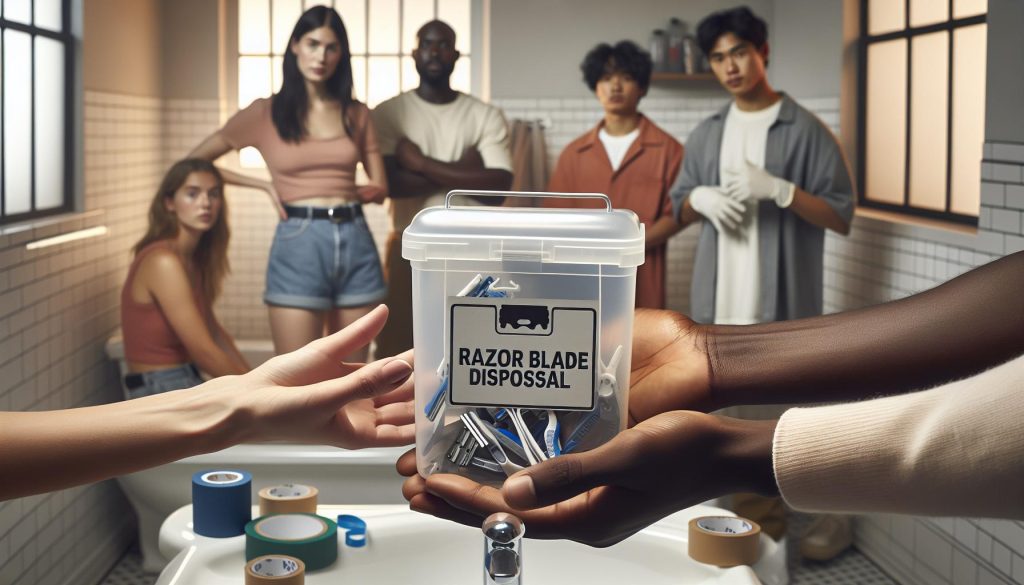
Did you know that safely disposing of razor blades is more important than you might think? While they’re essential for our grooming routines, these sharp objects can pose a serious risk to sanitation workers and the environment if not disposed of properly. In this guide, we’ll explore effective best practices for disposing of razor blades at home, ensuring that you keep yourself and others safe while being environmentally responsible. Whether you’re using disposable razors or safety razor blades, understanding the right disposal methods can help you manage your waste sustainably and contribute to a cleaner, safer community. Let’s dive into simple steps you can take today to make a difference!
Understanding the Risks of Improper Razor Blade Disposal
Improper disposal of razor blades poses serious risks that are often overlooked. Each year, countless injuries occur when discarded blades end up in locations where they can cause harm, such as landfills or even households. It’s not just a matter of physical injury; there’s also the potential for spreading infections if blades are contaminated. Understanding these risks can help you and others make informed choices about how to handle blade disposal effectively.
At home, the consequences of improper blade disposal can be particularly concerning, especially if children or pets are around. Blades that are not disposed of properly can lead to cuts or infections if someone accidentally encounters a sharp edge. Furthermore, caregivers or maintenance personnel in shared living environments are at risk when they encounter poorly discarded blades. By recognizing these hazards, we can adopt safer practices not only for ourselves but also for those around us.
To mitigate these risks, it’s essential to create a routine for blade disposal that prioritizes safety. Simple practices like using designated disposal containers can make a big difference. The goal is to ensure that spent blades are not left lying around or thrown away in a way that makes them accessible or hazardous to others. Each of us plays a role in fostering a safe environment, so take the time to educate yourself and others about proper disposal methods.
Why Safe Disposal of Razor Blades Matters
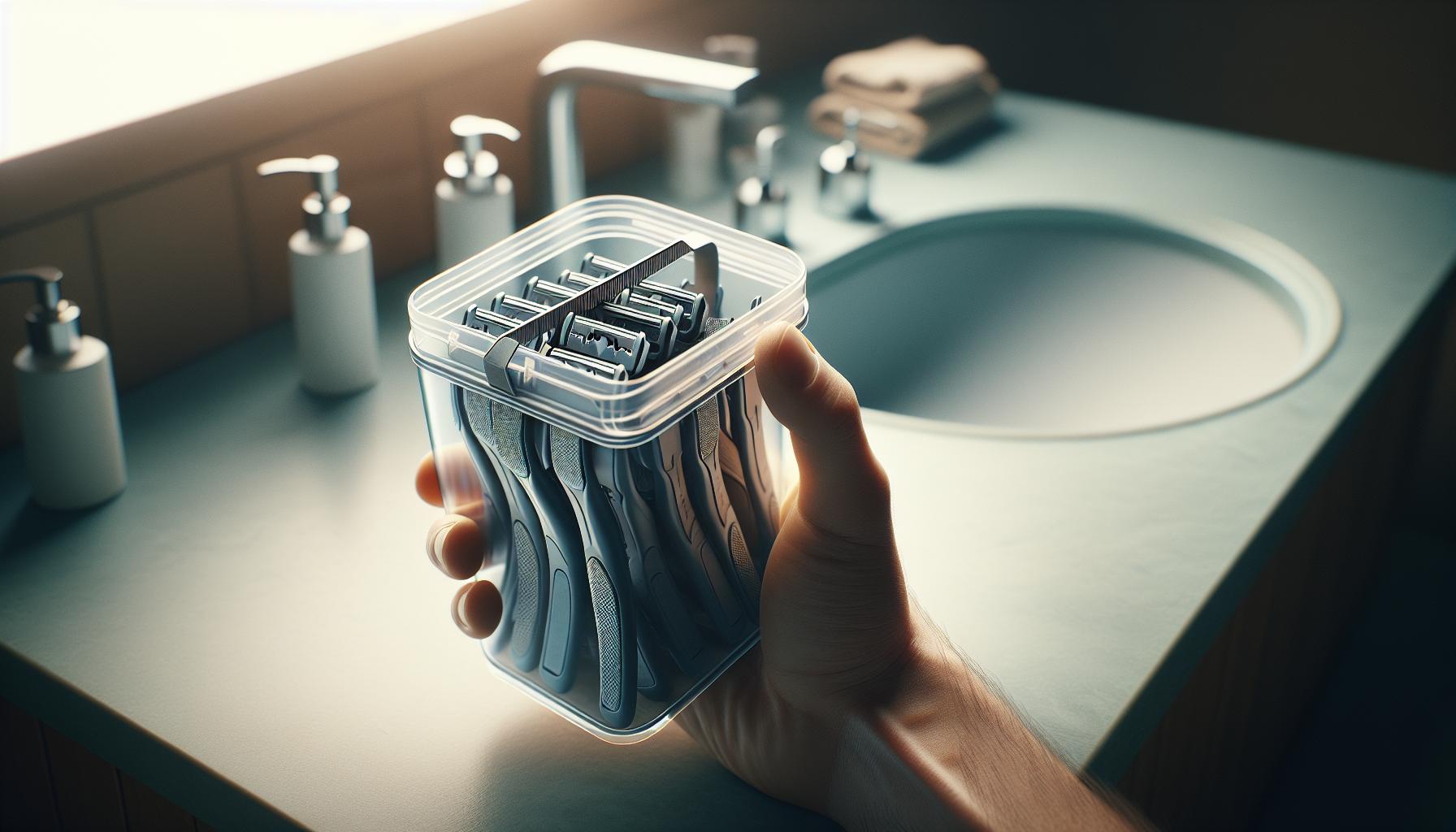
Improper disposal of razor blades can have serious consequences that might not be immediately obvious. Every year, accidents occur when blades are carelessly discarded, often leading to injuries for unsuspecting individuals who might come across them. This isn’t just a concern for adults; children and pets are particularly vulnerable in environments where sharp objects aren’t disposed of properly. Contaminated blades can also spread infections, adding another layer of risk. Understanding the implications of improper disposal can motivate us to adopt safer handling practices.
Moreover, the risks extend beyond the home and can affect workers in shared spaces, such as maintenance personnel or caregivers, who might encounter these hazardous items during their routines. By acknowledging these dangers, we can foster safer living environments where everyone, including family and friends, is protected from potential harm.
Implementing safe disposal methods is straightforward and greatly beneficial. Simple steps, like using designated containers for old blades, substantially reduce the chances of accidents. Everyone plays a role in maintaining safety, making it vital to educate ourselves and others about proper disposal techniques. Creating a habit of responsibly managing used blades not only safeguards ourselves but also helps prevent injuries to others, reinforcing the idea that safety is a collective responsibility. It’s about being proactive and considerate, ensuring peace of mind for everyone in your home or workplace.
Best Practices for Disposing of Razor Blades at Home
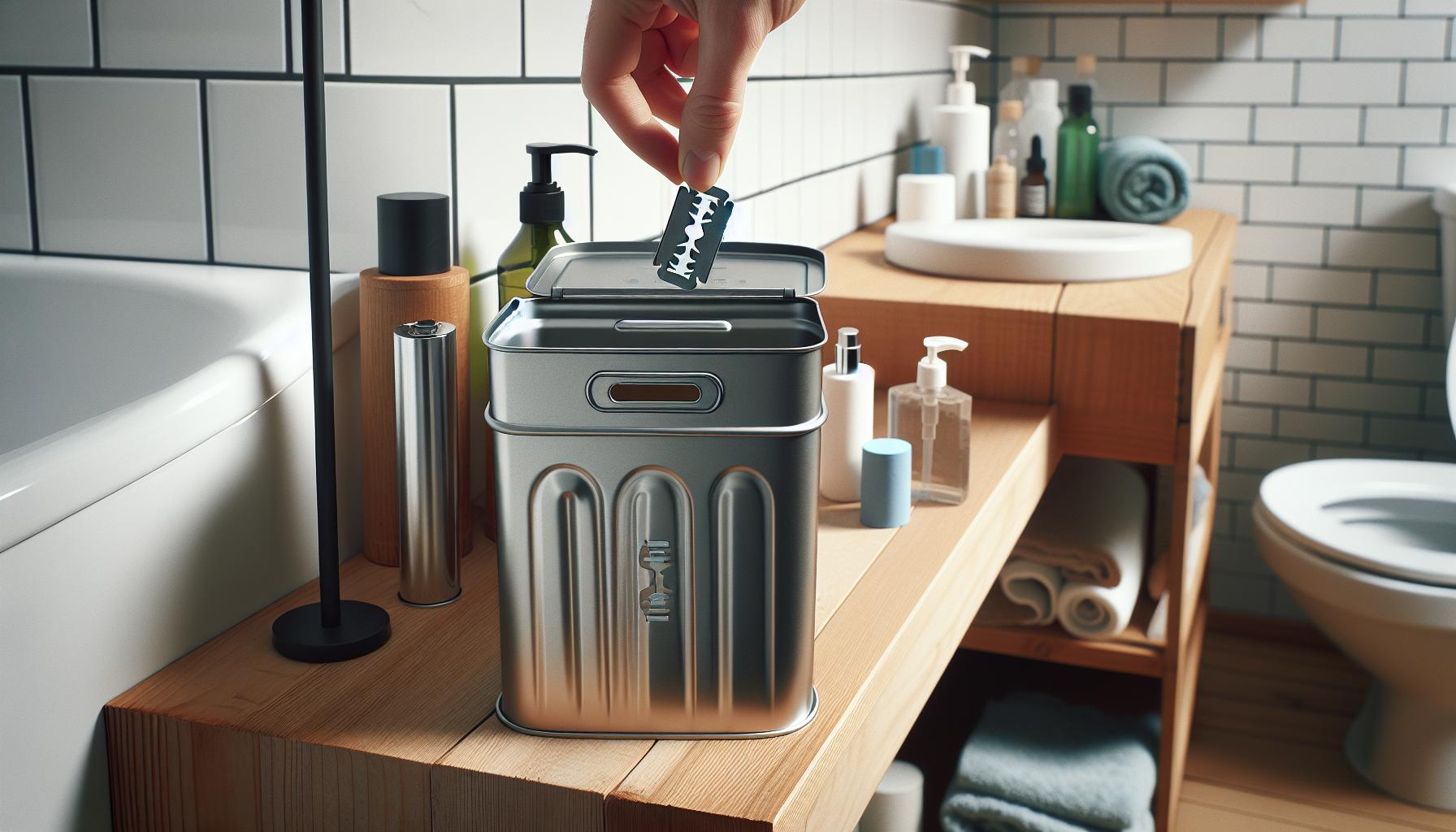
To ensure the safe disposal of razor blades at home, it’s essential to follow some straightforward yet effective practices. One of the simplest steps is to use a designated container for used blades. This container should be sturdy-think a small metal or hard plastic can with a secure lid. Options like the Rockwell Blade Safe are ideal since they are specifically designed to safely store and ultimately recycle your used blades once full [2].
When it comes to filling the container, make sure that the blades are placed in their sharp edges facing down or at a safe angle to minimize risk when handling the container. Keep your blade disposal container in a consistent, accessible location-like your bathroom cabinet or dresser-where you perform your shaving routine. This makes it easier to develop the habit of disposing of blades properly each time you change them.
It’s also critical to remember not to throw used blades in regular trash or recycling bins. They can cause injury to sanitation workers and are not safe for standard recycling processes. Once your container is full, follow your local guidelines for disposal-some areas allow you to put the entire container in the trash, while others may have specific hazardous waste drop-off locations. For instance, many community programs have initiatives for safely disposing of sharp objects.
By adopting these best practices at home, you can significantly reduce the risks associated with razor blade disposal and contribute to a safer environment for everyone. Remember, it only takes a few moments to ensure that your grooming routine stays safe and responsible.
Choosing the Right Container for Used Blades
Finding the right container for your used razor blades is vital for both safety and convenience. An ideal container not only protects you from accidental cuts but also prevents the blades from posing a risk to sanitation workers when you dispose of them. Think of it as a small but mighty fortress for your blades that ensures their sharp edges are contained until you’re ready for safe disposal.
When selecting a container, look for something sturdy and puncture-resistant. Metal containers are a fantastic choice because they are durable and typically more secure than plastic options. Many people opt for small metal tins with a lid, which can be sealed tightly once filled. However, if metal isn’t accessible, a hard plastic container can also do the job, provided it has a secure closure. Just make sure the container is clearly labeled as “used blades” to avoid any confusion in the household.
To further enhance safety, consider containers specifically designed for sharps disposal, such as the Rockwell Blade Safe-a product tailored for exactly this purpose. These products usually feature appropriate openings that make inserting blades simple while keeping them safely contained. Additionally, many of these containers are designed to be recyclable, so they align with eco-friendly disposal practices once they’ve reached their capacity.
No matter which container you choose, remember to place it in a consistent location that is easily accessible during and after your shaving routine. Taking these small yet impactful steps can help ensure that you’re not just safe but also contributing positively to your environment by preventing harmful disposal practices.
Tips for Securely Storing Razor Blades Before Disposal
When it comes to storing razor blades securely before disposal, creating a safe and practical system is essential for preventing accidents. Razor blades, while small, are incredibly sharp and pose a risk if not handled properly. By following a few straightforward guidelines, you can ensure that your blades are safely contained until you’re ready to dispose of them.
First and foremost, choose the right container. Opt for a sturdy, puncture-resistant container made of metal or high-quality plastic. A small metal tin, such as a dedicated razor blade disposal tin, can hold up to 100 blades and allows you to compactly store used blades while minimizing the risk of cutsWhat to Do with Broken or Rusty Razor Blades When it comes to handling broken or rusty razor blades, safety should always be your top priority. These blades, while necessary for grooming, can pose serious risks if not managed properly. If you find yourself with a damaged or corroded blade, the first step is to handle it with care. Always assume that any blade, regardless of its condition, is still sharp and capable of causing injury. For broken blades, it’s wise to wrap them securely in tape or place them in a sturdy container, like a small box or an old pill bottle. This not only protects you from accidental cuts but also helps mitigate the risk during disposal. If you’re dealing with rusty blades, the situation is slightly different. The rust can create additional health concerns, especially if the blade is left exposed. Ideally, wrap the blade to prevent accidental contact and immediately place it in your designated razor blade disposal container. Be sure to designate a specific, secure disposal container just for broken or rusty blades. This container should be puncture-proof and clearly labeled, ensuring that anyone in your home recognizes its purpose. Once your container reaches capacity, seal it tightly and follow your local community’s disposal guidelines. Many communities have hazardous waste collection programs that accept sharp objects, which is often the safest option. Remember, the ultimate goal is to dispose of these blades in a way that protects both you and the environment. By taking these steps, you not only safeguard your immediate area but also contribute to broader health and safety efforts within your community. Emphasizing safe disposal practices demonstrates care for yourself and those around you. When considering , it’s crucial to explore options that not only meet your grooming needs but also promote a more sustainable approach. Single-use plastic razors and disposable blades can significantly contribute to environmental waste, which makes the shift to more eco-friendly practices increasingly important. One popular alternative is the safety razor. These razors utilize replaceable stainless steel blades, which can be recycled after use. Unlike disposable razors, safety razors provide a closer shave and can last for years with proper maintenance. Invest in a quality model, and you’ll find that the cost over time can be significantly lower than constantly purchasing disposable options. Another option is the straight razor, which offers a unique grooming experience. This method requires a bit of practice but provides an exceptionally smooth shave. With the right care, a straight razor can last a lifetime, reducing waste while delivering impressive results. Additionally, if you’re looking for a more convenient approach, consider using a safety razor blade bank-these specialized containers provide a safe, hygienic way to store used blades until you’re ready to dispose of them properly. If you’re interested in completely eliminating blades from your routine, consider electric razors or trimmers. While they have a higher upfront cost, they can be more economical and sustainable in the long run since they require no blade replacement. Moreover, many modern electric shavers come with features that cater to different hair types and styles, making them versatile tools in your grooming arsenal. In summary, exploring not only helps in reducing waste but also enhances your shaving experience. By opting for safety razors, straight razors, or even electric shavers, you’re taking a step toward a more sustainable and budget-friendly grooming routine. Each of these options leads to less environmental impact, ensuring you feel good about your choices while achieving that clean-cut look. Improper disposal of razor blades poses significant environmental risks that are often overlooked. Every year, millions of disposable razors and blades end up in landfills, contributing to the global plastic crisis. Because many of these razors combine both metal and plastic, they can take centuries to decompose, leaching harmful chemicals into the soil and waterways as they break down. This pollution can have dire consequences for wildlife and ecosystems, emphasizing the importance of responsible disposal practices. To mitigate these environmental impacts, it’s crucial to adopt safe disposal methods. Using a specialized blade bank can help contain used blades until you’re ready to dispose of them responsibly. These containers serve as both a secure storage option and a means of preventing accidental injuries from sharp edges. Furthermore, some recycling programs accept metal blades, allowing for repurposing rather than landfill disposal. This not only decreases waste but also reduces the carbon footprint associated with producing new products from raw materials. Communities can take an active role in promoting proper disposal methods, as education is key in combating the environmental effects of razor waste. Whether through local campaigns or informational workshops, spreading awareness about the significance of blade disposal can empower individuals to make better choices. Whenever possible, shift towards sustainable alternatives like safety razors or electric shavers, which substantially decrease waste over time. In summary, being mindful of how we dispose of razor blades is essential in safeguarding our environment. By adopting responsible disposal methods, utilizing designated containers, and choosing sustainable grooming options, we can collectively lessen our ecological footprint and contribute to a healthier planet for future generations. In the bustling environment of salons and barbershops, razor blades are an essential tool for grooming, but they also require careful disposal to ensure safety and protect the environment. Improper management of these sharp objects can lead to serious injuries for both staff and clients, as well as contribute to harmful waste practices. By implementing proper disposal methods, salons can create a safer workspace and help minimize their ecological footprint. One of the most effective strategies for blade disposal is to invest in a blade disposal container. These specialized containers are specifically designed for safely storing used razor blades until they can be properly disposed of. Position these containers in accessible locations throughout the salon, such as near each workstation or where shavings and hair are collected. Encourage all staff members to responsibly dispose of blades after each use. This practice not only promotes safety but also fosters a culture of responsibility and care for the environment. Additionally, consider developing a regular disposal schedule. For instance, empty the blade containers once a week and ensure that used blades are treated as medical waste, especially when they are found in higher quantities from multiple clients throughout the day. Many communities offer specific disposal programs for sharps that can facilitate this process. Contact local waste management or health departments to find out the protocols and options available in your area. By choosing to work with a certified biomedical waste disposal service, salons can ensure that the disposed blades are handled in an environmentally friendly manner. Lastly, education plays a pivotal role in fostering a safe environment. Providing ongoing training for your staff about the importance of proper razor blade disposal can help reinforce best practices. Consider hosting brief workshops or informational sessions where you discuss the potential hazards of improper disposal and demonstrate how to use the disposal containers correctly. This proactive approach not only protects everyone in the salon but also positions your business as a leader in environmental responsibility and client safety. By focusing on safe disposal options, salons and barbershops can enhance safety measures and contribute positively to their communities. With simple steps like using designated containers and educating staff, you can make a significant impact on both workplace safety and environmental health. Educating others about razor blade safety is essential, especially in environments where sharp tools are regularly used. A well-informed circle-be it friends at home or colleagues at work-can significantly reduce the risks associated with improper disposal. Engaging methods can make learning about safety not only impactful but also enjoyable. Start by discussing the hazards of improper disposal. For instance, a simple conversation about how a discarded blade can lead to injury-especially to children or pets-can resonate with others. Use relatable examples: perhaps share a story about a close call or an incident that highlighted the importance of proper handling. These narratives can instill a sense of urgency and responsibility. Hosting informal workshops can be an excellent next step. Gather a small group and demonstrate the correct procedures for disposing of razor blades. Show them how to use dedicated disposal containers and explain why they are so important. You might even create a DIY project by having attendees decorate their own disposal containers. This hands-on involvement not only reinforces the lesson but also provides a visual reminder of the importance of safety. Additionally, using visual aids can enhance understanding. Consider creating infographics that outline the dos and don’ts of razor blade disposal. Distributing these as handouts or sharing them digitally can reinforce the message effectively. You can also leverage social media to share tips and personal experiences related to razor blade safety, creating a supportive community that values safety in personal grooming practices. By fostering a culture of awareness and responsibility, you can make a meaningful difference in how razor blades are handled and disposed of. Each conversation, demonstration, and shared resource contributes to a safer environment for everyone, giving peace of mind that proper disposal is being taken seriously. Many people believe they can dispose of razor blades like regular trash, but this is a common misconception. In reality, improperly disposing of razor blades can lead to serious hazards like cuts and punctures. To help clarify the truth about razor blade disposal, let’s debunk some prevalent myths. One significant myth is that throwing razor blades into the recycling bin is safe. This is false. Razor blades are sharp and can pose a danger to recycling workers. Moreover, most recycling facilities aren’t equipped to handle sharp items like blades, which can cause injuries and derail recycling efforts. Instead, it’s best to collect used blades in a designated container and dispose of them with regular trash. Another misconception is that all containers can be used for blade disposal. While many people may think a simple plastic bottle or cardboard box will suffice, these aren’t safe options. They can easily be punctured, leading to accidents. It’s essential to use specifically designed disposal containers that offer secure closure and are made from sturdy materials to prevent any leaks or accidents. Additionally, some individuals believe that it’s acceptable to wrap used blades in paper or tape before disposal. While this may seem like a good idea, it is not an effective safeguard. Wrapped blades can still break through the wrapping, posing risks during handling and disposal. Instead, investing in a dedicated blade disposal container is the safest option for managing used or broken blades. In summary, understanding the facts about razor blade disposal can significantly reduce risks and ensure that you’re disposing of them safely. Using proper disposal methods not only keeps you safe but also protects others who may come into contact with waste materials. Remember, when in doubt, it’s always best to research and follow best practices for hygiene and safety. Finding reliable resources for the safe disposal of razor blades in your community can be a game changer, not only for your safety but also for the environment. Many communities are becoming more aware of the need to handle waste like razor blades responsibly. To get started, check with your local waste management authority. They often provide guidelines on hazardous waste disposal and may offer specialized drop-off locations or collection events for sharp objects. Some health and wellness centers, including clinics and hospitals, may also have resources or programs in place to help with the disposal of razor blades. These facilities usually handle sharp waste safely and may allow local residents to utilize their disposal containers. It’s worth calling ahead to inquire about any community services or initiatives focused on safe disposals, such as sharps take-back programs. If you’re looking for a more hands-on approach, consider reaching out to local barbershops and salons. Many of these businesses are accustomed to dealing with razor blades and might be willing to share their disposal practices or even allow you to drop off your used blades in their designated containers. Establishing these relationships not only helps you dispose of your blades safely but may also foster a sense of community responsibility. Local recycling centers might have specific protocols for sharp items. Make sure to verify their guidelines, as improperly placed materials can cause injuries to workers and disrupt recycling efforts. By utilizing these community resources, you can ensure that your razor blade disposal practice is both safe and responsible, contributing to a healthier environment. Q: How do I safely dispose of used razor blades at home? Q: What should I avoid when disposing of razor blades? Q: Can I dispose of broken razor blades the same way as regular ones? Q: Is it environmentally safe to dispose of razor blades? Q: How can I educate my family about razor blade safety? Q: Are there specific disposal services for razor blades? Q: What container is best for storing used razor blades before disposal? Q: When should I dispose of my razor blades? Feel free to explore the main article for more details on razor blade safety and disposal practices! Now that you know how to dispose of razor blades safely, it’s time to put these best practices into action! Remember, using a dedicated disposal container not only keeps your home safe but also helps the environment by reducing waste. Feeling inspired? Check out our article on eco-friendly shaving options for a sustainable grooming routine here! We’d love to hear your thoughts: did you find this guide helpful? Share your tips or questions in the comments below! And if you want to keep learning about personal care, consider signing up for our newsletter for even more expert advice tailored just for you. Your journey to a safer and more sustainable shaving routine starts now-let’s make every shave count! Get our latest guides, news, and insights highlighted in your Google Search & AI Overviews.Alternatives to Traditional Razor Blades
Environmental Impact of Improper Blade Disposal
Safe Disposal Options for Salons and Barbershops
How to Educate Others on Razor Blade Safety
Common Myths About Razor Blade Disposal Debunked
Resources for Safe Disposal in Your Community
Q&A
A: To safely dispose of used razor blades at home, place them in a sturdy and puncture-resistant container, like a coffee can or a designated sharps container. Seal the container securely and label it clearly. When full, follow local regulations for disposal, which may include recycling or taking it to a hazardous waste facility.
A: Avoid throwing used razor blades directly into the trash or recycling bin, as they can cause injury to waste handlers. Also, don’t try to recycle them unless your local recycling program specifies that it accepts razor blades. Always use a secure container to mitigate risks.
A: Yes, you can dispose of broken razor blades in the same way as regular ones. Ensure that you place the broken pieces in a secure, puncture-resistant container to prevent injury to yourself or others during handling.
A: Proper disposal of razor blades can be environmentally safe if done correctly. Use designated sharps containers and follow your local disposal guidelines. Improper disposal, like throwing them in the trash, can contribute to environmental hazards.
A: Educate your family about razor blade safety by discussing the proper disposal methods and the risks associated with improper disposal. Use visual aids like posters or brochures, and demonstrate how to use and store blades correctly. Regularly revisit these discussions to reinforce safe practices.
A: Yes, some communities offer hazardous waste disposal services where you can safely drop off razor blades and other sharps. Check with your local waste management authorities for scheduled collection days or designated drop-off locations for sharps disposal.
A: A thick, puncture-resistant container like a plastic coffee can or a special sharps container is best for storing used razor blades. Ensure that it has a secure lid and is clearly labeled to prevent accidents.
A: Dispose of razor blades when they start to feel dull or if they have any visible damage, such as rust or bending. Regular checks can prevent injuries and ensure that you’re using safe, effective blades.In Retrospect