As children grow and explore their self-expression, the question arises: should they wear makeup? This topic is more than just about beauty; it’s about confidence, creativity, and social norms. Many parents find themselves wondering if makeup is an innocent form of play or if it could lead to unrealistic beauty standards. With expert opinions varying widely, navigating this decision may feel overwhelming.
In this article, we’ll dive into insights from professionals in childhood development and beauty, discussing the potential benefits and drawbacks of children using makeup. Whether you’re a parent seeking to understand the impact of makeup on your child’s self-esteem or simply curious about the cultural implications, we’ve got you covered. Join us as we unveil the expert perspectives that can guide your decision, helping you feel more informed and empowered in this conversation.
Should Children Wear Makeup? Understanding the Debate
Understanding the debate around whether children should wear makeup is essential for many parents. On one hand, allowing makeup can be a form of self-expression, helping kids explore their creativity and style. Conversely, it can also introduce concerns about body image and societal pressures at a young age. Balancing these aspects can be challenging, and it’s crucial to differentiate between the playful use of makeup and its implications on a child’s self-esteem.
Many parents wonder if makeup serves merely as a colorful plaything or if it sets unrealistic beauty standards. Some advocates argue that using makeup can boost a child’s confidence, particularly in social situations or performances. For instance, many kids enjoy wearing a touch of lipstick for school plays or glitzy events. However, it’s vital to consider the context. Casual use at home or during a special occasion can be harmless and fun, fostering artistic skills without associated pressures.
Another layer of the debate involves the age and maturity of the child. Younger children are more likely to view makeup as a fun activity, while older kids might begin to compare themselves to the images they see online and in various media. This is where parental guidance becomes essential. Discussing the purpose of makeup, emphasizing its role as an accessory rather than a necessity, can foster healthy perspectives on beauty. Furthermore, teaching kids about safe application and removal encourages responsibility and care for their skin.
Ultimately, the decision revolves around the child’s temperament, maturity, and the context in which makeup is applied. Encouraging open discussions about beauty standards and self-expression can empower children to make informed choices while enjoying the creative aspects of makeup.
The Benefits of Makeup for Kids: A Closer Look
Exploring the benefits of makeup for children reveals that, when approached mindfully, it can serve as more than just a colorful plaything. For many kids, wearing makeup can enhance creativity and self-expression, allowing them to experiment with different looks and styles. When children are encouraged to use makeup in a playful manner-like during costume parties or school performances-it cultivates their artistic skills and boosts their confidence. This kind of self-discovery can empower children, helping them to express their personality and individuality in a fun, tangible way.
Makeup can also play a role in social bonding and creativity. For instance, young friends may enjoy playdates where they apply face paint or lip gloss to each other, fostering connections and laughter. This collaborative use of makeup can serve as a bridge for children to strengthen friendships and practice sharing and teamwork. Emphasizing these positive interactions can help parents see makeup as a potential tool for social engagement rather than merely a beauty standard to navigate.
It’s important to highlight that using makeup can help develop responsibility and self-care habits. By teaching children how to apply and remove makeup correctly, parents can instill a sense of care for their appearance as well as their skin. For example, showing children how to apply a light layer of moisturizer before makeup not only protects their skin but also introduces them to a routine of personal care. This way, makeup becomes part of a broader conversation about health and wellness, rather than simply aesthetics.
In summary, when used appropriately, makeup can offer children benefits that extend beyond appearance-fostering creativity, enhancing social skills, and teaching self-care. Encouraging kids to explore makeup in a supportive environment can help them grow into confident individuals while making informed decisions about their beauty choices.
Potential Risks of Children Wearing Makeup
Concerns about children and makeup often stem from a mix of health implications and social pressures. While makeup can be a fun avenue for self-expression, it’s essential to recognize the potential risks that come with it, particularly for younger users. Skin sensitivity and allergy reactions rank high among these concerns. Children’s skin is typically more delicate and reactive than adult skin. Products containing synthetic ingredients or fragrances can lead to rashes, breakouts, or other allergic responses. To mitigate this, always choose hypoallergenic, dermatologist-tested products and perform a patch test on a small area of skin before allowing your child to fully apply any makeup.
Another related risk involves the improper application or removal of makeup. Many children may not understand the importance of maintaining good hygiene. This can lead to issues such as clogged pores and acne, or, in more severe cases, eye infections from the use of products like eyeliner or mascara. Teaching children the proper steps for both applying and cleaning off makeup helps instill a sense of responsibility. For instance, encourage them to use a gentle makeup remover or cleanser as part of their nightly routine to keep their skin healthy and clear.
Moreover, there’s the psychological aspect to consider. Children, especially tweens and teens, can be influenced by societal beauty standards that dictate how they should look. This can lead to issues surrounding self-esteem and body image. It’s crucial to foster an environment where your child understands the importance of inner beauty and self-acceptance. Discussing these topics openly can empower them to use makeup as a tool for fun rather than a means to conform to unrealistic ideals.
Lastly, teaching children about age-appropriate makeup usage is vital. While a swipe of lip gloss or a bit of face paint can be harmless, more elaborate makeup styles may send the wrong message about maturity and appearance. Discussing why certain looks are appropriate for different occasions can help develop their understanding and appreciation of makeup as just one facet of self-expression. Overall, awareness and open dialogue about these risks can create a healthy and positive approach to makeup for children.
Expert Insights: What Child Psychologists Say
The relationship between children and makeup is a nuanced subject that child psychologists have examined through various lenses, focusing on both psychological benefits and potential risks. One significant insight is that makeup can serve as a means of self-expression for children. According to experts, allowing kids to experiment with cosmetics in a supervised environment can boost their creativity and help them develop a sense of autonomy. When children choose how they want to express themselves-whether through playful face paint or a pop of lip gloss-they gain confidence in their individuality.
However, psychologists also caution against the pressures that societal beauty standards can impose on young minds. In a world saturated with images of beauty ideals, children may feel compelled to conform to unrealistic expectations. This pressure can lead to body image issues and diminished self-esteem, especially among tweens and teens who are still forming their identities. To combat this, psychologists recommend open dialogues about beauty and self-worth. Encouraging children to understand that their value lies beyond physical appearance can empower them to see makeup as a fun accessory rather than a necessity for approval.
To best navigate the complexities of makeup for children, experts advise focusing on age appropriateness and context. For instance, light makeup for special occasions can enhance self-esteem, while rules around makeup use for daily activities can prevent confusion about its role in their lives. Clinicians suggest setting boundaries, such as allowing makeup for family events or costume parties, to instill a healthy relationship with beauty products. Moreover, integrating discussions about healthy beauty habits, such as using safe products and proper skincare routines, reinforces positive behaviors that lead to lifelong self-care.
In summary, while makeup can be a vibrant form of self-expression, it is crucial to maintain an ongoing conversation about its impact. Providing support and guidance as children explore their identities can help cultivate a healthy perspective on beauty, making makeup a tool for creativity rather than a source of stress.
Age Appropriateness: When is Makeup Okay?
Determining the right age for children to wear makeup can be challenging for parents navigating societal pressures and personal values. It’s crucial to recognize that no one-size-fits-all answer exists; rather, who, when, and how happens depend largely on the individual child and the specific context. Many experts agree that introducing children to makeup should be a gradual process that aligns with their developmental stages, concepts of self-expression, and the messages they receive about beauty.
For younger children, such as those aged between 5 to 9 years, makeup can often be viewed as a fun accessory, primarily for playtime or dress-up activities. During this age, items like face paint and non-toxic cosmetics can provide opportunities for imaginative play. For instance, allowing them to use a light dab of lip gloss or bright nail polish for a family gathering can be a safe way to facilitate self-expression while keeping the experience casual and fun. Such instances can reinforce feelings of creativity and autonomy without placing the emphasis too heavily on the notion of beauty.
As children transition into their tween years, typically between ages 10 and 12, there may be a natural curiosity to explore makeup further. Parents might consider a more open dialogue at this stage, discussing the role of makeup in everyday life. At this age, a light foundation or tinted moisturizer can be introduced, emphasizing the importance of skin health. Teaching children how to apply makeup correctly-not just the “how,” but also the “why” behind different products-will empower them to make informed choices while nurturing healthy self-esteem.
For teenagers, the conversation about makeup often transforms as they start to express their personal style more assertively. Here, the focus should be on balance and understanding. Rather than strict rules, parents can promote healthy boundaries, such as using makeup for special events or outings while encouraging them to embrace their natural beauty on everyday occasions. It’s also vital to underscore the importance of selecting safe products and practicing good hygiene, as teenage skin can be sensitive to certain ingredients.
In summary, timing and context are critical when considering when children should wear makeup. By integrating thoughtful discussions about self-expression, health, and personal values, parents can guide their children on a path towards a healthy relationship with beauty-making makeup a fun exploration rather than a pressure to conform to societal standards.
Makeup for Special Occasions: Guidelines for Parents
Introducing makeup to children during special occasions can be a delightful and memorable experience, but it requires a thoughtful approach to ensure it’s fun and safe. Many parents wonder how to navigate this subject, especially when events like birthday parties, school performances, or family celebrations arise. It’s all about setting boundaries while allowing creativity to flourish.
When considering makeup for special occasions, it’s important to focus on natural application. Opt for products that enhance rather than cover up. Light face paint or a thin layer of lip gloss can allow kids to express themselves without overwhelming their features. For example, a dab of shimmery eyeshadow or a soft blush can be a perfect touch for a school play without appearing too heavy.
Guidelines for Parents
1. Start Simple
Keep it light and fun. Consider letting your child choose one or two makeup items. This could be a bit of lip balm with color or sparkly nail polish. This keeps the experience enjoyable and doesn’t put too much emphasis on beauty. You might say, “How about we pick a fun color for your nails for the party?” This fosters excitement rather than pressure.
2. Safety First
Always prioritize safety when selecting products. Look for non-toxic, kid-friendly cosmetics that are specifically designed for younger skin. Brands that use natural ingredients or avoid harsh chemicals are ideal. Before any event, conduct a patch test to ensure there’s no allergic reaction. Simply apply a small amount of product on their wrist and wait 24 hours to check for any irritation.
3. Teach Application Techniques
Engaging your child in the application process can enhance their understanding of makeup. Demonstrate how to apply a tiny amount of foundation or tinted moisturizer using a clean sponge for even coverage. Explain why you’re using products designed for sensitive skin-like how these help maintain their skin’s health while still enjoying makeup.
4. Encourage Self-Expression
Makeup can be a fun way for children to express their personality. Encourage them to pick colors that reflect their mood-like bright pinks for a joyful celebration or soft pastels for a family gathering. This teaches them that makeup is an extension of their creativity rather than a necessity.
5. Set Time Limits
Remind your child that special occasion makeup is just for the day, reinforcing that they can enjoy it without feeling pressured to wear it all the time. After the event, take time to wash off the makeup together, discussing what they enjoyed most about the process.
In summary, makeup for special occasions can be a positive introduction to beauty practices for children when approached thoughtfully. Balancing fun with safety and education can create a meaningful experience that empowers your child and deepens their confidence in self-expression.
Choosing Safe Products: What to Look For
Choosing the right makeup products for kids can feel overwhelming, especially with so many options available today. But ensuring that the makeup is safe and suitable for delicate young skin is crucial. With the right knowledge, you can make informed choices that prioritize both fun and health.
When selecting makeup for children, look for products specifically labeled as non-toxic and designed for young skin. These products often exclude harmful chemicals like parabens, phthalates, and synthetic fragrances, which can irritate sensitive skin. A good rule of thumb is to choose cosmetics that are hypoallergenic, meaning they’re less likely to cause allergic reactions. Brands that emphasize natural ingredients, such as plant extracts and mineral-based pigments, are often gentler on skin.
It’s also smart to check for age appropriateness. Many brands create lines specifically for children that include softer formulations and brighter colors without overwhelming coverage. For example, a tinted lip balm with a hint of color can be a great first choice compared to a heavily pigmented lipstick. Products that easily wash off with soap and water are also ideal, as they minimize potential skin irritation and promote a fun experience without the stress of heavy removal routines.
Before letting your child try a new product, perform a patch test. Simply apply a small amount of the product on your child’s wrist or behind their ear and wait 24 hours to see if any irritation develops. If there’s no reaction, you can feel more confident about using the makeup on their face. This not only ensures safety but also teaches children the importance of being aware of how their skin reacts to different products.
In summary, prioritize kid-friendly, non-toxic, and age-appropriate products when it comes to children’s makeup, taking the time for patch tests to ensure safety. This way, kids can enjoy their creative expressions while keeping their skin happy and healthy.
How to Teach Kids Healthy Beauty Habits
Building healthy beauty habits in children isn’t just about ensuring they apply makeup correctly; it’s about fostering a positive relationship with their appearance and self-expression. Engaging kids in discussions about beauty can empower them to approach it with confidence and understanding. Start by introducing the idea that beauty comes in many forms and should never solely conform to external standards. This sets a foundational belief that their worth isn’t reliant on their appearance.
One effective way to instill healthy habits is to practice beauty routines together. Make it fun by planning a “spa day” at home where you can explore different techniques, talk about the products you’re using, and emphasize the importance of skin care. Discuss why cleansing, moisturizing, and protecting the skin from sun damage is essential, using clear, simple language that resonates with their age. Explain that skincare is not just about looking good; it’s about taking care of their body.
Encourage them to express their creativity through makeup by setting clear boundaries and guidelines. Talk about how makeup can enhance their features rather than mask them, promoting an understanding of moderation. You might say, “Let’s try a fun look with just a little glitter for a party instead of a full face.” This approach allows children to experiment while learning that less can be more, fostering a healthy perspective on makeup use.
Moreover, involve them in the decision-making process when selecting products. Help them read labels, emphasizing the importance of choosing non-toxic and skin-friendly items. This educational aspect not only teaches them to be informed consumers but also empowers them to make choices that are safe for their skin.
Incorporating a discussion about media’s influence on beauty standards can further guide them in developing a critical mindset. Ask questions like, “How do you think social media affects how we see beauty?” This encourages reflective thinking about images they encounter and helps them understand that many portrayals are altered and don’t represent real life.
Finally, positively reinforce their self-image regularly. Compliments on their creativity, not just their looks, can help them build self-esteem rooted in who they are rather than their appearance. Remind them that their uniqueness is their superpower, framing beauty as a form of self-expression rather than a rigid standard to conform to. By embedding these practices into your routine, you’re setting them on a path toward healthy beauty habits that will last a lifetime.
The Role of Social Media on Beauty Standards
The influence of social media on beauty standards is undeniable and has dramatically reshaped perceptions of beauty among children and teens. With platforms like Instagram and TikTok allowing anyone to curate their image, kids are bombarded with ideally presented faces, flawless skin, and fashion trends that can skew their self-image. Research shows that children who consume beauty-related content on these platforms may feel pressured to conform to these unrealistic expectations, which can lead to insecurities about their natural appearance.
It’s crucial for parents to engage their children in conversations about the content they see online. Discussing why certain images may be edited or filtered can foster a more critical awareness of these representations. You might ask, “What do you think makes a photo look good online?” This type of dialogue not only encourages independent thinking but also helps kids to recognize that beauty comes in diverse forms and is not limited to what they see on their screens.
Moreover, social media can also serve as a tool for empowerment rather than pressure. With the rise of body positivity movements and influencers promoting real beauty, kids can discover diverse role models who celebrate individuality. Encourage your child to follow accounts that embrace authenticity and self-love, reinforcing the idea that beauty is deeply personal and not defined by likes or hashtags.
Lastly, it’s important to monitor and limit screen time where necessary to reduce exposure to harmful content. Consider setting boundaries for social media use and creating tech-free zones or times at home. This not only promotes healthier viewing habits but also allows for more meaningful discussions and activities that reinforce self-worth beyond appearance. Empowering children with knowledge about social media’s impact can help them navigate the complex world of beauty standards with confidence and resilience.
Empowering Self-Expression or Pressure to Conform?
As we navigate the world of beauty and self-expression, the delicate balance of encouraging creativity while avoiding undue pressure is ever-present. Children today are constantly bombarded with images of beauty that can skew their perception of what it means to look good. On one hand, wearing makeup can be a fun means of self-expression for young ones, allowing them to explore their individuality and creativity through color and artistry. However, it can also create a conflict where children feel compelled to conform to specific beauty ideals presented on social media and in advertising.
To empower kids effectively, it is crucial to establish a supportive environment where makeup can be viewed as a tool for self-expression rather than a necessity for acceptance. For instance, when children express interest in makeup, encourage them to create looks that reflect their mood, favorite colors, or even artistic inspirations. This not only promotes creativity but sends a clear message that self-worth is not contingent on outside approval or appearance.
However, parents should be mindful of the potential pitfalls. Open discussions about the impact of social media can help children critically analyze what they see online. Setting guidelines around makeup use can also foster healthy habits. For example, encourage playful experimentation at home rather than in social settings, allowing kids to enjoy makeup without the pressure of judgment from peers. This approach lessens the chances of them feeling they must adhere to peer norms, and instead, reinforces the idea that true beauty lies in being authentic and self-confident.
In conclusion, the way we frame the conversation around makeup can significantly influence children’s self-perception. Instead of viewing makeup as a mask they need to wear, it’s essential to cultivate a mindset that celebrates personal expression and individuality. By educating children on beauty standards and encouraging positive self-image, we empower them to navigate the complexities of societal expectations confidently.
Alternatives to Traditional Makeup for Kids
Exploring beauty and self-expression doesn’t have to mean relying solely on traditional makeup products. Many alternatives can provide a playful and creative outlet for children while fostering a healthy relationship with their appearance and individuality. Here are some delightful options that allow kids to enjoy the fun of beautification without the pressures associated with conventional makeup.
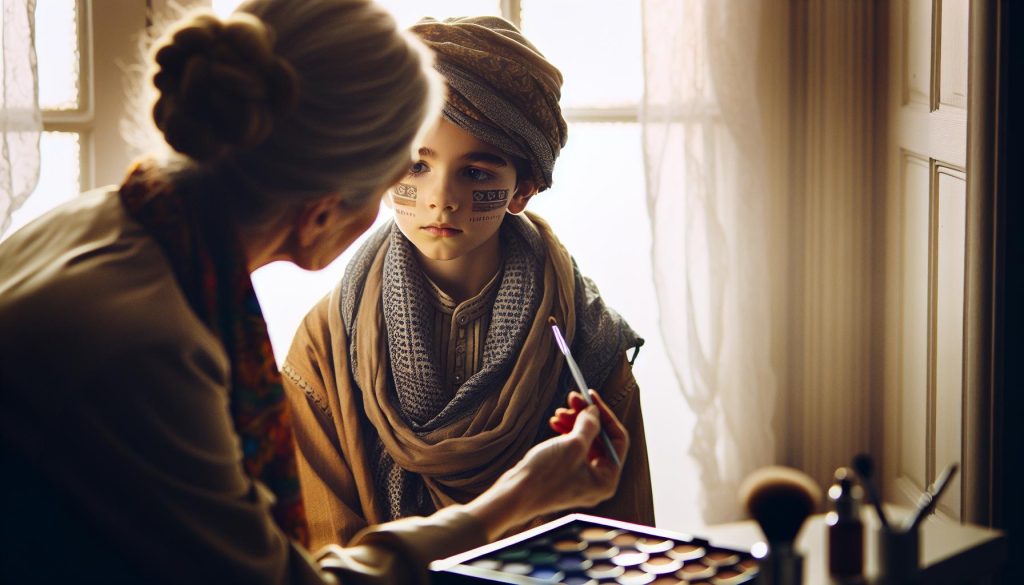
Using face paint can turn a simple look into an imaginative masterpiece. Whether for a costume party or just a creative play day at home, face paint can encourage artistic expression. It allows kids to unleash their creativity by transforming into their favorite characters or animals. Look for non-toxic, water-based options that are easy to apply and remove. When using face paint, remind children to work on small areas at a time, applying with a sponge or brush for vibrant results.
For those interested in nail art, consider using nail stickers or decals. These fun tools allow kids to adorn their nails with colorful designs without the need for actual nail polish. Simply peel and apply the stickers to clean, dry nails for an instant pop of personality. Encourage your child to mix and match designs based on their outfits or moods, creating a unique and personal aesthetic.
If your child still wishes to enhance their natural features, try introducing them to tinted lip balms. These products not only provide a hint of color but also hydrate and protect delicate lips. Choose balms made with nourishing ingredients like shea butter or coconut oil to ensure healthy and comfortable wear. Discuss the importance of choosing products that prioritize skin health over heavy makeup, fostering an understanding that beauty can be both fun and safe.
Finally, consider engaging in DIY beauty projects. Making homemade beauty products, like colorful body glitter or scented flower water, can result in fun creations while teaching kids about ingredients and self-care. Explore with natural ingredients at home using materials like coconut oil, essential oils, and biodegradable glitter. This hands-on approach not only fosters creativity but also imbues a sense of ownership over their beauty experiences.
By focusing on these alternatives, children can explore beauty in a way that emphasizes creativity and self-acceptance, instilling a balanced view of personal expression.
Faq
Q: At what age is it appropriate for children to start wearing makeup?
A: The appropriate age for children to start wearing makeup varies, but many experts suggest that pre-teens around 10-12 years old can begin experimenting lightly. Parents should consider maturity levels and provide guidance based on their child’s understanding of self-expression and appropriateness.
Q: What types of makeup are safe for children?
A: Safe makeup for children includes products labeled as hypoallergenic and non-toxic, such as gentle lip balms, tinted moisturizers, and blushes made for sensitive skin. Always check for age-appropriate formulations to minimize irritation risks.
Q: How can parents set guidelines for their children’s makeup use?
A: Parents can set clear guidelines by discussing the reasons for makeup use and establishing rules around when and how much makeup can be worn. This could include limiting use to special occasions or defining specific products that are allowed, fostering healthy beauty habits.
Q: Can wearing makeup negatively affect a child’s self-esteem?
A: Yes, wearing makeup can impact a child’s self-esteem, especially if they feel pressured to conform to beauty standards. Encouraging self-acceptance and focusing on inner qualities can help mitigate external pressures that may arise from makeup use.
Q: What are the potential benefits of children wearing makeup?
A: Makeup can offer benefits like encouraging creativity, self-expression, and improving fine motor skills when applying products. Constructive use can also boost confidence in social situations if approached positively and age-appropriately.
Q: How should parents discuss makeup and beauty standards with their children?
A: Parents should have open conversations about beauty standards, including discussions on the difference between media portrayals and reality. Encourage kids to focus on individuality and emphasize that beauty comes in many forms beyond physical appearance.
Q: Is it okay for children to wear makeup to school?
A: Allowing children to wear makeup to school depends on school policies and the child’s age. Discussing acceptable levels-like minimal or light makeup-can help ensure they express themselves without distractions.
Q: Are there alternatives to traditional makeup for kids?
A: Yes, alternatives include face paint, temporary tattoos, or fun accessories. These options allow for creative expression without the commitment or potential skin issues associated with traditional makeup products.
Wrapping Up
As we wrap up our exploration of whether children should wear makeup, it’s clear that the decision hinges on personal values and circumstances. Understanding expert opinions can empower you to make informed choices for your family. If you’re considering introducing makeup to your child’s routine, think about starting with simple, safe products, and most importantly, maintaining an open dialogue about beauty and self-expression.
Curious to dive deeper into child health and wellness? Check out our article on nurturing self-esteem in children or explore safe beauty products tailored for young skin. Don’t forget to subscribe to our newsletter for the latest tips and updates-because your journey towards making informed beauty choices doesn’t have to end here! Share your thoughts in the comments below-how do you feel about makeup for children? Let’s keep the conversation going!
Get our latest guides, news, and insights highlighted in your Google Search & AI Overviews.