
In today’s fast-paced world, protecting your peace is more important than ever. We often find ourselves surrounded by chaos-whether it’s the noise of everyday life or the pressures from others-making it challenging to cultivate a sense of calm and serenity. This guide, “Never Let Anyone Disturb Your Peace,” offers practical strategies to help you create a tranquil space, both mentally and emotionally. By prioritizing your well-being and learning to set boundaries, you can navigate the challenges of modern life with grace. Imagine waking up each day with a renewed sense of calm, equipped with the tools to shield your peace. Together, let’s explore how to create that oasis of tranquility, so you can embrace life’s moments without distraction or disturbance. Dive in and discover actionable steps to reclaim your serenity and enhance your overall wellness!
Cultivating Inner Peace: Why It Matters
Finding inner peace isn’t just a trendy concept; it’s a vital aspect of living a fulfilling life. It acts as a buffer against stress, anxiety, and the chaos of everyday life, enabling you to navigate challenges with a sense of calm and clarity. Cultivating this peace isn’t just about feeling good in the moment but about creating a foundation for lasting well-being. When we maintain our inner tranquility, we open ourselves up to greater levels of compassion and acceptance, not just toward ourselves but also toward others. This serene state of mind can enhance our relationships, productivity, and overall happiness.
There are practical reasons to prioritize inner peace. Research suggests that individuals who regularly engage in practices that promote calmness-like mindfulness and meditation-tend to have better emotional health and lower stress levels. This suggests that cultivating your inner peace can lead to tangible benefits in your daily life. Furthermore, as our modern lives become increasingly complex and demanding, the ability to find stillness amidst the storm can serve as a powerful tool against the stresses that threaten our well-being. By focusing on nurturing your peace, you build resilience against external pressures and disruptions that can lead to burnout.
Real-world outcomes from prioritizing inner peace include improved mental clarity, emotional stability, and better decision-making skills. When we are not clouded by stress or conflict, we can focus on what truly matters. Choosing to cultivate calm and serenity transforms the way we respond to life’s challenges, allowing us to approach them with grace and purpose. The cultivation of inner peace isn’t just beneficial for us-it radiates outwards, positively affecting those around us and fostering a more harmonious environment in our personal and professional lives.
Ultimately, taking the steps to nurture inner peace is a vital investment in both your present happiness and future resilience. It is in this deliberate pursuit of calm that we can truly start to engage with life on a deeper level, fostering connections and experiences that resonate with authenticity and purpose.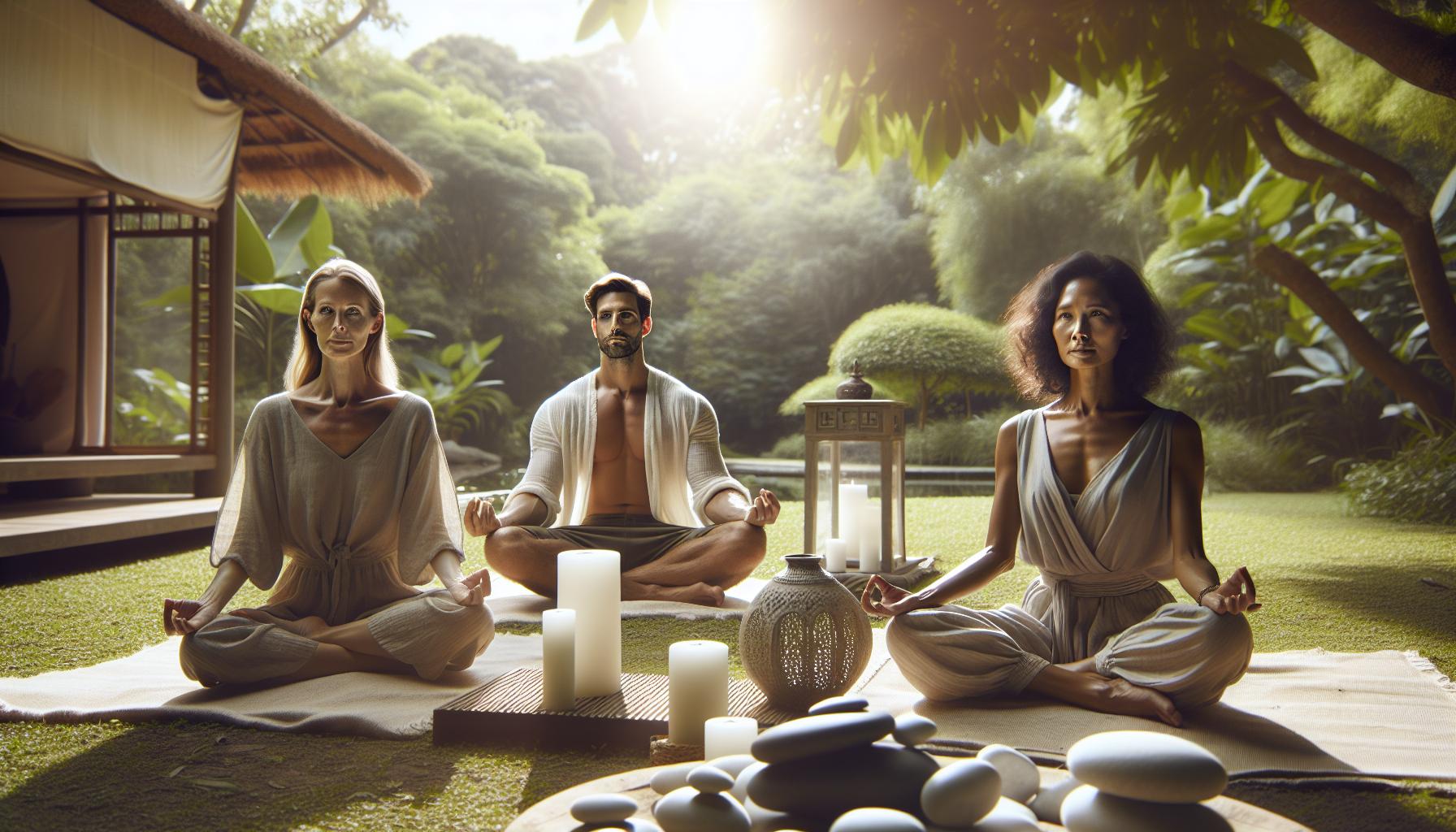
Identifying What Disturbs Your Peace
Recognizing the elements that disrupt your inner peace is the first step toward nurturing a calm and harmonious life. Often, we are so immersed in daily routines and obligations that we overlook the specific stressors affecting our emotional state. Identifying these disturbances requires a mindful approach, as self-awareness lays the foundation for change. Consider keeping a journal where you can document situations, thoughts, and feelings that lead to stress or anxiety. Reflecting on these entries can help you pinpoint common triggers, whether they are specific people, overwhelming responsibilities, or unproductive habits.
In many cases, disturbances may originate from external sources, such as negative relationships or a chaotic work environment. For instance, if you consistently feel drained after meetings with certain colleagues, it may be worth examining those interactions. Ask yourself what aspects of these encounters leave you feeling unsettled-are they critical comments, lack of support, or simply different work styles? By understanding these dynamics, you can implement strategies to minimize exposure to these stressors or adjust your responses in a way that protects your peace.
Internal factors can also disturb your tranquility. Thoughts centered around perfectionism or self-criticism can create a cycle of anxiety. If you find yourself habitually worrying about outcomes-whether a project at work will succeed or how you measure up to others-recognizing these patterns is crucial. Lifestyle adjustments, such as setting realistic goals and practicing self-compassion, can alleviate the pressure you place on yourself.
Whenever you identify what disturbs your peace, consider employing simple frameworks for response:
- Set Boundaries: Politely decline social obligations that drain you or limit your communication with negative influences.
- Mindfulness Techniques: When faced with stress, take a moment to breathe deeply and refocus your thoughts. This interrupts the cycle of negativity and provides clarity.
- Positive Environments: Create nurturing spaces in your home that promote relaxation-perhaps a cozy reading nook or a serene meditation corner.
By being vigilant about what disturbs you, and taking proactive steps to address these issues, you’ll foster a more stable inner peace that empowers you to navigate life’s challenges with grace.
Practical Techniques to Cultivate Calm
Finding tranquility amid the chaos of daily life can sometimes feel like an elusive dream. However, by incorporating intentional practices into your routine, you can foster an inner sense of calm. Creating a foundation for serenity involves straightforward techniques that anyone can adopt, regardless of their current situation or challenges. Here are some practical strategies to help you cultivate calm and keep disruptions at bay.
One effective method for maintaining calm is through the practice of intentional breathing. When you feel stress creeping in, take a moment to pause and focus on your breath. Inhale deeply through your nose for a count of four, hold for a count of four, and exhale through your mouth for a count of six. Repeat this cycle four to five times to clear your mind and reduce anxiety. This simple technique can be done anywhere and can help you regain focus and clarity in stressful moments.
Another powerful way to cultivate calm is to incorporate physical activity into your routine. Exercise not only boosts your mood through the release of endorphins but also serves as an excellent outlet for stress. Aim for at least 30 minutes of moderate activity-whether it’s a brisk walk, yoga, or dancing to your favorite music-several times a week. Create a playlist of upbeat songs that energize you; this can transform your workout into a joyful escape, helping you maintain a peaceful mindset.
Creating a calming environment at home can also play a vital role in cultivating serenity. Consider decluttering your space, as a tidy environment can greatly enhance your state of mind. Invest in soft lighting, soothing colors, and elements like plants or candles that promote relaxation. Designate a specific area in your home as a ‘calm zone’ where you can retreat to read, meditate, or simply unwind. Personalize this space with items that bring you joy, such as photographs, art, or books that inspire you.
Lastly, stay connected with elements of nature. Bringing the outdoors inside or spending time outside can significantly improve your mood and reduce stress. If possible, add greenery to your living space by incorporating houseplants, which not only purify the air but also provide a calming visual presence. Alternatively, consider taking regular walks in a nearby park or nature trail to help ground yourself in a serene environment.
By integrating these techniques into your life, you’ll find that maintaining a state of calm becomes increasingly achievable. Remember, it’s a journey, and small, consistent efforts can lead to profound changes in your outlook and sense of peace.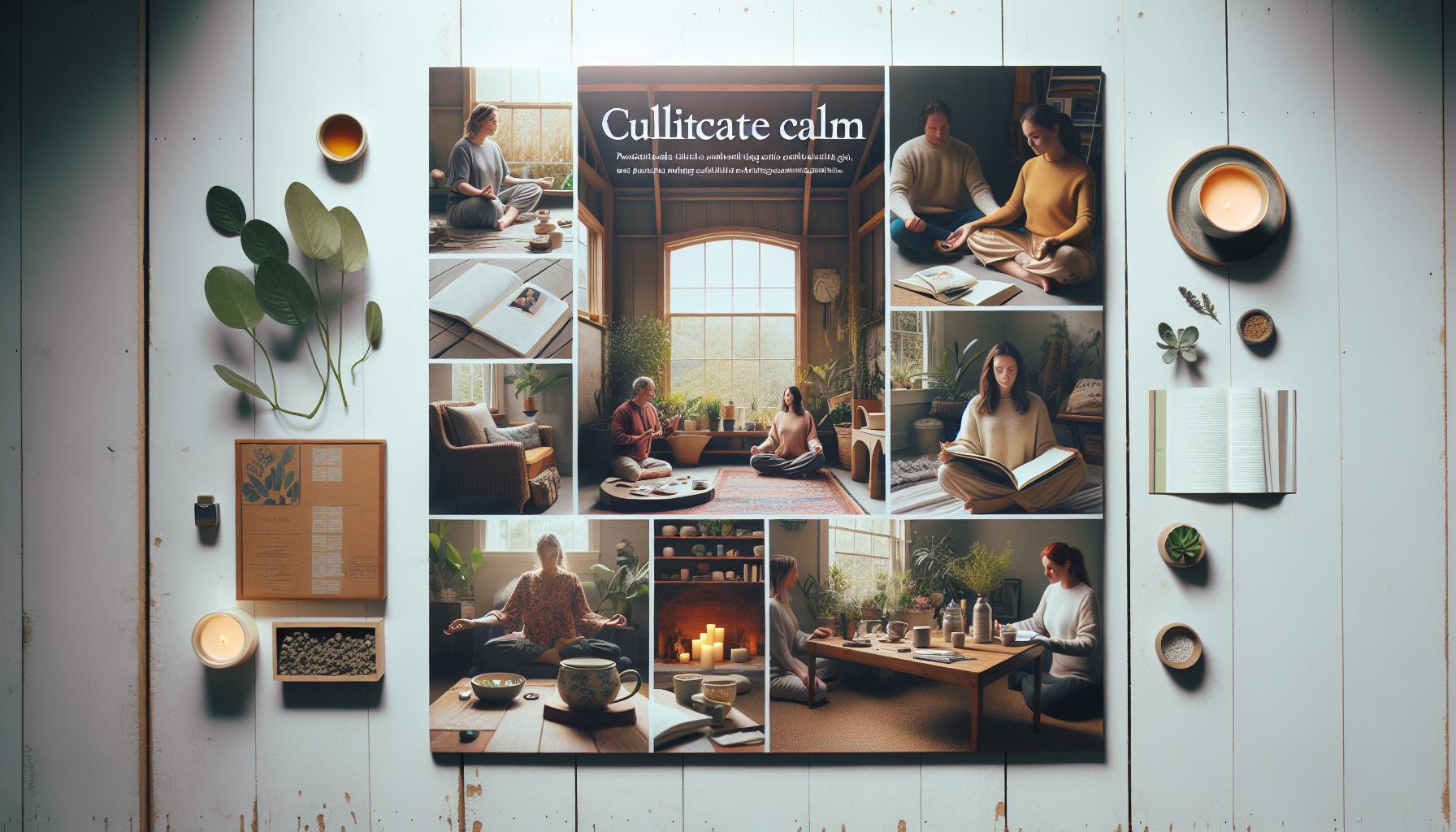
Mindfulness Practices for Daily Serenity
Finding tranquility amidst the daily hustle can often seem elusive, but integrating mindfulness practices into your routine is a transformative way to cultivate lasting serenity. Mindfulness isn’t just about meditation; it’s about engaging with the present moment, which can significantly enhance your daily peace. By consciously tuning into your thoughts and feelings without judgment, you can create a more grounded and calm existence.
One effective mindfulness technique is the *Five Senses Exercise*. This activity encourages you to connect with your environment in a profound way. To start, take a moment to pause and observe your surroundings. Identify and name:
- Five things you can see: This could be a picture on the wall, sunlight filtering through the window, or the texture of your desk.
- Four things you can touch: Feel your chair, the fabric of your clothing, or the surface of a table.
- Three things you can hear: Listen for the hum of the air conditioner, birds chirping outside, or distant conversations.
- Two things you can smell: This might be the aroma of your coffee or the fresh air coming through a window.
- One thing you can taste: Focus on the lingering taste of your last meal or sip of water.
This exercise diverts your mind from anxieties and anchors you in the here and now, fostering a sense of calm.
Incorporating short mindfulness breaks throughout your day can also be impactful. For instance, set a timer to remind you to pause for just two minutes every hour. During these breaks, practice deep breathing or simply sit in silence, allowing thoughts to flow in and out without clinging to them. Research shows that even brief moments of mindfulness can lower stress levels and enhance emotional resilience. Consider visualizing a peaceful scene, such as a tranquil beach or a serene forest, as you breathe deeply. This visualization can serve as an oasis of calm in your busy day.
Another valuable practice is the *Gratitude Journaling Technique*. Each evening, write down three things you appreciated that day. Focusing on gratitude shifts your mindset from stressors to positive experiences, helping to reduce anxiety and boosting overall mood. Your entries can be as simple as enjoying your favorite meal or a kind word from a friend. This simple act cultivates a positive perspective, reinforcing a serene mindset.
Remember, integrating mindfulness into your life isn’t about achieving perfection; it’s about creating small moments of peace that accumulate over time. Start with one technique and gradually incorporate others as you feel comfortable. This journey can lead to greater calm amid life’s inevitable chaos, allowing you to maintain your inner peace more effectively.
The Importance of Boundaries in Maintaining Peace
Establishing and maintaining boundaries is essential for nurturing inner peace and serenity in our increasingly connected world. Without clear boundaries, it’s easy to feel overwhelmed by the demands and expectations of others, leading to stress and anxiety. Think of boundaries as your personal safety net; they allow you to define what is acceptable and what is not in your life, giving you the power to protect your mental and emotional well-being.
To start, it’s crucial to recognize the areas in your life where boundaries are needed. This could include relationships with family, friends, or coworkers, where you might feel pressured to accommodate others at your expense. Reflect on moments when you felt uncomfortable or drained-these are often signs that your boundaries were crossed. By pinpointing these situations, you can better articulate the limits you need to establish.
Once you’ve identified where boundaries are necessary, the next step is communication. Being honest and direct is vital; it allows others to understand your needs clearly. For instance, if you find certain conversations draining, you might say, “I appreciate your enthusiasm, but I need some quiet time to recharge.” This clarity not only helps others respect your space but also models healthy boundary-setting for them.
Another effective strategy for maintaining your peace is to implement physical and digital boundaries. For example, designate specific areas of your home as “quiet zones” where interruptions are limited, or set time limits on how long you engage with digital platforms that drain your energy. Consider using tools like Do Not Disturb modes on your phone during times you need to focus or unwind. By consciously creating physical and virtual spaces where you can recharge, you reinforce respect for your boundaries in a tangible way.
Finally, remember that setting boundaries is not a one-time event but a continuous practice. As your life evolves, so may your needs and limits. Regularly check in with yourself to ensure your boundaries are still serving you well. By prioritizing these protective measures, you not only cultivate a safer emotional space but also empower yourself to engage more meaningfully with the world around you, allowing for deeper connections whenever you choose to foster them.
In summary, boundaries are vital for maintaining peace and serenity. Identify your needs, communicate them clearly, create supportive environments, and regularly reassess to ensure they continue to serve you. By taking these steps, you actively protect your inner calm amidst the chaos of daily life, ensuring that you remain the steward of your own peace.
Creating a Serene Environment at Home
Creating a soothing and calm space at home is essential for nurturing your inner peace and serenity. Did you know that the environment you inhabit can significantly affect your mood and mental state? A cluttered, noisy, or chaotic home can contribute to stress and anxiety, while a serene, organized space can foster relaxation and tranquility. Let’s explore some effective strategies for transforming your home into a sanctuary of calm.
Declutter Your Space
Start by decluttering your surroundings. A clean and organized home is one of the simplest ways to promote a serene atmosphere. Look around your living areas and identify items that no longer serve you, whether they hold emotional weight or simply add to the mess. Consider implementing the “one in, one out” rule: for every new item you bring into your home, remove one that you no longer need. This not only keeps your space tidy but also encourages mindful consumption.
Choose Calming Colors and Decor
The colors and decorations you choose can greatly influence the atmosphere of your space. Opt for soft, muted colors like light blues, greens, or grays, which are known to evoke feelings of calmness. Incorporate natural elements such as plants or wood, which can create a sense of peace and connection to nature. Add personal touches like photographs or artwork that bring you joy, but avoid overcrowding your walls to maintain an open, airy feel.
Create Dedicated Relaxation Areas
Designate specific areas of your home for relaxation and unwinding. This might be a cozy reading nook with a comfortable chair and good lighting, or a meditation corner with soft cushions and calming scents. Keep these spaces free from distractions by minimizing electronic devices and clutter. You might even consider enhancing the experience with soft throw blankets, soothing music, or essential oil diffusers to promote a tranquil environment.
Incorporate Sound and Scent
Sound and scent play an important role in creating a peaceful atmosphere. Use calming sounds like soft music, nature sounds, or white noise machines to drown out distracting background noise. Scent can also profoundly impact your mood-think about using candles, incense, or diffusers with essential oils like lavender or chamomile, known for their relaxing properties. A pleasant aroma can instantly elevate your space and mood.
By making these thoughtful changes to your home environment, you can create a haven that supports your quest for inner peace. Small adjustments can lead to a big difference in how you feel, making it easier to cultivate calm and serenity in your daily life. Remember, your home should be a reflection of your inner self, a place where you can recharge and feel grounded amidst the chaos of everyday life.
How to Handle Disruptive People Gracefully
Dealing with disruptive people can be one of the biggest challenges to maintaining your inner peace. Whether it’s a colleague who constantly needs to vent, a family member who refuses to respect your space, or a friend who thrives on drama, these interruptions can derail your sense of calm. The key lies in how you handle these encounters, turning confrontational moments into opportunities for growth and serenity.
One effective strategy is to set clear boundaries. Begin by identifying what behaviors you find disruptive. Do they interrupt your workflow? Do they bring negative energy that affects your mood? Once you’ve pinpointed the specific actions that disturb your peace, communicate your boundaries calmly and assertively. For instance, you might say, “I really want to support you, but I need to focus right now. Can we chat later?” This sets the tone for a respectful interaction while also protecting your personal space.
Another technique is to practice active listening. Sometimes, people act disruptively because they feel unheard or unvalued. By giving them your attention and validating their feelings, you can defuse tension and redirect the conversation towards a more constructive path. Use phrases like, “I hear you, and I understand that this is important to you,” which can help the other person feel acknowledged, allowing you to maintain your inner calm.
Additionally, it’s crucial to cultivate your own emotional resilience. Engaging in mindfulness practices such as deep breathing or visualization can ground yourself before and after interactions with difficult individuals. For instance, if you know a particular coworker tends to drain your energy, take a moment to center yourself with a few deep breaths or envision a calming scene in your mind. This not only helps you remain composed but also reinforces your peace of mind when facing challenges.
Lastly, don’t hesitate to step away if you need to. If a situation escalates or if the interaction persists beyond your comfort level, prioritize your well-being by excusing yourself. Politely exit the conversation with a simple, “I need to focus on something else right now.” This not only protects your peace but also sends a message that your emotional health is paramount.
By implementing these strategies, you can handle disruptive people with grace and fortitude, maintaining your inner tranquility amidst external chaos. Stay empowered to cultivate a life filled with calm and serenity, no matter what challenges arise.
The Role of Self-Care in Finding Peace
Finding peace in our fast-paced world often requires intentional self-care practices that nurture both our physical and mental well-being. Engaging in regular self-care is not just a luxury; it’s an essential component of maintaining inner serenity. When you prioritize your needs, you’re better equipped to handle life’s stresses, making it possible to cultivate a tranquil mindset.
One practical approach to self-care is establishing a routine that includes activities that uplift and rejuvenate you. This could mean dedicating a specific time each day for activities like journaling, exercising, or even indulging in a long bath. Try setting aside just 15-30 minutes daily to focus on something that brings you joy or relaxation. This not only helps in reducing stress but also reinforces the importance of your own needs in your daily life.
Incorporating mindfulness practices into your self-care routine can also play a crucial role in finding peace. Techniques such as meditation, yoga, or even simple breathing exercises can ground you and provide clarity amidst chaos. For instance, starting your day with a 5-minute meditation can set a positive tone for the hours ahead. Apps like Headspace or Calm can guide you through various mindfulness exercises, making it easier for beginners to integrate these practices into their lives.
Another vital aspect of self-care is acknowledging your emotional needs. This involves recognizing when you feel overwhelmed and giving yourself permission to take a step back. It might mean saying “no” to additional responsibilities or seeking out supportive friends who can offer a listening ear. Remember, self-care is about prioritizing your well-being; it’s okay to ask for help or to take time for yourself without guilt.
Ultimately, self-care serves as a powerful tool in your journey towards inner peace. By consciously dedicating time and energy to practices that nurture your mind and body, you cultivate resilience against external stressors. Embrace self-care as an essential part of your routine, and watch as it transforms your ability to maintain tranquility and calm in your life.
Using Meditation to Foster Inner Calm
Meditation is a powerful tool for anyone seeking to cultivate inner calm and serenity, especially in a world filled with distractions and stressors. Studies show that regular meditation can reduce anxiety, improve emotional health, and promote overall well-being. By dedicating as little as five to ten minutes a day, you can tap into a well of tranquility that enhances your ability to deal with the challenges life throws your way.
To begin your meditation journey, find a comfortable space where you won’t be disturbed. This could be a quiet corner in your home, a serene park, or even a cozy spot on your sofa. Sit in a relaxed but upright position, allowing your hands to rest gently on your knees or in your lap. Start by closing your eyes and taking deep breaths-inhale deeply through your nose, hold for a moment, and exhale slowly through your mouth. This simple breathing exercise helps anchor your focus.
As thoughts inevitably arise, acknowledge them without judgment and gently return your attention to your breath. You may also find it helpful to use a mantra-an uplifting word or phrase that resonates with you. By repeating this mantra, you can create a focal point that encourages a deeper state of relaxation and awareness.
For those new to meditation, various apps like Headspace or Insight Timer can provide guided sessions tailored for beginners. These resources often break down techniques into simple steps and offer different styles, from mindfulness to loving-kindness practices. Experimenting with a few different methods will help you discover what resonates best.
Regular practice not only fosters a state of calm but also enhances your resilience against external stressors. Over time, you may find that even just a few minutes of meditation can shift your perspective and ground you amidst chaos. Remember, the key to meditation is consistency; even short daily sessions can significantly impact your mental clarity and emotional stability.
Developing Resilience Against External Stressors
is crucial in maintaining your inner peace. Life will inevitably present challenges, whether they come in the form of demanding work situations, difficult relationships, or unexpected events. Understanding how to navigate these stressors without allowing them to disrupt your sense of calm can greatly enhance your emotional well-being.
One effective strategy is to practice stress management techniques that foster resilience. This can include deep breathing exercises, where you take a moment to focus on your breath, inhaling for a count of four, holding for four, and exhaling for another count of four. This technique helps ground you in the present and can quickly reduce anxiety. You might also consider journaling your thoughts to clarify your emotions and identify triggers, enabling you to anticipate and prepare for potential stressors.
Building a support network is another vital component. Surround yourself with positive, supportive individuals who uplift you when challenges arise. Share your feelings with trusted friends or family; just talking things out can significantly lighten your emotional load. Additionally, consider joining community groups or online forums where you can connect with others who face similar struggles, providing a sense of belonging and mutual support.
Lastly, cultivating a mindset of gratitude can transform your perspective on stress. Focus on what you appreciate in life, even during tough times, and try to find lessons or growth opportunities within challenges. Research shows that regularly practicing gratitude can significantly enhance mental resilience, making it easier to bounce back from adversity.
By integrating these strategies into your daily life, you can construct a solid foundation of resilience, making it less likely that external stressors will disturb your peace.
Embracing Nature for Enhanced Serenity
Stepping outside and immersing yourself in nature can be a profound antidote to the stresses of everyday life. The natural world is more than just a backdrop for our activities; it can significantly enhance our mental and emotional well-being. Scientific research supports this, showing that spending time in green spaces reduces cortisol levels-the stress hormone-and can improve mood and focus. Have you ever noticed how a simple walk in the park can lighten your mood?
One effective way to embrace nature is through regular outdoor activities. Try setting aside at least 30 minutes several times a week for activities like walking, hiking, or even gardening. Consider combining physical exercise with the calming effects of nature: a hike in the woods not only provides a workout but also immerses you in fresh air and beautiful scenery, fostering a sense of peace. If hiking isn’t your thing, a leisurely stroll in a local botanical garden or simply sitting on a bench and observing your surroundings can be equally rejuvenating.
Additionally, bringing nature into your daily life can enhance your serenity at home. Decorating your space with houseplants not only purifies the air but also creates a soothing environment. Studies have shown that being surrounded by greenery can improve concentration and reduce feelings of anxiety. If you’re unable to manage live plants, consider using nature-themed artwork or even the calming scents of essential oils derived from natural sources like eucalyptus or lavender to create a serene atmosphere.
Furthermore, making a point to engage with nature consciously can amplify its benefits. Mindful walking-where you focus on the sensations of your feet touching the ground, the sounds around you, or the colors of the leaves-can promote a meditative state. This practice encourages you to be present, steering your mind away from worries and enhancing your inner calm.
Incorporating these nature-focused techniques into your routine is a practical way to cultivate a serene mind. The beauty of nature lies not only in its sights and sounds but in the peace it can instill within us when we make an effort to connect with it. Prioritize time outdoors, however small, as a vital component of your self-care and mental wellness strategy.
Long-Term Strategies for Sustained Peace and Calm
To maintain a state of calm and peace in our increasingly chaotic world, it’s crucial to adopt long-term strategies that nurture your mental and emotional well-being. These strategies not only help manage immediate stress but also build a resilient mindset over time, making it easier to navigate life’s ups and downs.
One effective approach is to establish a daily routine that includes mindfulness practices, exercise, and adequate rest. Consider setting aside just 10 to 15 minutes each day for activities such as meditation or deep-breathing exercises. These practices have been shown to significantly reduce stress levels and enhance your emotional resilience. Integrating short bursts of physical activity-like a brisk walk or stretching-in your daily schedule can also be beneficial. Aim for at least 150 minutes of moderate exercise each week to reap mental and physical health benefits.
Another cornerstone of sustained peace is building supportive relationships. Surround yourself with positive influences who encourage and uplift you. Having a network of friends or family members you can rely on during tough times fosters a sense of belonging and comfort. Make it a point to regularly connect with loved ones, even if it’s just a quick phone call, as these interactions can provide a strong buffer against stress.
Creating a structured environment at home is equally important. Your living space should promote a sense of tranquility. Decluttering frequently can help to minimize distractions and visual noise, allowing for a more serene atmosphere. Adding personal touches such as calming colors, soft lighting, and meaningful decorations can also enhance your immediate surroundings. Consider designating a specific area in your home as a “peace corner,” equipped with items that bring you joy and tranquility, such as candles, flowers, or a favorite book.
Lastly, strive for a balanced lifestyle that includes healthy boundaries. Learning to say no when necessary is not just about protecting your peace; it’s about valuing your time and energy. Evaluate your commitments periodically and ensure they align with your values and goals. This practice allows you to maintain focus on what truly matters, helping you cultivate calm over the long haul.
By incorporating these strategies into your daily life, you can create a sustainable foundation for inner peace. Embrace the journey and remain patient with yourself, as the effects of these changes will gradually compound, leading to profound and lasting serenity.
FAQ
Q: What are some daily habits to maintain inner peace?
A: To cultivate inner peace daily, practice mindfulness through meditation or deep breathing exercises, establish a consistent sleep schedule, and incorporate physical activity. Engaging in gratitude journaling can also enhance positivity. For more tips, check out “Mindfulness Practices for Daily Serenity.”
Q: How can I better identify what disturbs my peace?
A: Start by keeping a journal to note situations or interactions that lead to stress. Reflect on emotional triggers and physical responses to these disturbances. This awareness will guide you in establishing boundaries and finding strategies to manage stress effectively. Explore more in “Identifying What Disturbs Your Peace.”
Q: What self-care routines can enhance my serenity?
A: Effective self-care routines should include activities that promote relaxation, such as taking baths, indulging in hobbies, or taking walks in nature. Schedule time for yourself regularly to recharge, ensuring you prioritize your emotional and physical wellbeing. Learn more about this in “The Role of Self-Care in Finding Peace.”
Q: How can I create a serene environment at home?
A: To foster tranquility at home, declutter your space, incorporate calming colors, and use soft lighting. Adding plants or elements of nature can increase serenity. Consider creating a designated peaceful area for relaxation or meditation. For further details, visit “Creating a Serene Environment at Home.”
Q: What techniques can I use to handle disruptive people gracefully?
A: Handling disruptive individuals gracefully involves active listening, maintaining composure, and setting clear boundaries. Use ‘I’ statements to express your feelings without blame, and practice assertiveness. Learn more in “How to Handle Disruptive People Gracefully.”
Q: How can I develop resilience against external stressors?
A: Building resilience involves cultivating a positive outlook, enhancing problem-solving skills, and maintaining strong support networks. Regularly practice stress-management techniques, such as mindfulness and self-reflection, to bolster your emotional strength. For practical strategies, see “Developing Resilience Against External Stressors.”
Q: What role does nature play in enhancing serenity?
A: Nature significantly contributes to serenity by reducing stress levels and promoting well-being. Spending time outdoors-whether hiking, gardening, or simply sitting in a park-can restore calm and improve mood. Discover more benefits in “Embracing Nature for Enhanced Serenity.”
Q: How do long-term strategies sustain peace and calm?
A: Long-term strategies for sustaining peace include consistent mindfulness practice, regular self-reflection, and lifelong learning about personal triggers. Building a routine that incorporates these strategies ensures lasting tranquility and allows you to navigate life’s challenges effectively. Read “Long-Term Strategies for Sustained Peace and Calm” for more insights.
Final Thoughts
As you embark on your journey to cultivate calm and serenity, remember the power of prioritizing your peace. Implementing the strategies discussed will help shield you from distractions and negativity, creating a sanctuary within yourself. Don’t wait-start today by exploring resources on mindfulness techniques and stress management tips linked below.
For deeper insights, check out our articles on “Mindful Techniques for Everyday Calm” and “How to Create a Stress-Free Environment.” These can enhance your peaceful lifestyle and empower you to share your experiences. We’d love to hear your thoughts-comment below and join our community dedicated to thriving in serenity.
By keeping your goals clear and actionable, you invest in your tranquility. If you haven’t already, consider signing up for our newsletter for ongoing support, tips, and exclusive content designed to help you maintain your inner peace. Together, let’s make serenity a way of life!
Get our latest guides, news, and insights highlighted in your Google Search & AI Overviews.