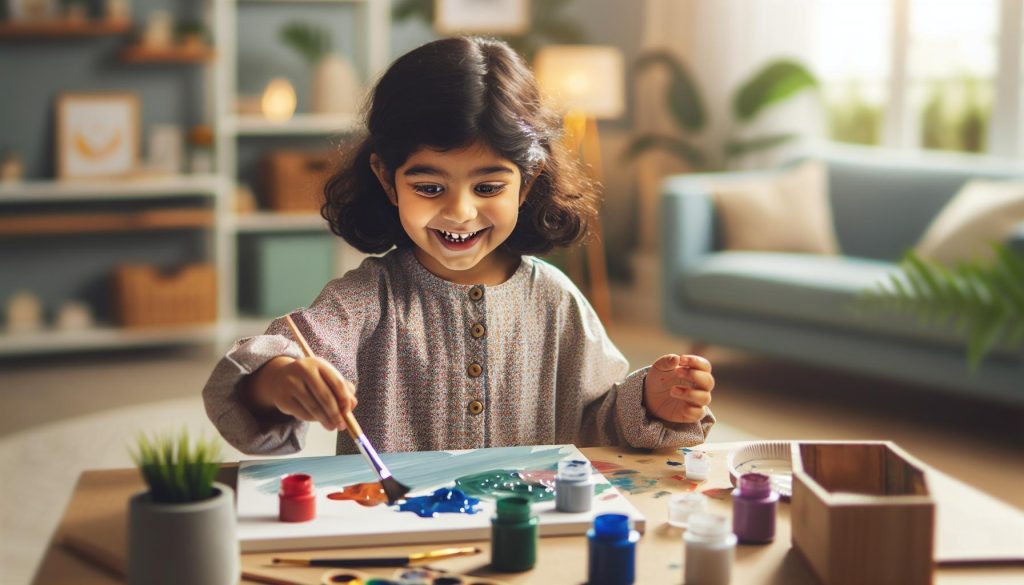
Choosing the right makeup for kids can be a daunting task for parents, especially when it comes to ensuring safety and quality. With a growing array of options on store shelves, it’s essential to find brands that prioritize gentle, non-toxic ingredients. In this guide, we’ll explore the best makeup brands tailored for children, comparing their safety profiles to help you make informed choices. Understanding which products are suitable can ease your worries and allow your child to express themselves creatively without compromising their skin’s health. Join us as we dive into this important topic, uncovering the details you need to know for a fun and safe makeup experience for your little ones.
Understanding Kids’ Skin: Unique Needs and Sensitivities
Understanding kids’ skin is crucial when choosing makeup products, as their skin is often more delicate and sensitive than that of adults. The epidermis, or outer layer of their skin, is thinner, making it more prone to irritation from harsh chemicals and allergens typically found in adult makeup. Children may also experience unique skin conditions such as eczema or allergies, which can be exacerbated by certain ingredients. It’s essential to recognize that what works well for adults might not be suitable for children, and selecting products specifically formulated for their needs can help avoid discomfort and adverse reactions.
When choosing makeup for kids, look for products labeled as hypoallergenic, non-toxic, and free from harmful additives. Many brands now focus on creating formulations that are gentle on young skin. Ingredients to prioritize include natural oils, organic compounds, and mineral-based components, which are generally safer. Always perform a patch test on a small area of your child’s skin before full application to ensure there’s no reaction. For instance, applying a small amount of a new product on the inner wrist can help gauge sensitivity.
Maintaining clean and healthy skin is just as important as the products used. Encourage children to wash their hands before applying makeup and to remove it properly at the end of the day. Using gentle cleansers and moisturizers can help keep their skin balanced and prevent breakouts. Parents should also offer guidance on how to apply makeup lightly to avoid clogging pores and causing irritation. Remember, the goal is to foster creativity and self-expression while ensuring safety and comfort for your child. With the right approach, makeup can be a fun and safe activity that also teaches kids about skincare from an early age.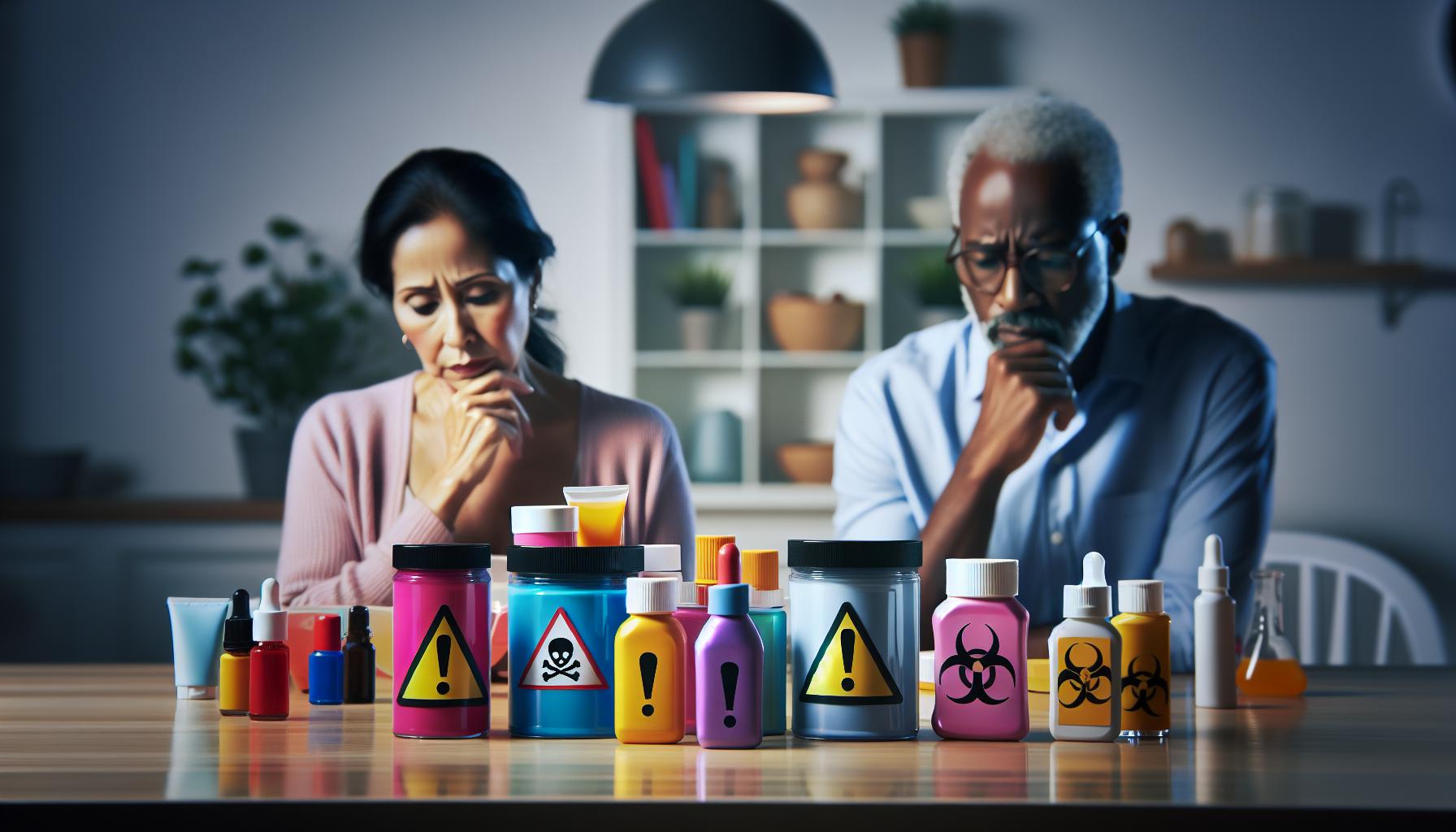
Why Safety Matters: Ingredients to Avoid in Kids’ Makeup
When it comes to makeup for kids, safety should always be your top priority. The delicate nature of children’s skin means that they are more susceptible to irritation and allergic reactions from potentially harmful ingredients commonly found in many beauty products. With that in mind, recognizing which components to avoid is essential for keeping their skin safe and healthy.
Firstly, steer clear of products containing parabens, which are used as preservatives and have been linked to hormonal disruptions. Similarly, phthalates are often included to ensure flexibility in cosmetics but can be endocrine disruptors, potentially causing long-term health issues. Synthetic fragrances and dyes can also trigger allergic reactions, as they often contain a cocktail of undisclosed chemicals that can be harsh on sensitive skin. Instead of these fillers, opt for brands that prioritize natural and hypoallergenic formulations, ensuring that all ingredients are transparent and have been tested for safety on young skin.
Additionally, avoid makeup items with alcohol, which can dry out the skin and cause irritation. Products that include formaldehyde or any formaldehyde-releasing agents should also be left on the shelf, as they are known irritants and potential carcinogens. Another common ingredient to watch for is sodium lauryl sulfate (SLS), which, while effective in cleaning agents, can strip the skin of its natural oils and lead to dryness or irritation.
By focusing on brands that eliminate these risky components and using only clean, kid-friendly formulations, you can empower creative expression without compromising your child’s skin health. Always remember to perform a patch test before applying new products widely-just a small amount on the inner wrist can start safeguarding your child against adverse effects. With the right knowledge, you can create a safe and enjoyable makeup experience for your little ones that celebrates their creativity while taking care of their skin.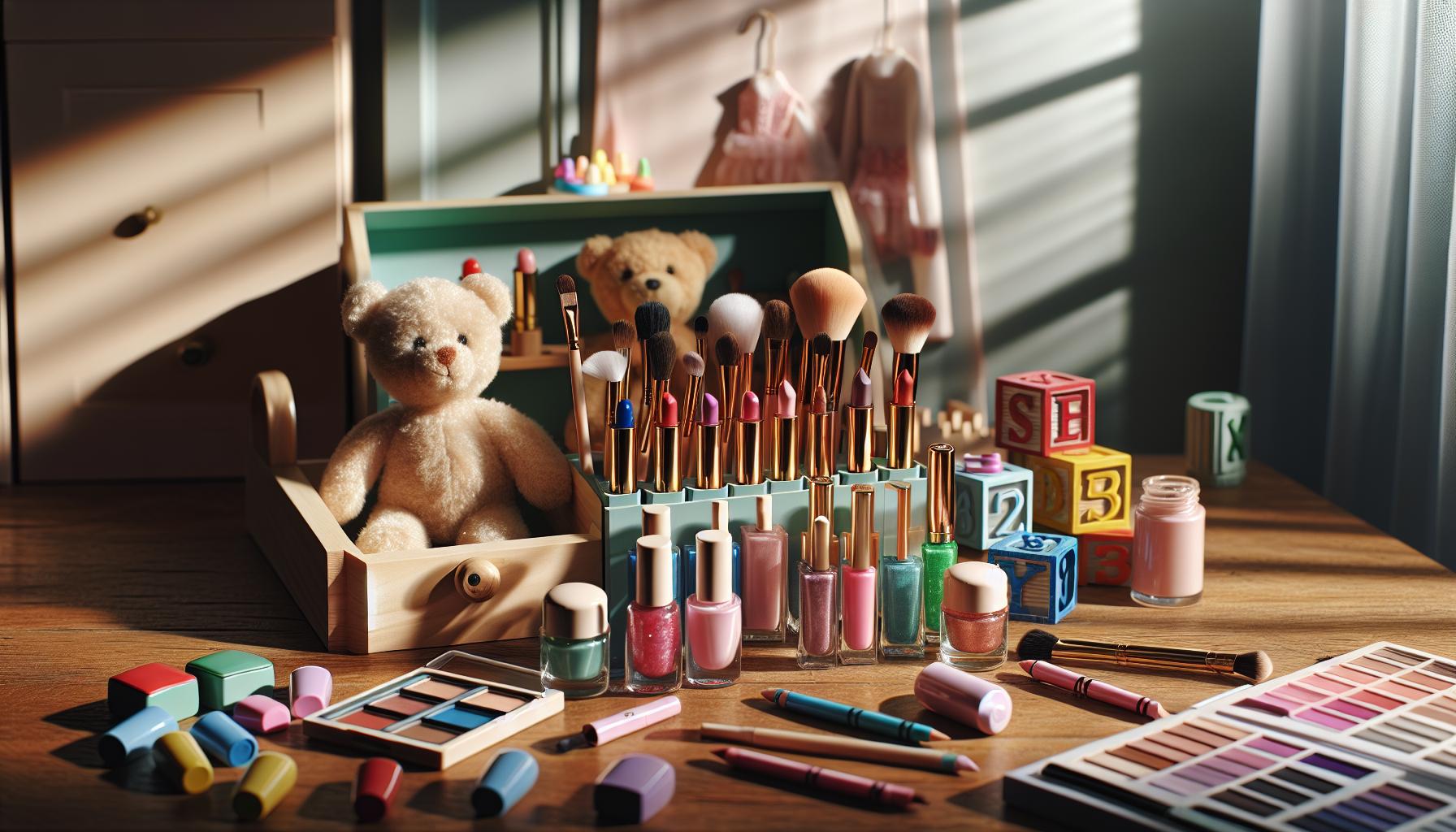
Top Makeup Brands for Kids: A Comprehensive Overview
When it comes to selecting makeup for kids, safety, and fun should be the leading criteria. Numerous brands have risen to the challenge, creating products that prioritize gentle formulations, creativity, and, importantly, the sensitive skin of children. Here’s a look at some of the best options available today that provide both safety and creativity.
One standout brand in the kid-friendly makeup space is Pure Play Kids. This brand excels with its commitment to using natural, non-toxic ingredients. Their products are designed with young children in mind, offering playful colors in safe formulations without harmful chemicals. Pure Play’s makeup sets often include face paints and lip balms that can effortlessly wash away with soap and water, making them perfect for imaginative play without a lengthy cleanup.
Another excellent choice is Flower Child, which has gained popularity for its vibrant palettes and ethical offerings. Their formulations are not only free from common irritants like parabens and synthetic dyes but also enriched with skin-nourishing ingredients, making them a favorite among parents looking for gentle options. Flower Child also ensures that their packaging is eco-friendly, promoting a sustainable approach to beauty.
For those looking for a more whimsical experience, Kiwi Crate’s makeup kits are excellent. They blend creativity with education, providing parents and kids with tools for fun DIY projects. Each kit usually includes safe, washable makeup that can help spark creativity while still aligning with safe product standards.
Parents should also consider Mineral Fusion. Known for their emphasis on clean beauty, this brand offers a range of products that use mineral-based ingredients tailored for sensitive skin. Free from synthetic fragrances and harmful additives, Mineral Fusion provides a safe option for older kids and tweens who might want to try something a bit more sophisticated without compromising skin health.
Finding the right makeup choice involves weighing what’s fun against what’s safe. By exploring these brands, you can help your child express their creativity with confidence, knowing that their skin is being cared for. Remember, the goal is to inspire creativity while ensuring safety, so always check for specific product details and ingredient lists to match your family’s needs.
Age-Appropriate Makeup: What’s Suitable for Different Ages
Introducing your child to makeup can be a delightful experience, but it’s essential to choose products that are appropriate for their age and skin type. As young ones venture into this fun realm, it’s important to keep in mind their unique needs and sensitivities. Here’s a practical guide to help you navigate age-appropriate makeup choices that are safe, fun, and suitable for children at various stages of development.
For toddlers to preschoolers (ages 2-5), the focus should be on playfulness rather than traditional makeup. At this age, products like washable face paints and lip balms are perfect for imaginative play. Brands like Pure Play Kids offer colorful and safe options that wash away easily, making them ideal for spontaneous moments of creativity. Remember, the goal here is to encourage their imagination without the need for complex applications.
As kids transition into early childhood (ages 6-8), they might want to experiment a bit more. This is the perfect time for tinted lip balms or light shimmer lotions that add fun without overwhelming their delicate skin. Look for products that are hypoallergenic and specifically labeled as safe for young skin. Flower Child offers gentle formulations that can satisfy their budding interests without skin irritation.
Entering the tween years (ages 9-12) often brings a desire to emulate older peers. Here, you can introduce light foundations, tinted moisturizers, and gentle eye shadows, as they start to explore self-expression. Avoid products with harsh chemicals; instead, brands like Mineral Fusion cater to this age group with mineral-based options that are light, breathable, and non-comedogenic. Teach them about moderation and the importance of skincare to ensure their skin remains healthy.
For teenagers (ages 13 and up), the makeup journey can become more adventurous. At this stage, focus on providing access to products that promote self-expression while also emphasizing skin health. Encourage them to try lightly pigmented products with natural ingredients that still allow their skin to breathe, like those from Kiwi Crate or Flower Child. Highlight the importance of removing makeup properly with gentle, suitable cleansers, reinforcing the idea that skincare is as vital as makeup itself.
Overall, when choosing makeup for your child, the key is to prioritize safety and skin health tailored to their age. Engage in open conversations about makeup’s purpose and experiment together with safe, age-appropriate products that make the experience joyful and reassuring. This approach not only fosters creativity but also builds good habits for a future filled with self-expression without compromising on safety.
Toxin-Free and Natural Options: The Best Choices for Kids
Choosing makeup for kids that is both safe and effective can be a daunting task, especially with the plethora of products available in the market. One of the most important factors to consider is whether the makeup is toxin-free and made from natural ingredients. Many conventional makeup products contain chemicals that can be harsh on sensitive skin, which is why opting for gentle, natural options becomes crucial.
Products that are free from toxic ingredients often utilize plant-based compounds rather than synthetic chemicals, reducing the risk of irritation. For example, brands like Pure Play Kids specialize in formulas with natural, skin-friendly ingredients. Their products are typically free from parabens, sulfates, and artificial fragrances, making them safer choices for young skin. It’s wise to check labels for certifications such as dermatologically tested and hypoallergenic, as these indicate a lower risk of allergic reactions.
Additionally, consider formulations that include beneficial components like organic oils and natural waxes. For instance, makeup that incorporates coconut oil or shea butter not only helps in application but also nourishes the skin. Such ingredients provide moisture and avoid the dryness that can occur with synthetic alternatives. When introducing makeup to your child, it’s essential to teach them the value of products that care for their skin while allowing them to express themselves creatively.
To help you make informed choices, here are some popular toxin-free brands to explore:
- Honeybee Gardens: Known for its natural ingredients and kid-friendly formulations, perfect for ages 6 and up.
- Flower Child: A favorite among parents for its gentle, non-toxic makeup designed for sensitive young skin.
- Pure Play Kids: Offers a range of safe, washable paints and fun makeup options that celebrate creativity without compromising safety.
By advocating for toxicity-free options, you’re not just protecting your child’s skin; you’re instilling healthy habits that promote long-term awareness of what goes on their body. Choose products with care, and enjoy the delightful journey of discovering makeup together in a safe and nurturing way.
Comparing Kid-Friendly Formulas: What’s Safe and Effective
Choosing kid-friendly formulas requires a careful look at the ingredients and how they interact with delicate skin. The right products not only allow children to express themselves but also prioritize their health and safety. When comparing different brands, it’s essential to focus on a few key aspects: ingredients, ease of use, and skin compatibility.
Many parents look for products that are free from harsh chemicals such as parabens, sulfates, and artificial dyes. Kid-friendly brands like Honeybee Gardens and Flower Child excel in this area by offering formulas that harness natural ingredients. For instance, Honeybee Gardens features a lip balm and lip shimmer that are made with nourishing oils, providing a safe way for kids to enjoy color without worrying about harmful additives.
When it comes to application, ease is critical. Products should be easy to apply and remove, allowing for fun without the hassle. Pure Play Kids, known for its washable paints, creates an engaging experience where makeup can be easily washed off with soap and water. This not only keeps the process enjoyable but also alleviates parental stress about toxic residues lingering on skin or clothing.
Lastly, consider the sensitivity of your child’s skin. Products that carry hypoallergenic labels or are dermatologically tested offer an added layer of reassurance. By prioritizing formulas that meet these criteria, you’re ensuring that playful moments with makeup are both safe and enjoyable. Remember, the goal is to foster creativity while keeping their skin healthy, so opt for brands that align with these values.
Tips for Teaching Kids Makeup Application Safely
Teaching kids how to apply makeup safely can be a fun bonding experience, but it also requires careful guidance to ensure their health and confidence. Start by creating a positive atmosphere where creativity is encouraged. Explain to your child why using specific products is essential, emphasizing that their safety comes first. For example, you might say, “We choose makeup that is gentle and fun because we want to take care of your skin while you enjoy expressing yourself.”
To begin, familiarize your child with the different tools and products they will be using. Consider a gentle, hypoallergenic makeup kit specifically designed for kids. This can include items like skin-safe lip balms, washable face paints, and easy-to-use applicators. Demonstrate how to use each item first, explaining the purpose of products like blush or eyeshadow in simple terms. Show them how to apply a small amount using clean hands or brushes. For instance, when applying blush, you could show them how to “dab a tiny bit on your cheek using your fingertip and blend it gently like this.”
Additionally, emphasize the importance of hygiene throughout the process. Explain why it’s vital to wash hands before and after makeup application, and how to properly clean tools like brushes and sponges with soap and water. Encourage them to practice self-checks; for instance, if they try a product for the first time, teach them to look out for any irritation. Remind them that if something feels uncomfortable or itchy, it’s okay to remove it right away.
Finally, set clear boundaries around when and where makeup can be used. Discuss expectations for special occasions versus daily use, reinforcing that makeup is a fun way to express themselves but also something to be enjoyed responsibly. By guiding your child through this process, you boost their confidence, help them learn valuable skills, and ensure that their first experiences with makeup are both safe and enjoyable.
How to Remove Kids’ Makeup: Safe and Easy Techniques
Removing makeup from your child’s skin can feel daunting, but with the right techniques and products, it can be a fun and easy part of their beauty routine. Kids’ makeup, often designed to be gentle and easy to wash off, needs to be safely and effectively removed to keep their skin healthy. Here are some practical steps to ensure you do it right.
Start by gathering the necessary tools: a gentle cleanser or a mild makeup remover, soft washcloths or cotton pads, and lukewarm water. If your child wears water-based makeup, a simple face wash with a gentle formulation will suffice. For stickier products, consider using a makeup remover specifically designed for kids, which is typically less harsh and more moisturizing.
To remove the makeup, follow these simple steps:
- Dampen the Face: Use a soft washcloth or cotton pad soaked in lukewarm water to gently dampen your child’s face. This will help loosen the makeup and make it easier to remove.
- Apply Cleanser or Remover: Take a small amount of the cleanser or makeup remover (about a dime-sized amount) and gently massage it onto the skin using circular motions for about 30 seconds. Focus on areas with heavier makeup, like the eyes, cheeks, and lips.
- Wipe Away Residue: Dampen another clean washcloth or cotton pad and wipe off the makeup, ensuring all product is removed. If using a remover for sensitive areas around the eyes, be particularly gentle.
- Rinse Thoroughly: After removing the makeup, it’s essential to rinse the face with lukewarm water to wash away any remaining cleanser. This helps prevent skin irritation.
For an added layer of cleanliness, finish with a gentle moisturizer to keep the skin hydrated after makeup removal. It’s crucial to instill the habit of removing makeup every time it’s used, as this fosters good skincare practices early on.
By getting your child involved in the process-allowing them to help choose the products and making it an enjoyable ritual-you can encourage a positive attitude towards personal care while ensuring their skin remains safe and healthy.
Parental Guidance: Setting Makeup Boundaries with Kids
Setting clear and sensible makeup boundaries for kids not only fosters a healthy relationship with beauty but also empowers them to make informed choices. It’s common for children to be curious about makeup, especially when they see adults using it. The key is to approach this interest with open communication and established guidelines that prioritize safety and age-appropriateness.
Begin by having age-appropriate conversations about makeup. Explain that while it can be fun and creative, makeup is also meant to enhance features rather than alter them dramatically. Tailor these discussions to their developmental stage; younger children might enjoy playing with colorful lip balms or face paints, while tweens can explore simple tutorials for natural looks. Encouraging them to express their style in a way that feels authentic and age-suitable is vital.
Incorporate discussions about product safety into your guidelines. Make sure your child understands the importance of choosing safe, non-toxic products. You can create a ‘makeup checklist’ together, highlighting key ingredients to avoid, such as parabens and sulfates. This checklist not only educates but also establishes a process they can follow when they see makeup in stores or online, fostering responsible consumer habits.
Additionally, consider setting specific times and occasions for makeup use. For instance, designate weekends or special events for experimenting with makeup, while keeping everyday routines makeup-free. This approach helps children understand that makeup can be a fun accessory but isn’t necessary for their everyday appearance. By encouraging creativity within clear boundaries, you help nurture their self-esteem and individuality without compromising safety or appropriateness.
Real Parent Reviews: Trusted Experiences with Kids’ Makeup
Navigating the world of kids’ makeup can often feel overwhelming for parents, especially when it comes to safety and appropriateness. Many parents have taken to sharing their experiences with various brands, shedding light on what works, what doesn’t, and how their children react to different products. This collective wisdom can help others make informed choices.
Parents consistently highlight brands that prioritize non-toxic, hypoallergenic ingredients. For instance, brands like Little Cosmetics and Piggy Paint often receive praise for their child-friendly makeup. Many reviews note that Little Cosmetics offers a realistic play experience with faux products that look authentic but are safe for young kids, while Piggy Paint is celebrated for its water-based formula that easily washes off without harsh removers. Parents appreciate that these options not only allow for creative play but also align with their safety standards.
On the other hand, some parents express caution with certain mainstream brands. They report that products from well-known beauty lines, although appealing, can contain ingredients that irritate sensitive skin. A common recommendation among parents is to always conduct a patch test, applying a small amount of makeup on the wrist or behind the ear before allowing full use on the face. This preventive measure can alert parents to any potential adverse reactions without significant risk.
Additionally, many parents stress the importance of encouraging their kids to express themselves creatively while teaching them about safe usage. A frequent tip is to involve children in selecting their makeup, guiding them toward safe brands, and discussing the reasoning behind those choices. This not only fosters independence but also instills an understanding of self-care and safety. Ultimately, the consensus is clear: when it comes to kids’ makeup, prioritizing safety and fostering a sense of exploration can lead to a joyful experience for both parents and children alike.
Expert Advice: Dermatologist Recommendations for Kid’s Makeup
When it comes to choosing makeup for kids, dermatologists emphasize understanding the unique sensitivities of children’s skin. Children’s skin is often more delicate and prone to irritation than adult skin, which is why selecting the right products is essential. It’s recommended to look for makeup that is specifically formulated for kids, as these products typically avoid harsh chemicals and focus on being hypoallergenic and gentle.
A cornerstone of any good skincare practice for children is checking ingredient labels. Dermatologists suggest avoiding makeup containing parabens, phthalates, and synthetic fragrances, all of which can trigger allergic reactions or irritate sensitive skin. Instead, opt for brands that are transparent about their ingredients and prioritize natural sources. Ingredients like coconut oil, shea butter, and mineral pigments can provide safe alternatives that are both enjoyable and safe for young users.
In addition to product safety, dermatologists recommend that parents teach their children the importance of hygiene when using makeup. This includes washing their hands before application and removing makeup at the end of the day to prevent clogged pores and skin issues. A gentle, alcohol-free makeup remover or cleansing balm can be a simple way to make this routine easier and more effective, ensuring that the child’s skin remains clear and healthy.
Ultimately, when exploring makeup options for kids, always prioritize their safety and comfort. Consulting with a pediatric dermatologist can also provide personalized advice tailored to your child’s specific skin type and concerns. This proactive approach not only helps instill good habits early but also ensures a joyful and safe introduction to the world of makeup.
Fun and Creative Makeup Ideas for Kids’ Occasions
When it comes to children and makeup, creativity is a wonderful avenue for self-expression, especially on special occasions. Whether it’s a birthday party, Halloween, or a school play, using makeup can help enhance their overall look and add a touch of magic to the event. However, given the unique needs of kids’ skin, it’s essential to ensure safety is prioritized while fostering fun and creativity.
A great way to start is by planning themed makeovers that tie into the occasion. For instance, for a Halloween costume, think about a friendly monster look. Use non-toxic face paint to create colorful spots and add some sparkly makeup to bring the character to life. Encourage your child to help design the face art by choosing colors and shapes, which not only gives them ownership of the look but also fosters their creativity.
For birthdays, consider a festive approach with a touch of glitter and shine. A simple yet effective birthday makeup idea could include applying a light shimmer to the eyelids and a fun lip gloss with a touch of sparkle. Always choose kid-friendly products that are free from harmful chemicals to keep their sensitive skin happy. Using makeup brushes rather than fingers can also make application easier and more enjoyable.
In addition to looks, you can introduce fun elements like easy-to-create face gems or sticker tattoos as an alternative to traditional makeup. This not only adds flair but ensures safe removal while preventing potential skin irritations. Brainstorming together will help your child feel involved; let them choose designs or colors that resonate with them, making the entire process a memorable bonding experience.
Lastly, remember that the focus should be on enjoyment, not perfection. Allow for experimentation and plenty of giggles while practicing makeup application. This approach not only cultivates their creative instincts but also teaches them valuable lessons about makeup safety, hygiene, and self-expression. Happy painting!
Frequently asked questions
Q: What ingredients should I avoid in kids’ makeup?
A: When choosing makeup for kids, avoid products with harsh chemicals, fragrances, parabens, and sulfates. Instead, look for gentle, hypoallergenic formulas, as these are less likely to irritate sensitive skin. Always check labels for safety claims and choose products labeled as dermatologist-tested.
Q: At what age is it appropriate to let kids wear makeup?
A: While opinions vary, many parents feel comfortable allowing kids to use light makeup around ages 8-10 for special occasions. Focus on age-appropriate products that are easy to apply and remove. It’s essential to prioritize safety and allow kids to express themselves in a fun and responsible way.
Q: Which makeup brands are known for being safe for kids?
A: Brands like Burt’s Bees, Little Cosmetics, and Piggy Paint are recognized for offering non-toxic, kid-friendly makeup. These brands use natural ingredients and are free from harmful chemicals, ensuring a safer experience for young users. Always read product descriptions to confirm safety features.
Q: How can I teach my child to apply makeup safely?
A: Begin by demonstrating a few simple techniques, like dotting a small amount of blush onto the cheeks. Use gentle language and encourage them to use clean brushes and tools. Emphasize the importance of applying products lightly and removing them properly afterward.
Q: What are the best ways to remove kids’ makeup safely?
A: Use gentle makeup removers or baby wipes specifically designed for sensitive skin. Encourage washing the face with mild soap and lukewarm water afterward. Ensure your child understands the importance of removing makeup every night to maintain healthy skin.
Q: Are natural makeup options better for children?
A: Yes, natural makeup options are often safer for children as they typically avoid synthetic chemicals and irritants. Look for products containing organic ingredients, free from artificial dyes and fragrances. These formulations are less likely to cause skin issues.
Q: How can I set makeup boundaries with my child?
A: Establish clear rules about when and how makeup can be used. Discuss appropriate settings for makeup application, like playdates or special occasions. Encourage open dialogue to address your child’s desire for makeup while reinforcing the importance of moderation.
Q: Can kids experience allergic reactions to makeup?
A: Yes, children can have allergic reactions to makeup, especially if it contains irritants or allergens. Conduct a patch test before using new products by applying a small amount on their wrist. If redness or irritation occurs, discontinue use immediately and consult a dermatologist.
Wrapping Up
In conclusion, ensuring your child uses safe and reliable makeup brands is crucial for their health and confidence. We’ve highlighted the top brands known for their safety standards and kid-friendly formulas, making it easier for you to choose wisely. Don’t hesitate to explore our guides on “Safe Beauty Practices for Kids” and “DIY Natural Makeup Options” for more insights, as these resources will further empower you in making informed choices.
Now is the perfect time to transition your child into exciting and safe beauty experiences! Have questions or personal experiences to share? We’d love to hear from you in the comments! If you found this comparison helpful, sign up for our newsletter to stay updated on the latest in child-friendly beauty tips, or check out our product recommendations to get started today. Your child’s beauty journey can be fun and safe-take the first step now!
Get our latest guides, news, and insights highlighted in your Google Search & AI Overviews.