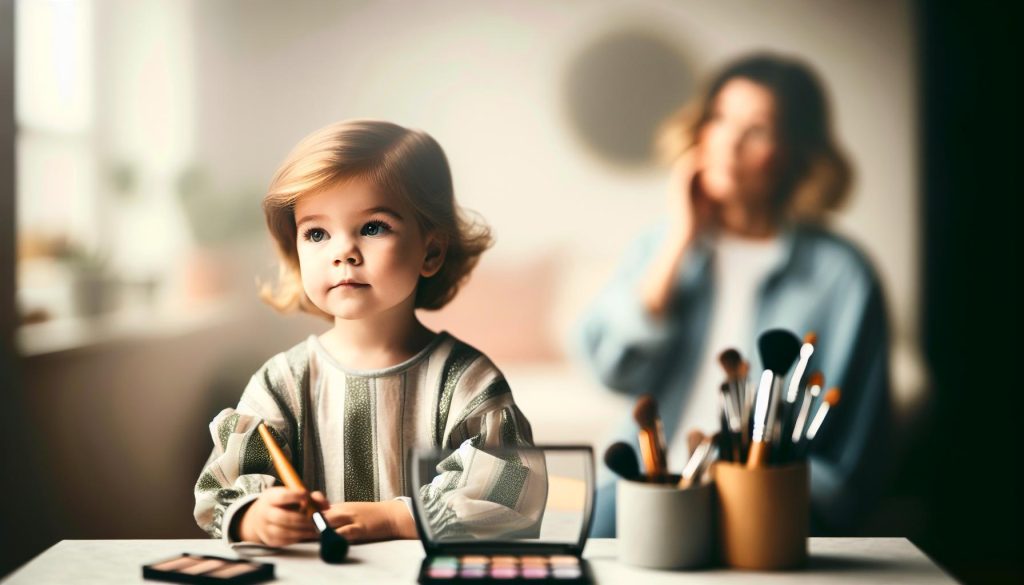
As makeup continues to be a hot topic in discussions about self-expression and beauty norms, many wonder what people really think about children wearing makeup. Today, opinions on this subject are diverse and evolving, reflecting cultural shifts and personal beliefs. Some argue that makeup fosters creativity and boosts confidence, while others voice concerns about age appropriateness and societal pressures. This article delves into these perspectives, exploring how parents, educators, and children navigate the balance between fun and responsibility. Let’s uncover what the conversation looks like today and why it matters for our children’s self-esteem and social development. You’re not alone in wondering-let’s dig deeper together!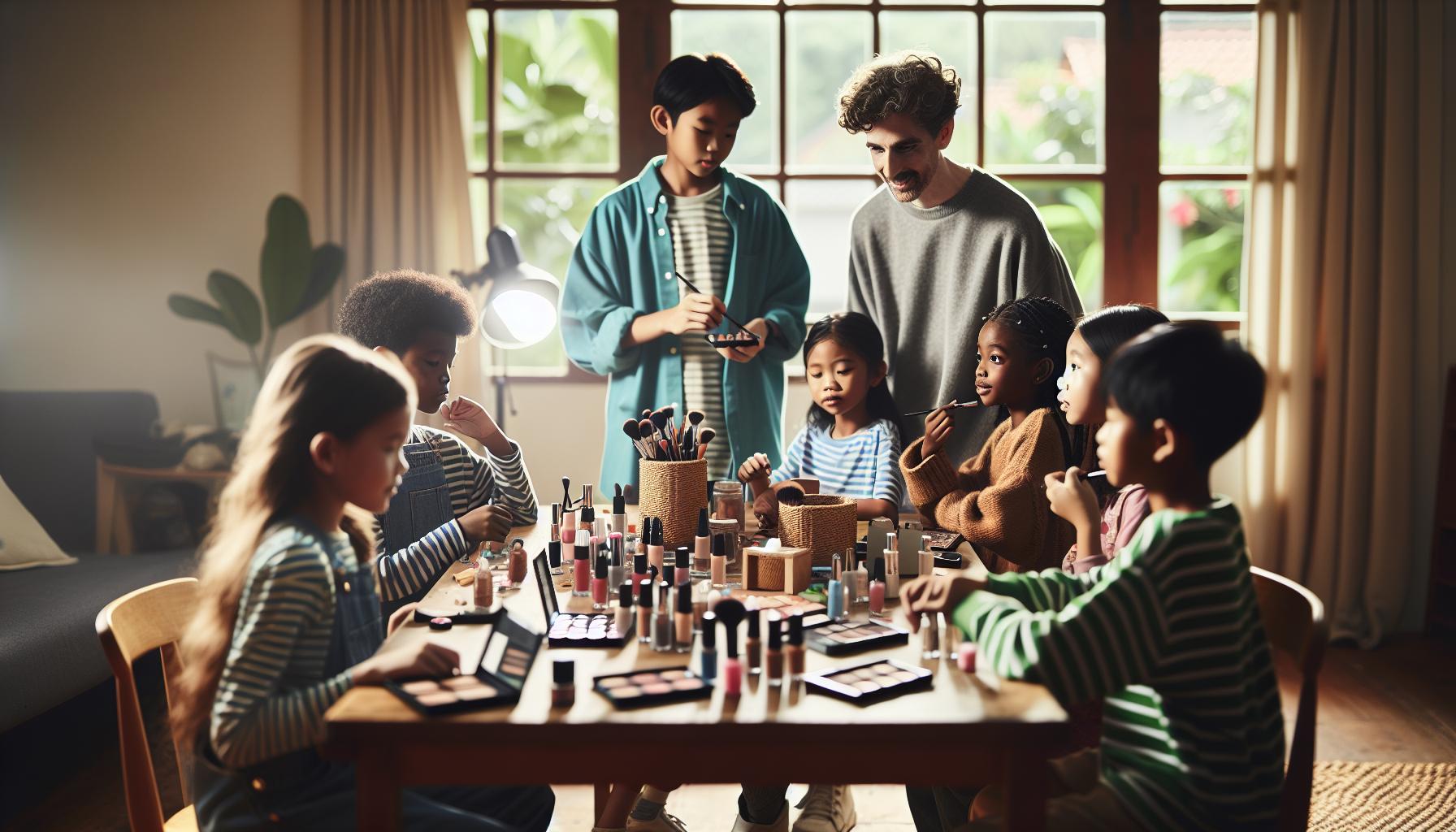
The Growing Trend of Children Wearing Makeup
The rise in children wearing makeup has sparked conversations across households and social circles, particularly as makeup companies increasingly market products specifically designed for younger audiences. This trend reflects broader cultural shifts towards self-expression and creativity from a young age. Many children, influenced by social media platforms, are curious about cosmetics and want to emulate their favorite online personalities or characters. For example, platforms like TikTok and Instagram showcase beauty tutorials that appeal to younger viewers, often featuring vibrant colors and playful styles that catch their attention.
As children experiment with makeup, it’s essential to consider why they’re drawn to these products. For some, makeup offers a way to boost confidence or explore their identity. Just like fashion, makeup can be an outlet for creativity and personal expression, helping children explore different looks and styles. However, this growing trend raises questions about appropriateness, where the line is drawn between play and excessive use. Engaging them in open conversations about their makeup use can promote healthy habits while allowing them to navigate this aspect of their identity.
Moreover, it’s crucial to address the types of products children are using. Parents can encourage the selection of age-appropriate, skin-friendly makeup options. By guiding them towards cosmetics made with natural ingredients and designed specifically for sensitive skin, parents can alleviate concerns about potential skin issues. Ultimately, fostering a supportive environment where children can discuss their interests can help balance the positives of makeup use with necessary precautions, ensuring it remains a fun and expressive activity rather than a source of pressure or anxiety.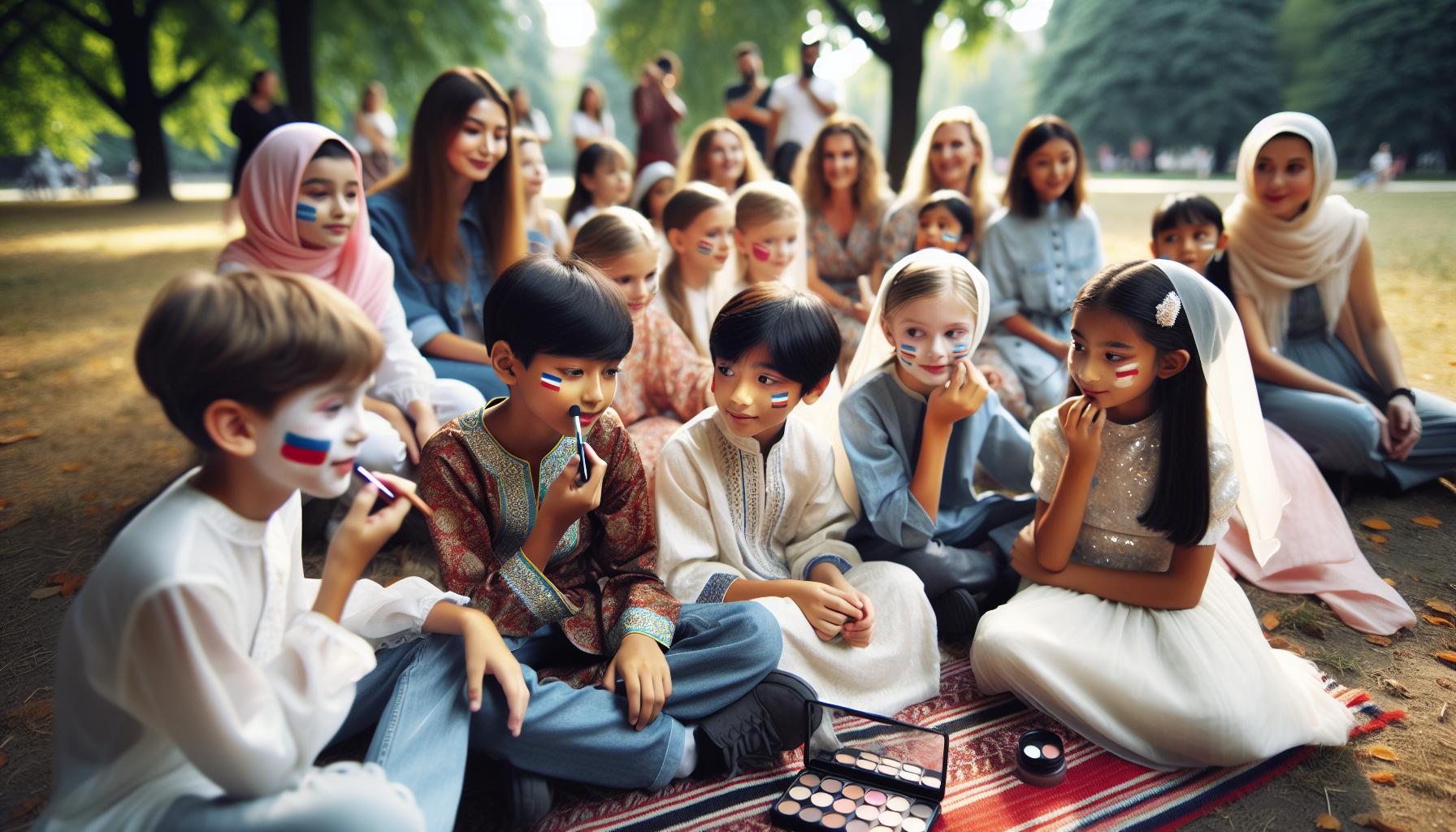
Cultural Perspectives on Kids and Makeup
The conversation about children wearing makeup is rapidly evolving, reflecting deeper cultural attitudes towards beauty and self-expression. In today’s society, makeup is often seen as more than just a cosmetic tool; it embodies a form of creativity and personal identity. Many families view makeup as a playful way for kids to experiment with colors and styles, much like dress-up. This shift towards acceptance is influenced heavily by social media, where children are exposed to beauty routines and trends that encourage them to express themselves creatively.
As more brands target younger audiences with kid-friendly makeup lines, the cultural normalization of makeup among children is becoming undeniable. Many argue that allowing children to wear makeup can foster self-confidence and enhance their social interactions. For instance, during festive occasions or events, kids are encouraged to dress up and adorn themselves, blending playtime with self-expression. This cultural perspective celebrates individuality, viewing makeup as a medium through which children can explore their personalities.
Conversely, this trend also raises significant discussions about the implications of early makeup use. Critics often point out that it can promote superficial standards of beauty or lead to problematic comparisons on social media. Parents and guardians are tasked with navigating these complexities, finding a balance between allowing creative freedom and setting appropriate boundaries. By fostering open discussions about beauty and self-image, families can address the cultural pressures surrounding makeup while ensuring children understand the importance of self-acceptance beyond physical appearance.
In this cultural landscape, community and conversation play pivotal roles in shaping how children approach makeup. By creating supportive environments where children can express their beauty-related interests, parents can help them develop a healthy relationship with cosmetics-one that values both creativity and authenticity over societal expectations.
Expert Opinions: Child Psychologists Weigh In
The conversations surrounding children and makeup are becoming more prevalent, prompting many parents to seek insights from child psychologists. Understanding the psychological implications of makeup use among young people is essential for parents navigating this modern landscape. Psychologists generally agree that makeup can serve as a tool for self-expression, allowing children to explore their identities in a safe and creative way.
Many experts emphasize the role of makeup in helping children build confidence. For instance, participating in play activities that involve applying makeup-such as dress-up games-can enhance a child’s self-esteem as they experiment with different looks and styles. Dr. Lisa Johnson, a child psychologist, notes that this experimentation allows children to understand the concept of presentation, fostering early interpersonal skills and encouraging them to feel good about themselves in social situations.
However, psychologists also caution that parents should maintain a balanced perspective. While makeup can be a positive means of self-expression, it’s crucial to discuss the cultural messages that cosmetics can convey. Dr. Mark Rogers warns against potential pitfalls, including the risk of children internalizing unrealistic beauty standards propagated by media and social networks. He suggests that parents engage their children in dialogues about beauty, encouraging them to cultivate a sense of self that is not solely tied to appearance.
To support a healthy relationship with makeup, psychologists recommend setting clear boundaries around age-appropriate makeup use. Parents can create guidelines that prioritize creativity over conformity, such as allowing makeup for special occasions rather than daily wear. This approach not only protects children from the pressures of societal expectations but also empowers them to enjoy makeup as a fun and artistic medium.
Making time for conversations about feelings and self-image can greatly enhance a child’s experience with makeup. Reinforcing the idea that beauty comes in many forms helps nurture self-acceptance and confidence, providing young individuals with a richer understanding of personal expression and identity.
Parental Concerns About Makeup for Kids
In today’s world, the sight of children sporting makeup can spark a plethora of parental concerns. Many parents ask themselves: Is it age-appropriate? Does it foster a healthy self-image? The reality is that the conversation surrounding children and makeup is nuanced, reflecting broader societal values and individual family dynamics. Understanding these concerns is crucial for navigating this aspect of childhood experience.
One of the primary apprehensions parents have involves the potential impact of makeup on a child’s self-esteem and body image. It’s not uncommon for parents to worry that makeup could set unrealistic beauty standards. They might fear that young wearers could internalize the idea that they need to conform to specific looks to be considered attractive. To counter this, having open dialogues about beauty standards-highlighting diversity in appearances and the natural beauty of all individuals-can empower children to understand that makeup is an option, not a necessity.
Moreover, the issue of age appropriateness looms large. What feels suitable for one family may not be for another. To find a comfortable middle ground, parents can establish clear guidelines. This might involve allowing makeup for special occasions, like birthdays or family gatherings, while encouraging makeup-free days to promote natural self-exploration. This way, children can enjoy makeup in a way that feels fun but does not revolve their self-worth around it.
Another vital aspect to consider is the influence of peers and social media. With platforms showcasing beauty trends and makeup tutorials tailored for kids, the pressure can feel unavoidable. It’s essential for parents to engage with their children about the content they consume online. Reminding them to assess whether what they see reflects reality can instill critical thinking and reduce undue pressure to conform to specific looks or trends.
Lastly, emphasizing creativity can transform makeup use into a form of self-expression rather than a means of validation. Encourage children to experiment with makeup as an art, focusing on imaginative play rather than adhering to external expectations. With thoughtful conversations and boundaries, parents can help their children navigate makeup use in a way that nurtures creativity, self-acceptance, and confidence.
Understanding Age-Appropriate Makeup
The decision about what constitutes age-appropriate makeup for children can be complex, influenced by societal norms, personal values, and developmental considerations. Regardless of where you stand, understanding where boundaries can and should lie is essential for fostering a healthy relationship with makeup.
Starting with young children, the focus should be on play and creativity rather than a polished aesthetic. For instance, allowing them to use playful items like face paint or colored lip balm can create a fun experience without the pressure of looking “perfect.” Such products typically wash off easily and don’t carry the same implications as traditional makeup. When introducing these products, emphasize that makeup can be a fun exploration of art rather than a necessity for beauty.
As children reach pre-teen and teen years, the conversation can shift to include self-expression and acknowledgment of peer influences. At this stage, parents might consider defining specific contexts for makeup use. Allowing makeup for events such as birthday parties, school performances, or family celebrations can provide a framework that respects their desires while ensuring it doesn’t become an everyday expectation. This can help mitigate the risks of associating makeup directly with self-worth.
Moreover, addressing the types of products themselves is vital. Encouraging the use of makeup that is labeled as “child-friendly” or “suitable for young skin” often contains safer ingredients and is formulated to be easy to remove. Always review labels together, discussing what ingredients mean and why certain products may be harmful. This practice not only empowers children to make informed choices but also nurtures a sense of responsibility regarding their beauty habits.
Lastly, engaging in ongoing conversations about beauty standards and media influences is crucial. Use examples from popular culture to discuss how makeup can be both a form of self-expression and a tool for conforming to certain societal ideals. This awareness can help children develop critical thinking skills about what they see and feel online, promoting a balanced view of beauty that extends beyond any one product or standard.
By setting realistic expectations and conditions for makeup use, parents can facilitate a positive experience that encompasses fun, exploration, and personal expression, all while reinforcing a healthy self-image.
Makeup and Self-Expression: What It Means
The rise of makeup use among children and adolescents often sparks discussions about identity and self-expression. For many young people, makeup serves as a colorful medium through which they can experiment with different identities, moods, and even artistic styles. This creative outlet can be empowering, allowing kids to showcase their individuality, much like how they might express themselves through fashion or hobbies. Understanding this dynamic helps parents appreciate the nuances of makeup use beyond mere aesthetics.
As children begin to engage with makeup, it’s critical for them to comprehend its role not only in self-expression but also in societal norms. They may see older peers or influencers using makeup to enhance their appearance or convey particular messages. By fostering dialogues about these influences, parents can help children grasp the difference between personal expression and external pressures. Encourage them to think critically about what they see on social media and in the world around them. Questions like, “How does this make you feel?” or “What does this look say about you?” can prompt valuable insights and discussions about personal values and self-perception.
Moreover, allowing children to create their own makeup looks-with boundaries-can facilitate growth in self-confidence. Consider setting aside time for artistic experiments at home with bright colors and playful themes. This encourages creativity and reinforces that makeup is a form of art rather than a requirement for beauty. Such experiences can be affirming; they provide a safe space for children to express their feelings and personality, cultivating a healthy perspective on makeup’s purpose in their lives.
Ultimately, it’s essential to view makeup through a lens of exploration and artistic expression. By supporting children in their journey of self-discovery through makeup, parents can help nurture both creativity and self-esteem while ensuring that conversations about beauty standards remain open and constructive. Emphasizing personal choice over societal expectation allows kids to develop a more authentic sense of self, grounded in the understanding that beauty comes in many forms, both with and without makeup.
The Role of Social Media in Children’s Makeup Use
The influence of social media on children’s makeup usage is profound, shaping not just trends but also perceptions of beauty and self-worth. Platforms like TikTok, Instagram, and YouTube are bursting with tutorials, challenges, and influencers who showcase everything from subtle enhancements to full glam transformations. This digital landscape can serve as both an inspiration and a pressure cooker for young users. As they scroll through endless content, they are not just looking at makeup; they are also absorbing ideals about attractiveness, creativity, and adherence to current beauty standards.
Understanding how to navigate this virtual minefield is crucial. Open discussions about the content children consume can help demystify the often-unrealistic portrayals presented online. Encourage kids to explore makeup as an art form, inspired by social media, while also promoting critical thinking about the images they see. Questions like, “What parts of this look resonate with you?” or “What makes this look feel authentic?” can foster deeper conversations about self-expression versus conforming to societal pressures.
Another vital aspect is recognizing the potential benefits of social media regarding makeup. For many children and teens, engaging with makeup tutorials provides a sense of community and belonging. They can connect with peers who share similar interests, learn techniques, and even express creativity in ways they might not have considered before. These platforms can empower them to experiment with colors and styles they enjoy, promoting a healthier, more personal relationship with makeup.
To strike a balance, set boundaries around social media use. Discuss age-appropriate content and encourage kids to focus on creators who promote positivity and realistic beauty standards. Parents can also lead by example, choosing to engage with content that is uplifting and mirrors the values they wish to instill in their children. By promoting a mindful approach to makeup influenced by social media, children can experience self-expression in a way that values both their individuality and mental well-being.
Benefits of Makeup for Children and Teens
Makeup can be a powerful tool for children and teens, offering numerous benefits beyond mere aesthetics. Engaging with makeup can help cultivate creativity and boost confidence, allowing young individuals to express themselves in unique ways. When children explore makeup, they not only learn about colors, textures, and styles but also gain an opportunity to experiment and discover what resonates with their personal identity.
Involving children in makeup can also serve as a wonderful bonding activity between parents and kids. This shared experience fosters communication and trust, providing a platform to discuss themes such as self-image and societal expectations. For instance, a simple “makeup playdate” can spark conversations about beauty standards and the importance of authenticity, helping kids understand that makeup is just one of many tools for self-expression, not a necessity for self-worth.
Additionally, learning about makeup application techniques can enhance fine motor skills and hand-eye coordination. The process of applying makeup involves precise movements-such as blending, dabbing, and lining-that can translate into improved dexterity. For example, practicing how to apply eyeliner requires steady hands and focus, skills that are beneficial in various areas of childhood development.
Finally, engaging with makeup can foster a sense of independence. As children learn to choose products that suit their style, they develop decision-making skills and a sense of agency over their appearance. This autonomy can be empowering, encouraging them to view themselves as capable and confident in their choices. Therefore, when approached with intention and guidance, makeup can be a positive and enriching experience for children and teens.
Tips for Parents: Setting Healthy Boundaries
Navigating the world of makeup with your child can be both exciting and daunting. As trends shift and social influences grow, setting healthy boundaries becomes essential. One of the best ways to empower your child is to establish clear guidelines around makeup use, ensuring that their experiences are enjoyable, safe, and age-appropriate.
Start by having open discussions about why they want to wear makeup. Understanding their motivations-whether it’s for fun, self-expression, or social reasons-can help you tailor your approach. For example, if they’re interested in experimenting with colors and textures, consider setting specific times for makeup play, like weekends or during special events. This can make the activity special without it becoming a daily expectation.
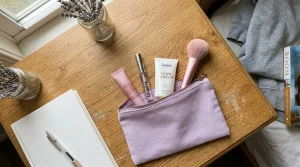
Another important aspect is to guide them in choosing age-appropriate products. Educate them about ingredients and proper application techniques. For example, using gentle, hypoallergenic products is crucial for young skin. You might establish a “makeup bag” filled with approved items that are safe, fun, and also provide educational moments about personal care and hygiene.
Consider implementing a “makeup rules” chart that outlines when and where makeup is acceptable. This could include guidelines such as no heavy makeup for school or limiting application to special occasions. Visual aids can be particularly helpful for younger children, making rules easier to digest and remember. An elements of choice can also be integrated-allow them to pick their favorite colors or products from your curated selections. This involvement fosters their autonomy while keeping within safe boundaries.
Finally, encourage reflection after makeup sessions by discussing what they liked and didn’t like. This not only enhances self-awareness but also allows you to guide them in developing their personal style thoughtfully. By maintaining an open line of communication and setting clear boundaries, you can ensure that their exploration of makeup is a positive aspect of their growth and self-expression.
Navigating Makeup Product Choices for Kids
Navigating the world of makeup product choices for kids can feel overwhelming for many parents, especially with the myriad of options available today. It’s essential to prioritize safety while allowing children to express themselves creatively. A fundamental starting point is to focus on age-appropriate products that align with their skin sensitivity. This means steering clear of heavily pigmented cosmetics often meant for adults and choosing items designed specifically for younger skin.
When selecting products, consider these factors:
- Ingredients: Look for hypoallergenic and non-toxic options. Products that are free of parabens, phthalates, and fragrances are typically safer for children. Brands like Piggy Paint and Little Poppy Co. offer non-toxic nail polishes and makeup specifically formulated for young users.
- Texture and Ease of Use: Cream-based products, such as blushes and lip balms, are generally easier for children to apply than powders. They provide a more natural look and mitigate mess.
- Educational Value: Pick products that offer a fun learning experience. For example, some brands provide kits that teach kids how to apply makeup in a safe and engaging way, which helps them understand application techniques and skin care.
It’s also vital to set practical guidelines about when and where makeup can be applied. A great way to do this is by creating a designated “makeup time”-perhaps allowing them to do their makeup before family events or playdates. This not only makes makeup application special but also teaches children about appropriate contexts for different types of makeup use.
Involve your kids in the decision-making process as much as possible. Allowing them the chance to choose their products from a curated selection not only fosters their autonomy but also helps them develop a sense of style. This can be an excellent way to engage in discussions about preferences, self-expression, and even the importance of following safety guidelines.
By carefully navigating product choices, you empower your children to explore beauty in a safe, age-appropriate way while encouraging their creativity.
Real Stories: Experiences from Parents and Kids
As makeup becomes increasingly common for children, many parents are sharing their experiences, both positive and negative, that provide insight into this evolving trend. For instance, Jenna, a mom of two, found that allowing her seven-year-old daughter to experiment with makeup during special occasions-like family gatherings or dress-up days-made those moments feel extra special. Jenna believes this approach not only fosters her daughter’s creativity, but also teaches her about context and appropriateness: “We set aside time for makeup, and it turns into a fun little ritual where she can express herself without going overboard.”
On the flip side, Cameron, a father of a twelve-year-old, has navigated concerns about societal pressures and unrealistic beauty standards. He shares that his daughter initially felt the need to wear makeup to fit in at school, which prompted serious discussions about self-esteem and individuality. They reached an agreement that makeup can be used for fun, but it’s essential to embrace natural beauty. Cameron emphasizes, “It’s about balance. She can wear makeup, but I want her to know it doesn’t define her worth.”
Parents also express the importance of education around makeup use. Maria, whose eight-year-old son loves using face paint for creative projects, actively seeks products that are safe and suitable for children. She emphasizes the teaching moment: “We read the ingredient labels together and talk about what’s safe for his skin. It’s turned into a bonding experience, helping him understand that what he puts on his skin matters.” This parental involvement not only reassures them about safety but also encourages their children to think critically about their choices.
Such real-life stories highlight the varying perspectives on children wearing makeup and showcase a thoughtful balance between fun, safety, and self-expression. Ultimately, it’s about understanding individual needs and values, creating an open dialogue that allows kids to explore these forms of creativity without losing sight of their self-worth.
FAQ
Q: What are the common opinions about children wearing makeup today?
A: Opinions on children wearing makeup vary widely. Many believe it can foster creativity and self-expression, while others worry it might lead to body image issues or pressure to conform to adult standards. It’s essential to balance fun with age-appropriateness, emphasizing healthy self-esteem over appearance.
Q: How does makeup impact children’s self-esteem?
A: Makeup can impact children’s self-esteem positively by allowing for creative expression. However, excessive focus on appearance can lead to insecurity. Encouraging a healthy self-image involves discussing makeup as a tool for fun, not a necessity, which helps maintain balance and confidence in their natural looks.
Q: At what age should children start wearing makeup, according to experts?
A: Experts suggest that there’s no definitive age for children to start wearing makeup; rather, it depends on maturity and context. Many recommend casual makeup for play around ages 5-10, while preteens may be introduced to light makeup for social events. Ultimately, parents should guide based on readiness and values.
Q: What are parents’ concerns about children wearing makeup?
A: Parents frequently express concerns about promoting unrealistic beauty standards, potential early sexualization, and the impact on self-esteem. Many fear makeup might distract from more important skills and values. Open dialogues about the purpose and context of makeup are crucial in addressing these concerns.
Q: How can parents set healthy boundaries around makeup use?
A: Parents can set healthy boundaries by defining age-appropriate makeup guidelines, limiting use to specific occasions, and engaging kids in discussions about beauty ideals. Encourage children to use makeup as a form of creativity while also highlighting the importance of their true selves beyond appearances.
Q: What role does social media play in children’s makeup trends?
A: Social media heavily influences makeup trends among children, often showcasing idealized beauty looks that can affect self-image. Parents can use this opportunity to educate their children about realistic standards and the importance of inner beauty, helping them navigate online pressures positively.
Q: How can children benefit from using makeup in a safe way?
A: Children can benefit from using makeup safely by developing creativity, enhancing fine motor skills, and learning about personal grooming. Setting boundaries and discussing the fun of self-expression rather than beauty standards can foster a positive self-image while engaging in this activity.
Q: Why do some cultures promote makeup for children?
A: Some cultures promote makeup for children as a form of artistic expression, celebration, or cultural heritage, especially during festivals or events. This practice can serve as a bonding experience between parents and children, encouraging artistic exploration while instilling cultural appreciation.
Concluding Remarks
As we’ve uncovered in our exploration of children’s makeup today, opinions vary widely and often reflect broader societal trends and values. It’s essential to consider both the fun and creative aspects of makeup against the backdrop of childhood innocence and personal expression. We encourage you to weigh these perspectives and think about what feels right for your family’s values.
If you’re interested in exploring more about childhood individuality, check out our articles on “Creative Outlets for Kids” and “Makeup Safety for Young Skin” for deeper insights and practical advice. Don’t forget to share your thoughts in the comments-how do you feel about children wearing makeup? Your voice adds to this important dialogue! For more expert tips and all things beauty and wellness, subscribe to our newsletter and stay connected. Remember, every parent’s journey is unique, and we’re here to support you every step of the way!
Get our latest guides, news, and insights highlighted in your Google Search & AI Overviews.