Have you ever wondered why choosing the right razor is so crucial to your grooming routine? A razor is more than just a simple tool-it’s your ally in achieving healthy, smooth skin, whether you’re tackling unwanted hair or refining your facial features. With countless options available, understanding which razor suits your needs can be a game changer for your daily self-care.
In this article, we’ll explore the different types of razors, their benefits, and tips on how to use them effectively. Whether you’re a grooming novice or a seasoned pro, knowing what makes a great razor can help you elevate your grooming game. Join us as we demystify this essential tool, ensuring you feel confident and empowered every time you reach for it.
What is a Razor and How Does It Work?
Razor technology has evolved significantly over the centuries, transitioning from simple cutting tools to sophisticated grooming devices. Understanding how a razor works is essential not just for maximizing its efficiency but also for ensuring your shaving experience is comfortable and effective. At its core, a razor comprises a sharp blade or blades designed to cut hair at or near the skin’s surface. The key mechanics involve the angle at which the blade meets the skin, the pressure applied, and the sharpness of the blade itself.
When you glide a razor over your skin, it uses a combination of sharpness and friction to slice through hair. The design of the razor and its blade angle also play a crucial role. For instance, a safety razor has a guard that minimizes the risk of cuts by controlling blade exposure. In contrast, straight razors require more skill and a precise angle for an effective shave. Understanding these mechanics helps you make informed choices about the type of razor to use, tailored to your grooming needs and skill level.
Moreover, the technique you employ during shaving significantly impacts outcomes. Using short, light strokes rather than pressing too hard allows the blade to do its job effectively while minimizing irritation. Also, preparation is vital; softening hair with warm water and using proper shaving cream helps reduce friction, allowing the blade to glide smoothly. By familiarizing yourself with how razors function and mastering the techniques involved, you’ll not only achieve a closer shave but also enjoy a more pleasant experience overall.
Types of Razors: Finding the Right One for You
Choosing the right razor can significantly impact your grooming routine, allowing for a close, comfortable shave tailored to your needs. With so many options available, it’s essential to understand the different types of razors and how they might suit your shaving style and skin sensitivity.
The most common types of razors include disposable, cartridge, safety, and straight razors. Disposable razors are convenient and affordable, making them a great option for travel or occasional use. However, their effectiveness often decreases after a few shaves. Cartridge razors, which feature multiple blades in a replaceable head, deliver a close shave while being easy to use. They are great for beginners and those who prefer a quick grooming routine.
For those looking for a more traditional approach, safety razors can offer a superior shaving experience. These are designed with a protective guard, minimizing the risk of cuts while allowing for greater control over the shave. Safety razors require a bit more technique but can result in a closer shave and less environmental waste due to the ability to replace only the blade. Finally, straight razors are the classic choice, often revered for their precision and artistry. They demand a certain level of skill and maintenance but can yield remarkable results for those willing to invest the time.
Consider your skin type and hair thickness when selecting a razor. Sensitive skin may benefit from a milder razor, while coarse hair may require a more robust option. Testing a few different types will help you find what feels best for you, ensuring your grooming routine is effective and enjoyable.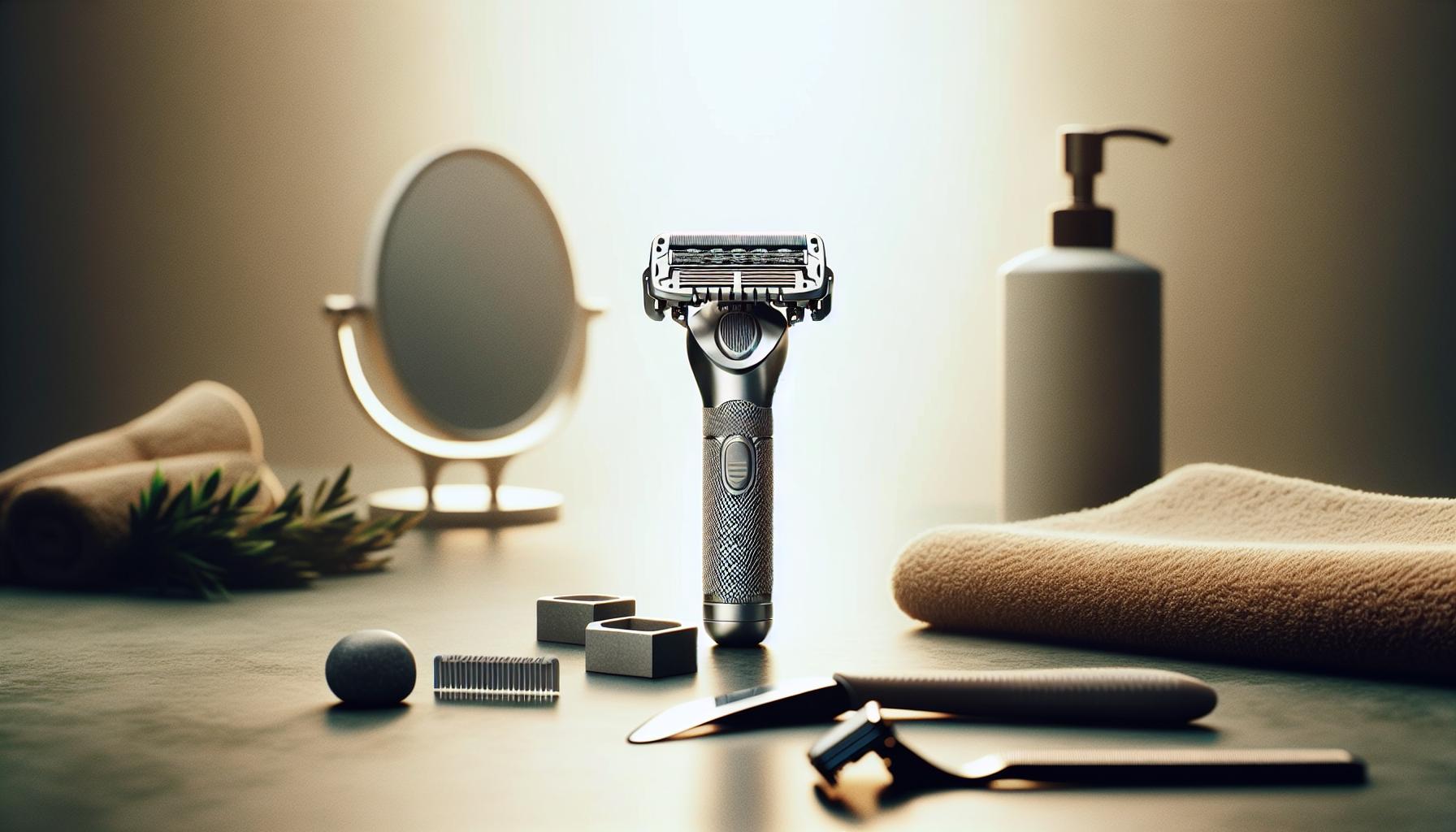
Essential Razor Features: What to Look For
When choosing a razor, understanding the essential features can dramatically enhance your shaving experience. A razor is more than just a blade; thoughtful design elements can provide comfort, safety, and efficiency, making your grooming routine much more enjoyable. Here’s what to consider when selecting the right razor to meet your needs.
Blade Quality
The sharpness and material of the blade play crucial roles in achieving a close shave. High-quality stainless steel blades resist rust and hold an edge longer, requiring less frequent replacement. For sensitive skin, look for blades labeled as “comfort” or “skin-friendly,” which often have micro-perforated edges to minimize irritation.
Handle Design
The handle should feel comfortable and secure in your hand. Look for ergonomic designs that fit comfortably between your fingers. A textured grip can also provide better control, especially when wet. If you find yourself with longer or thicker hair, a weighted handle can help exert the right amount of pressure without additional effort on your part.
Safety Features
Safety razors often come with features designed to protect your skin from cuts and irritation. For instance, razors with built-in guards or pivoting heads can adapt to the contours of your face, ensuring a consistent and safe shave. If you’re interested in straight razors, prioritize ones with a guard for beginners, as they can be tricky to handle.
Adjustability and Versatility
Certain razors allow you to adjust the blade gap, providing a customizable shaving experience. This is especially beneficial if you alternate between different areas of your face or body with varying hair thicknesses. Consider whether you might want a multi-blade option for quicker shaves or a single-edge for precision and control during detailed grooming.
By keeping these essential features in mind, you can make an informed choice that aligns with your shaving style and skin sensitivity. Remember that finding the right razor may take some experimentation, so don’t hesitate to try different options until you discover what works best for you.
Step-by-Step Guide to Proper Razor Use
A proper shaving technique can significantly enhance your grooming routine, transforming it from a chore into an enjoyable experience. Mastering the art of using a razor involves understanding both your tools and your technique to achieve a close, comfortable shave without irritation. Follow this simple step-by-step guide to elevate your shaving game.
Preparation is Key
Before you even pick up your razor, prepare your skin and hair. Start by washing your face with warm water and a gentle cleanser to remove dirt and oil. If you have particularly coarse hair, consider using a warm towel on your face for a minute or two, as this will soften the hairs and open up your pores. This step is crucial for minimizing irritation and achieving a closer shave.
Choose Your Products
Choosing the right shaving cream or gel can make a significant difference. Look for products that provide hydration and a good barrier between the blade and your skin. A creamy lather helps the razor glide smoothly. Use a dime-sized amount and apply it evenly over the area you plan to shave, using gentle, circular motions. Let it sit for about 30 seconds to further soften your hair.
Shaving Technique
Now it’s time to use your razor. When you begin shaving, hold the razor at about a 30-degree angle to your skin. This angle allows the blade to cut hair without digging into the skin. Start with light pressure; let the razor do the work. Shave in the direction of hair growth to minimize irritation, especially if you’re using a safety razor or a straight razor. If you need a closer shave, you can make a second pass against the grain after your initial pass, but be sure to reapply shaving cream to protect your skin.
Rinse and Post-Shave Care
After you’ve finished shaving, rinse your face with cold water to help close the pores. Pat your skin dry with a clean towel-avoid rubbing, which can cause irritation. Now, apply a soothing aftershave balm or moisturizer to hydrate and calm the skin. Look for products without alcohol, as they can dry out and irritate sensitive skin.
By following these steps, you can enjoy a smoother shave and maintain healthy skin. Each step reinforces the idea that shaving is not merely a routine but an opportunity to care for yourself. Regular practice will not only improve your technique but also help you find what works best for your unique skin and hair type.
Tips for Achieving the Perfect Shave Every Time
To transform your shaving experience from a routine task to a pampering ritual, attention to detail can make all the difference. Incorporating a few well-considered tips into your practice can significantly enhance the quality of your shave. Choosing the right products, refining your technique, and focusing on post-shave care are essential steps in achieving a perfect shave every time.
Start by ensuring your razor is sharp and clean. A dull blade can tug at hairs and lead to irritation, while a clean razor minimizes the risk of infection. If you’re using a safety razor or straight razor, replace the blade after about five to seven shaves, depending on hair thickness and shaving frequency. Additionally, regularly rinsing your razor during use will help keep it free from hair and lather build-up, allowing for a smoother glide.
Selecting the right pre-shave preparation is equally crucial. Consider using a pre-shave oil to add an extra layer of protection and hydration to your skin. This oil creates a slick surface that helps the razor glide more effortlessly, reducing friction. After applying shaving cream or gel, give it a minute to set; this will further soften the hair and open up your pores for a cleaner cut. When it comes to the shave itself, maintain a steady, light pressure, and remember to shave with the grain of your hair to minimize irritation. If you opt for a second pass against the grain, reapply your lather for optimal comfort.
Consider your post-shave skincare as the finishing touch to your grooming routine. After rinsing with cold water to close the pores, apply a soothing aftershave or moisturizer; look for alcohol-free options to avoid dryness. Products with aloe vera or witch hazel can help calm the skin, reducing the risk of redness or irritation after shaving. Regularly moisturizing after shaving not only keeps your skin supple but also aids in recovery from the minor abrasions that occur during shaving.
By integrating these thoughtful strategies into your shaving ritual, you can elevate not just the finishing result but the whole experience, turning it into a moment of self-care and relaxation each time you shave. Make these practices part of your routine, and you’ll not only achieve a smoother finish but also enjoy the entire process more.
Post-Shave Care: Keeping Your Skin Smooth
After your shaving routine, what you do next can significantly impact the health and feel of your skin. Post-shave care is not just about closing pores; it’s a crucial step in preventing irritation and ensuring your skin remains smooth and hydrated. Engaging in proper post-shave practices can make all the difference, turning a potentially uncomfortable experience into a soothing one.
Begin with a splash of cold water to rinse your face thoroughly. This not only helps close your pores, reducing the risk of dirt and bacteria entering, but also calms the skin after the shave. After patting your skin dry with a clean towel (avoid rubbing to prevent irritation), it’s time to apply aftershave products. Look for soothing formulas that are free of alcohol, as harsh ingredients can lead to dryness and discomfort. Preferably, use products containing soothing agents like aloe vera or witch hazel, which help calm inflammation and redness.
Following your aftershave, consider integrating a light moisturizer into your routine. A moisturizer not only hydrates the skin but also serves as a barrier against environmental stressors. Choose a product labeled as non-comedogenic, meaning it won’t clog your pores, which is essential for keeping your skin fresh and clear. For those with particularly dry skin or after frequent shaving, a balm that includes nourishing ingredients like shea butter or coconut oil can provide additional hydration and protection.
Lastly, remember that maintaining smooth skin goes beyond just shaving and applying products. Keeping your skin healthy involves consistent care, so don’t skip moisturizing on non-shaving days as well. Regular exfoliation, about once a week, can also help remove dead skin cells and prevent ingrown hairs, ensuring your skin looks vibrant and feels great. By focusing on these post-shave practices, you’ll not only minimize irritation but also elevate your self-care routine into a rejuvenating experience.
Common Razor Mistakes and How to Avoid Them
Many people overlook simple mistakes that can turn grooming from a refreshing ritual into a frustrating chore. A common misconception is that all razors are interchangeable, which can lead to choosing the wrong type for your hair and skin type. This choice can drastically affect your shaving experience and results.
Choosing the Wrong Razor Type
Selecting a razor that doesn’t suit your needs is a frequent pitfall. For instance, those with sensitive skin may struggle with multi-blade razors, which can cause irritation, while individuals with thick hair might find single-blade safety razors underperforming. To avoid this mistake, assess your hair type and skin sensitivity. If you’re prone to nicks or irritation, a safety razor or a gentle cartridge razor might be your best bet. Conversely, for a close shave, consider a straight razor, but ensure you have the skills to handle it safely.
Poor Preparation Before Shaving
Another common oversight is failing to prepare your skin adequately before shaving. Skipping the pre-shave routine can lead to an increased chance of cuts and irritation. Always start by washing your face with warm water and applying shaving cream or gel to soften hair and protect your skin. Let it sit for a minute before you begin; this allows the product to penetrate, making your shave smoother. Think of this step as priming a canvas before painting-it sets you up for success.
Incorrect Shaving Technique
Many people don’t pay close attention to their shaving technique, which can be detrimental. Shaving with the grain of your hair usually helps prevent irritation and ingrown hairs. Use light pressure and let the razor do the work, instead of forcing it. Remember to change the blade regularly; a dull blade can tug at hair rather than cut it cleanly, leading to discomfort. As a rule of thumb, swap the blade every 5-7 shaves, or sooner if you notice any pulling or discomfort.
Neglecting Aftercare
Finally, aftercare is often neglected, but it’s just as crucial as the shaving process itself. Skipping post-shave products can lead to dryness and irritation. After rinsing your face with cold water to close pores, apply a soothing aftershave balm to help calm the skin. Avoid products with alcohol, as they can cause stinging and dryness. Additionally, integrating a light moisturizer can help keep your skin hydrated and balanced.
By being mindful of these common mistakes-selecting the right equipment, adequately preparing your skin, using proper techniques, and adhering to an aftercare regimen-you can transform your shaving routine into a pleasant and effective experience. Remember, a little attention to detail goes a long way in achieving that smooth, irritation-free shave you desire.
Eco-Friendly Razor Options: Sustainable Grooming
As more people become aware of their environmental footprint, the search for sustainable grooming options, including eco-friendly razors, is on the rise. Choosing a razor that minimizes waste and uses sustainable materials not only benefits the planet but also enhances your grooming routine with thoughtful choices that consider both comfort and the environment.
One popular eco-friendly option is the safety razor. Unlike disposable cartridges, safety razors use single blades that are fully recyclable. This means less plastic waste in landfills, as you only need to replace the metal blade, which can be recycled after use. Many brands even offer blades in simple, recyclable packaging. Transitioning to a safety razor might seem daunting, but the benefits far outweigh the initial learning curve. Plus, the close shave provided by a safety razor often means fewer passes over the skin, reducing irritation and the need for additional products.
Another fantastic alternative is the straight razor. Though it requires a bit more commitment to learn proper techniques, straight razors are built to last a lifetime. With proper care, they can be passed down through generations, drastically reducing waste compared to disposable options. Investing in a quality straight razor not only supports sustainable living but also elevates your grooming experience to a whole new level of tradition and craftsmanship.
Don’t forget about reusable cartridge razors either. Some brands offer handles that can be used indefinitely, with replaceable blade cartridges that further cut down on waste. Look for options made from sustainable materials, like bamboo or recycled metals, which are often more eco-friendly than traditional plastic handles.
Lastly, consider the post-shave products you use. Opt for balms and creams in recyclable packaging or those made from natural ingredients. This not only enhances your shaving experience but also aligns with a sustainable lifestyle.
Making the switch to eco-friendly razors is a small but significant step you can take toward a more sustainable grooming routine. Embrace these options, and you’ll find that caring for the planet can seamlessly blend with self-care. Remember, every little change counts!
The History of Razors: From Ancient Tools to Modern Designs
The razor, an essential grooming tool, has evolved dramatically from its ancient origins to the sophisticated designs we see today. The first razors, dating back to around 3000 BC in ancient Egypt, were crafted from flint and bronze. These primitive tools were not only functional but also a status symbol, as a clean-shaven face represented cleanliness and social standing. The development of materials like iron allowed for sharper and more durable blades, further enhancing the shaving experience.
The Art of Shaving Through Time
As cultures advanced, so did shaving techniques. Ancient Romans introduced the use of metal razors that were shaped for better handling. By the Middle Ages, barbers had taken on the role of personal grooming specialists, and razors evolved into valuable tools for both shaving and hair cutting. The 18th century marked a significant turning point with the introduction of the straight razor, which featured a folding blade. This design offered a blend of elegance and practicality, perfectly suited for the meticulous grooming rituals of the time.
The Industrial Revolution and Beyond
The Industrial Revolution brought about mass production, making razors accessible to the general public. In the late 19th century, King Camp Gillette revolutionized shaving with his invention of the disposable razor blade. This innovation not only made shaving more convenient but also allowed for a smoother, quicker shave without the need for frequent sharpening. The safety razor that emerged from this development reduced the risk of cuts and made shaving an easier and more efficient process.
Today, we have an array of razors, from disposable and cartridge types to advanced electric models. Each option caters to different preferences and skin types, emphasizing convenience and comfort. Modern design innovations have also incorporated features such as moisturizing strips and ergonomic handles, further enhancing the overall shaving experience.
Understanding the rich history of razors not only connects us to the past but also helps us appreciate the importance of choosing the right tool for our grooming needs. Investing in a quality razor-be it a traditional straight razor or a sleek safety design-can make a notable difference in achieving that desired smooth shave while honoring the time-honored craft of grooming.
How to Maintain and Store Your Razor
Taking good care of your razor not only enhances its lifespan but also ensures that your shaving experience remains smooth and enjoyable. Proper maintenance involves regular cleaning and thoughtful storage, which can prevent rust, dull blades, and skin irritation. Here’s how you can keep your razor in top condition.
After each use, rinse your razor thoroughly under warm water to remove hair, shaving cream, and skin cells. This quick yet vital step prevents buildup that can dull the blade and promote bacterial growth. For a deeper clean, soak your razor in a mixture of warm water and a few drops of mild soap for about five to ten minutes. Use a soft brush (like an old toothbrush) to gently scrub the razor head, ensuring all debris is dislodged. Rinse again with clean water and pat it dry with a soft towel.
When it comes to storage, avoid leaving your razor in the shower or any damp location as moisture can lead to rust. Instead, store your razor in a dry area, ideally in a cabinet or a drawer. For safety and hygiene, consider investing in a razor stand or holder that allows it to sit upright. This position not only keeps the blades dry but also minimizes exposure to dirt and bacteria. If your razor has removable blades, store the blades in a safe, dry place away from direct contact with moisture.
Lastly, regular maintenance should include checking the blade for signs of wear. Most blades will provide optimal performance for about five to seven shaves. If you notice tugging or irritation during your shave, it’s time to replace the blade to ensure comfort and efficiency. By integrating these simple steps into your grooming routine, you’ll not only extend the life of your razor but also enhance your overall shaving experience.
Razor Safety Tips: Avoiding Cuts and Irritation
To achieve a close, comfortable shave while minimizing the risk of cuts and irritation, it’s essential to follow a few key safety tips. Understanding how your razor works and recognizing the potential pitfalls can lead to a more enjoyable grooming experience.
First and foremost, always start with a clean face. Washing your skin with warm water and a gentle cleanser not only helps to remove dirt and oil but also softens your hair, making it easier to cut. Preparation is vital. If you can, apply a pre-shave oil or conditioner; this adds an extra layer of protection between the blade and your skin.
When you’re ready to shave, remember to use a sharp blade. Dull blades can tug at hair and irritate your skin, leading to cuts and ingrown hairs. As a general rule, replace your blade after five to seven shaves, or sooner if you feel any pulling or discomfort. Also, don’t rush the process. Take your time and use light, gentle strokes. Avoid pressing down too hard on the razor; let the weight of the razor do the work for you. Shaving with the grain of your hair rather than against it can also help prevent irritation; this means shaving in the direction your hair grows.
After your shave, it’s essential to cool and soothe your skin. Rinsing with cold water can help close the pores and calm irritation. Follow up with a gentle aftershave balm or moisturizer to hydrate and protect your skin. Look for products that are alcohol-free, as alcohol can dry out and irritate your skin further.
In addition, be mindful of your shaving environment. Ensure your bathroom is well lit to avoid any mishaps, and always keep your razor dry and stored in a clean area to prevent bacteria from festering.
By incorporating these simple yet effective safety tips into your routine, you can significantly enhance your shaving experience, helping you to achieve that close, smooth finish without the discomfort.
Exploring Advanced Shaving Techniques for Experts
Mastering the art of shaving goes beyond just using a razor; it’s an exploration of techniques that can elevate your grooming routine. Expert-level shaving involves understanding your beard growth patterns, utilizing various blade angles, and applying specific techniques that ensure a smooth, irritation-free shave. Let’s delve into some advanced strategies that can help you achieve that professional-quality result right at home.
To begin with, consider experimenting with the “two-pass” technique. This involves shaving in two separate directions: first, in the direction of hair growth (with the grain), and then against the grain (against the hair growth). The first pass removes most of the hair, while the second pass gets as close as possible without irritating the skin. If you’re particularly sensitive or prone to razor burn, you might want to shave only with the grain or utilize a light touch during the against-the-grain pass to minimize any irritation.
Another expert tip is to incorporate blade angles into your technique. Angling your razor at around 30 degrees will generally provide a more efficient cut, reducing pressure on the skin and lowering the risk of cuts. Additionally, be mindful of using short, controlled strokes rather than long, sweeping motions. This gives you more control over the razor and allows for adjustments if you notice irritation or resistance from the hair.
Adding Products to Your Routine
Don’t underestimate the power of using a pre-shave oil or a high-quality shaving cream loaded with moisturizers. Applying a few drops of pre-shave oil can create a cushion that protects your skin from the blade while softening the hair for a smoother cut. Follow it up with a shaving cream that matches your skin type-hydrating creams work well for dry skin, while cooling gels can help soothe sensitive areas.
Post-Shave Techniques
Finally, a thorough post-shave routine is integral to achieving that expert-level finish. Rinse your face with cool water to close pores, then follow up with an alcohol-free aftershave balm that hydrates and calms the skin. Look for ingredients like aloe vera or witch hazel, which are known for their soothing properties.
In conclusion, advancing your shaving skills involves a combination of technique, product choice, and post-care practices. By embracing these expert tips, you’ll not only enhance your shaving experience but also enjoy smoother, healthier skin every time.
FAQ
Q: What are the benefits of using a razor for shaving?
A: Using a razor offers several benefits, including a closer shave compared to other methods, reduced chances of skin irritation, and the ability to shape facial hair precisely. Traditional razors also allow for greater control, giving you a customizable shaving experience that can suit your skin type and hair growth.
Q: How often should I replace my razor blade for the best results?
A: It’s recommended to replace your razor blade every 5-7 shaves for optimal performance. Dull blades can cause irritation and lead to nicks or cuts. Pay attention to the quality of your shave; if you notice pulling or discomfort, it might be time for a change.
Q: Can I use a razor on sensitive skin?
A: Yes, you can use a razor on sensitive skin by choosing a razor designed specifically for that purpose and using a suitable shaving cream. Look for products with moisturizing ingredients to minimize irritation, and always shave in the direction of hair growth to reduce discomfort.
Q: What should I do if I experience razor burn?
A: If you experience razor burn, immediately cool the affected area with a damp cloth and apply an aftershave balm with soothing ingredients like aloe vera. Avoid shaving until the irritation subsides, and ensure to use a sharp blade and moisturizing products during future shaves to prevent recurrence.
Q: How can I achieve a smooth shave without irritation?
A: To achieve a smooth shave without irritation, start by prepping your skin with warm water and a quality shaving cream. Use light pressure, shave in the direction of hair growth, and rinse your blade often. Post-shave, apply a hydrating lotion to soothe your skin.
Q: Are there special techniques for shaving different body parts?
A: Yes, different body parts require specific shaving techniques. For example, areas like the underarms or bikini line may need a smaller blade or a specific shaving angle for precision. Always use a light touch and ensure the skin is adequately moisturized to enhance safety and comfort during shaving.
Q: What types of razors are best for beginners?
A: For beginners, a safety razor or a cartridge razor is recommended. Safety razors provide less risk of cuts and offer a closer shave, while cartridge razors are easy to use and readily available, making them great for those new to shaving. Experiment with both to find your preferred method.
Q: How do I clean and maintain my razor?
A: To clean and maintain your razor, rinse it thoroughly under warm water after each use to remove hair and shaving cream. Dry it gently to prevent rusting. Store it in a dry place, and occasionally wipe the blade with rubbing alcohol to disinfect and keep it in top condition.
The Way Forward
Understanding the significance of a good razor is just the beginning of your grooming journey. Now that you’re equipped with the insights on how to choose and use this essential tool, it’s time to take action! Whether you’re aiming for that fresh shave or navigating techniques to maintain your personal style, the right razor can elevate your routine. Don’t forget to check out our guides on shaving creams and aftercare products to enhance your experience even further.
Feeling inspired? Join our community by signing up for our newsletter for more tips and exclusive content tailored to your grooming needs. Have questions or tips to share? We’d love to hear from you in the comments below – your journey could inspire others! Dive deeper into related topics like “The Best Shaving Techniques for Sensitive Skin” or “How Often Should You Replace Your Razor?” to ensure you continue to build a grooming routine that serves you best. Remember, a little attention to your grooming can go a long way, so explore and experiment with confidence!
Get our latest guides, news, and insights highlighted in your Google Search & AI Overviews.