Razor bumps can be more than just an annoying side effect of shaving; they’re often an ongoing struggle for many, regardless of skin type. These painful, red bumps appear when hair follicles become inflamed or ingrown after shaving, leading to discomfort and sometimes irritation. But did you know that using the right lotion can help soothe and prevent these pesky problems? By choosing moisturizers with calming ingredients, you can reduce inflammation and keep your skin hydrated, ultimately making your post-shave routine more enjoyable. In this guide, we’ll explore how to select effective lotions that tackle razor bumps head-on and promote smoother, healthier-looking skin. Read on to find out how to achieve a comfortable shaving experience and regain your confidence!
Understanding Razor Bumps: Causes and Prevention
Razor bumps, also known as pseudofolliculitis barbae, occur when hair follicles become irritated or inflamed, often due to shaving. This condition is particularly common in individuals with curly or coarse hair, as shaved hair can curl back into the skin, leading to painful bumps and redness. Understanding how razor bumps develop and exploring effective prevention strategies can empower you to maintain smoother skin and avoid discomfort.
To prevent razor bumps, one of the key approaches is to prepare both your skin and hair before shaving. Start by softening your hair and skin with warm water or a warm compress, which can help reduce irritation. Follow this by using a high-quality shaving cream or gel to create a protective barrier between your skin and the razor. Make sure to shave in the direction of hair growth rather than against it; this minimizes the chances of hair becoming ingrown.
Additionally, consider adopting a few grooming habits. Regular exfoliation, at least once or twice a week, can help remove dead skin cells that might trap hairs and cause bumps. Look for gentle exfoliants containing ingredients like salicylic acid or glycolic acid, as they can also help prevent the formation of future bumps. Finally, if you find that shaving constantly leads to irritation, it could be worth exploring alternative hair removal methods, such as trimming or professional waxing, which can help avoid the problem altogether. Embracing these practices can significantly decrease your chances of dealing with razor bumps and keep your skin looking its best.
How Lotion Works on Razor Bumps
Understanding how lotion interacts with razor bumps can significantly enhance your skincare routine and alleviate discomfort. When applied to irritated skin after shaving, lotions can offer soothing relief and help restore your skin’s natural barrier. Since razor bumps occur when hair follicles become inflamed, keeping the area moisturized can reduce redness and promote healing.
Lotion works effectively mainly due to its hydrating properties. A well-formulated lotion will contain humectants that draw moisture into the skin, such as glycerin or aloe vera. These ingredients help to keep the skin supple and prevent dryness, which can exacerbate irritation. Additionally, many lotions include anti-inflammatory ingredients like chamomile or calendula, which can soothe the skin and reduce swelling associated with razor bumps.
For optimal results, it’s crucial to choose the right type of lotion. Look for products labeled as non-comedogenic, meaning they won’t clog your pores, and ideally, fragrance-free options that minimize the risk of irritation. When applying the lotion, use gentle circular motions on damp skin to lock in moisture and maximize absorption. A little goes a long way; a dime-sized amount should suffice for each area affected by razor bumps.
To sum up, incorporating lotion into your post-shaving routine not only provides immediate relief but also contributes to long-term skin health by maintaining hydration and minimizing irritation. Regular use of the right lotion can make a noticeable difference in how your skin feels and looks after shaving.
Choosing the Right Lotion for Razor Bumps
can transform a frustrating experience into a much more pleasant one. Not all lotions are created equal, especially when it comes to soothing irritated skin after shaving. A good lotion not only hydrates but also helps to calm inflammation and prevent future occurrences.
When selecting a lotion, prioritize those labeled as non-comedogenic, indicating they won’t clog your pores, which is essential for avoiding further breakouts. Aim for fragrance-free options, as synthetic fragrances can irritate sensitive skin. Instead, look for soothing ingredients like aloe vera, chamomile, and calendula, known for their calming properties. Aim for products with a light texture that absorbs quickly without leaving a greasy residue, which can further irritate already sensitive areas.
Now, let’s get into the practical steps. Always check the ingredient list for humectants-like glycerin or hyaluronic acid-that draw moisture into the skin and keep it supple. You might also want to consider lotions enriched with anti-inflammatory agents, such as niacinamide, that specifically target redness and swelling.
Ultimately, experimenting with a few options can help you find your perfect match. Spend a little time observing how your skin responds to different products after shaving. Keep track of which ones provide instant relief and which help with long-term healing. This proactive approach can lead to smoother, healthier skin, reducing the likelihood of razor bumps in the future.
Key Ingredients to Look for in Products
When dealing with razor bumps, choosing a lotion with the right ingredients can make all the difference in soothing irritation and preventing future occurrences. Not all lotions are capable of tackling the specific challenges posed by post-shaving irritation, so understanding what to look for is crucial.
Start by seeking out soothing agents like aloe vera, chamomile, and calendula. These natural extracts are known for their calming properties and work wonders in reducing inflammation and redness associated with razor bumps. Aloe vera, for instance, not only hydrates the skin but also provides a cooling effect that can be immediately comforting after shaving.
Additionally, lotions containing humectants are great choices. Look for ingredients like glycerin or hyaluronic acid, which help attract moisture to the skin and maintain hydration. This is especially important after shaving, as the skin can become dry and sensitive. A well-hydrated skin barrier can effectively prevent hairs from becoming ingrown, thus reducing the likelihood of razor bumps.
Don’t overlook anti-inflammatory agents as well. Ingredients such as niacinamide can significantly target redness and swelling, promoting a more even skin tone. Similarly, lotions with salicylic acid can help exfoliate dead skin cells, preventing them from clogging hair follicles.
In essence, always check labels for these key ingredients and experiment with different formulations to see what fits your skin best. Consistent use of the right lotion can help minimize irritation and keep your skin feeling smooth and refreshed after each shave, paving the way for a more pleasurable grooming experience.
Application Tips for Maximum Relief
To effectively combat razor bumps and soothe irritation, the way you apply lotion can make all the difference. A few simple techniques can amplify the benefits of your chosen products and provide that much-needed relief your skin craves after shaving.
Start by applying lotion immediately after shaving, when your skin is still slightly damp. This helps to lock in moisture. Use a dime-sized amount for areas like the face or neck, and increase as needed for larger areas. It’s best to warm the lotion between your hands before application; this enhances absorption and creates a more pleasant experience. Gently massage the lotion into the skin using circular motions for about thirty seconds. This not only distributes the product evenly but also stimulates blood circulation, which can help reduce inflammation and redness.
For those particularly prone to razor bumps, consider layering your lotion with a soothing gel-aloe vera is a fantastic option. Apply a thin layer of the gel first, let it absorb fully, and then follow up with your lotion. This combination provides an extra dose of hydration while the aloe works its magic to calm the skin. Remember to avoid overly aggressive rubbing; be gentle to prevent additional irritation.
Finally, if you’re using lotion daily, try to incorporate a consistent routine. Apply your lotion once in the morning and once at night. Regular use can maintain skin hydration and health, reducing the chances of future razor bumps. Plus, if you find your skin is getting too oily with daily application, consider selecting lighter formulas labeled as “oil-free” or “non-comedogenic.” This way, you can keep that soothing effect without a heavy feel.
In summary, the right application technique can significantly enhance the effectiveness of your lotion against razor bumps. Always start with damp skin, be gentle during application, and create a skincare routine that suits your lifestyle for the best results.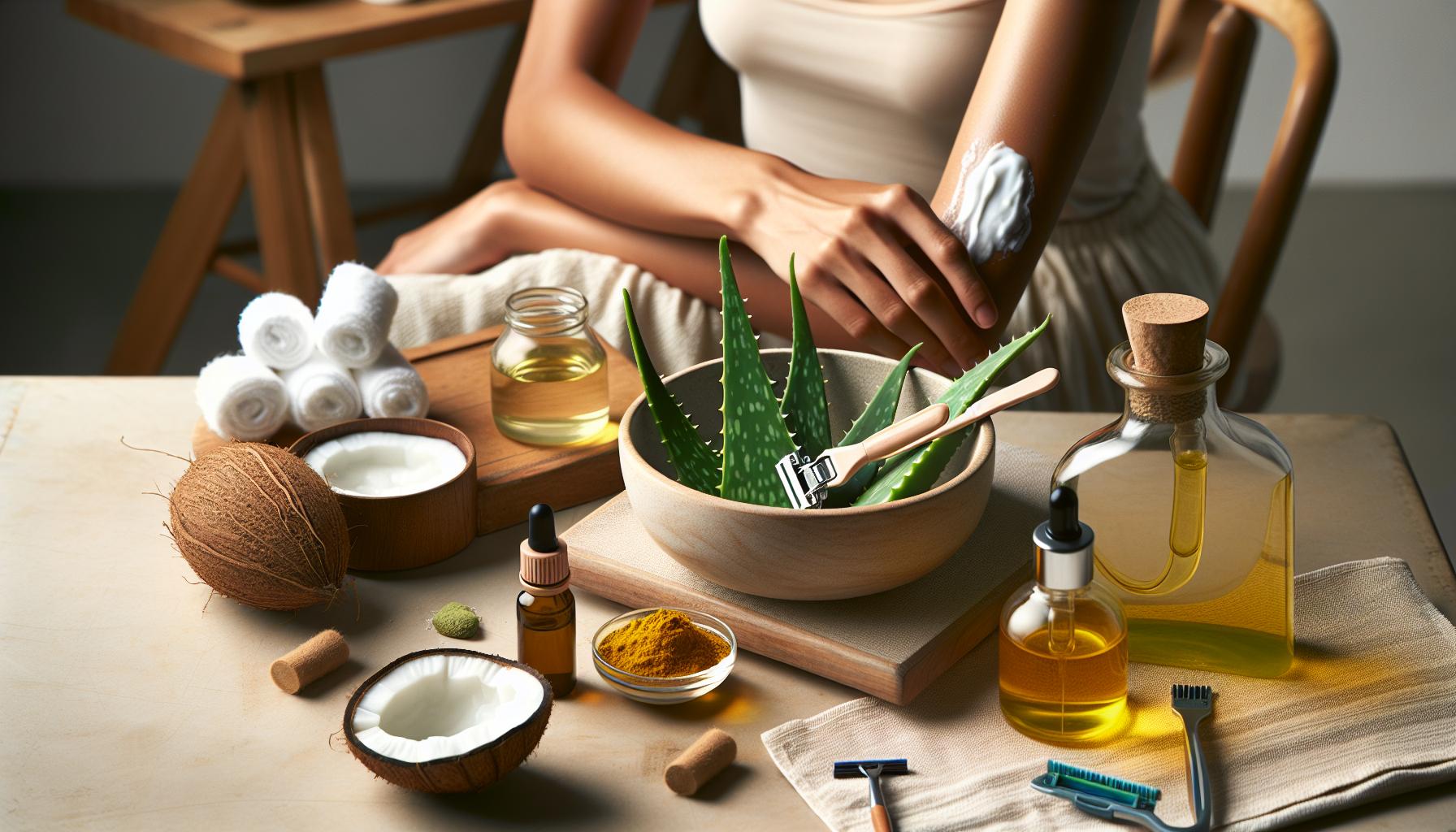
Alternative Remedies for Razor Bumps
An effective strategy for managing razor bumps goes beyond just lotions and creams. Exploring alternative remedies can provide additional relief and help soothe irritated skin. Some methods have been used for ages, yet many overlook their potential benefits. Here are some alternatives that might work wonders for your skin.
Natural Oils
Applying natural oils can provide significant moisture and healing properties. Coconut oil, for example, has anti-inflammatory and antimicrobial benefits. Simply warm a small amount (about a teaspoon) between your palms and gently massage it into the affected area. You can also try tea tree oil, known for its antiseptic qualities. Dilute it with a carrier oil, such as jojoba or almond oil, before applying, as it can be too strong when used directly on the skin.
Cold Compresses
When you feel the sting of newly formed razor bumps, a cold compress can offer immediate relief. Wrap ice cubes in a clean cloth or use a cold pack and apply it to the areas affected for about 10-15 minutes. This simple approach reduces inflammation and soothes irritation, helping you to feel more comfortable quickly.
Green Tea
If you’re looking for a soothing topical option, consider green tea. Rich in antioxidants, green tea can reduce redness and speed up healing. Brew a cup, let it cool, and soak a cotton pad or clean cloth in it. Apply this to the razor bumps for 10-15 minutes. The calming properties will help decrease inflammation and improve skin health.
Aloe Vera Gel
Aloe vera is a classic remedy for all types of skin irritations. Its gel-like consistency makes it easy to apply and it’s known for its soothing, cooling effects. Use pure aloe vera gel and apply it after shaving or whenever you notice bumps. Its moisturizing effect can prevent further irritation while promoting healing.
Incorporating these alternative remedies into your skincare routine may not only alleviate current razor bumps but can also enhance your overall shaving experience. As you explore these options, keep in mind that individual results may vary. Always test new products on a small area of skin to ensure you don’t experience any adverse reactions. With patience and the right combination of techniques, you can effectively manage and reduce the irritation associated with razor bumps.
When to Seek Medical Advice
Recognizing about razor bumps can be crucial to long-term skin health. If you’re experiencing persistent irritation or discomfort, it’s essential to listen to your body. Generally, if razor bumps don’t begin to improve after a few days with home treatments-like applying lotions or trying natural remedies-it might be time to consult a healthcare professional. Dermatologists can offer valuable insights and may recommend stronger topical treatments or prescription medications to help resolve persistent issues.
In addition, if you notice signs of infection, such as increased redness, swelling, or the presence of pus in the bumps, don’t hesitate to seek medical advice. An infection can complicate razor bumps and may require antibiotics to treat effectively. Furthermore, if you experience severe pain or the razor bumps become increasingly painful, this might indicate an underlying issue requiring professional attention.
It’s also wise to consult a healthcare provider if your razor bumps are accompanied by other symptoms, such as fever or widespread rash, which could signify an allergic reaction or other skin condition. Remember, everyone’s skin is different, and what works for one person may not work for another. If you find yourself frustrated despite your best efforts to manage your skin, a professional evaluation can help identify any specific skincare needs tailored to you.
Ultimately, don’t feel hesitant about reaching out for help. Many individuals experience similar concerns, and seeking guidance is a proactive step towards maintaining healthy skin. Being informed and attentive to your skin’s needs will empower you to make the best choices for your personal care routine.
Comparing Popular Products for Effectiveness
When it comes to choosing effective products for razor bumps, understanding the differences between the various lotions and creams can make a significant difference in achieving relief and preventing future irritation. Not all products are created equal, and knowing which formulations work best can empower you to make informed choices. Key factors to consider include the product’s active ingredients, texture, and how your skin typically reacts to topical treatments.
Some popular products on the market specifically designed to tackle razor bumps include hydrating creams with soothing components like aloe vera, shea butter, and natural oils. In contrast, lotions containing exfoliating acids, such as alpha-hydroxy acids (AHAs) or salicylic acid, can help unclog hair follicles and prevent the ingrown hairs that lead to bumps. For instance, a cream with 1% salicylic acid can effectively decrease inflammation and prevent new bumps from forming if applied regularly after shaving.
To make the selection process easier, here’s a quick comparison of a few top-rated options that cater to different skin types and concerns:
| Product | Type | Key Ingredients | Best For |
|---|---|---|---|
| Aloe Vera Gel | Gel | Aloe Vera, Vitamin E | Sensitive Skin |
| Salicylic Acid Treatment | Cream | 1% Salicylic Acid, Tea Tree Oil | Active Breakouts |
| Moisturizing Aftershave Balm | Balm | Shea Butter, Chamomile | Post-Shave Soothing |
| Exfoliating Lotion | Lotion | Lactic Acid, Glycolic Acid | Preventing Future Bumps |
For maximum effectiveness, consider the specific needs of your skin and how each product’s application process fits into your routine. For example, if your skin tends to get easily irritated, opt for soothing products with calming ingredients. Conversely, if you’re dealing with persistent bumps, integrating exfoliating lotions into your regimen might be the key to long-term relief. Applying such products consistently-ideally after every shave-can greatly enhance their effectiveness.
Finally, patience is crucial. Skin can take time to respond to new products. It is often best to try a product for a minimum of four weeks to accurately assess its effectiveness. If you notice improvement, keep it in your skincare routine; if not, don’t hesitate to explore other options until you find what best suits your skin’s unique needs. By approaching your skincare with this level of care and attention, you’ll be better equipped to battle those pesky razor bumps effectively.
Razor Bump Prevention: The Best Practices
Preventing razor bumps is not just about dealing with them when they appear; it’s about establishing a smart and gentle shaving routine to minimize their occurrence in the first place. Razor bumps, or pseudofolliculitis barbae, often arise from hair growing back into the skin after shaving, leading to irritation and inflammation. To keep your skin smooth and bump-free, consider these best practices that cater to all skin types and hair textures.
First and foremost, always prepare your skin before shaving. Begin with a warm shower or a warm towel applied to your face for a few minutes; this helps open your pores and soften the hair for a smoother shave. Follow this with a high-quality shaving cream or gel designed for sensitive skin, which provides lubrication that can significantly reduce friction. Look for products that feature soothing ingredients like aloe vera or shea butter, as these will help keep your skin moisturized during the shave.
Choosing the Right Technique
How you shave can make all the difference in preventing razor bumps. Use a sharp razor blade, as dull blades tug at the hairs instead of cutting them cleanly, increasing the chance of irritation. Shave in the direction of hair growth-instead of against it-to minimize the likelihood of hair becoming trapped beneath the skin. If you’re shaving frequently, consider doing so less often to give your skin time to recover, as over-shaving can exacerbate irritation.
Post-Shave Care
After shaving, it’s critical to treat your skin with care. Rinse your face with cool water to close the pores, and gently pat your skin dry, avoiding any harsh rubbing. Immediately apply a soothing aftershave balm or lotion that contains calming agents such as chamomile, witch hazel, or tea tree oil. This not only helps reduce inflammation but also hydrates the skin, creating a protective barrier against irritants.
Additionally, incorporating regular exfoliation into your skincare routine can be immensely beneficial. Use a gentle exfoliating scrub or a product with alpha-hydroxy acids (AHAs) once or twice a week to help remove dead skin cells and prevent hairs from getting trapped beneath the skin’s surface.
Key Takeaways
- Use a warm compress to prepare your skin before shaving.
- Opt for a high-quality, lubricating shaving cream or gel.
- Always shave with a sharp blade in the direction of hair growth.
- Don’t forget to apply a soothing post-shave balm.
- Incorporate gentle exfoliation into your routine to prevent ingrown hairs.
By implementing these practices, you can significantly reduce the chances of developing razor bumps. Remember, consistency is key! Keeping your skin healthy and bump-free requires attentiveness to both your shaving technique and your post-shave care. Making these practices part of your grooming ritual ensures smoother results and enhances your overall skin health.
User Experiences: Real Results from Lotion Use
When it comes to tackling razor bumps, many users have discovered the transformative effects of the right lotion. Often considered an afterthought in an intricate skincare routine, lotions specifically formulated for razor bumps can make a noticeable difference in comfort and skin appearance. These products often help in soothing irritation, reducing redness, and accelerating healing, leading to healthier-looking skin.
For those who have experienced razor bumps, here’s what they found effective. Using lotions rich in calming ingredients like aloe vera and tea tree oil proved beneficial. One user reported that applying a calming lotion right after shaving significantly reduced the itchiness and soreness associated with razor bumps. Another shared that a cooling gel with witch hazel not only felt refreshing but also visibly improved their skin within a few days, minimizing their breakouts.
The application techniques can also enhance a lotion’s effectiveness. For instance, one way to improve absorption is by applying the lotion immediately after patting the skin dry, using gentle circles to ensure even distribution. Users have found that a dime-sized amount worked well for their full face, while smaller areas required much less-just a pea-sized dollop sufficed. Consistency was emphasized as a vital factor, with many noting that regular use produced the best results over the weeks following shaving.
In reality, personal experiences vary, and while lotions can provide remarkable relief, they are not a panacea. Some users had to experiment with different products to find what worked for their skin type, highlighting the importance of patience in skincare. Ultimately, a combination of effective shaving techniques and the right post-shave lotion can create a regimen that minimizes razor bumps and keeps skin looking its best.
Maintaining Overall Skin Health After Shaving
To keep your skin looking and feeling its best after shaving, it’s vital to implement a routine that supports overall skin health. Shaving can strip the skin of its natural moisture and disrupt its barrier, often leading to dryness, irritation, and – you guessed it – razor bumps. By taking a few thoughtful steps post-shave, you can help your skin recover and maintain its elasticity and radiance.
Firstly, hydration is key. After shaving, it’s essential to apply a moisturizer or lotion that contains nourishing ingredients. Look for products featuring hyaluronic acid, which helps attract water to the skin, and ceramides, which work to repair and strengthen the skin barrier. These components not only reduce dryness and flakiness but also provide a soothing effect that calms post-shave irritation.
Next, consider incorporating antioxidants into your skincare lineup. Products with vitamin C or E can protect your skin from environmental stressors and promote healing. A gentle exfoliating serum with ingredients like glycolic acid, applied a couple of times a week, can also be beneficial. It helps remove dead skin cells and prevents ingrown hairs, while allowing new, healthy skin to surface.
Don’t forget the sunscreen! Morning shaves should definitely include an SPF to protect sensitive skin from UV rays, which can exacerbate irritation and discoloration. Opt for a lightweight, non-comedogenic sunscreen that won’t clog pores.
Finally, listen to your skin. If you notice persistent irritation or razor bumps, reassess your shaving technique and products. Ditch abrasive scrubs and switch to a hydrating shave cream that allows for a smoother glide. And remember, sometimes less is more; sticking to a simplified routine can reduce further irritation and give your skin the chance to thrive.
By prioritizing hydration, protection, and gentle care, your post-shaving routine can significantly improve your skin’s health over time, leading to a fresher, clearer complexion.
Myths and Facts About Lotion and Razor Bumps
Understanding the relationship between lotion and razor bumps can clear up common misconceptions and help you manage this pesky issue more effectively. Many people believe that all lotions are created equal and will provide immediate relief from razor bumps, but that’s not the case. The truth is, choosing the right lotion requires attention to ingredients and skin type, transforming a simple skincare step into a crucial part of your grooming routine.
One prevalent myth is that using any moisturizer will eliminate razor bumps. While moisturizing is essential for skin health, not all lotions are suited for post-shave care. Products that contain heavy fragrances or alcohol can irritate the skin, making razor bumps worse instead of better. On the other hand, lotions with soothing and hydrating ingredients-like hyaluronic acid, aloe vera, or niacinamide-can significantly reduce inflammation and promote healing. Always check labels to find a product that’s gentle and designed for sensitive skin.
Another common misconception is that applying lotion directly on razor bumps will instantly reduce them. While moisturizing can help soothe the surrounding skin, patience and proper skincare practices are vital. It’s important to apply lotion after the skin has had some time to settle post-shave-typically around 10 to 15 minutes-to allow any irritation to cool down first. This combined approach fosters a better environment for your skin to heal.
Ultimately, the best way to prevent razor bumps is to adopt a proactive skincare regimen that includes regular exfoliation and the use of the right shaving products. Exfoliating a couple of times a week can help prevent dead skin build-up, a primary contributor to ingrown hairs and bumps. Coupled with a good-quality, soothing lotion post-shave, you will find yourself taking effective steps towards clearer, healthier skin. Remember, making informed choices about your skincare products not only aids in managing razor bumps but also promotes overall skin health and comfort.
Frequently Asked Questions
Q: What is the best type of lotion for preventing razor bumps?
A: The best type of lotion for preventing razor bumps is one that contains soothing ingredients like aloe vera, chamomile, or tea tree oil. These ingredients help reduce inflammation and irritation. Look for lotions labeled as anti-inflammatory or specifically formulated for post-shaving use for optimal results.
Q: How often should I apply lotion to prevent razor bumps?
A: To prevent razor bumps, apply lotion immediately after shaving and at least once daily on affected areas. Regular use maintains skin hydration and can minimize irritation, helping to keep razor bumps at bay.
Q: Can using lotion worsen razor bumps?
A: Yes, using the wrong lotion can worsen razor bumps. Avoid lotions with heavy fragrances, alcohol, or harsh chemicals, as these can irritate the skin further. Opt for gentle, hypoallergenic formulations designed for sensitive skin instead.
Q: Is it effective to use lotion on ingrown hairs as well?
A: Yes, using lotion can be effective on ingrown hairs. Moisturizing helps keep the skin supple, reducing the chance of hairs becoming trapped under the skin. Look for products containing exfoliating ingredients like salicylic acid.
Q: How can I enhance the effectiveness of lotion for razor bumps?
A: Enhance the effectiveness of lotion for razor bumps by applying it to damp skin right after showering or shaving. This locks in moisture and enhances absorption, providing better relief and nourishment to the skin.
Q: Are there alternative treatments to lotion for razor bumps?
A: Yes, alternative treatments include exfoliating scrubs, medicated creams with glycolic or salicylic acid, and natural remedies like tea tree oil. These can help reduce hair follicle blockage and promote healthier skin.
Q: What should I do if lotion doesn’t help my razor bumps?
A: If lotion doesn’t help your razor bumps, consider consulting a dermatologist. They may recommend prescription treatments or check for underlying skin conditions affecting your skin’s health and response to products.
Q: Do different skin types require different lotions for razor bumps?
A: Yes, different skin types may require tailored lotions for razor bumps. For oily skin, gel-based moisturizers are effective, while creamier formulas benefit dry skin, providing extra hydration and soothing properties.
Feel free to explore more about choosing the right lotion in the sections on “Choosing the Right Lotion for Razor Bumps” and “Key Ingredients to Look for in Products” for tailored advice!
Future Outlook
In conclusion, choosing the right lotion can significantly aid in reducing razor bumps and improving your skin’s overall health. Remember, it’s all about selecting products that hydrate and soothe your skin while also targeting inflammation. If you haven’t found your ideal solution yet, consider exploring our guides on effective shaving techniques and anti-inflammatory remedies to further enhance your grooming routine.
Don’t let razor bumps linger; take action today! Check out our recommendations and pick a lotion that speaks to your needs. Have questions or want to share your experiences? We love hearing from you, so drop a comment below or reach out! And for more practical tips, don’t miss our articles on preventing irritation and post-shave care. Dive deeper into your personal care journey with us-let’s find the best solutions together!
Get our latest guides, news, and insights highlighted in your Google Search & AI Overviews.