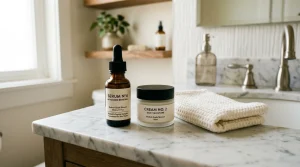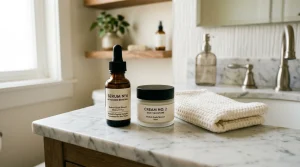
Have you ever wondered whether applying moisturizer right after cleansing your face is the best approach for your skin? Timing plays a crucial role in your skincare routine, influencing how effectively products work together. Moisturizers lock in hydration, so applying them after cleansing helps to seal in moisture while your skin is still damp. This simple yet often overlooked step can make a significant difference in achieving healthy, glowing skin. By understanding the right timing and how it benefits your skin, you can elevate your routine and address common concerns like dryness and irritation. Let’s dive into the best practices for optimizing your skincare routine with the right timing for moisturizer application.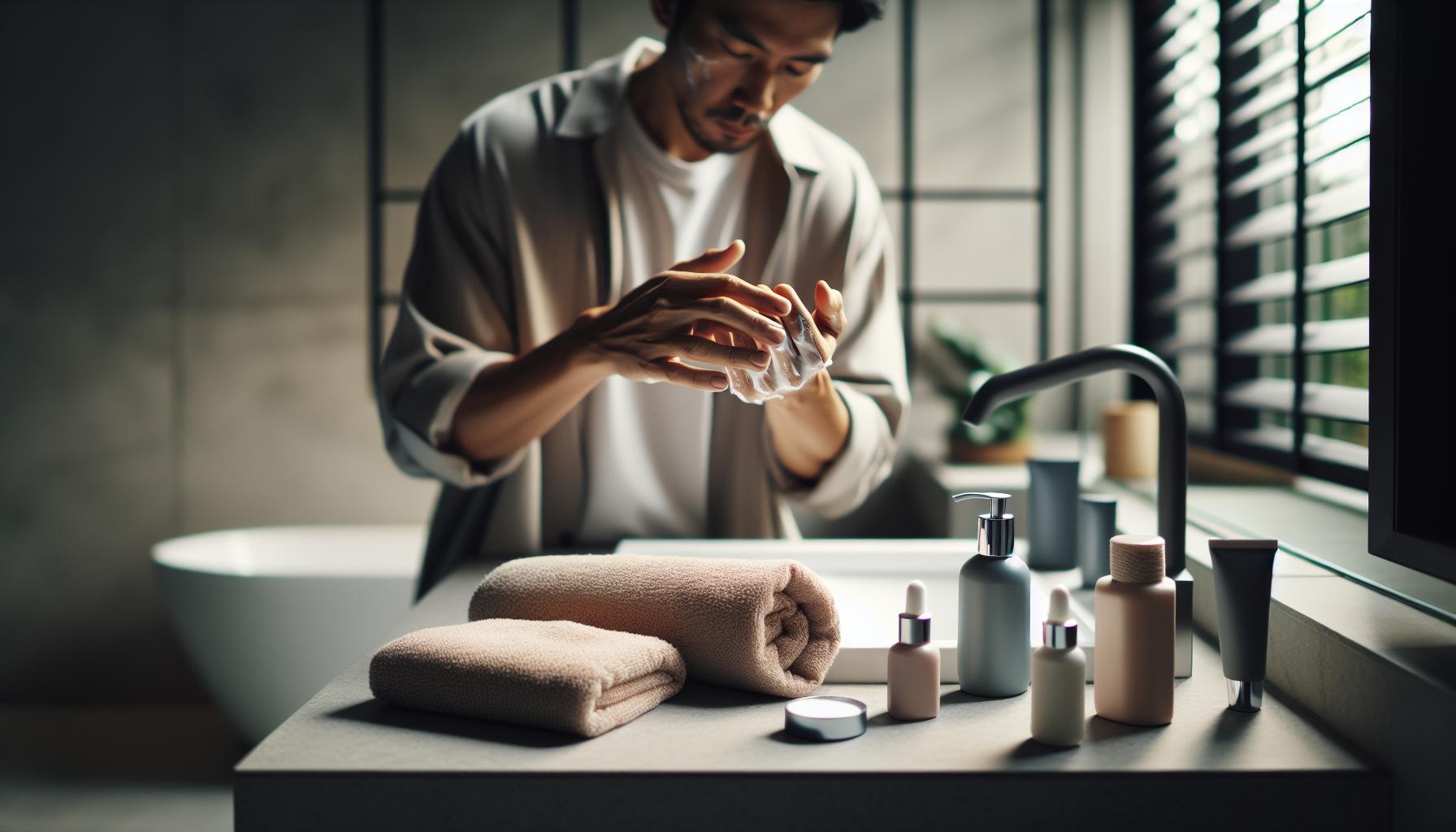
Benefits of Applying Moisturizer After Cleanser
Applying moisturizer right after cleansing is one of the best steps you can take to maintain healthy skin. After you cleanse, your skin can feel tight or stripped of its natural oils. This is where moisturizer steps in. It serves to replenish hydration, lock in moisture, and create a protective barrier against environmental aggressors. By applying moisturizer to damp skin, you help trap the moisture that might evaporate otherwise, creating a plump and dewy complexion.
Moreover, using a moisturizer after cleansing can enhance the overall effectiveness of your skincare routine. Clean skin allows active ingredients in the moisturizer-like hyaluronic acid, glycerin, or ceramides-to penetrate deeply, leading to better results. For example, many are finding that products specifically designed for post-cleansing use offer targeted benefits such as anti-aging, soothing redness, or controlling oil, ensuring that your skin receives the unique care it needs.
It’s also important to note that this practice is not just for those with dry skin; everyone can benefit from moisturizing post-cleansing, regardless of whether their skin is oily, combination, or dry. Doing so helps maintain balance in your skin’s natural moisture barrier, which can prevent conditions like overproduction of oil or excess dryness. Ultimately, incorporating moisturizer into your post-cleansing ritual not only nurtures your skin but can also contribute to its overall health and vitality.
Understanding Your Skin Type for Optimal Results
Understanding your skin type is crucial for optimizing your moisturizer application and overall skincare routine. Each skin type has its own unique needs, and identifying yours can help you select the right products and achieve the best results.
For those with dry skin, look for rich, creamy moisturizers that contain ingredients like sheabuttyp, hyaluronic acid, and glycerin. These help to lock in moisture and provide lasting hydration. Aim to apply a generous amount after cleansing, focusing on areas that feel particularly tight or flaky.
If your skin is oily, choosing a lightweight, gel-based moisturizer can be a game changer. Look for non-comedogenic formulas that won’t clog pores and include ingredients like salicylic acid or niacinamide to help control shine and prevent breakouts. Even with oily skin, moisturizing is essential; skipping it can lead to increased oil production as your skin tries to compensate for the lack of hydration.
Combination skin requires a tailored approach. Opt for a moisturizer that balances both dry and oily areas, perhaps a lotion that combines the benefits of both types. You might choose different products for different areas-using a richer cream on dry patches and a lighter gel on your T-zone.
For sensitive skin, focus on gentle, fragrance-free moisturizers that contain calming ingredients like aloe vera or chamomile. After cleansing, applying a calming moisturizer can minimize redness and irritation, creating a protective layer.
When choosing your moisturizer, consider factors such as your age, climate, and any specific skin concerns. Testing products to find what works best for you is a vital part of the process. Each person’s skin can react differently, so don’t hesitate to adjust your routine if something doesn’t feel right. Remember, the goal isn’t just to hydrate but also to nurture and protect your skin. By understanding your skin type, you empower yourself to make informed choices that lead to a healthier, more radiant complexion.
The Ideal Timing: When to Moisturize
Applying moisturizer right after cleansing is the secret to achieving a beautifully hydrated complexion. The ideal timing for this step plays a crucial role in locking in moisture and providing your skin with the nourishment it needs. To maximize the benefits, it’s best to apply your moisturizer while your skin is still slightly damp, ideally within minutes of cleansing. This small window helps to trap moisture in your skin, acting as a barrier against dryness.
Quickly moving through your routine can make a significant difference. After cleansing, take a moment to pat your face lightly with a towel, leaving it a bit moist rather than completely dry. This will create an optimal environment for your moisturizer to absorb effectively. As a general rule, try to moisturize within three minutes of cleansing to maintain that essential hydration.
It’s important to remember that circumstances such as weather, humidity levels, and your daily activities can affect how your skin retains moisture. For example, on particularly dry days, you might want to consider layering your moisturizer with a hydrating serum beforehand. Incorporating this into your routine ensures that your skin remains protected and adequately hydrated throughout the day.
To sum it up, the key takeaway here is: apply your moisturizer promptly after cleansing, on slightly damp skin, to ensure maximum hydration. This simple yet effective practice will keep your skin looking its best, no matter your skin type or environmental conditions.
Step-by-Step: How to Apply Moisturizer Correctly
Applying moisturizer correctly can be the game-changer in your skincare routine. It not only hydrates the skin but also reinforces its protective barrier, ensuring you look fresh and radiant. Follow these detailed steps for an effective application to maximize the benefits of your moisturizer.
Start by using damp skin for optimal absorption. After cleansing your face, gently pat your skin with a towel but leave it slightly moist-this creates a perfect canvas for your moisturizer. Ideally, aim to apply your moisturizer within three minutes after cleansing.
Next, dispense a dime-sized amount of your chosen moisturizer into your palms. It’s essential to choose a product that suits your individual skin type-whether it’s a gel for oily skin or a cream for dry skin. Rub your palms together to warm the product slightly; this not only helps in application but can enhance absorption.
Now, apply the moisturizer using gentle circular motions, starting from the center of your face and moving outward. This technique encourages even coverage and stimulates circulation, which is great for your complexion. Spend about thirty seconds on this step, allowing your skin to absorb the product fully and reaping all its nourishing benefits. Don’t forget your neck; an additional swipe downwards is perfect for this often-neglected area.
Finally, allow the moisturizer a moment to settle before moving on to other products like sunscreen or makeup. This waiting period is crucial as it enables your skin to soak in hydration fully, locking in moisture for a supple finish.
In summary, applying moisturizer promptly on damp skin, using a small amount in gentle motions, and giving it time to absorb will help achieve that desired glow. This method transforms not just your skin but your overall skincare experience. Happy moisturizing!
Common Mistakes to Avoid in Your Routine
Moisturizing your skin is essential, but even the best intentions can go awry if you make common mistakes. Observing a few simple practices can amplify the effectiveness of your skincare routine and provide long-lasting hydration.
One prevalent error is neglecting to apply moisturizer right after cleansing. The ideal time to moisturize is when your skin is still slightly damp. This helps to lock in moisture more effectively. If you wait too long or apply moisturizer to completely dry skin, it won’t penetrate as well, leading to potential dryness. Aim to apply your moisturizer within three minutes of washing your face to capitalize on this window of opportunity.
Another mistake involves using too much product. A dime-sized amount should suffice for your entire face. Over-applying can lead to a greasy feel and may clog pores, particularly for those with oily or combination skin. Spread the product evenly over your hands before application; this can help you gauge the right amount better.
Additionally, some people forget to adjust their moisturizer according to seasonal changes. For instance, during winter, a richer cream might be necessary to combat dryness, whereas lighter gels may work well in the summertime. Consider your environment and modify your products accordingly to maintain optimal hydration throughout the year.
Lastly, don’t overlook the neck area! Many focus solely on their face but neglect their neck, which can lead to an uneven appearance as you age. Always extend your application downwards to include this vital area.
By avoiding these pitfalls-applying at the right time, using the correct amount, adjusting for weather changes, and not neglecting your neck-you can significantly enhance your moisturizing routine. Happy hydrating!
When to Skip Moisturizer: Special Cases
Even though moisturizing is generally a crucial step in skincare, there are specific scenarios where skipping moisturizer might actually benefit your skin. One of the most common cases is after using certain treatment products, such as detoxifying face masks or exfoliants containing acids (like AHAs or BHAs). These products can strip away excess oils, providing a temporary tightening effect on the skin. In such instances, following up with a moisturizer right afterward may feel unnecessary and could lead to a greasy finish.
Another situation to consider is during extreme humidity. On particularly muggy days, many may find their skin feels adequately hydrated on its own without added products. If your skin tends to feel heavy or overly shiny in these conditions, lightening your routine can alleviate discomfort. Sometimes, simply rinsing your face with water and foregoing moisturizer can help maintain a fresh, breathable feel.
When Experiencing Breakouts
If you’re dealing with an active breakout or sensitive skin, it can be tempting to skip moisturizer altogether. However, instead of avoiding it, consider using a lightweight, non-comedogenic formula. If you choose to skip it, just ensure that you’re still cleansing gently and not compromising your skin barrier. Hydration is essential even for acne-prone skin, but in cases of severe irritation or allergic reactions, you might find skipping moisturizer for a day allows your skin to recover.
Special Considerations
It’s important to listen to your skin’s needs. Pay attention when your skin feels particularly oily, greasy, or reacts negatively. Experimenting with skipping moisturizer occasionally can help you identify what truly works for your skin type. Remember, everyone’s skin is unique, and while these guidelines can serve as a helpful starting point, the ultimate decision should come from tuning into your skin’s signals.
In summary, while moisturizer is a key component for healthy skin, recognizing when it’s best to skip it can help you maintain a balanced and comfortable complexion. Whether it’s post-treatment, during humid weather, or when experiencing breakouts, being mindful of your skin’s cues is fundamental to a successful skincare routine.
Exploring Different Moisturizer Types: Gel vs. Cream
Choosing between gel and cream moisturizers can significantly impact how your skin feels and behaves after cleansing. Each type offers distinct benefits that suit various skin types and preferences. Understanding these differences helps you make informed choices about your skincare routine.
Gel moisturizers are typically lightweight and provide an instant hydration boost without feeling heavy on the skin. They are water-based, making them ideal for oily or acne-prone skin. Gel formulas often contain ingredients like hyaluronic acid and aloe vera, which not only hydrate but also soothe the skin. If your skin tends to feel greasy or you live in a humid climate, a gel moisturizer can enhance hydration while minimizing shine. To use, apply a small amount to clean, damp skin, allowing it to absorb quickly and leave a refreshing, non-greasy finish.
On the other hand, cream moisturizers usually have a thicker consistency and are rich in emollients, making them perfect for dry or mature skin. Ingredients like shea butter or ceramides in creams help lock in moisture, providing a nourishing barrier that keeps skin hydrated longer. For those who face dryness or flakiness, especially in colder months, creams can offer the deep hydration needed to revive your complexion. When using a cream, it’s best to use a dime-sized amount, warming it slightly between your palms before applying it in upward strokes to enhance absorption.
While gel and cream moisturizers serve different needs, your choice should align with your skin type and the specific challenges you face. Don’t hesitate to experiment: using a gel in the morning and a cream at night is perfectly acceptable and can deliver balanced hydration regardless of seasonal changes. Ultimately, listen to your skin-its responses will guide you in finding the perfect moisturizer, ensuring you maintain a healthy and radiant complexion year-round.
How Your Environment Affects Moisturizing Timings
In different environments, the ideal timing for applying moisturizer can vary significantly, impacting how effectively your skin stays hydrated. Factors such as humidity, temperature, and even indoor conditions play crucial roles in determining when and how you should apply your moisturizer after cleansing. Understanding these elements helps you adjust your routine for optimal skin health.
In humid climates, your skin may require less heavy moisturizing, as the air is saturated with moisture. If you live in such an environment, consider applying a lightweight gel moisturizer immediately after cleansing to lock in the moisture without overwhelming your skin. This timing ensures your skin absorbs the product effectively before the humidity makes it feel greasy. For instance, during hot summer months, applying moisturizer right after washing your face helps keep your skin feeling fresh and non-oily.
Conversely, in dry or cold environments, you might find your skin becomes parched quickly. In such cases, it’s important to apply a thicker cream moisturizer shortly after cleansing, preferably while your skin is still damp. This practice traps the moisture and provides a protective barrier, essential for preventing moisture loss. If you find your skin feeling tight or irritated after exposure to dry air, this approach can be particularly beneficial, helping to restore your skin’s natural barrier.
Additionally, indoor heating during winter can dry out the air, leading to rapid moisture loss from your skin. To combat this, consider using a humidifier in your living space. Pair this with your moisturizing regimen-applying your moisturizer after cleansing while your skin is still slightly damp can maximize hydration. Remember to pay attention to how your skin responds throughout the year, adjusting your moisturizer’s timing and type as necessary to ensure it stays balanced and healthy.
In summary, acknowledging environmental influences allows you to tailor your moisturizing routine effectively. Be mindful of the conditions around you; whether it’s humid or dry, adjust your application process accordingly for the best results. Your skin will thank you for the extra care!
Products That Enhance Your Moisturizing Routine
Incorporating the right products into your skincare routine can significantly enhance the effectiveness of your moisturizing efforts. After cleansing, using additional treatments can help prepare your skin to absorb moisturizer more effectively, providing deep hydration and addressing specific skin concerns. Here are some key products to consider:
Serums: The Perfect Pre-Moisturizer Step
Serums, especially those containing hyaluronic acid, are fantastic for layering before your moisturizer. These lightweight liquids penetrate deeply into the skin, drawing water in and providing an extra boost of hydration. For example, if your skin is feeling particularly dry, opt for a hydrating serum to apply after cleansing and before your moisturizer. Simply apply a few drops to your fingertips and gently press it into your damp skin; this technique helps lock in moisture more effectively.
Facial Oils: Add Extra Nourishment
Facial oils can be a game-changer for achieving that radiant, moisturized look. If you have dry or combination skin, consider using a few drops of a lightweight oil like jojoba or rosehip oil after your moisturizer. This forms a protective layer over your skin, sealing in moisture and providing additional nourishment. Aim for a couple of drops, warming the oil between your palms before gently pressing it onto your face and neck.
Hydrating Mists: Refresh Anytime
Hydrating mists can enhance your moisturizing routine, especially in dry environments. These can be used either before applying moisturizer or throughout the day for a quick refresh. Look for mists that contain hydrating ingredients like aloe vera or glycerin. Mist your face lightly and let it absorb; then follow up with your moisturizer for improved hydration.
Eye Creams: Don’t Forget the Delicate Eye Area
The skin around your eyes is thinner and often drier than the rest of your face. Incorporating an eye cream after cleansing and before your moisturizer can help maintain moisture levels. Choose a cream that targets your specific concerns, such as puffiness or fine lines. Apply a small amount using your ring finger, gently tapping around the eye area.
By thoughtfully layering these products into your routine, you not only optimize your moisturization efforts but also address unique skin concerns. Tailor your choices based on your skin type and the environmental factors impacting your skin’s hydration. This approach ensures your skin remains supple and protected throughout the day, making it feel rejuvenated and healthy.
Hydration vs. Moisturization: What’s the Difference?
Understanding the distinction between hydration and moisturization is crucial for building an effective skincare routine. While many people use these terms interchangeably, they refer to different aspects of skin care that serve unique functions.
Hydration focuses on increasing the water content in your skin. Think of it as adding moisture to a thirsty plant. Products designed for hydration often contain ingredients like hyaluronic acid, which is known for its ability to hold up to 1,000 times its weight in water. Applying a hydrating serum after cleansing helps draw water into the skin, leaving it plump and fresh. This is particularly beneficial for individuals with dehydrated skin, who may notice their skin looks dull and feels tight.
On the other hand, moisturization is about sealing in that hydration by preventing water loss. A good moisturizer creates a barrier on the skin’s surface that locks in moisture. It usually contains occlusive ingredients like oils and butters, along with emollients that smooth the skin texture. If you’ve ever experienced dryness in colder months, a rich cream can help by keeping the moisture your skin absorbed from the air or other products.
To harness both hydration and moisturization effectively, it’s essential to layer products correctly. Start with a hydrating serum on slightly damp skin to maximize absorption, followed by a moisturizer to trap that moisture in. This two-step approach caters to your skin’s needs, ensuring it remains healthy and vibrant. Always remember that while hydration can be short-term, effective moisturization can maintain skin health over a longer period.
Daily vs. Nightly Routines: Timing Matters
Incorporating a moisturizer into your daily and nightly skincare routines can yield remarkable benefits for your skin, but the timing of your application plays a crucial role in maximizing those benefits. During the day, your skin faces environmental stressors like UV rays, pollution, and fluctuating temperatures, which can lead to moisture loss and irritation. That’s why applying a lightweight moisturizer in the morning can help create a protective barrier while keeping your skin hydrated. Look for formulations that contain broad-spectrum SPF to shield your skin from sun damage and antioxidants to combat free radicals.
At night, your skin enters a phase of repair and regeneration, making nighttime applications vital for rejuvenation. A richer, more emollient moisturizer can work wonders during this time, allowing its ingredients to soak in and work synergistically while you sleep. This is particularly important if you’re using products with active ingredients, such as retinoids or alpha hydroxy acids, which can enhance skin cell turnover but may also increase dryness. A good practice is to apply your nighttime moisturizer soon after cleansing and using any targeted treatments-ideally within a few minutes-to lock in moisture when your skin is most receptive.
It’s also worth considering that your skin’s needs can change throughout the week or seasonally. For example, you might find that your skin needs extra hydration in the winter months when indoor heating can dry it out, while a lighter moisturizer might suffice during the humid summer. By being mindful of these changes and adjusting your routine accordingly, you’ll ensure that your skin remains healthy and hydrated all year round.
Ultimately, establishing a clear distinction between your daily and nightly moisturizer applications is all about understanding what your skin needs at different times of the day. Whether you opt for lightweight daytime hydration or richer nighttime moisture, consistency is key to achieving that desired glow!
Adjusting Your Routine for Seasonal Changes
As the seasons change, so do our skin’s needs. Just like we swap out our winter coats for lighter jackets in spring, your skincare routine should evolve to fit the weather and environmental conditions. Cold, dry winters often leave skin parched and in need of extra moisture, while warm, humid summers might call for lighter formulations that don’t clog pores. Paying attention to these seasonal shifts can make a significant difference in maintaining your skin’s health and glow year-round.
In colder months, consider transitioning to a richer, cream-based moisturizer that offers intense hydration and creates a protective barrier against harsh winds and indoor heating. Look for ingredients like hyaluronic acid and glycerin that draw moisture into the skin and help retain it. Apply your moisturizer on slightly damp skin for added benefit, as it locks in that extra hydration. On the flip side, when summer rolls around, switch to a lightweight gel or lotion that hydrates without feeling heavy. Lightweight products with a water base can offer the moisture your skin craves while allowing it to breathe.
Moreover, don’t forget about the role of humidity. In high humidity, your skin may produce more oil, so it’s key to adapt by using non-comedogenic products that won’t clog pores. If it’s a particularly humid day, you might find that simply applying a serum or essence could be enough, allowing your skin to remain hydrated without excess shine. By the same token, don’t underestimate the importance of sunscreen year-round. Even in winter, UV rays can affect your skin, so continuing to apply an SPF-laden moisturizer will help protect your skin from potential damage.
Ultimately, being attuned to how your skin responds to seasonal changes means assessing its needs regularly. A simple skincare adjustment can keep your skin balanced, hydrated, and healthy, whether it’s basking in the summer sun or braving the winter chill. Remember, consistency is key, but being flexible with your products and routine is just as crucial.
FAQ
Q: Can you apply moisturizer immediately after cleansing?
A: Yes, applying moisturizer immediately after cleansing is ideal. This helps to lock in moisture and provide your skin with the hydration it needs. For best results, apply your moisturizer on slightly damp skin to enhance absorption.
Q: How long should I wait to apply moisturizer after cleansing?
A: Ideally, you should apply moisturizer within a few minutes of cleansing your face. This prevents your skin from losing moisture and ensures that your skincare products work effectively. Aim for 1 to 3 minutes after cleansing for optimal results.
Q: What happens if I don’t apply moisturizer after cleansing?
A: If you skip moisturizer after cleansing, your skin can become dry and tight due to moisture loss. Over time, this can lead to an imbalance in your skin’s barrier function, resulting in dullness, irritation, or increased oil production as your skin tries to compensate.
Q: Is it better to apply moisturizer before or after toner?
A: It’s generally advisable to apply toner before moisturizer. This sequence allows the toner to prep your skin, ensuring it’s adequately hydrated and ready to absorb the moisturizers and treatments applied afterward effectively.
Q: Can moisturizer replace toner in my skincare routine?
A: While moisturizer provides hydration, it does not replace toner. Toners help balance your skin’s pH and can remove any residual impurities. For a complete routine, use both products to maximize hydration and skin health.
Q: Should I apply moisturizer even if my skin feels oily?
A: Yes, even oily skin needs moisturizer. Lack of hydration can lead your skin to produce more oil, worsening the situation. Opt for a lightweight, non-comedogenic moisturizer to avoid clogging pores while providing essential moisture.
Q: How do I choose the right moisturizer for my skin type?
A: To choose the right moisturizer, first identify your skin type-whether oily, dry, combination, or sensitive. Look for products that contain ingredients suitable for your skin type; for instance, gel-based moisturizers work well for oily skin, while cream formulas provide extra hydration for dry skin.
Q: Can I use different moisturizers for day and night?
A: Yes, using different moisturizers for day and night can be beneficial. Day creams often contain SPF and lighter formulations for hydration, while night creams are usually richer and designed to repair the skin overnight. Consider your unique skin needs to enhance your routine.
In Conclusion
Now that you know the optimal timing for applying moisturizer after cleansing, it’s time to elevate your skincare routine. Remember, using a moisturizer right after washing your face helps lock in hydration for soft, glowing skin. Don’t wait-try it out tonight and feel the difference!
If you still have questions or want to dive deeper into your skincare journey, check out our guides on “The Best Ingredients for Every Skin Type” and “How to Layer Products for Maximum Effect.” These resources will empower you to make informed decisions about your skincare routine.
Join our community for the latest tips by signing up for our newsletter! Feel free to leave a comment below or share your own skincare experiences. We’re here to support each other on this journey toward healthier skin. Keep exploring and remember that radiant skin starts with the right routine!
Get our latest guides, news, and insights highlighted in your Google Search & AI Overviews.