If you’re struggling with acne, you’ve likely heard of both salicylic acid and benzoyl peroxide. These two powerhouse ingredients can work wonders for your skin, but what happens when you combine them? Understanding whether you can use a salicylic acid cleanser with benzoyl peroxide is crucial for maximizing your skincare routine without causing irritation or diminishing your results. Many wonder if layering these treatments will enhance their effectiveness or overwhelm their skin. By diving into this topic, you’ll gain insight into how to effectively manage your breakouts while prioritizing your skin’s health. Ready to explore this dynamic duo? Let’s break it down together!
Understanding Salicylic Acid and Its Benefits

Salicylic acid is a powerhouse ingredient known for its ability to treat and prevent acne, making it a staple in many skincare routines. As a beta hydroxy acid (BHA), it penetrates deep into pores, effectively dissolving the debris and buildup that can lead to breakouts. Unlike some other acne-fighting agents, salicylic acid also possesses anti-inflammatory properties, helping to soothe redness and irritation associated with acne. This dual action not only clears existing blemishes but also prevents future ones from forming, giving your skin a smoother and healthier appearance.
The benefits of salicylic acid don’t stop there; it’s also a keratolytic agent, meaning it aids in exfoliating the skin by promoting the shedding of dead skin cells. This exfoliation process is crucial, as clogged pores can lead to various skin concerns, including blackheads, whiteheads, and even certain types of rosacea. Incorporating a salicylic acid cleanser into your routine can significantly improve skin texture and tone, providing a brighter and more even complexion.
For those considering the inclusion of a salicylic acid cleanser alongside benzoyl peroxide treatments, it’s important to understand how these ingredients complement each other. Using them together can enhance their efficacy in battling acne, but timing and application are key to preventing potential irritation. As you explore how to incorporate these ingredients, consider starting with a lower concentration of salicylic acid to gauge your skin’s tolerance before ramping up your routine.
With regular use, salicylic acid can pave the way for clearer skin, allowing for more confidence in your daily routine. Always pay attention to how your skin responds, and adjust your regimen as needed to maintain balance and health in your skincare journey.
What is Benzoyl Peroxide and How Does It Work?
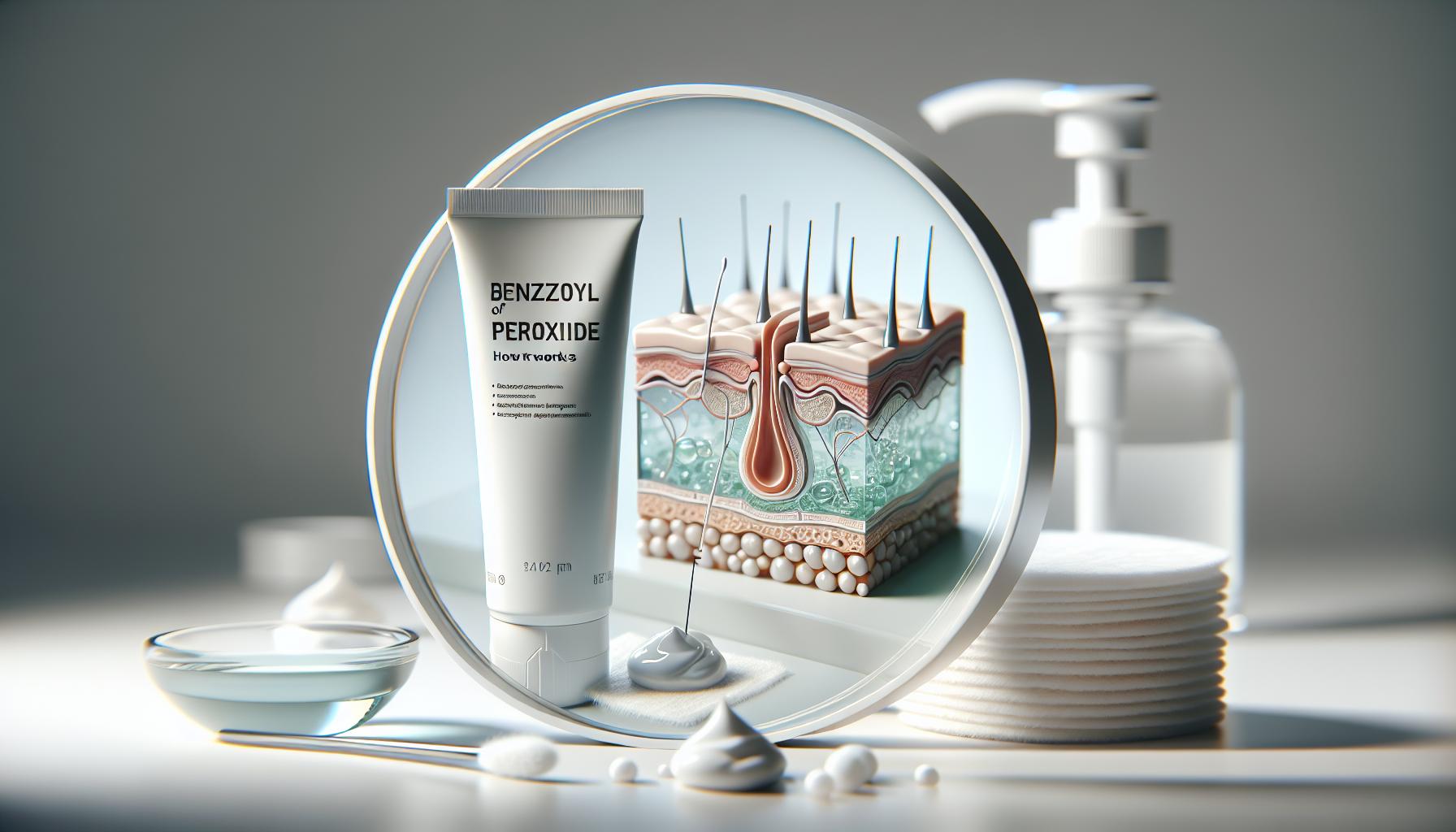
Benzoyl peroxide is a potent weapon in the fight against acne, recognized for its effectiveness in treating various skin conditions. Its primary function is to kill acne-causing bacteria, specifically Propionibacterium acnes, which proliferate in clogged pores and contribute to breakouts. Beyond its antibacterial properties, benzoyl peroxide works as a keratolytic, meaning it helps to speed up the turnover of skin cells. This action prevents the clogging of pores by encouraging the shedding of dead skin cells, which is crucial in reducing the formation of acne lesions.
When applied to the skin, benzoyl peroxide releases oxygen, creating an environment that is inhospitable to acne bacteria. This mechanism not only helps clear existing blemishes but also prevents future breakouts from occurring. The inclusion of benzoyl peroxide in your skincare routine is often recommended for those struggling with inflammatory acne, such as papules and pustules. For beginners, starting with a lower concentration-usually between 2.5% to 5%-can help minimize any potential irritation while still providing effective results.
To incorporate benzoyl peroxide into your routine, it’s typically best to use it after cleansing your face. Apply a small amount-a dime-sized amount usually suffices-directly onto the affected areas, rubbing it in gently. It’s important to note that you should allow the product to absorb before layering on other treatments, especially if you’re using salicylic acid as well, as this can help mitigate the potential for irritation. Additionally, be mindful of using benzoyl peroxide in conjunction with other potent ingredients, as it can lead to heightened sensitivity in some individuals.
Overall, when used effectively, benzoyl peroxide can complement salicylic acid’s benefits, creating a synergistic effect that targets multiple aspects of acne treatment. Just remember to introduce it gradually and monitor your skin’s response to find the perfect balance that works for you.
Can You Safely Combine Salicylic Acid and Benzoyl Peroxide?
Combining salicylic acid with benzoyl peroxide can certainly be beneficial in the fight against acne, provided it’s done thoughtfully. Each of these ingredients plays a distinct yet complementary role in treating breakouts. Salicylic acid works by exfoliating the inside of pores, helping to unclog them and reduce inflammation, while benzoyl peroxide targets acne-causing bacteria, helping to kill them off and prevent future breakouts. When used appropriately, layering these two can amplify their effects, leading to clearer skin more effectively than using either alone.
However, the key to safely using them together is to be mindful of your skin’s response. Start by introducing one product into your routine before adding the other. For example, you might begin with a salicylic acid cleanser to prep your skin. After your skin adjusts over a week or two, you can then incorporate benzoyl peroxide, perhaps in the form of a spot treatment. This gradual approach allows your skin to acclimate, minimizing the risk of excessive dryness or irritation.
Timing is also crucial. Instead of applying both products at the same time, try using them at different points of the day. For instance, you can cleanse with salicylic acid in the morning and apply benzoyl peroxide at night. This strategy allows both ingredients to work effectively without overwhelming your skin. Additionally, always follow up with a good moisturizer to keep your skin hydrated and balanced.
Lastly, being aware of how your skin reacts is essential. If you start to notice signs of irritation-like redness, peeling, or burning-consider scaling back to just one of the treatments or decreasing the frequency of application. Remember, it’s all about finding the right balance for your unique skin type, and sometimes, less really is more. With patience and the right approach, combining these two powerful ingredients can lead to brighter, clearer skin.
The Ideal Timeline for Using Both Ingredients

Introducing salicylic acid and benzoyl peroxide into your skincare routine can be game-changing, especially for those struggling with acne. But timing is everything when it comes to using these potent ingredients together. Start slowly, allowing your skin to adjust to the first product before layering on another; this can significantly reduce the likelihood of irritation.
Begin with a salicylic acid cleanser, using it once daily for about a week. This gives your skin time to become accustomed to the exfoliating properties of salicylic acid, which works to clear clogged pores. After this initial adjustment, consider adding benzoyl peroxide into your regimen. A good guideline is to start using benzoyl peroxide two to three times a week initially, as a spot treatment or in a gentle cream form.
As you continue this timeline, pay close attention to how your skin reacts. If you find your skin is tolerating both products well, you can gradually increase the frequency of benzoyl peroxide use to daily. However, if signs of irritation like redness, peeling, or excessive dryness occur, it’s essential to scale back either the salicylic acid or benzoyl peroxide. Many find that using salicylic acid in the morning and benzoyl peroxide at night striking a wonderful balance while avoiding overwhelming their skin.
To summarize, the ideal timeline for integrating both ingredients could look something like this:
| Week | Morning Routine | Evening Routine |
|---|---|---|
| 1 | Salicylic Acid Cleanser | — |
| 2 | Salicylic Acid Cleanser | Benzoyl Peroxide (2-3 times) |
| 3+ | Salicylic Acid Cleanser | Benzoyl Peroxide (up to daily) |
Following this structured approach allows for effective treatment while prioritizing your skin’s health and comfort. Patience is key; the goal is to achieve clearer, healthier skin without compromising your skin barrier.
Potential Side Effects of Mixing Salicylic Acid and Benzoyl Peroxide
Mixing salicylic acid and benzoyl peroxide can be an effective strategy for tackling stubborn acne, but it’s essential to understand potential side effects that could arise during your skincare journey. Both ingredients are powerful on their own, and combining them may lead to heightened irritation or discomfort, particularly if your skin is sensitive.
When using these two acne-fighting agents together, you may experience symptoms such as redness, dryness, peeling, or even a burning sensation. Salicylic acid exfoliates the skin, helping to unclog pores, while benzoyl peroxide kills acne-causing bacteria. However, this dual action can also disrupt your skin barrier, leading to excessive dryness. If you notice these signs, consider adjusting how often you use either ingredient, or introducing one at a time to give your skin a chance to adapt.
To minimize irritation, it’s wise to start slow. For instance, after introducing a salicylic acid cleanser into your routine, try using benzoyl peroxide only a couple of times a week at first. Many find success in alternating the products or using them at different times of the day. Remember, it’s all about listening to your skin’s response and adjusting accordingly. If the irritation persists, consulting with a dermatologist can offer tailored advice, ensuring you achieve the best results without compromising your skin’s health.
Key Takeaways
- Signs of Irritation: Look out for redness, dryness, peeling, or burning sensations.
- Start Slow: Introduce products gradually, beginning with one before adding another.
- Alternate Use: Try using salicylic acid and benzoyl peroxide at different times to help your skin tolerate both.
- Consult a Professional: If irritation continues, seek advice from a dermatologist to find the right balance for your skin.
How to Incorporate Both in Your Skincare Routine
Integrating a salicylic acid cleanser with benzoyl peroxide in your skincare routine can be a game-changer in the fight against acne. However, understanding the timing and method of application is key to maximizing their effectiveness while minimizing potential irritation. Start by choosing a gentle salicylic acid cleanser, ideally with a concentration around 0.5% to 2%. This will help unclog pores and exfoliate without being overly harsh on your skin.
After cleansing, consider applying benzoyl peroxide in cream or gel form on the areas affected by acne. A concentration of 2.5% to 5% is often recommended for beginners to gauge how your skin reacts. A good practice is to introduce benzoyl peroxide into your routine only a few times a week at first. This way, you allow your skin to acclimate to the new product, reducing the chance of dryness or irritation. If your skin feels comfortable after a week, gradually increase the frequency to every other day or daily, depending on your tolerance.
Timing is also important: consider applying benzoyl peroxide at night. After using your salicylic acid cleanser in the morning, follow up with a gentle moisturizer to keep your skin hydrated and balanced. At night, once your skin has received the cleansing benefits of the salicylic acid, you can layer benzoyl peroxide as a targeted treatment. This schedule not only helps in reducing potential irritation from mixing both ingredients directly but also leverages their strengths effectively.
To support your skin’s resilience, applying a soothing moisturizer during the day can be beneficial. Look for non-comedogenic options that include calming ingredients like aloe vera or niacinamide, which help maintain hydration and repair the skin barrier. By following this structured approach, you can enjoy the benefits of both salicylic acid and benzoyl peroxide without compromising your skin’s health.
In summary, here’s a simple guide to incorporating these powerful ingredients:
- Morning: Cleanse with salicylic acid, follow with a gentle moisturizer.
- Night: Cleanse again, apply benzoyl peroxide to affected areas, and finish with a moisturizer.
- Frequency: Start with 2-3 times a week for benzoyl peroxide, gradually increasing based on tolerance.
This thoughtful application will help you maximize results while keeping your skin happy and healthy.
Alternative Options for Acne-Fighting Ingredients
While salicylic acid and benzoyl peroxide are popular choices for treating acne, there are also numerous alternative ingredients that can effectively tackle breakouts without the risk of irritation. Understanding these options can empower you to create a skincare routine that suits your skin type and concerns.
One excellent alternative is azelaic acid, which not only helps to unclog pores and reduce inflammation but also targets hyperpigmentation and uneven skin tone. This ingredient is suitable for sensitive skin and can be used daily, making it a versatile addition to your regimen. For instance, if your skin tends to be reactive but still requires acne treatment, consider a product with azelaic acid alongside or instead of harsher treatments.
Another ingredient worth exploring is niacinamide. This multitasking powerhouse regulates oil production, reduces redness, and improves the skin’s barrier function. Its anti-inflammatory properties make it a fantastic option for those who experience sensitivity with salicylic acid or benzoyl peroxide. Pairing a niacinamide serum with a gentle cleanser can help you achieve clearer skin without harsh side effects.
Let’s not forget tea tree oil-a natural anti-inflammatory and antimicrobial solution. While potent, it’s essential to use it diluted, as it can be harsh on some skin types. Just a couple of drops in your moisturizer or as part of a spot treatment can help fight acne-causing bacteria without overwhelming your skin.
For more targeted treatments, consider retinoids, such as adapalene. These are known for their ability to promote cell turnover and prevent clogged pores. While retinoids can initially cause dryness or peeling, they often lead to clearer skin over time and are well-documented in their efficacy for treating acne.
Incorporating these alternatives into your routine can provide a balanced approach to skincare, especially if you’re concerned about irritation from combining salicylic acid and benzoyl peroxide. Remember to start gradually, especially with potent ingredients like retinoids and azelaic acid, to allow your skin time to adjust.
In summary, here are some alternative acne-fighting ingredients to consider:
- Azelaic Acid: Unclogs pores and targets discoloration.
- Niacinamide: Balances oil, reduces redness, and boosts barrier strength.
- Tea Tree Oil: Natural anti-inflammatory and antimicrobial-use diluted.
- Retinoids: Promotes cell turnover to prevent clogged pores.
Highlighting these alternatives ensures you have comprehensive options to manage acne while prioritizing your skin’s health and comfort.
Common Myths About Salicylic Acid and Benzoyl Peroxide
Despite the popularity of salicylic acid and benzoyl peroxide in acne treatments, several myths circulate that can lead to confusion and misinformed choices in skincare routines. One common misconception is that using both ingredients at the same time is inherently dangerous or overly harsh. In reality, when used correctly, many people can benefit from combining them-salicylic acid helps to exfoliate and clear pores, while benzoyl peroxide targets acne-causing bacteria. The key is to pay attention to your skin’s response and adjust your usage accordingly.
Another myth is that salicylic acid is only effective for oily skin types. This isn’t true; it’s beneficial for various skin types, including those with dry or sensitive skin, thanks to its anti-inflammatory properties. However, individuals with very sensitive skin should introduce the ingredient gradually and keep an eye out for any irritation signs. Moreover, there’s a belief that these ingredients should only be used in heavy-duty formulations; in reality, many effective products contain lower concentrations that can be highly beneficial without overwhelming your skin.
A prevalent fear is that using both ingredients will lead to excessive dryness or irritation. While it’s true that both can be drying when overused, this can be managed with a proper skincare routine. Using a hydrating moisturizer after applying these treatments can mitigate dryness, helping to maintain your skin’s balance. Additionally, alternating the days you use each product or applying them at different times (morning for salicylic acid and evening for benzoyl peroxide, for instance) can help minimize potential irritation while still allowing you to reap the benefits of both.
Lastly, many believe that if they don’t see immediate results, the combination is not working. This is a misunderstanding of how acne treatments function-results typically take time to manifest. Consistent use over weeks, if not months, is often necessary to see significant improvement. By debunking these myths, we can approach the combination of salicylic acid and benzoyl peroxide with a clearer understanding, allowing us to navigate our skincare routines with confidence.
Expert Tips for Maximizing Results and Minimizing Irritation
Using salicylic acid and benzoyl peroxide together can be a game-changer in your battle against acne, but maximizing the benefits while minimizing irritation requires a thoughtful approach. Many people worry about potentially overwhelming their skin when combining these powerful ingredients, but with a bit of strategy, it’s absolutely manageable. Here are some expert tips to help you get the most out of your skincare routine.
Start slowly and observe how your skin reacts. If you’re new to salicylic acid or benzoyl peroxide, consider starting with one product at a time. Introduce salicylic acid in the morning, applying a small amount (about a dime-sized portion) to damp skin and gently massaging it in for about 30 seconds before rinsing. This process allows your skin to adapt before you layer on benzoyl peroxide in the evening. Choose a lower concentration at first-something around 2.5% for benzoyl peroxide is a good starting point.
Hydration is key. Both ingredients are known for their acne-fighting properties, but they can also dry out your skin. It’s essential to use a hydrating moisturizer after treatments-look for ones with soothing ingredients like hyaluronic acid or aloe vera. Applying a lightweight, non-comedogenic moisturizer helps lock in moisture without clogging pores. You could also try a moisturizer containing niacinamide, which can help reduce inflammation and support your skin barrier.
Consider alternating days if irritation occurs. If you notice excessive dryness or redness, switch to using them on alternate days instead of layering them. This approach still provides benefits while giving your skin a chance to recover. Additionally, pay attention to any signs your skin is sending you: if it feels tight, looks flaky, or is redder than usual, take a break or scale back on frequency.
Realize that patience is part of the process. Many users expect quick results, but it’s important to remember that effective treatments take time to show visible improvements. Consistency is crucial-On average, give it at least four to six weeks to see noticeable results. Keeping a skincare diary can help you track your progress and adjust your routine based on how your skin responds.
In summary, the combination of salicylic acid and benzoyl peroxide can drastically improve stubborn acne when approached correctly. Start slow, hydrate well, listen to your skin, and practice patience. With these strategies, you’ll not only minimize irritation but also pave the way for clearer, healthier skin.
Who Should Avoid Combining These Treatments?
It’s crucial to recognize that while salicylic acid and benzoyl peroxide can significantly benefit many individuals battling acne, they might not be suitable for everyone. If your skin tends to be exceptionally sensitive or reactive, combining these two potent ingredients could lead to irritation, dryness, and redness. For instance, if you’ve experienced adverse reactions to acne treatments in the past, it’s prudent to approach this duo with caution.
Individuals with conditions like eczema or rosacea should also be particularly careful. These skin disorders often already compromise the skin’s barrier, making it more susceptible to irritation. If you fall into this category, consider consulting a dermatologist before layering these treatments, as an expert can help tailor a skincare routine that mitigates the risk of irritation while still addressing your acne concerns.
Pregnant or breastfeeding individuals should likewise avoid combining these treatments without professional guidance. The safety of certain topical medications during these periods is often unclear, so it’s wise to err on the side of caution.
Finally, if you are currently using other potentially irritative skincare products that contain ingredients like retinol, alpha hydroxy acids (AHAs), or other skin exfoliants, it is best to limit the use of salicylic acid and benzoyl peroxide. Mixing several active ingredients can overwhelm your skin, leading to irritation and diminished overall effectiveness. In such cases, discussing a customized skincare plan with a dermatologist can provide clarity and safety in your regimen.
Real User Experiences: Success Stories and Challenges
Many individuals have experienced transformative results when using a salicylic acid cleanser alongside benzoyl peroxide, often sharing their success stories as a source of inspiration for others. For example, a user named Jenna struggled with persistent acne for years and found that incorporating a salicylic acid cleanser in the morning, followed by benzoyl peroxide in the evening, significantly reduced her breakouts. She noted a marked improvement in the clarity of her skin within just a few weeks. The gentle exfoliating effects of salicylic acid helped unclog her pores, while benzoyl peroxide tackled bacteria responsible for acne, leading to clearer skin over time.
However, the journey isn’t without its challenges. Alex, another user, experienced some irritation when he first combined the two products. Initially, he used them both daily, which resulted in dryness and peeling. After consulting with a dermatologist, he adjusted his routine to alternate days, using the salicylic acid cleanser one day and the benzoyl peroxide on the next. This adjustment helped him to enjoy the benefits of both ingredients without overwhelming his sensitive skin.
What’s essential in these accounts is the importance of listening to your skin. Many users emphasize that everyone’s skin is unique, and what works wonders for one person may not suit another. It’s crucial to start slow, possibly introducing one product at a time, and observing how your skin responds. Establishing a routine that includes moisturizing adequately and using sunscreen is also vital to protect and soothe the skin throughout the process. Remember, everyone’s experience can vary; patience and adaptability are key to navigating this skincare combo successfully.
Frequently asked questions
Q: Can I use salicylic acid and benzoyl peroxide together?
A: Yes, you can use salicylic acid and benzoyl peroxide together, but it’s important to do so cautiously. Start by applying them at different times of the day to minimize irritation. Consult a dermatologist if you have sensitive skin or experience adverse reactions.
Q: What should I expect when combining salicylic acid and benzoyl peroxide?
A: Combining salicylic acid and benzoyl peroxide can enhance acne treatment effectiveness, but it may also lead to dryness or irritation. If you notice excessive redness or peeling, consider using them less frequently or consult a skincare professional for personalized advice.
Q: How can I incorporate both ingredients into my skincare routine?
A: You can use your salicylic acid cleanser in the morning and apply benzoyl peroxide in the evening. Be sure to moisturize well between applications to keep your skin hydrated and reduce the potential for irritation.
Q: What is the best way to layer salicylic acid and benzoyl peroxide?
A: When layering, apply a salicylic acid product first, allowing it to absorb for a few minutes. Then apply a benzoyl peroxide treatment. This method helps each ingredient work effectively while minimizing irritation.
Q: Are there any skin types that should avoid using both products together?
A: Individuals with sensitive or reactive skin should be cautious when using both salicylic acid and benzoyl peroxide. It is best to consult a dermatologist to ensure a tailored approach that suits your skin type and concerns.
Q: How long does it take to see results from these treatments?
A: Results from salicylic acid and benzoyl peroxide treatments can vary. Typically, you may notice improvements in acne within 4 to 6 weeks, although some users may see results sooner. Consistent application is key for best results.
Q: Can I use makeup after applying benzoyl peroxide and salicylic acid?
A: Yes, you can apply makeup after using benzoyl peroxide or salicylic acid. Allow the treatments to fully absorb into your skin before applying makeup to avoid interference with their effectiveness and to minimize irritation.
Q: Are there alternative treatments if my skin reacts poorly to these products?
A: If salicylic acid and benzoyl peroxide cause irritation, consider alternatives like azelaic acid or niacinamide, which can also help treat acne but may be gentler on the skin. Always patch test new products and consider consulting a dermatologist for tailored recommendations.
To Conclude
In conclusion, combining a salicylic acid cleanser with benzoyl peroxide can boost your acne-fighting routine, but be sure to introduce them gradually to avoid skin irritation. Remember, consistency is key! If you’re looking for more personalized advice, don’t hesitate to check out our guide on “How to Layer Skincare Products Effectively” or discover “The Best Products for Oily Skin,” both packed with tips tailored to your skincare needs.
Ready to take your routine to the next level? Subscribe to our newsletter for exclusive insights and updates on the latest skincare trends! And if you have any lingering questions or personal experiences to share, drop a comment below-we love hearing from you! Explore our blog to find more solutions that help you achieve your ideal skin. It’s time to take actionable steps towards clearer skin today!
Get our latest guides, news, and insights highlighted in your Google Search & AI Overviews.