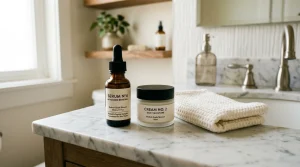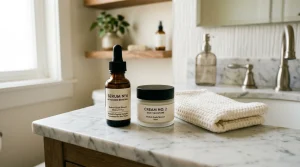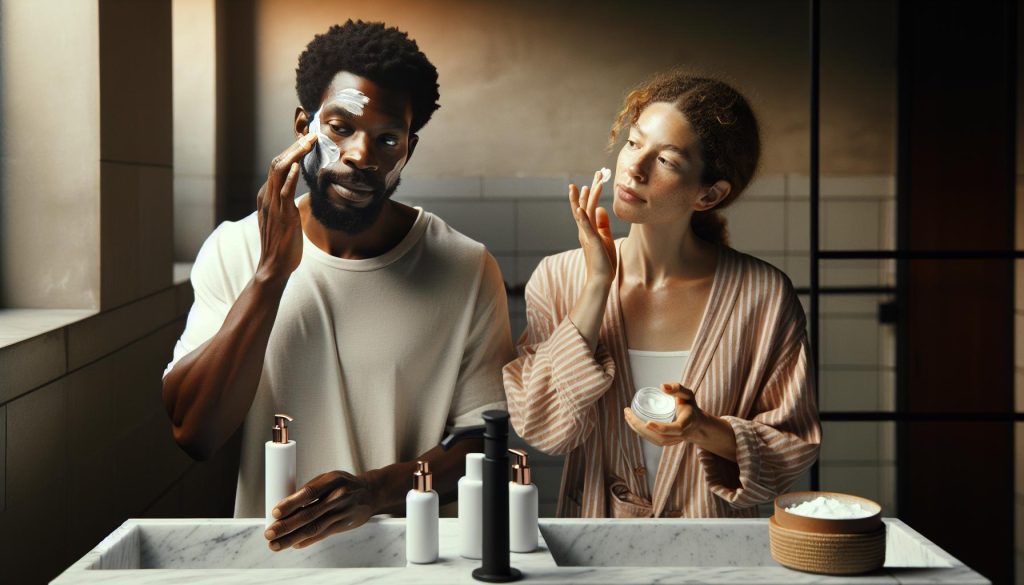
Navigating the world of skincare can feel overwhelming, especially when it comes to combining potent ingredients like benzoyl peroxide and retinol. Did you know that these two powerhouse products can actually work together to combat acne and improve your skin’s texture? However, their unique properties also raise a common concern: can using them together lead to irritation? This topic is essential for anyone looking to maximize their skincare routine while minimizing potential side effects. If you’ve been curious about how to safely incorporate both into your regimen, you’re not alone. Join us as we explore effective strategies and tips that will help you achieve clear, radiant skin without compromising comfort. Your ideal skincare routine is just a few steps away!
Can You Use Benzoyl Peroxide and Retinol Together?

Combining benzoyl peroxide with retinol can feel like walking a tightrope, but when done correctly, it can significantly enhance your skincare routine. Benzoyl peroxide is renowned for its antibacterial properties, effectively combating acne-causing bacteria, while retinol is a powerhouse for improving skin texture and reducing the appearance of fine lines. However, the potential for irritation when using these two ingredients together is a common concern.
To ensure a harmonious coexistence, consider your skin’s sensitivity. If you’re new to either product, it’s wise to start slowly. Begin by using benzoyl peroxide and retinol on alternate nights. For example, use benzoyl peroxide on Monday and retinol on Tuesday. This staggered approach allows your skin to adjust and reduces the risk of redness and peeling. As your skin grows accustomed, you can gradually increase their use, but always listen to your skin and adjust as needed.
For application, follow these best practices. After cleansing, apply benzoyl peroxide on the first night, using a small amount-think a pea-sized dot for your entire face. Allow it to absorb fully before moving on to moisturizer. On retinol nights, apply a nickel-sized amount of retinol, again letting it absorb before moisturizing. This method maximizes the benefits while minimizing discomfort.
In summary, while the combination can be effective, patience and a tailored approach to your skincare routine are key. With thoughtful scheduling and listening to your skin’s needs, you’re setting yourself up for glowing, healthier skin.
Understanding Benzoyl Peroxide: Benefits and Uses
Benzoyl peroxide is a standout ingredient in the quest for clearer skin, especially for those dealing with acne. This powerful compound works by targeting the root of acne-Propionibacterium acnes bacteria-helping to reduce breakouts effectively. It also has exfoliating properties, which can help clear clogged pores and reduce inflammation. Whether you’re facing occasional breakouts or persistent acne, incorporating benzoyl peroxide into your skincare routine can offer visible improvements.
One of the greatest benefits of benzoyl peroxide is its versatility. It is available in various forms, including gels, creams, and cleansers, and comes in different concentrations (typically ranging from 2.5% to 10%). This allows you to choose a product that best suits your skin’s needs and sensitivity. For example, those with sensitive skin may want to start with a lower concentration to assess tolerance before gradually increasing to a higher strength if needed.
When paired with other treatments, like retinol, benzoyl peroxide can enhance your skincare regimen, tackling acne while encouraging skin renewal. However, due to its potency, it can also lead to dryness or irritation. To mitigate these effects, it’s important to monitor your skin’s response and adjust usage accordingly. Always remember to apply a good moisturizer afterward to maintain hydration, and as benzoyl peroxide can bleach fabrics, handle with care when using it to protect your clothes and linens.
In summary, understanding how benzoyl peroxide works and its benefits can empower you to use it effectively within your skincare routine. Start with the right concentration for your skin type, and combine its antibacterial properties with the skin-renewing powers of retinol cautiously for optimal results.
What is Retinol and How Does It Work?

Retinol, a derivative of vitamin A, is often hailed as a powerhouse in skincare for its remarkable ability to boost cell turnover and promote healthier skin. When applied topically, retinol penetrates deep into the skin, where it converts into retinoic acid-a more active form that stimulates collagen production and helps to reduce the appearance of fine lines, wrinkles, and uneven pigmentation. This rejuvenating effect not only smooths skin texture but also helps prevent acne flare-ups, making it a desirable option for both aging concerns and acne treatment.
Furthermore, retinol helps to enhance the effectiveness of other topical treatments. For instance, when paired with benzoyl peroxide, the two can work synergistically. Benzoyl peroxide targets acne-causing bacteria and excess oil, while retinol encourages skin renewal and can minimize the appearance of post-acne marks. This combination can be particularly beneficial for those dealing with hormonal acne or stubborn breakouts that don’t respond to other treatments.
However, it’s essential to approach retinol with care. Since it can cause initial dryness and irritation-especially for those with sensitive skin-starting with a lower concentration and gradually increasing use is key. For example, begin with a product containing 0.25% retinol, applying it once or twice a week to gauge how your skin reacts before moving on to higher concentrations or more frequent use. Always pair retinol with a good moisturizer to maintain hydration, pop on sunscreen during the day, and be patient; it can take several weeks to see optimal results as your skin adjusts and begins to renew itself effectively.
Incorporating retinol into your skincare regimen can be game-changing. Combined with benzoyl peroxide, you can significantly enhance your skin’s clarity and overall appearance, tackling both existing issues and preventing future flare-ups. Remember, the journey to healthier skin is gradual, but with the right approach and products, you’re well on your way to achieving your skincare goals.
The Potential Risks of Combining Treatments
Combining benzoyl peroxide with retinol can yield impressive results for battling acne, but it also comes with certain risks that you need to navigate carefully. While benzoyl peroxide excels at eliminating acne-causing bacteria and reducing oiliness, retinol promotes skin turnover and can decrease the appearance of post-acne scarring. However, both ingredients can be quite potent, which is why understanding their combined impact is crucial for a successful skincare routine.
When these treatments are used together, the potential for skin irritation increases significantly. Benzoyl peroxide is known to cause dryness and irritation, especially in sensitive skin types. Similarly, retinol can lead to flakiness and redness, particularly during the initial weeks of use. For individuals with sensitive or reactive skin, this combination might provoke an overreaction, resulting in excessive peeling, redness, or even allergic reactions. To minimize these risks, it’s wise to start with lower concentrations of each product and monitor how your skin responds before progressing to higher doses.
Moreover, using both products at the same time could diminish the effectiveness of each one. The strong drying effects of benzoyl peroxide may counteract the nourishing properties of retinol, essentially canceling out the benefits you seek. To get the best of both worlds while reducing the risk of irritation, you might consider alternating the use of these products. For example, apply benzoyl peroxide in the morning and retinol at night, giving your skin time to adjust and recover.
Finally, it’s essential to remain vigilant for signs that you might be overdoing it. If you notice persistent redness, excessive dryness, or an itchy sensation, it may be a cue to scale back your usage. Your skin is your best indicator of what it needs, so listening to its signals is vital. By being mindful of how benzoyl peroxide and retinol interact, you can effectively harness their powerful benefits while keeping irritation at bay.
Skin Types: Who Should Use This Combo?
While many people seek effective solutions for acne and skin texture issues, it’s vital to understand that not every combination of products suits every skin type. The pairing of benzoyl peroxide and retinol can be particularly beneficial, but it’s not universally compatible. Understanding which skin types can handle this duo is the first step toward healthier skin.
Oily and Acne-Prone Skin: Individuals with oily, acne-prone skin often find great success with this combination. The drying properties of benzoyl peroxide can combat excess oil and kill acne-causing bacteria, while retinol aids in cell turnover, diminishing the likelihood of clogged pores. If your skin produces a lot of oil and you frequently experience breakouts, this combo can help clear your complexion effectively. Just be sure to monitor for irritation and adjust usage as needed.
Sensitive or Reactive Skin: For those with sensitive skin or conditions like rosacea, this combination might lead to excessive irritation. The dryness from benzoyl peroxide paired with the exfoliating effects of retinol can overwhelm sensitive skin types. If you have a history of reactions to potent ingredients, it’s wise to approach this combination with caution. Starting with lower concentrations of each product or using them on alternate days can help lessen potential side effects.
Normal to Combination Skin: People with normal to combination skin often experience fewer adverse effects from this pairing. This skin type usually has balanced oil production, so you might find that alternating applications – benzoyl peroxide in the morning and retinol at night – works well. This strategy allows both ingredients to work effectively without overwhelming your skin.
In essence, while benzoyl peroxide and retinol can offer remarkable results, the suitability of this combination largely depends on your skin type. Knowing how your skin responds to each product is crucial. For optimal outcomes, be sure to listen to your skin’s signals and adjust as necessary. Whether you’re embracing this combo for acne-fighting properties or for its skin texture benefits, patience and monitoring will guide you to the best results.
How to Safely Incorporate Both Products
Incorporating benzoyl peroxide and retinol into your skincare routine can yield amazing results, especially for tackling acne and improving skin texture. However, attention to how and when you use these products is crucial for minimizing irritation and maximizing their effectiveness. To start, consider beginning with low concentrations of both ingredients. For benzoyl peroxide, choose a gentle cleanser that contains around 2.5% concentration, as studies suggest this is equally effective as higher concentrations but less irritating. Similarly, for retinol, start with a lower strength, such as 0.25% or 0.5%, to allow your skin to acclimate.
- Timing is Key: Use benzoyl peroxide in the morning. Apply it after cleansing, as it helps eliminate acne-causing bacteria right at the start of your day. Then, in the evening, when your skin goes into repair mode, apply retinol. This separation allows each product to work effectively without overwhelming your skin.
- Layer Wisely: When using a benzoyl peroxide cleanser, follow it up with a gentle toner (to further balance your skin) before applying any other treatments, including retinol. Remember to wait for a few minutes after using benzoyl peroxide to let your skin dry completely, reducing the risk of irritation when you introduce retinol.
- Listen to Your Skin: Pay close attention to how your skin reacts. Start by using both products on alternating days. If irritation arises, consider using benzoyl peroxide three times a week and retinol on the off days, gradually increasing frequency as your skin adapts.
A patch test can also be wise-try a small amount of each product on a hidden area of skin to gauge your skin’s response before applying it to your entire face. Additionally, moisturizing is essential. Incorporate a soothing, hydrating moisturizer after applying retinol to combat any dryness and keep your skin barrier healthy. This step will help maintain moisture while both active ingredients do their work.
To summarize, successfully integrating benzoyl peroxide and retinol into your skincare routine hinges on starting slow, allowing your skin to adapt, and being mindful of your skin’s responses. With careful management, this combination can transform your skin while preventing irritation and discomfort. Enjoy the journey toward clearer, healthier skin!
Timing and Application: Best Practices
Incorporating a benzoyl peroxide cleanser alongside retinol can yield exceptional results in your skincare routine, but the timing and application are essential to ensure effectiveness and minimize irritation. Start your day with the benzoyl peroxide cleanser after washing your face. This allows the ingredient to reduce acne-causing bacteria and clear your pores, setting a fresh tone for your skin throughout the day. Aim for a concentration of around 2.5%, as studies indicate it is just as effective as higher doses but less likely to cause irritation.
Once your skin has been cleansed, give it a few minutes to dry completely before moving on to additional products. This waiting period is crucial because applying retinol on damp skin can heighten sensitivity and lead to increased irritation. In the evening, when your skin naturally repairs itself, it’s time to introduce retinol into your routine. Apply a pea-sized amount to clean, dry skin, gently massaging it in using upward circular motions. This method enhances absorption while ensuring that the active ingredients penetrate effectively.
For optimal results, consider alternating these products initially. Try using benzoyl peroxide in the morning and retinol at night, perhaps on alternate days, to give your skin time to acclimate. If any irritation arises, you can adjust the frequency or amount of each product. This gradual approach not only allows your skin to adjust but also helps you gauge how well it responds to each ingredient. Always finish with a nourishing moisturizer, particularly after applying retinol, as it helps maintain hydration and supports the skin barrier, ensuring that your complexion remains healthy and balanced.
By following these best practices, you position your skin to reap the benefits of both benzoyl peroxide and retinol effectively. With patience and the right approach, this dynamic duo can help you achieve clearer, smoother skin over time, empowering your skincare journey.
Signs You’re Overdoing It: Know the Symptoms
It’s great to be excited about your skincare routine, especially when combining powerful products like benzoyl peroxide and retinol. However, it’s essential to recognize when you’re pushing your skin too far. Overdoing it can lead to a host of uncomfortable symptoms that signal your skin needs a break.
Common signs of overdoing it include noticeable redness and inflammation. If your skin feels tight or looks perpetually flushed, it’s time to reconsider your approach. Similarly, flaking, peeling, or excessive dryness are also strong indicators that your skin barrier may be compromised. This can happen when combining strong actives like benzoyl peroxide, which targets acne, and retinol, known for its cell turnover benefits; both can be harsh if not used correctly.
Another symptom to watch for is increased sensitivity to touch or products. If you find that even gentle cleansers or moisturizers sting or cause discomfort, your skin might be overwhelmed. Additionally, if you experience any itching or burning after applying these products, it’s a clear sign that it’s time to scale back. Listen to your skin; it often knows best.
To prevent these issues, consider implementing a gentle routine. Gradually introduce one product at a time and allow your skin to adapt before adding the other. If irritation persists, reduce the frequency of application or choose lower concentrations. Always follow up with a nourishing moisturizer to hydrate and support your skin barrier after using these potent ingredients. Remember, skincare is a journey, and adjusting your routine is perfectly normal as you strive for healthy, balanced skin.
Alternatives to Benzoyl Peroxide and Retinol
In the quest for clearer skin, exploring can open up new avenues for effective treatment without the potential for irritation that comes from combining these powerful actives. Many individuals have found success with gentler options that can still yield significant improvements in skin health and appearance.
For acne treatment, consider salicylic acid, a beta hydroxy acid that penetrates deep into pores to dissolve excess oil and dead skin cells. It’s particularly effective for oily and acne-prone skin and tends to be less irritating than benzoyl peroxide. Begin by incorporating a low concentration of salicylic acid into your routine, applying it once daily until your skin adjusts, and then increasing as needed.
Another excellent option is niacinamide, known for its anti-inflammatory properties. This versatile ingredient helps to reduce redness, improve overall skin texture, and even out skin tone. Niacinamide works well in tandem with other products and can be used alongside retinol, making it a great alternative for those experiencing sensitivity from stronger treatments.
Natural Alternatives
If you’re leaning towards natural ingredients, consider tea tree oil. This essential oil has antibacterial properties that can effectively combat acne while being gentler on the skin compared to stronger chemicals. However, always dilute tea tree oil with a carrier oil before applying it to avoid irritation.
Lastly, hyaluronic acid deserves mention for those focusing on hydration, especially if dryness is a concern. While it doesn’t specifically target acne, it can help counteract the dryness associated with both retinol and benzoyl peroxide, ensuring your skin maintains its moisture barrier.
Adopting these alternatives allows for a balanced approach to skincare, helping you to avoid the harsh effects of combining benzoyl peroxide and retinol. By experimenting with these gentler options, you can still achieve healthy skin while being mindful of your skin’s sensitivity. Always remember to patch-test new products and introduce them gradually to find the optimal routine that works for your unique skin needs.
Real User Experiences: Success Stories and Concerns
Finding the perfect routine can sometimes feel like a quest for the Holy Grail, and many users have navigated the tricky landscape of combining a benzoyl peroxide cleanser with retinol. Some users report significant success in controlling acne while improving overall skin texture, but the journey isn’t always smooth.
Individuals have shared their experiences of incorporating both products into their skincare routines. For instance, Sarah, a 26-year-old with combination skin, saw dramatic results after gradually introducing a benzoyl peroxide cleanser in the morning and a retinol serum at night. She spoke about how this combination helped reduce breakouts significantly while also smoothing out fine lines. However, she emphasized the importance of listening to her skin, noting that any signs of irritation prompted her to dial back usage.
On the flip side, others like Jason, who has sensitive skin, encountered discomfort when using both products too closely. He initially applied them at the same time, which led to redness and peeling. After adjusting to a staggered routine-using benzoyl peroxide during the day and retinol every other night-he found a balance that worked for him.
It’s clear that while there are success stories, some caution is warranted. Users should keep a close eye on their skin’s response and proceed with a patch test for new products to avoid unwanted reactions. Establishing a routine that allows your skin to adapt is crucial to achieving desired results without compromising comfort. With these varying experiences in mind, it’s evident that the combination can work wonders when applied thoughtfully, but it’s vital to remain attuned to your skin’s needs along the way.
Expert Tips for Optimal Results
To effectively harness the benefits of a benzoyl peroxide cleanser and retinol in your skincare routine, there are several key strategies to keep in mind. These expert tips will help ensure that your experience is pleasant and productive, minimizing potential irritations while maximizing results.
First and foremost, start slowly. If you’re new to either ingredient, gradually introduce them into your routine rather than using them simultaneously from the get-go. For example, you might begin by using benzoyl peroxide in the morning for a week, and then add retinol at night after your skin has adjusted. This staggered approach helps your skin acclimate, reducing the risk of irritation, especially for those with sensitive skin.
Next, pay attention to application techniques. When using a benzoyl peroxide cleanser, apply a dime-sized amount to damp skin, gently massaging in circular motions for about 30 seconds before rinsing. After cleansing, allow your skin to dry completely before applying retinol. This step is crucial because applying retinol on damp skin can increase absorption and heighten the potential for irritation. Instead, wait 20-30 minutes post-cleansing to let your skin dry thoroughly.
Another important consideration is monitoring your skin’s response. Watch for signs of overuse, such as redness, excessive dryness, or peeling. If you notice these symptoms, it might be wise to reduce the frequency of application or adjust the concentrations you’re using. For instance, using a lower concentration of retinol or benzoyl peroxide can help ease any sensitivity while still delivering beneficial results.
Lastly, complement your skincare routine with hydrating products. Incorporating a gentle moisturizer can help restore the skin barrier, especially after using these potent ingredients. Look for serums or creams containing hyaluronic acid or glycerin, which help draw moisture into the skin, leaving it plump and hydrated without clogging pores.
By following these tailored tips, you can confidently integrate a benzoyl peroxide cleanser and retinol into your routine, achieving clear, radiant skin while minimizing the risk of irritation. Remember, patience is key, and it’s all about finding the balance that works best for you.
Frequently Asked Questions About This Combination
Combining benzoyl peroxide and retinol can be a powerful strategy for achieving clearer skin, but it raises a lot of questions for those navigating acne treatment and skincare. Here are some common inquiries that many might have when contemplating this combo.
One of the primary concerns is whether it’s safe to use these two potent ingredients together. The short answer is yes, but caution is vital. Both ingredients can be irritating on their own; using them too closely together may increase the risk of dryness and inflammation. Many skin care enthusiasts recommend introducing them slowly into your routine rather than applying them at the same time. Starting with benzoyl peroxide in the morning and retinol at night can help your skin adjust without overwhelming it.
You might be wondering how often to use them. It’s generally advisable to start with one or two times a week for retinol, eventually increasing frequency based on your skin’s tolerance. For benzoyl peroxide, daily use is often acceptable, but if you notice redness or peeling, consider scaling back. Always remember to monitor your skin’s response closely as individual tolerance varies greatly based on skin type and sensitivity.
Another area of confusion often relates to the timing of application. After using a benzoyl peroxide cleanser, it’s essential to allow your skin to dry thoroughly before applying retinol. This practice minimizes the chances of increased irritation since applying retinol on damp skin can enhance absorption and might lead to more intense sensitivity. Waiting about 20-30 minutes after cleansing to apply retinol is a good rule of thumb.
Ultimately, many users find that with careful management and attention to their skin’s needs, the combination of benzoyl peroxide and retinol can yield fantastic results, helping to fight acne and improve skin texture over time. If you’re unsure or if irritation occurs, consulting a dermatologist is always a wise step to tailor your regimen to your specific skin type.
Frequently Asked Questions
Q: Can I use benzoyl peroxide and retinol together on my face?
A: Yes, you can use benzoyl peroxide and retinol together, but start slowly to gauge your skin’s reaction. It’s essential to apply them at different times of the day-retinol at night and benzoyl peroxide in the morning-to minimize irritation.
Q: What are the benefits of using benzoyl peroxide with retinol?
A: Combining benzoyl peroxide with retinol can enhance acne treatment efficacy. Benzoyl peroxide helps kill bacteria and reduce inflammation, while retinol promotes skin cell turnover, which can lead to clearer skin over time.
Q: How often should you use benzoyl peroxide and retinol?
A: Start with using benzoyl peroxide every other day and apply retinol 2-3 times a week. Gradually increase frequency based on your skin’s tolerance. Always monitor for signs of irritation and adjust accordingly.
Q: What precautions should I take when using both products?
A: To avoid excessive irritation, introduce one product at a time and apply them at different times. Always use a broad-spectrum sunscreen during the day as both ingredients can increase skin sensitivity to the sun.
Q: Can benzoyl peroxide cause irritation when used with retinol?
A: Yes, using benzoyl peroxide with retinol can lead to dryness and irritation. It’s crucial to listen to your skin, reduce usage frequency if irritation occurs, and consider including a hydrating moisturizer in your routine.
Q: Are there any skin types that should avoid this combination?
A: Individuals with sensitive or reactive skin may find the combination of benzoyl peroxide and retinol too harsh. It’s advisable for these skin types to consult a dermatologist before incorporating both products to prevent irritation.
Q: How can I effectively incorporate both into my skincare routine?
A: Incorporate benzoyl peroxide in your morning routine and retinol in your night routine. Ensure to cleanse, apply one product, and wait for it to dry before applying the next. Hydrate your skin afterward to minimize dryness.
Q: What are good alternatives if I can’t use benzoyl peroxide and retinol together?
A: If the combination irritates your skin, consider using salicylic acid or azelaic acid instead of benzoyl peroxide, or use gentler exfoliants instead of retinol like alpha hydroxy acids (AHAs) for smoother skin without extreme irritation.
In Retrospect
As you explore the powerful combination of a benzoyl peroxide cleanser and retinol, keep in mind the potential for irritation and the benefits these ingredients can bring to your skincare routine. Users often find that when used correctly, this duo can enhance clarity and combat acne more effectively. If you’re considering this approach, start slowly: perhaps using the benzoyl peroxide cleanser a few times a week, while introducing retinol gradually to allow your skin to adjust.
For more personalized advice, don’t hesitate to check out our guide on “How to Layer Skincare Products Effectively” or “Best Practices for Using Retinol.” These resources are designed to help you make informed decisions about your regimen. Subscribe to our newsletter for the latest tips and tricks in skincare, ensuring you’re always equipped with knowledge tailored to your beauty journey. Remember, your path to healthier skin is just a few clicks away, so embrace this opportunity and chat with fellow readers in the comments below! Understanding the right ways to use benzoyl peroxide and retinol can drastically improve your skincare routine-let’s get started on achieving that clear, radiant complexion today!
Get our latest guides, news, and insights highlighted in your Google Search & AI Overviews.