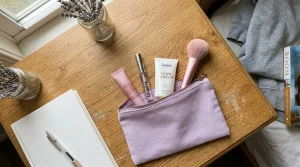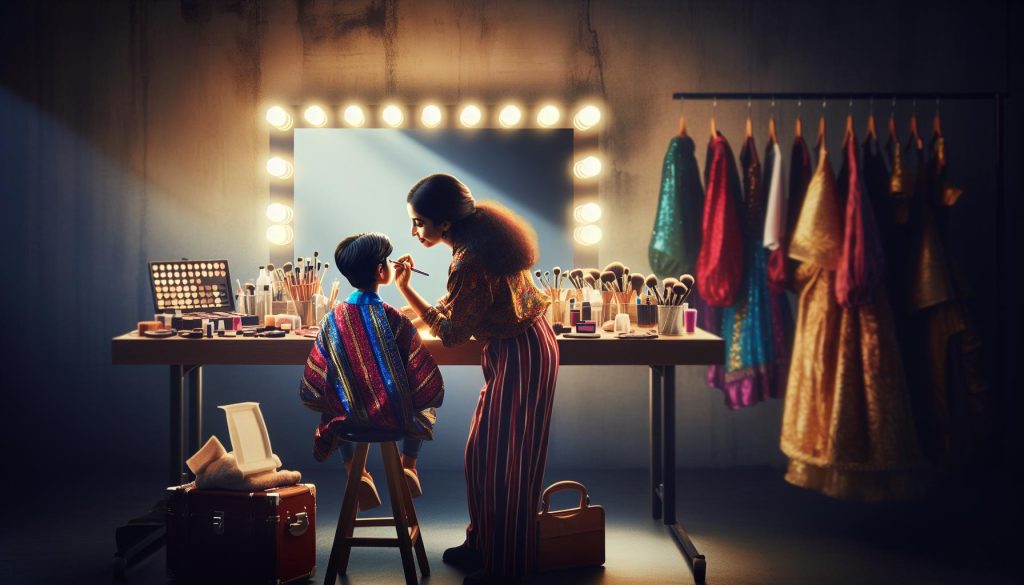
Applying stage makeup can transform a simple school play or talent show into a captivating performance, but it can feel daunting, especially for kids. It’s not just about looking good on stage; the right techniques and products can boost confidence and allow young performers to fully embody their characters. In this guide, we’ll share professional tips on how to apply stage makeup tailored for children, ensuring they not only shine brightly under the spotlight but also feel comfortable in their skin. Whether you’re a parent helping your child prepare for their big moment or a budding young actor, our easy-to-follow advice is designed to demystify the process and make it enjoyable. So, let’s dive into the colorful world of stage makeup and discover how to bring those imaginative characters to life!
Choosing the Right Stage Makeup Products for Kids
can feel overwhelming, but with a little guidance, it can become a fun and rewarding experience. It’s essential to opt for products that are designed specifically for children, as they tend to be gentler on young, sensitive skin and easier to remove. Look for hypoallergenic makeup that’s free from harsh chemicals and fragrances. Products labeled as “water-based” or “theatrical makeup” are often the best choices, as they offer vibrant colors with a smooth application while being kind to delicate skin.
When selecting colors, consider the character your child will portray and the lighting of the performance. Bright colors can translate better under stage lights, so don’t shy away from bold shades. For skin tone matching, a good foundation or skin tone cream is crucial; choose a shade that closely resembles your child’s natural complexion. Remember to test the products on a small area of skin to ensure there are no allergic reactions before the big performance.
Another important aspect is application tools. Invest in quality applicators such as makeup sponges, brushes, and setting sprays. For example, using a damp makeup sponge helps blend products seamlessly, giving a more professional finish. Setting powder or spray can enhance the longevity of the makeup, ensuring it stays intact through the performance. Overall, the right products not only enhance a child’s character portrayal but also ensure their comfort and safety during the show.
In summary, prioritize gentle, theatrical-quality products tailored for kids, focus on color choices that pop on stage, and equip yourself with reliable tools for a polished result. By making informed selections, you can empower your young actors to shine confidently in their roles.
Essential Makeup Techniques for Young Actors
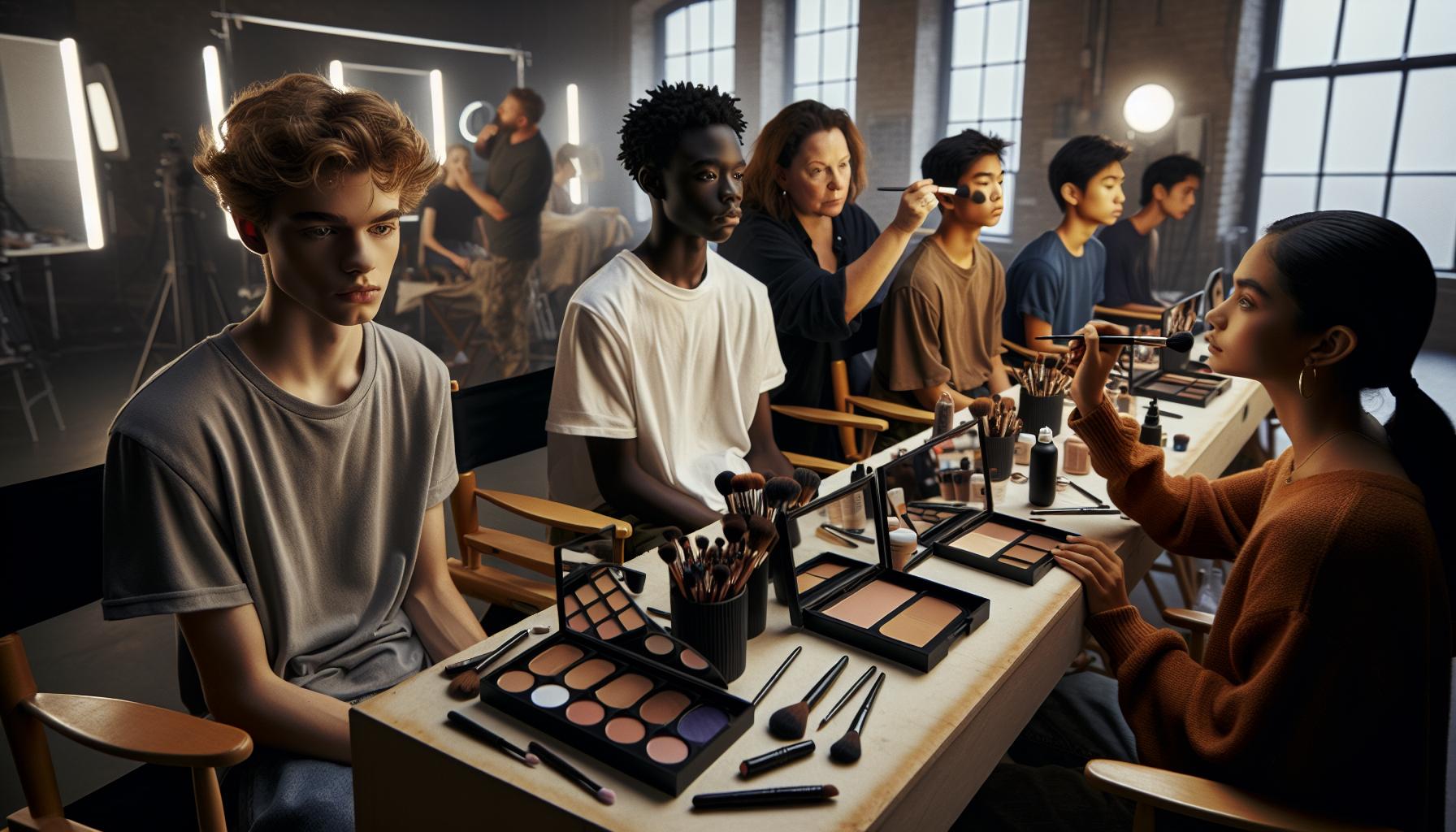
When it comes to stage makeup for kids, understanding some essential techniques can make all the difference in how they present their characters. This journey into the world of makeup is not just about making faces look different; it’s about boosting confidence and creativity while ensuring that your young actors feel comfortable and look their best under the bright stage lights.
A fantastic starting point is to apply a good moisturizer before makeup. This helps to create an even base and minimizes dry spots. Choose a lightweight, non-greasy product designed for sensitive skin. Once absorbed, you can move on to a foundation or skin tone cream. Apply a small amount-about the size of a dime-using a damp makeup sponge. This technique allows for seamless blending, creating a natural look that won’t cake or crack under performance conditions. For a delightful touch, set the foundation with a light dusting of translucent powder using a fluffy brush; this helps to matte the skin and keep everything in place.
Now, let’s talk about adding color! Start with the eyes, as they play a significant role in conveying emotion and character. Bright, vibrant colors can enhance performance under stage lighting. Use cream eyeshadows or pencils for easy application and great color payoff. For example, bright blues or greens can really pop on stage. When applying eye makeup, be mindful of the shape of the eyes and the character being portrayed. For instance, if the character is whimsical or fantastical, lots of shimmer and bright colors can enhance that portrayal. Remember to use a gentle touch, applying just enough product to not overwhelm the delicate skin around the eyes.
Don’t forget about the cheeks! A little blush can go a long way in adding life and dimension to the face. Choose a shade that complements the character’s personality-and remember to blend well! Lightly tap a brush with the chosen blush on the apples of the cheeks and sweep upwards towards the temples for a natural flush.
Lastly, lips deserve attention too! Apply a moisturizing lip balm first to hydrate the lips, then follow up with a lip color that suits the character. For younger kids, a tinted lip balm gives a hint of color without being too bold or overwhelming. Always choose products that are easily removable and gentle on young skin, ensuring the performance will be enjoyable from start to finish.
In summary, by incorporating these techniques-starting with a smooth base, applying striking eye colors, adding a healthy blush, and finishing with kid-friendly lip products-your young actors will not only look fantastic but will also feel confident as they step onto the stage. Keep it fun and engaging, and remember that practice makes perfect!
Step-by-Step Guide to Applying Basic Stage Makeup
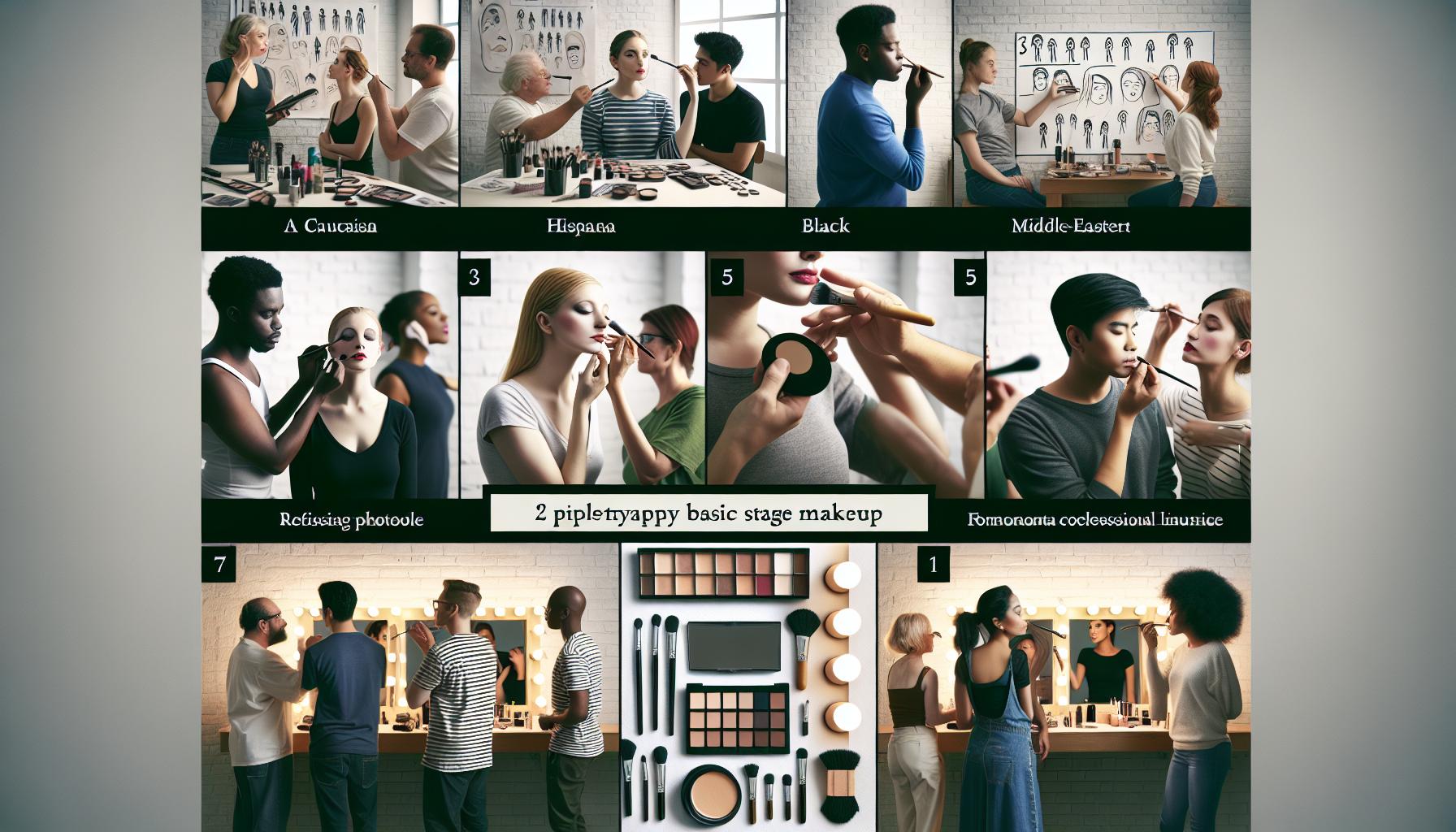
Applying stage makeup can be a fun and creative process for kids, helping them transform into their characters for performances. Start with a light refreshment-ensure the young performer is comfortable and ready to enjoy the experience. It’s essential to create a routine that’s easy to follow and gentle on their skin, setting the stage for a successful application.
Begin with a clean face. Use a gentle cleanser to avoid irritation. Once clean, apply a lightweight moisturizer specifically designed for sensitive skin, as this not only hydrates but also prepares the skin by providing a smooth canvas. Pat the moisturizer into the skin and allow it to absorb fully, which usually takes about 5 minutes.
Next, it’s time for foundation. Choose a kid-friendly, lightweight foundation or tinted moisturizer. Use a makeup sponge to apply a dime-sized amount, spreading it evenly across the face in gentle, circular motions. This helps achieve a natural, blendable look that enhances their features without feeling heavy or cakey. For a flawless finish, set the foundation with a light dusting of translucent powder. Use a fluffy brush for application, focusing on areas that tend to shine under bright lights, such as the forehead and nose.
Now, let’s focus on the eyes-arguably the most expressive part of the face. Bright colors are fantastic for stage performances as they stand out from far away. Start by applying a primer to help the eye makeup last longer. Then, choose vibrant eyeshadows or eye pencils; for instance, a rich blue or deep purple can add depth. Apply the eyeshadow using a brush, starting from the lash line and blending upwards toward the crease for a seamless look. For added flair, consider finishing with a bit of shimmer on the eyelids which will catch the light beautifully.
Once the eyes are accentuated, apply blush for a healthy glow. Select a shade that complements the character-soft pinks for a cheerful character, or deeper shades for a more serious role. Lightly sweep the blush on the apples of the cheeks and blend towards the temples. This not only adds a pop of color but enhances the 3D effect of the face under stage lights.
Finally, don’t forget the lips! Begin with a moisturizing lip balm to keep them hydrated. Then, apply a lip color that matches the character-perhaps a soft pink for a sweet character or a bold red for a dramatic one. For younger kids, tinted lip balms can offer a hint of color without overwhelming their features. Always choose products that are easy to remove at the end of the performance to protect the child’s skin.
Remember, the secret lies in gradual application and blending. Take breaks and encourage the young actor to look in a mirror to see how the makeup comes together-this reinforces their sense of involvement and boosts their confidence! By following these steps, you’ll create a stunning stage-ready look that highlights your child’s unique features and character, allowing them to shine in their performance.
Creating Different Character Looks with Makeup
Transforming a child into a character for a performance can be one of the most magical and rewarding parts of their acting journey. Makeup is a powerful tool that not only enhances their appearance but helps convey the essence of their character on stage. Whether they’re a playful fairy, a brave knight, or a wise old wizard, understanding how to creatively use makeup will elevate their performance.
To begin with, consider the character’s traits and personality. A vibrant character like a princess may require bright blush, shimmering eyeshadows, and soft lip colors. On the other hand, a more subdued character, such as a ghost or a villain, could benefit from pale foundations, darker eye makeup, and shadowing techniques that age or change their features.
Key Techniques for Character Looks
- Color Choice: Bright, bold colors generally work better for stage performances as they can stand out from afar. Use rich blues, pinks, or purples for cheerful characters, while muted tones can give a more serious or dramatic look.
- Application Style: Apply makeup with a heavier hand for the stage; performers fade under bright lights, so use more product to keep them visible. Think about using setting sprays or powders to ensure it stays in place.
- Facial Contouring: This technique can dramatically alter how a character is perceived. Lightly contouring with bronzer can create a more angular face for a fierce character or soften a face for a whimsical role.
Next, let’s talk about specific examples. If your young actor is portraying a pirate, consider using dark eyeliner to create a rugged look, complemented by earthy shades around the eyes. For a classic fairy, soft sparkly eyeshadow along with a hint of glitter on the cheekbones can bring that character to life.
Finally, always ensure that kids are involved in the process. Prompt them to suggest colors or styles they like, which not only keeps them engaged but helps them feel more connected to the character they are portraying. The magic of makeup isn’t just in the final look; it’s also about the excitement and creativity involved in the transformation. Encourage them to express themselves and remember, every character can be a journey of self-discovery as they step into someone else’s shoes for a night on stage.
Safety Tips for Applying Makeup on Children
Applying makeup on children can be an exciting experience, but safety should always come first. Kids’ skin is typically more sensitive than adults’, making it essential to choose products that are gentle and suitable for their age. Start by selecting hypoallergenic, non-toxic makeup products to minimize the risk of irritation or allergic reactions. Look for labels that indicate the makeup is specifically formulated for children or has undergone rigorous dermatological testing.
Before you even reach for the makeup, conduct a patch test. Apply a small amount of the product to a less visible area, such as behind the ear or on the wrist, and wait 24 hours to observe any adverse reactions. This simple step can save you from potential discomfort later on. Additionally, use tools like clean brushes or sponges to apply makeup, as these not only ensure better application but also help maintain hygiene and reduce the risk of infections.
When it comes to application, be mindful of the areas you are working on. Avoid sensitive areas such as the eyes and mouth unless the product is specifically designed for those regions. If you do apply makeup near the eyes, use products intended for that purpose and be extremely careful to prevent the makeup from entering their eyes. Keep a damp cloth or makeup remover wipes handy for any quick cleanups, ensuring that the application process remains joyful rather than stressful.
Finally, involve your child in the makeup process as much as possible. Letting them explore colors and styles can make them feel engaged and excited about the transformation. However, always supervise their reactions and preferences, as they may not fully understand what products are safe for them. By keeping safety in mind and encouraging a collaborative approach, you can turn a simple makeup application into a fun bonding experience while ensuring their well-being.
Removing Stage Makeup: Best Practices and Tips
Removing stage makeup from kids’ sensitive skin can be just as important as the application itself. It’s crucial to adopt a gentle approach that ensures their skin remains healthy, avoiding irritation or allergic reactions after a fun day of performing. Here’s how to make the cleanup process both effective and enjoyable for your little ones.
Start by gathering your tools. A combination of makeup removers, gentle cleansers, and soft cloths will work wonders. Look for a gentle makeup remover specifically designed for children or sensitive skin. These products are formulated to break down makeup without harsh chemicals, which is ideal for delicate skin. For tougher makeup types, such as theatrical creams, consider using an oil-based remover, as these can dissolve products more easily.
Step-by-Step Makeup Removal
- Prep the Area: Ensure you’re in a well-lit area and have everything you need within reach. A clean, soft towel or makeup removing cloth can make the process more comfortable.
- Wet a Cloth: Dampen a soft washcloth with warm water. This helps open the pores and makes the makeup easier to dislodge.
- Apply Makeup Remover: Use a small amount of your chosen makeup remover on a clean cotton pad. Gently swipe it across the makeup areas, starting from the forehead moving down to the chin. Avoid scrubbing harshly; light pressure is sufficient.
- Rinse and Repeat: After the initial cleaning, rinse the cloth and wipe again to ensure all product remnants are gone. Depending on the amount of makeup used, you may need to repeat this step a few times.
- Cleanse Thoroughly: Once most makeup has been removed, wash their face with a gentle facial cleanser to remove any lingering residue. This step is essential for keeping their skin fresh and healthy.
Final Touches
After the makeup removal process, remember to follow up with moisturizer suitable for children’s skin. This helps to replenish any moisture that might have been stripped away during makeup application and removal.
Lastly, make the process fun! Encourage your child to participate by allowing them to choose the scents of their cleansers or having them help with the removal process. Turning this chore into a playful activity can reduce any anxiety they might feel about removing makeup while reinforcing good skincare habits.
By handling makeup removal in a thoughtful, caring manner, you’ll not only ensure your child’s skin stays healthy but also teach them the importance of skincare from a young age.
Engaging Kids in the Makeup Process
Getting kids involved in the makeup process can transform a simple application into a fun and exciting activity. Not only does it foster creativity and self-expression, but it also empowers them by making them feel like an integral part of the performance. The key is to maintain a playful atmosphere while ensuring that they understand the steps of applying stage makeup.
Encourage children to select their own colors and styles whenever possible. This can begin with a simple question, such as, “What color do you think will make your character stand out?” When they feel a sense of ownership over their choices, they’re more likely to engage fully with the process. You might also create a “makeup menu,” featuring different looks or themes related to their role, allowing them to mix and match until they find what excites them the most.
Once kids are more involved, teach them basic techniques in a way that feels like storytelling rather than a lesson. For instance, explain how to apply foundation in a way that creates a “base” for their character’s story, or have them think of blush and eyeshadow as the “expression” of their character’s emotions. Using analogies or drawing parallels with their interests can make the process even more relatable and enjoyable.
Finally, make it a bonding experience! Set aside time when they can invite friends over for a “makeup party,” where they can share tips and try out different looks together. This not only demystifies makeup application but also helps them build confidence. By keeping the atmosphere light and encouraging, you create a positive experience that leaves a lasting impression, teaches them vital skills, and makes stage performance even more memorable.
Common Mistakes to Avoid with Kids’ Stage Makeup
Applying stage makeup for kids can be a delightful experience, but it’s easy to make mistakes, especially when dealing with young, sensitive skin. Understanding the common pitfalls can make the process smoother and more enjoyable for everyone involved.
One significant error is using products that are not specifically designed for children. Adult makeup often contains ingredients that can irritate young skin or cause allergic reactions. Look for hypoallergenic, non-toxic stage makeup products that are safe for kids. Always conduct a patch test before application to check for any adverse reactions.
Another frequent mistake is applying too much product. Kids don’t need heavy layers of makeup to achieve the desired effect on stage. A light, even application allows their natural features to shine through while still providing the coverage needed under bright stage lights. Use a damp makeup sponge to build up coverage gradually, emphasizing areas that need it without overwhelming their skin.
Timing is also crucial. Rushing through the makeup application can lead to uneven coverage and a less polished look. Set aside ample time before performances, allowing for a relaxed makeup session where kids can see and feel the transformation. This is not just practical but also fun; consider it a special pre-show ritual!
Lastly, don’t forget to educate kids about the importance of removing stage makeup properly. Many young actors may feel exhausted after a performance and want to skip this step, but it’s essential to prevent clogged pores and skin irritation. Teach them to use a gentle makeup remover followed by a suitable cleanser, keeping their routine as simple as possible. When kids understand why these steps are important, they’re more likely to comply, ensuring that their skin stays healthy and vibrant for their next performance.
Incorporating Fun and Creativity in Makeup Application
Incorporating creativity and fun into stage makeup application for kids can turn an ordinary preparation time into a memorable bonding experience. Kids thrive on imagination, and leveraging that can help them feel empowered and excited about their roles. Start by encouraging your child to choose their character or theme, which can help them visualize and personalize their makeup look. This can range from whimsical fairies to fierce superheroes, and letting them express their ideas fosters enthusiasm.
Engage with Colors and Textures
Bring out a variety of colorful options, metallics, and fun textures for applications. For instance, using shimmering eyeshadows can be fun, or adding a splash of glitter can turn a simple look into something magical. Experiment together with the tools-sponges, brushes, and even their fingertips. Each method can create different effects, and letting them dabble and see what they prefer makes the process engaging. Discuss how different looks can portray emotions; for example, brighter colors can convey happiness while darker, bolder shades can express intensity.
Makeup Games
Incorporate playful elements by turning the application into a game. Set a timer and challenge them to apply certain aspects of their makeup within that timeframe, or create themed makeup challenges based on the character they’re portraying. For example, “Can you make your eyes look like the universe?” encourages them to use bold colors and teeny-tiny stars. Such activities not only inject fun but also promote skill-building as they learn to apply makeup effectively under a bit of playful pressure.
Collaborate on Designs
To truly foster creativity, consider collaborating on the makeup design. Sketch out ideas together and choose elements they love, such as face paint features like butterflies or animal prints. Allow them to contribute by suggesting what colors or patterns they feel resonate with their character. This collaborative approach can help them become more invested in their performance, making them look forward to each application session with excitement.
Lastly, remember that confidence is key. Afford them the chance to direct parts of the makeup process, empowering them to take ownership and feel proud of their creation. With these elements combined, makeup application becomes not just a preparation step but a cherished part of the performance experience.
Using Stage Makeup for School Plays vs. Professional Productions
When it comes to preparing young actors with stage makeup, the approach can significantly differ between school plays and professional productions. Understanding these distinctions can help ensure that kids not only look their best but also feel confident and comfortable during their performances.
For school plays, the focus is often on fun, creativity, and the enthusiastic participation of all cast members. Here, the makeup can be more experimental and flexible. Bright colors, face paints, and easily removable products are usually favored. Children’s skin is generally more sensitive, so opting for hypoallergenic, non-toxic makeup is key. Simple techniques can be employed-like using a sponge to blend cream face paint for a tiger look or easy-to-apply lipstick for a fairy vibe. The goal here is for kids to enjoy the process, allowing them to express their characters without heavy constraints.
In contrast, professional productions demand a more polished and sophisticated appearance. Young actors may need to wear makeup that withstands bright stage lights and lasts through longer performances. This often means using makeup designed for theatrical applications, which may involve setting powders, professional-grade face paint, and even airbrush techniques for a flawless look. In these cases, makeup artists often play a crucial role in guiding the application process, ensuring that the makeup not only enhances the actor’s features but also aligns with the director’s vision for the character. Here, techniques like contouring for camera readiness or the use of specific products that can handle sweat and stage conditions become important.
To summarize, the key differences lie in the level of professionalism expected and the need for durability. While school plays allow for more freedom and creativity, professional productions require attention to detail and specific techniques that suit stage lighting. Regardless of the setting, always prioritize the comfort and safety of the young actors, ensuring their makeup experience is enjoyable and empowering.
Budget-Friendly Stage Makeup Options for Parents
When it comes to stage makeup for kids, parents often face the challenge of finding quality products without breaking the bank. Luckily, there are numerous budget-friendly options that not only meet performance needs but also ensure that children’s skin remains safe and healthy. With a little creativity and resourcefulness, you can achieve beautiful results that won’t strain your wallet.
Start by exploring local drugstores or big-box retailers for affordable alternatives to professional stage makeup. Many brands offer products specifically designed for theatrical use, including face paints, setting powders, and even basic foundations. Look for hypoallergenic labels and non-toxic ingredients to ensure that these products are safe for delicate skin. For items like face paint, consider purchasing multi-pack palettes that provide a variety of colors at a lower price per shade, making it easy to create multiple character looks without overspending.
Another cost-effective approach is to utilize everyday cosmetics already available in your home. Items like cream foundations, eyeshadows, and blushes can easily double as stage makeup. For example, a bright pink lipstick can serve as both lip color and a cheek tint for a whimsical fairy character. Using solid, reliable household items not only saves money but also allows for creative applications where kids can explore different looks. Make sure to patch-test these products first to avoid any skin irritations, especially for sensitive skin.
For tools, investing in a basic set of brushes and sponges can go a long way. Look for budget-friendly kits that include a range of applicators, which can be found online or at craft stores. These tools make applying makeup easier and more precise, helping your child feel more confident in their performance. Remember, the goal is not perfection but rather to let the kids enjoy the process and express themselves through their characters.
Lastly, consider organizing a makeup swap or sharing among friends who have children involved in theater. Pooling resources can significantly reduce costs, allowing families to try out new products without the commitment of purchasing full-sized items. Plus, working together can make the makeup application process more fun and engaging!
By focusing on affordable options and fostering creativity, parents can help their kids shine on stage without the financial stress often associated with purchasing specialized theatrical makeup.
Aftercare for Kids’ Skin Post-Makeup Use
After a day of performing, the last thing you want is for your child’s skin to feel irritated or dry from the stage makeup. Proper aftercare is crucial not just for comfort but also to maintain healthy skin. Following the right steps can transform the makeup removal process into a gentle ritual rather than a chore.
Start by gathering all necessary supplies before beginning the removal process. You’ll need a gentle makeup remover, like an oil-based cleanser or a creamy micellar water. Avoid harsh removers that can strip the skin. Why? Children’s skin is often more sensitive, and using the right products can help prevent irritation and dryness.
Begin the removal process by dampening a soft cloth or cotton pad with the makeup remover. Press it lightly onto the skin for about 30 seconds; this will help break down the makeup without heavy rubbing. Then, wipe away in gentle, circular motions.
After removing the makeup, it’s important to cleanse the skin thoroughly. A mild facial cleanser will help eliminate any remaining residue. For instance, a fragrance-free, foaming cleanser works great to lift away any leftover makeup while maintaining moisture levels. Rinse with lukewarm water, as hot water can exacerbate dryness.
Once the skin is clean, pat (don’t rub) it dry with a clean towel. Follow up with a soothing moisturizer rich in hydration. Look for products that contain ingredients like aloe vera or glycerin to help restore moisture to the skin. If your child has dry patches or irritation, consider using a calming cream with chamomile or calendula.
Key Takeaways:
- Utilize gentle makeup removers and cleansers to protect delicate skin.
- Ensure all products are suitable for children, avoiding harsh chemicals.
- Always follow cleansing with a good moisturizer to maintain skin health.
Incorporating these steps into your routine will not only ensure that your child’s skin feels comfortable but will also promote a healthy complexion, paving the way for future performances.
Q&A
Q: What are the best stage makeup products for kids?
A: The best stage makeup products for kids are water-based or hypoallergenic options. Look for brands specifically designed for children’s skin. Products like face paints, non-toxic eyeliner, and gentle makeup removers are ideal. For specific recommendations, see the “Choosing the Right Stage Makeup Products for Kids” section in our article.
Q: How can I make stage makeup last longer on kids?
A: To make stage makeup last longer, start with a clean, moisturized face. Use a makeup primer suitable for kids, then apply setting spray after makeup application. Ensure makeup is well-blended and, if needed, use translucent powder to set the look. Refer to our “Step-by-Step Guide to Applying Basic Stage Makeup” for detailed techniques.
Q: Is it safe to use regular makeup on kids for stage performances?
A: No, regular makeup can irritate children’s sensitive skin. Always use stage makeup specifically formulated for kids, as it is designed to be safe and hypoallergenic. Learn more about safety in the “Safety Tips for Applying Makeup on Children” section of our article.
Q: How do I remove stage makeup safely from my child’s skin?
A: To remove stage makeup safely, use a gentle makeup remover or baby oil on a cotton pad. Follow up with a mild facial cleanser and lukewarm water to ensure all makeup is removed. For more aftercare tips, check the “Removing Stage Makeup: Best Practices and Tips” section in our article.
Q: What character makeup looks can I create easily for kids?
A: Easy character makeup looks for kids include animals (like cats or bunnies), clowns, and fairies, which require simple shapes and colors. Use face paint for vibrant colors and easy application. Explore our “Creating Different Character Looks with Makeup” section for specific ideas and techniques.
Q: How do I help my child enjoy the makeup process?
A: Engage your child by letting them choose colors and character looks. Turn the application into a fun activity with music or storytelling. Encourage creativity and collaboration, making it a bonding experience that they look forward to. Check our section on “Engaging Kids in the Makeup Process” for more tips.
Q: What are some common mistakes to avoid when applying stage makeup for kids?
A: Common mistakes include using adult makeup products, not testing for allergies, and applying too much product. Always use age-appropriate products and apply makeup in light layers for a natural look. Avoid these pitfalls by reading our “Common Mistakes to Avoid with Kids’ Stage Makeup” section for more insights.
To Conclude
Now that you’re equipped with professional tips on applying stage makeup for kids, it’s time to unleash your creativity! Remember, practice makes perfect, so don’t hesitate to experiment with colors and techniques to find what works best for your little star. Creating a fun and supportive environment will not only boost their confidence but also make the whole process enjoyable.
If you found this guide helpful, check out our related articles on “The Best Makeup for Kids’ Theatre Productions” and “Easy Makeup Removers for Kids” to further enhance your knowledge. Interested in receiving more practical tips like these? Sign up for our newsletter for the latest beauty and grooming advice directly to your inbox!
Don’t forget to share your experiences or any questions you have in the comments below-we love hearing from you! Your feedback helps our community grow, and together we can make stage performances even more magical for kids.
Get our latest guides, news, and insights highlighted in your Google Search & AI Overviews.