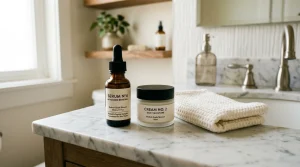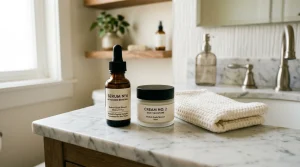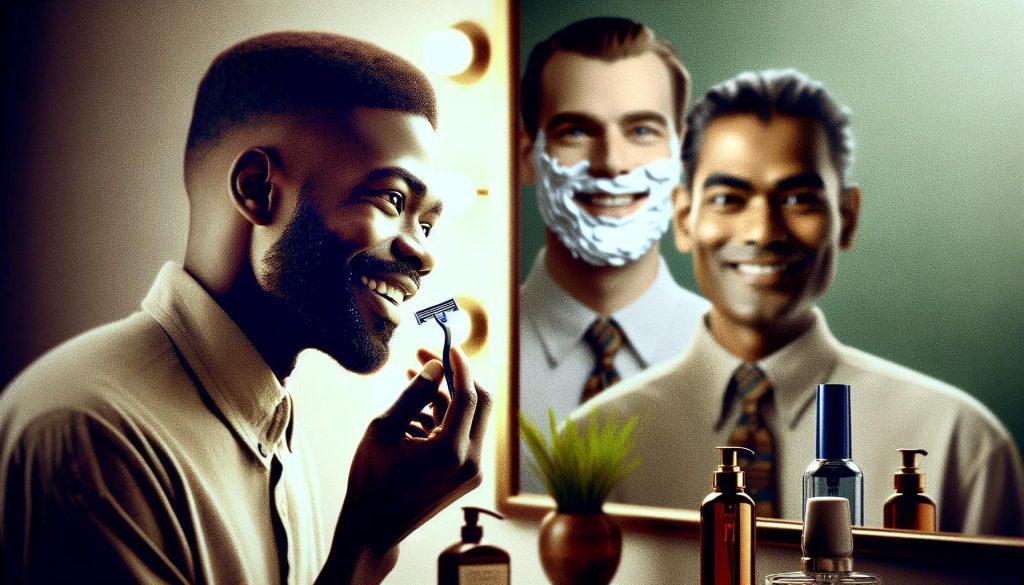
If you’ve ever experienced the annoying aftermath of shaving-those unsightly razor bumps-you’re not alone. Razor bumps, a common skin irritation, can turn a smooth shave into a painful ordeal. Fortunately, preventing these irritating bumps is easier than you might think. In this guide, we’ll explore essential techniques to help you achieve a comfortable and bump-free shave, so you can feel confident in your skin. Whether you’re new to shaving or a seasoned pro, understanding the proper methods and products will make all the difference. Let’s dive into practical, actionable tips that will transform your grooming routine and keep you looking your best. Your skin will thank you!
Understanding Razor Bumps and Their Causes
Razor bumps, scientifically known as pseudofolliculitis barbae, are a common and frustrating issue that many people encounter after shaving. These bumps arise when hairs grow back into the skin rather than out of it, leading to irritation, inflammation, and sometimes painful redness. While they are most notably seen in the beard area, razor bumps can also affect areas like the armpits, legs, and bikini line, especially in individuals with curly or coarse hair.
Understanding the mechanics of razor bumps can help in preventing them. When shaving, cutting hair can create sharp edges that may curl back towards the skin, resulting in ingrown hairs. This process is often exacerbated by improper shaving techniques, such as shaving against the grain, using dull blades, or failing to adequately prepare the skin prior to shaving. Allergic reactions to shaving products and lack of moisture can further contribute to the inflammation and discomfort associated with razor bumps.
To minimize razor bumps, it’s essential to recognize your skin’s unique needs and respond accordingly. Factors like skin type, hair texture, and shaving frequency should guide your approach to grooming. Adopting strategies that promote hair growth away from the skin surface can make a significant difference. Simple adjustments like using warm water, applying shaving cream, and shaving in the direction of hair growth can drastically reduce the likelihood of getting razor bumps. Understanding these causes lays the groundwork for effective prevention techniques that can lead to a smoother, more comfortable shaving experience.
Essential Pre-Shaving Preparation Steps
Preparing your skin properly before shaving can make a world of difference in preventing razor bumps and ensuring a smoother experience. Think of pre-shaving preparation as laying a strong foundation; without it, even the best tools and techniques may fall flat. By investing a little extra time in preparation, you can significantly reduce irritation and the likelihood of those pesky ingrown hairs that lead to razor bumps.
Start by cleansing your skin to remove dirt and oil. This not only helps prevent infection but also allows your shaving products to work more effectively. Use a gentle, hydrating cleanser suited for your skin type-this sets the stage for a comfortable shave. Rinse with warm water, as warmth opens up pores and softens hair, making it easier to shave.
Next, consider exfoliation to slough off dead skin cells. You can use a mild facial scrub or a soft washcloth-this step smooths the skin’s surface and reduces the chances of hairs getting trapped beneath layers of dead skin. Aim to exfoliate gently to avoid irritation; a couple of times a week is usually sufficient for most skin types.
After cleansing and exfoliating, it’s time to apply a quality shaving cream or gel. Choose products that contain soothing ingredients, such as aloe vera or chamomile, to further protect your skin and provide glide. When applying, use a dime-sized amount, spreading it evenly over the damp area with a gentle, circular motion to ensure optimal coverage and lubrication. Let it sit for a minute to soften the hair even more. Following these simple steps can transform your shaving routine and keep those razor bumps at bay.
The Best Techniques for a Smooth Shave
To achieve a truly smooth shave, there are several tried-and-true techniques that can be employed to minimize irritation and avoid those dreaded razor bumps. The first step is ensuring that you are using the right shaving technique, which includes being mindful of the direction of your strokes. Always shave in the direction your hair grows-this is often referred to as “with the grain.” Going against the grain might seem tempting for a closer shave, but it can lead to increased irritation and higher chances of ingrown hairs.
Another crucial factor is the angle of the blade. Holding your razor at a 30-degree angle can help you glide smoothly over your skin without applying excessive pressure. Remember, the weight of the razor should do most of the work; pressing too hard can lead to cuts and irritation. If you notice your razor pulling on your hair instead of cutting it cleanly, it may be time to replace the blade. Dull blades are notorious for causing nicks and razor bumps.
For the actual shave, using short strokes rather than long ones can allow you greater control and reduce the chance of tugging at the skin. Rinse your razor frequently-ideally after every couple of strokes-to keep it clean and effective. This practice helps to prevent clogging and allows for a finer cut. Additionally, consider using a shaving brush to apply your cream or gel. It not only helps to lift the hair but also exfoliates the skin lightly, creating a better surface for shaving.
Lastly, don’t underestimate the importance of using warm water. A warm shower beforehand can soften your beard, making it easier to cut. If you’re in a rush, wet a warm towel and place it over your face for a minute before starting. This pre-shave warmth will make your skin more pliable and welcoming to the blade, reducing the risk of post-shave irritation. By following these simple techniques, you can significantly enhance your shaving experience and keep those pesky razor bumps at bay.
Choosing the Right Razor and Products
can make all the difference in achieving a smooth shave while minimizing the risk of razor bumps. With so many options available, it’s important to understand how each choice impacts your skin. A sharp, clean razor is crucial; it can glide effortlessly over the skin, preventing unnecessary tugging and irritation. Whether you opt for a safety razor, cartridge razor, or an electric shaver, always prioritize quality and replace your blades regularly-every 5 to 7 shaves is a good rule of thumb.
When it comes to shaving creams or gels, choose one that hydrates your skin and allows the razor to glide easily. Look for products with soothing ingredients like aloe vera or chamomile, which can help reduce inflammation. Avoid anything with a high alcohol content, as it can dry out the skin and lead to discomfort. Applying the cream with a shaving brush not only helps lift the hair but also provides a gentle exfoliating effect.
Consider your skin type when selecting products. If you have sensitive skin, hypoallergenic products or those designed for sensitive skin can be particularly beneficial. Ingredients like shea butter and coconut oil can provide additional moisture and protection. For those prone to acne or breakouts, products with salicylic acid can help keep pores clear.
Ultimately, the right combination of razor and products is about finding what works for you. Don’t hesitate to experiment a little to find your ideal setup. Keep a close eye on how your skin reacts and adjust accordingly. With the right tools and products, you can create a grooming routine that keeps your skin healthy and razor bumps at bay.
Aftercare: Soothing Your Skin Post-Shave
After a shave, your skin needs a little extra love and attention to stay smooth and irritation-free. The post-shave period is crucial for soothing any irritation and preventing razor bumps, which occur when hair follicles become inflamed. Taking the right steps can significantly improve your skin’s condition, so let’s explore how to pamper your skin after that grooming session.
Start by rinsing your face with cool water to close the pores. This simple action can reduce irritation and is like a refreshing treat for your skin. After patting your face dry with a soft towel, consider applying an alcohol-free aftershave balm or a lightweight moisturizer. Look for options containing soothing ingredients such as aloe vera, witch hazel, or chamomile. These ingredients not only hydrate the skin but also help calm inflammation. For a quick application, dispense a small amount (about a dime-sized) of the balm and gently massage it into your skin using circular motions for 30 seconds.
Another effective option is to apply a thin layer of fragrance-free lotion or coconut oil, which provides moisture without the potential irritation that some scented products can cause. If you experience redness or irritation after shaving, a cold compress can also be very beneficial. Just take a clean cloth, dampen it with cold water, and place it on the affected area for several minutes; this will help reduce swelling and discomfort.
For those prone to more severe issues, such as ingrown hairs or persistent bumps, a product with salicylic acid can be incorporated into your routine a day or two post-shave. Salicylic acid exfoliates and helps keep pores clear, reducing the likelihood of hair getting trapped under the skin. Just be careful to use such products sparingly on freshly shaved skin, as they can be drying or irritating if used immediately after shaving.
Ultimately, the key takeaway is to be gentle and listen to your skin’s needs. By integrating these post-shave practices into your routine, you can enjoy a more comfortable and enjoyable grooming experience while keeping irritation and razor bumps at bay. Remember, smooth and healthy skin is an achievable goal with just a little extra care!
Home Remedies for Razor Bump Relief
Experiencing razor bumps can be frustrating, but several home remedies might help you find relief. These natural options focus on soothing irritated skin and reducing the inflammation that comes with these pesky bumps, giving you the comfort you need after shaving.
One simple yet effective remedy is using aloe vera gel. Known for its anti-inflammatory properties, aloe vera can help calm the irritation and redness associated with razor bumps. Apply a generous amount to the affected areas right after shaving, or anytime throughout the day when your skin feels irritated. Just make sure to use pure aloe vera without added fragrances or dyes to avoid further irritation.
Another helpful option is tea tree oil, which has natural antibacterial and anti-inflammatory benefits. Dilute a few drops of tea tree oil in a carrier oil, such as coconut or jojoba oil, and gently apply it to the bumps. This can help reduce inflammation and prevent potential infections in the irritated hair follicles. Use it sparingly-about once or twice daily-as it can be potent on the skin.
If you’re looking for something soothing, consider a cold compress. Applying a clean, damp cloth soaked in cold water to the affected areas for about 10-15 minutes can help reduce swelling and provide instant relief. If you don’t want to use just water, infuse the cold compress with green tea or chamomile, both of which have calming properties that may enhance the soothing effect.
You might also want to try apple cider vinegar (ACV). Its acetic acid content can help balance the skin’s pH and reduce irritation. Dilute ACV with equal parts water and apply it carefully on the affected areas using a cotton ball. Leave it on for about 5-10 minutes before rinsing with cool water. Just be mindful if your skin feels sensitive, as ACV can be a bit strong for some individuals.
Finally, don’t underestimate the power of exfoliation. Gently exfoliating the area with a mild scrub or a soft washcloth a day or two after shaving can help remove dead skin cells, allowing trapped hairs to break free. Look for scrubs with natural ingredients like sugar or oatmeal to keep irritation to a minimum.
Incorporating these home remedies into your post-shave routine can provide relief from razor bumps and keep your skin looking healthy. Remember to be gentle with your skin and give any new remedy time to show results; sometimes, the best solutions are those that take a little patience!
When to Consult a Dermatologist
Experiencing persistent razor bumps can be more than just a nuisance; it may signal underlying skin issues that require professional attention. If you’ve tried various home remedies and over-the-counter treatments without significant improvement, it’s time to consider consulting a dermatologist. They can provide personalized advice and treatment options tailored to your specific skin type and condition.
Seek professional help if you notice the following signs:
- Severe Irritation: If the area around the bumps becomes extremely red, swollen, or painful, this could indicate an infection or a more serious skin condition.
- Persistent Growth: Razor bumps that do not respond to treatment after a few weeks may suggest the hair follicles are being blocked or that you may require a different grooming technique.
- Scarring: If you start to develop scars or dark spots around the bumps, it’s essential to consult a dermatologist to prevent long-term skin damage.
- Extensive Area of Involvement: When bumps appear in multiple areas beyond just the shaving region, it could indicate broader folliculitis, requiring professional evaluation.
A dermatologist can also recommend specific depilatory methods for your skin type, such as laser hair removal or electrolysis, which can provide more permanent solutions and reduce the recurrence of razor bumps. For those with sensitive skin or a history of severe bumps, discussing these alternatives may offer relief and improve your overall grooming experience.
Remember, you don’t need to navigate skin issues alone. Seeking help is a proactive step toward maintaining healthy skin and preventing further complications.
Preventing Razor Bumps for Sensitive Skin
Sensitive skin requires special attention to avoid the discomfort of razor bumps, which can be particularly frustrating. Did you know that nearly 80% of people who shave experience razor bumps at some point? This common issue can be exacerbated by improper shaving techniques or the use of products not suited for delicate skin. Here are some effective strategies to help you achieve a smooth shave while minimizing the risk of bumps.
Opt for the Right Tools
Choosing the right razor is crucial. Opt for a single-blade razor, as it tends to be less irritating than multi-blade options. Blades that are too dull can snag at hair follicles, leading to irritation. Replace your blades frequently-ideally after 5 to 7 shaves-to ensure you’re working with a sharp edge that creates a clean cut instead of pulling at hairs.
Pre-Shave Ritual
Preparing your skin before shaving can make a significant difference. Start by washing your face with a gentle cleanser to remove dirt and oil, followed by applying a warm, damp cloth to soften the hair and open up the pores for a couple of minutes. This step enhances hair pliability, making it easier for your razor to cut smoothly. Follow up with a soothing pre-shave oil or cream specifically designed for sensitive skin, which creates a protective barrier and allows the blade to glide effortlessly.
Adopt the Right Shaving Technique
When it’s time to shave, always use light, gentle strokes in the direction of hair growth to minimize irritation. Avoid pressing too hard; let the weight of the razor do the work. Rinse the blade often to prevent hair buildup, which can lead to uneven cutting and increased irritation.
Post-Shave Care
After shaving, it’s important to soothe your skin. Rinse your face with cool water to close the pores and apply an alcohol-free aftershave balm or moisturizer designed for sensitive skin. Look for ingredients like aloe vera, witch hazel, or chamomile, known for their calming properties. Staying hydrated and avoiding too much sun exposure can also help promote healthier skin and fend off future irritation.
By implementing these techniques, you can significantly reduce the likelihood of razor bumps and enjoy a smoother, more comfortable shaving experience. Remember, it’s all about treating your skin with the care it deserves.
Long-Term Solutions: Hair Removal Alternatives
Many people face the frustration of dealing with razor bumps, especially if they have sensitive skin. If you’re tired of the constant cycle of shaving and the resulting irritation, exploring alternative hair removal methods could provide a lasting solution. These alternatives can minimize skin irritation while effectively maintaining your desired level of hair removal.
Laser Hair Removal
One of the most popular long-term solutions is laser hair removal. This method targets hair follicles using concentrated light, resulting in long-lasting hair reduction. While it typically requires several sessions-around six to eight-to achieve optimal results, many find it worth the investment for the reduction in razor bumps and overall smoother skin. Remember, choosing a certified professional is crucial to ensure safety and effectiveness.
Waxing
Waxing is another effective alternative, which involves applying a sticky substance to the skin that will then pull hair out from the root when removed. Unlike shaving, which can irritate the skin and lead to ingrown hairs, waxing yields results that can last anywhere from three to six weeks. However, it’s important to keep in mind that waxing can be painful, especially for those new to the process. Consider testing a small area first to gauge your skin’s response.
Depilatory Creams
If you prefer not to undergo procedures like laser removal or waxing, depilatory creams could be a viable option. These products contain chemicals that dissolve hair just below the skin’s surface, providing a smoother feel without the risk of cuts associated with blades. However, it’s essential to perform a patch test first, as some skin types may react negatively to the chemicals in these creams.
Electrolysis
For those seeking a more permanent solution, electrolysis offers a method of hair removal that involves inserting a tiny probe into each hair follicle and applying an electric current to destroy it. This method can be time-consuming and requires multiple sessions, but it is the only FDA-approved permanent method of hair removal. While it may not be suitable for large areas due to its painstaking nature, it’s effective for smaller areas and can result in long-term relief from razor bumps.
- Consider Your Skin Type: It’s crucial to choose a method that works for your unique skin type. For those with sensitive skin, opting for less abrasive methods like laser treatment or electrolysis may be beneficial.
- Consult a Professional: Before deciding on a hair removal method, consult with a dermatologist or licensed professional to discuss what’s best for your skin and hair type.
Exploring these alternative hair removal options can provide significant relief from the discomfort of razor bumps and ultimately lead to healthier, smoother skin. Investing time and resources into methods that work for your skin can help you embrace a grooming routine that prioritizes both aesthetics and skin health.
Debunking Common Myths About Razor Bumps
Many people have heard various misconceptions about razor bumps, but separating fact from fiction is crucial for effective skin care. For instance, a common myth is that only people with curly hair get razor bumps. In reality, anyone can experience these painful and unsightly bumps, especially if they do not follow proper shaving techniques or utilize the right products. Understanding this can help everyone-regardless of hair type-avoid a frustrating cycle of irritation and discomfort.
Another pervasive myth is that shaving every day increases the risk of developing razor bumps. While frequent shaving can lead to irritation, it’s really about how you shave that matters. If you use the right tools and techniques, shaving can be done safely without exacerbating this problem. Opting for a high-quality razor and proper pre-shave preparation can significantly reduce bumps, regardless of how often you shave.
Some believe that harsh exfoliants are the best way to prevent razor bumps. However, aggressive exfoliation can actually irritate the skin further, leading to an increase in bumps-particularly for those with sensitive skin. Instead, gentle exfoliation, such as soft scrubs or chemical exfoliants with ingredients like salicylic acid, is more effective. Incorporating this into your routine can help keep hair follicles clear without compromising your skin’s health.
Lastly, many assume that spreading on a thick layer of shaving cream will protect against razor bumps. While using shaving cream is important, the quality and type make a difference. Look for products that hydrate and soothe the skin, such as those containing aloe vera or glycerin, rather than simply piling on the cream. Applying a thin, even layer is often more effective than slathering it on thick. By dismissing these myths and understanding the real causes and solutions to razor bumps, you can achieve a much smoother and more comfortable shaving experience.
Maintaining Healthy Skin Between Shaves
Maintaining the health of your skin between shaves is essential for preventing razor bumps and ensuring a smooth, comfortable shaving experience. Did you know that your skincare routine can have a significant impact on how your skin reacts to shaving? Keeping skin well-hydrated and balanced not only prepares it for shaving but also plays a crucial role in recovery.
One of the best practices is to keep your skin moisturized daily. Look for a lightweight moisturizer that absorbs quickly, ideally with soothing ingredients like aloe vera or hyaluronic acid. Applying moisturizer after showering or washing your face can help retain moisture. Consider using products specifically designed for sensitive skin, which can reduce the likelihood of irritation. Don’t skip this step; hydrated skin is less likely to suffer from razor bumps.
Exfoliation is another key factor. Gentle exfoliation, 2-3 times a week, can help clear dead skin cells and prevent ingrown hairs, one of the primary causes of razor bumps. Opt for mild scrubs or chemical exfoliants containing alpha-hydroxy acids (AHAs) or beta-hydroxy acids (BHAs). For instance, using a chemical exfoliant with salicylic acid can penetrate deeper into pores to help prevent hairs from bending back into the skin.
Consider incorporating a soothing serum or gel into your routine. Look for products containing tea tree oil or witch hazel, known for their anti-inflammatory properties. Applying these after shaving can help calm redness or irritation, ensuring that your skin remains balanced and healthy.
Finally, adopting a simple yet effective skincare routine is crucial. Cleanse your skin twice daily with a gentle cleanser, moisturize regularly, and exfoliate as needed. By creating this routine, not only will you enhance your overall skin health, but you’ll also set the stage for smoother and safer shaving experiences.
In summary, prioritize hydration, gentle exfoliation, and soothing products to keep your skin healthy between shaves. These steps will help maintain skin integrity, reduce irritation, and keep those pesky razor bumps at bay. Keep in mind that every skin type is unique, so it might take some experimentation to find the best products and routines that work for you.
Faq
Q: What causes razor bumps and how can I prevent them?
A: Razor bumps, or ingrown hairs, occur when hair curls back into the skin after shaving. To prevent them, always shave in the direction of hair growth, use a sharp razor, and exfoliate regularly to remove dead skin cells that can trap hairs.
Q: How often should I shave to minimize razor bumps?
A: To minimize razor bumps, aim to shave no more than every other day. This gives your skin time to recover and reduces irritation. Ensure you follow proper shaving techniques each time to further lower your risk of bumps.
Q: What can I apply before shaving to prevent irritation?
A: Before shaving, apply a warm compress or shave oil to soften your hair and skin. This creates a protective barrier and helps elevate hair away from the skin, decreasing the likelihood of razor bumps.
Q: Are there specific razors that help avoid razor bumps?
A: Yes, opt for razors with multiple blades and pivoting heads to maintain close contact with the skin and reduce pulling. Single-blade safety razors can also minimize irritation by cutting hair more evenly and reducing the risk of ingrown hairs.
Q: How can I relieve existing razor bumps effectively?
A: To relieve razor bumps, apply a soothing aftershave that contains aloe vera or witch hazel to calm irritation. Over-the-counter hydrocortisone cream can also reduce redness and inflammation. Follow your aftercare routine diligently to aid healing.
Q: Is there a way to prevent razor bumps with sensitive skin?
A: If you have sensitive skin, use electric razors or try shaving less frequently. Incorporate pre-shaving lotions designed for sensitive skin and avoid products with alcohol or strong fragrances that can irritate your skin further.
Q: When should I consult a dermatologist about razor bumps?
A: Consult a dermatologist if razor bumps persist despite home care or become infected. Professional treatment may include prescription creams or recommendations for different hair removal methods better suited for your skin type.
Q: Can different hair removal methods prevent razor bumps?
A: Yes, exploring other methods such as waxing, laser hair removal, or depilatory creams can prevent razor bumps. Each method affects hair removal differently, so consider your skin’s sensitivity and hair growth patterns when choosing the best option.
For more detailed information, consider reviewing the sections on “Essential Pre-Shaving Preparation Steps” and “Aftercare: Soothing Your Skin Post-Shave” from our main article on razor bump prevention.
Future Outlook
Thanks for joining me on this journey to tackle razor bumps! Remember, avoiding these pesky irritations is all about adopting the right techniques and using the proper products. From pre-shave cleansing to choosing the right razor, each step significantly contributes to smoother skin. If you have any lingering questions or want to dive deeper into related topics like skincare routines or product recommendations, check out our articles on Post-Shaving Care Tips and Best Shaving Gel for Men and Women.
Don’t forget to share your experiences in the comments below! Your feedback not only helps us provide even better content but also encourages others in our community to take action. Ready to level up your grooming game? Sign up for our newsletter for exclusive tips and tricks, and stay updated with the best in self-care. Keep exploring, and embrace your best skin yet!
Get our latest guides, news, and insights highlighted in your Google Search & AI Overviews.