Razor clams are not just a delicacy; they bring a unique flavor of the ocean right to your kitchen. With their sweet, tender meat and slightly briny taste, these clams can elevate any dish, but cooking them can feel daunting. Fear not! In this guide, you’ll discover simple yet delicious recipes and essential preparation tips to unlock the full potential of razor clams. Whether you’re a seasoned chef or a curious beginner, our straightforward instructions and expert insights will empower you to confidently prepare and enjoy this delightful seafood. Get ready to impress your friends and family with your newfound culinary skills and indulge in a dish that’s sure to be a hit at your next gathering!
How to Choose the Best Razor Clams for Cooking
When diving into the world of razor clams, knowing how to select the best ones can significantly enhance your culinary experience. Freshness is paramount; you’ll want clams that are still alive and vibrant. Look for tightly closed shells-this is a sign that the clams are fresh. If you find any that are slightly open, give them a gentle tap. If they close up, they’re likely still good. Discard any clams that remain open, as this indicates they may be dead and unsafe to eat.
Next, consider the size and appearance of the razor clams. Larger clams offer more meat and are often easier to handle when cooking, but medium-sized clams can provide a more delicate flavor. The shells should have a smooth, clean appearance without any cracks or unusual discoloration. Take note of the smell as well; fresh razor clams should have a clean, oceanic aroma, while any strong or off-putting odors can signal spoilage.
When shopping, local seafood markets or reputable grocery stores are good bets for quality razor clams. If you have the option to buy wild-caught, take it-wild razor clams tend to have a more robust flavor compared to farm-raised ones. Lastly, if you’re unsure about the freshness, don’t hesitate to ask the fishmonger for guidance on which clams are the best bets for your intended dish. This combination of attentiveness and knowledge will set you on the right path to enjoying deliciously prepared razor clams.
Essential Tools for Preparing Razor Clams
Preparing razor clams can be a delightful culinary adventure, and having the right tools at your fingertips makes the process seamless and enjoyable. Whether you’re a seasoned chef or a novice in the kitchen, equipping yourself with a few essential items will elevate your cooking experience and ensure a tasty outcome.
First and foremost, the clam knife is your best friend in preparing razor clams. This specialized tool has a thin, sturdy blade that allows you to easily open the shells without damaging the delicate meat inside. If you’re feeling adventurous, you might also want a shucking knife with a wider blade for larger clams. Don’t forget a pair of gloves; they protect your hands from any sharp edges and slippery surfaces during the cleaning process.
Additionally, a bowl of cold water with salt is crucial for purging the clams before cooking. Soaking them in this solution helps to remove any sand or grit, allowing for a cleaner final dish. Having a clean kitchen towel or sponge handy is also useful for drying the clams and your hands as you go.
Lastly, keep your cooking environment organized with a cutting board to handle and prep your razor clams safely. It’s important to create a dedicated space that allows you to work efficiently while keeping things mess-free. With these tools ready, you’ll be well-prepared to enjoy the wonderful world of razor clams!
A Beginner’s Guide to Cleaning Razor Clams
Cleaning razor clams can initially seem daunting, but with a few straightforward steps, you’ll find that it’s a manageable task that can lead to delicious results. The key is to approach the process systematically, ensuring that the clams are both clean and ready for cooking.
Start by purging the clams to remove any grit or sand. Immerse them in a bowl of cold water mixed with salt-about a quarter cup of salt per gallon of water-and let them soak for about 20 minutes. This method encourages the clams to expel any sand trapped inside their shells. After soaking, rinse the clams under cold running water to eliminate any remaining impurities.
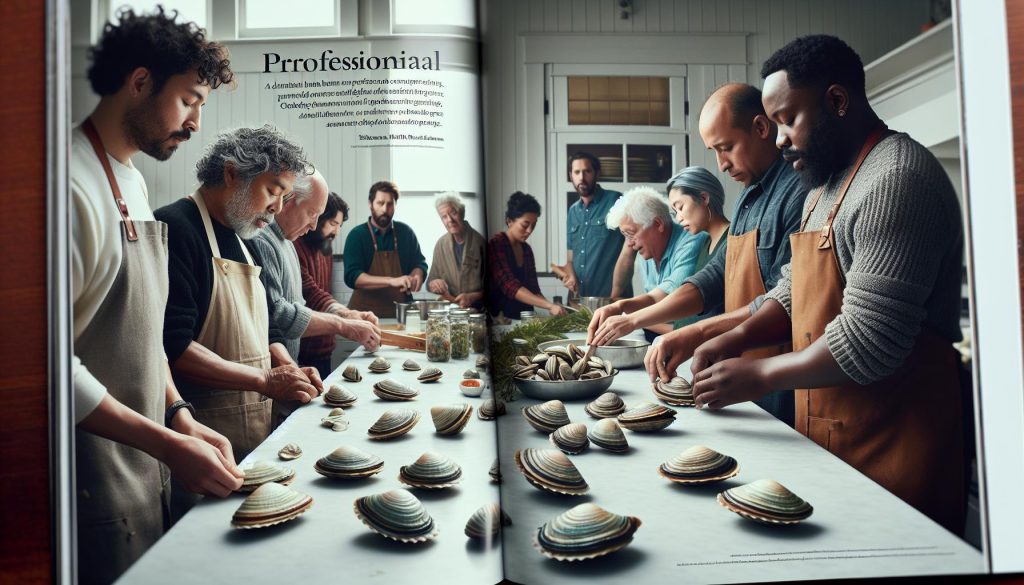
Next, you’ll need to open the shells. Using a clam knife, gently insert the blade into the hinge of the shell and twist to pry it open. Be sure to apply sufficient pressure to avoid damaging the meat inside. Once you’ve opened the clam, carefully remove the meat from the shell, discarding the harder parts, such as the siphon and the gut. Place the clean meat in a bowl of fresh water to keep it moist while you clean the rest.
After you’ve finished cleaning, give the clam meat another rinse under cold water to ensure it is free of any residual grit. Drain the clams well; you want them clean and ready to absorb flavors during cooking. With these simple steps, you’ll have beautifully cleaned razor clams that are ready to shine in your culinary creations.
Remember, fresh is best when it comes to razor clams! Use them right after cleaning for the finest taste, or store them in the refrigerator for a short period if necessary.
Classic Razor Clam Recipes Everyone Will Love
Razor clams are a delightful seafood choice, known for their tender, sweet flavor and unique texture. They are not just a treat for your taste buds but also offer a wide variety of cooking possibilities that any home chef can enjoy. Here are some classic recipes that highlight the deliciousness of razor clams, ensuring everyone at your table will love them.
One iconic dish is Razor Clam Chowder. This hearty soup combines diced potatoes, onions, and celery, simmered in a rich broth made from clam juice and stock. Simply add chopped razor clams, heavy cream, and seasonings to finish. The sweetness of the clams paired with the creaminess of the soup creates a winning combination that’s warm and comforting, perfect for any occasion.
Another simple yet flavorful preparation is Grilled Razor Clams. Start by cleaning and opening the clams, then marinate them in a mixture of olive oil, lemon juice, garlic, and herbs for about 30 minutes. Grill them over medium heat for about 4-5 minutes until they are pink and cooked through. Serve them with a drizzle of garlic butter for an irresistible side dish or appetizer.
For an elegant entrée, consider Razor Clams in White Wine Sauce. Sauté minced garlic and shallots in a pan with olive oil, then add the cleaned razor clams along with a splash of white wine and a squeeze of lemon juice. Cover and steam for about 5-7 minutes until the clams are open. This dish pairs beautifully with crusty bread to soak up the flavorful broth.
Finally, don’t overlook the appeal of Razor Clam Pasta. Cook your favorite pasta until al dente, and in the meantime, sauté chopped razor clams with garlic, red pepper flakes, and a splash of white wine. Toss the mixture with the drained pasta and finish with fresh parsley and a sprinkle of parmesan cheese. This is a quick, satisfying meal that showcases the delicate flavor of the clams.
These classic recipes are just a starting point. With their versatility, razor clams can easily be adapted to suit your preferences or highlight seasonal ingredients. Enjoy experimenting with flavors and techniques, and you’re sure to impress your guests with these delightful dishes.
Elevate Your Dish: Unique Razor Clam Preparations
To truly impress your dinner guests and elevate your razor clam dishes, think outside the box and explore some unique preparations that bring out their delicate flavor in creative ways. One delightful option is to make Razor Clam Ceviche. Start by soaking finely diced razor clam meat in a mixture of lime juice, diced tomatoes, onion, cilantro, and a hint of jalapeño for an hour. The acid in the lime will ‘cook’ the clams, transforming them into a bright and refreshing appetizer that’s perfect for warm evenings.
Another intriguing preparation is Razor Clam Tacos, which add a fun twist to traditional seafood offerings. Sauté minced garlic and shallots, then toss in your cleaned razor clams along with a splash of tequila and a squeeze of lemon juice. Once cooked, serve them in warm corn tortillas, topped with a crunchy slaw of cabbage, lime juice, and a drizzle of spicy crema. This dish not only showcases the clams but also brings together varied textures and flavors that delight the palate.
If you’re looking for something even more adventurous, consider Baked Razor Clams with Herb Butter. To prepare this dish, clean and open the clams and place them on a baking sheet. Blend softened butter with fresh herbs such as parsley, thyme, and dill, then spoon the mixture over each clam. Bake at 375°F (190°C) for about 10-12 minutes until the butter is bubbling and the top is golden. This preparation combines the richness of the herb butter with the sweet, briny flavor of the clams, creating a sophisticated yet simple dish.
Remember, part of creating a memorable meal is the presentation. Try serving your razor clams over a bed of fluffy rice or alongside a vibrant vegetable medley. Incorporating fresh ingredients like microgreens or edible flowers can enhance the visual appeal and elevate your dish’s overall experience. By experimenting with these unique preparations, you’ll transform razor clams from an everyday ingredient into the star of your culinary repertoire.
Flavor Pairings: What Goes Well with Razor Clams
Razor clams, with their tender texture and subtle flavor, harmonize beautifully with a variety of ingredients. To craft a memorable dish, consider pairing your razor clams with elements that enhance their natural brininess while balancing the overall taste profile. Here are some delightful flavor combinations that will elevate your razor clam recipes:
Start with bright, acidic components that bring out the clams’ sweetness. Juicy citrus fruits like lemon, lime, and even oranges can provide zesty brightness. Try incorporating lemon zest and juice in a marinade for ceviche, or finish a sautéed dish with a splash of fresh lime juice for a refreshing zing. Fresh herbs such as parsley, cilantro, and dill also add depth and freshness that complements the briny flavors wonderfully.
Next, think about textures and umami-rich ingredients. Creamy elements like avocado or rich cheeses can contrast beautifully with the delicate clam meat. For example, consider topping your razor clams with a dollop of avocado crema or mixing finely grated Parmesan into a breadcrumb topping for baked clams. On the umami front, you could use ingredients like miso, soy sauce, or even a touch of smoked paprika to add complexity to your dish.
Finally, consider serving your razor clams with impactful sides. Earthy vegetables such as roasted asparagus or earthy mushrooms can create a satisfying mix of flavors. For a heartier complement, try pairing them with creamy risottos or buttery pastas that soak up the clam’s natural juices. Adding a crunchy slaw of cabbage and carrots will not only provide texture but also a refreshing crunch that balances the soft clams beautifully.
To summarize, successful flavor pairings for razor clams revolve around balancing acidity, rich textures, and earthy components. By experimenting with these combinations, you’ll not only highlight the natural flavors of the clams but also delight your guests with a sophisticated yet approachable meal. Happy cooking!
Cooking Techniques: Grilling, Baking, and More
When it comes to preparing razor clams, your choice of cooking technique can elevate their natural flavors and create a delightful dining experience. Whether you’re grilling, baking, or sautéing, using the right method ensures that these delicate shellfish remain tender and flavorful.
Grilling razor clams is a fantastic option that imparts a smoky char, enhancing their natural brininess. To grill, simply preheat your grill to medium-high heat. Clean the clams thoroughly, then place them directly on the grill grates. Cook for about 3-5 minutes or until the shells begin to open. For added flavor, consider brushing them with a mixture of olive oil, minced garlic, and fresh herbs before grilling. This technique not only provides a delicious taste but also highlights the clams’ unique texture.
Baking is another excellent method that allows for more complex flavor combinations. Preheat your oven to 375°F (190°C) and prepare a baking dish with a layer of half-baked breadcrumbs, garlic, and sautéed vegetables. Arrange the clams on top, and sprinkle with Parmesan cheese for that irresistible crust. Bake for about 10-12 minutes until the clams are fully opened and the topping is golden brown. Be mindful not to overcook them, as this can lead to a rubbery texture.
Sautéing is a speedy technique perfect for quick weeknight meals. Start by heating a bit of oil or butter in a skillet over medium heat. Add cleaned razor clams and cook for about 5-7 minutes, stirring occasionally. You can add a splash of white wine or broth to create a flavorful sauce that complements the clams beautifully. Finish with fresh herbs like parsley or basil for brightness.
Incorporating these techniques into your cooking repertoire not only enhances the enjoyment of razor clams but also empowers you to explore various flavors and textures in your meals. Experiment with different methods to discover which you prefer and impress your friends and family with seafood dishes that shine. Happy cooking!
Storing and Freezing Razor Clams Safely
Keeping razor clams fresh and safe for cooking doesn’t have to be a daunting task. In fact, with the right storage and freezing methods, you can enjoy these delicious shellfish any time. First, it’s essential to handle razor clams with care right after you bring them home. Store them in a breathable container, such as a bowl or a container lined with a damp cloth, and keep them in the refrigerator. Do not store them in airtight containers, as they need to breathe. Ideally, consume fresh razor clams within 24 to 48 hours for the best quality and safety.
For longer storage, freezing razor clams is a great option, especially if you have a surplus. Here’s how to do it effectively:
Preparation for Freezing
- Clean the Clams: Before freezing, you should clean the razor clams thoroughly under cold, running water to remove any sand or grit.
- Talents: It’s possible to freeze razor clams either in their shells or shucked. If you decide to shuck them, discard any broken or damaged shells and rinse the meat gently.
Freezing Methods
- In-shell Freezing: Place the clean razor clams in a single layer on a baking sheet and freeze them. Once frozen, transfer them to a freezer bag or container, removing as much air as possible.
- Shucked Freezing: Portion the cleaned clam meat into vacuum-sealed bags or airtight containers, adding a bit of seawater or broth to keep them moist.
Storage Duration
Razor clams can be frozen for up to 3 months without losing too much quality. However, for the best flavor and texture, aim to use them within a month if possible.
Thawing Tips
When you’re ready to cook your frozen razor clams, the best method is to thaw them in the refrigerator overnight. If you’re short on time, you can also place them in a sealed bag and submerge them in cold water for 30-60 minutes. Quick thawing in hot water is not recommended, as it can alter the texture.
Being mindful of these storage and freezing techniques ensures you enjoy fresh, flavorful razor clams in your recipes, ranging from simple preparations to more complex dishes. With careful handling, your razor clams will not only taste great but also be a safe and enjoyable addition to your meals.
Health Benefits of Eating Razor Clams
Eating razor clams not only offers a delightful culinary experience but also comes with a range of health benefits that make them a worthy addition to your diet. These shellfish are packed with essential nutrients while being low in calories, making them an excellent choice for health-conscious eaters. Just three ounces of cooked razor clams provide approximately 70 calories, making them a guilt-free protein source.
One standout benefit is their high protein content. Razor clams are an excellent source of lean protein, which is crucial for muscle repair and growth. Additionally, they contain a variety of vitamins and minerals. They’re particularly rich in vitamin B12, which plays a vital role in nerve function and the production of red blood cells. Just a small serving of razor clams can provide over 100% of the daily recommended intake of this essential vitamin.
Razor clams are also a source of omega-3 fatty acids, known for their anti-inflammatory properties. Consuming foods rich in omega-3s can promote heart health and may even reduce the risk of chronic diseases such as heart disease and arthritis. The minerals found in razor clams, including iron and zinc, contribute to overall health by supporting immune function, improving oxygen transport in the blood, and aiding in wound healing.
Moreover, these delightful mollusks are low in fat and can promote a healthy balance in the diet. Incorporating razor clams into your meals not only adds flavor but also boosts nutritional profiles, helping you feel satisfied and nourished. With all these benefits, it’s clear that enjoying razor clams can be part of a balanced and health-conscious eating plan. As you explore different ways to prepare them, consider how these elements enhance your overall wellness while delighting your taste buds.
Common Mistakes to Avoid When Cooking Razor Clams
When it comes to cooking razor clams, avoiding common mistakes can make a significant difference in the quality of your dish. Many home cooks fall into similar traps that can lead to overcooked, bland, or gritty results. With a bit of awareness and preparation, you can elevate your razor clam meals from mediocre to mouthwatering.
One of the most frequent errors is overcooking the clams. Razor clams should be cooked only for a short time, typically just 2-3 minutes until they are opaque. Overcooking not only makes them tough but also strips them of their delicate flavor. Instead of cooking them for a long duration, focus on high heat and quick cooking methods, such as grilling or sautéing, to lock in flavor and texture.
Another common pitfall is failing to clean the clams properly before cooking. Razor clams can hold sand and grit inside their shells, which can lead to a gritty dining experience. It’s essential to soak the clams in salted water for at least 30 minutes before cooking. This soaking process allows them to expel any sand, ensuring that your dish is pleasant and clean. After soaking, give each clam a good scrub under running water to remove any remaining debris.
Seasoning is also critical, yet many people either under-season or over-season their clams. Given their natural briny flavor, you’ll want to enhance rather than overpower their taste. A sprinkle of sea salt, a dash of garlic, and a hint of lemon juice are often all you need. It’s always better to start light and build complexity gradually. You can always add more seasoning later but removing too much is impossible.
Lastly, consider plating and presentation. Serving clams in their shells can be visually appealing, but remember they should be served at the right temperature. If they cool down too much, they lose their appealing texture and taste. Serve them immediately after cooking, garnished with fresh herbs or citrus for a vibrant finish. Taking the time to avoid these common mistakes will not only improve the flavors of your dishes but also the overall experience for you and your guests.
Sustainable Sourcing: Where to Find Razor Clams
Finding razor clams can be a rewarding experience, both for the thrill of harvesting them and for the exquisite flavor they bring to your kitchen. Responsible sourcing is crucial to ensuring that these delicate treasures remain abundant for future generations. Here are some practical tips for sustainably sourcing razor clams.
First and foremost, it’s essential to check local regulations regarding clam harvesting. Many areas have specific seasons and limits on the number of clams you can collect, aimed at preserving local populations. Before you head out, visit your state’s fish and wildlife agency website to familiarize yourself with the rules. If you’re unsure about the best locations, your local fishing supply store or community forums can often provide insights on popular and sustainable harvesting spots.
When foraging for razor clams, prioritize areas known for their thriving marine ecosystems, such as sandy beaches and estuaries. These habitats not only support healthy clam populations but also reflect overall environmental health. Be mindful of the tides-going during low tide will improve your chances of finding clams, as they are more accessible in the sand. Bring a clam rake or a shovel and a bucket to collect your harvest efficiently.
If you prefer not to dig for your clams, many local seafood markets offer razor clams, which can be a sustainable alternative. Look for retailers that emphasize sustainable harvesting practices. This may include offerings from local fisheries that operate under strict environmental guidelines. You can often inquire directly about sourcing practices to ensure your clams are harvested responsibly.
Lastly, consider joining community-supported fisheries (CSFs) or buying directly from fishmongers who are committed to sustainable seafood practices. This not only supports local fishermen but also ensures that the seafood you purchase is fresh and harvested in an eco-friendly manner. By choosing to source your razor clams wisely, you’re not just treating yourself to a delightful meal, but also contributing to the health of the ocean and the longevity of this delectable delicacy.
Pairing Drinks and Sides with Razor Clam Dishes
When it comes to serving razor clams, the right pairings can elevate your dish from delightful to extraordinary. These tender, briny mollusks have a subtle sweetness that makes them incredibly versatile, allowing you to combine them with a variety of drinks and sides that enhance their flavor profile.
To complement the delicate taste of razor clams, consider serving them with crisp, refreshing drinks. White wines like Sauvignon Blanc or a light-bodied Pinot Grigio are excellent choices; their acidity cuts through the richness of the clams, enhancing the overall dining experience. For a non-alcoholic option, a sparkling water with a splash of lemon or a light herbal iced tea can cleanse the palate without overpowering the dish.
When it comes to side dishes, think about incorporating fresh, seasonal ingredients that won’t compete with the main attraction. A light, citrusy salad featuring arugula, fennel, and a simple vinaigrette can provide a delightful contrast to the clams. Additionally, serving steamed vegetables, like asparagus or green beans, dressed lightly with olive oil and a squeeze of lemon, keeps the meal vibrant and balanced.
For a heartier approach, consider pairing your razor clams with a creamy garlic risotto or a saffron-infused pasta. These sides can be subtly flavored to harmonize with the clams, allowing every bite to complement the seafood’s natural sweetness. By carefully selecting your drinks and sides, you can create a cohesive meal that highlights the unique qualities of razor clams, making your dining experience truly memorable.
FAQ
Q: What are the best methods for cooking razor clams?
A: The best methods for cooking razor clams include steaming, grilling, and baking. Each method enhances their delicate flavor while keeping them tender. For steaming, cook for 5-7 minutes until they open. Grilling adds a smoky flavor; simply grill for 3-5 minutes with a bit of oil. Baking can be done at 375°F for 10-15 minutes, especially if you add toppings like butter or herbs.
Q: How do you know when razor clams are done cooking?
A: Razor clams are done cooking when their shells open, indicating they are ready to eat. If using the steaming method, ensure you cook them for a few minutes after they open. Overcooking can result in a rubbery texture, so be vigilant to avoid this common mistake.
Q: Can you eat raw razor clams, and how should they be prepared?
A: Yes, you can eat raw razor clams, but ensure they are fresh and sourced from clean waters. To prepare, cleanse them thoroughly, then shuck. Serve raw with a squeeze of lemon and a dash of hot sauce for a refreshing appetizer.
Q: What should you serve with razor clams for a complete meal?
A: Pair razor clams with light side dishes such as a fresh green salad, garlic bread, or a citrus-infused rice. These sides complement the briny flavor of razor clams, enhancing the meal experience. For drink pairings, consider a crisp white wine or a light beer.
Q: How can razor clams be stored to maintain freshness?
A: Store razor clams in a cooler or refrigerator at temperatures between 32°F and 40°F. Use a breathable container, like a mesh bag, and avoid submerging them in water. Consume within two days for the best quality, or they can be frozen for longer storage.
Q: Are razor clams healthy, and what are their nutritional benefits?
A: Yes, razor clams are very healthy! They are low in calories and high in protein, making them an excellent source of nutrients. They also contain essential vitamins and minerals such as vitamin B12, iron, and omega-3 fatty acids, which support overall health and well-being.
Q: What is the easiest way to clean razor clams before cooking?
A: The easiest way to clean razor clams is to soak them in saltwater for 20-30 minutes to help purge any sand. After soaking, scrub the shells under cold running water. Rinse them until the water runs clear, ensuring they are free from grit before cooking.
Q: What common mistakes should I avoid when cooking razor clams?
A: Avoid overcooking razor clams, as this leads to a tough texture. Also, ensure they are fresh and properly cleaned to avoid sand and grit. Lastly, be mindful of seasoning; as they have a naturally briny taste, a little goes a long way.
These FAQs provide a comprehensive guide for anyone looking to explore razor clams in their cooking, ensuring both new and seasoned chefs find value in the preparation process. For further tips and recipes, check out sections on cooking techniques and classic recipes in our main article!
In Conclusion
Now that you’re armed with delicious recipes and essential tips for cooking razor clams, it’s time to dive into your culinary adventure! Whether you’re a seasoned cook or just starting out, these methods will help you create mouthwatering meals that impress family and friends. Don’t let the idea of preparing razor clams intimidate you-follow the straightforward guidelines we’ve outlined, and you’ll reap the tasty rewards.
Looking to deepen your seafood skills? Check out our articles on “The Best Seasonings for Shellfish” and “Easy Techniques for Cleaning Fresh Seafood” for more ideas and techniques. Have questions or want to share your own razor clam successes? We’d love to hear from you-drop a comment below!
Ready to explore more? Sign up for our newsletter for the latest recipes and cooking tips delivered straight to your inbox. Your next favorite dish could be just a click away! So, grab those clams, roll up your sleeves, and start creating delightful dishes today. Happy cooking!
Get our latest guides, news, and insights highlighted in your Google Search & AI Overviews.