
Did you know that the right salad dressing can transform a simple bowl of greens into a mouthwatering meal? Choosing the best salad dressing not only enhances flavor but can also boost the nutritional value of your dishes. With so many options available-ranging from creamy to vinaigrette-style-it’s essential to find dressings that align with your taste preferences and dietary goals. In this guide, we’ll explore how to pick tasty and nutritious dressings that cater to your needs, whether you’re looking to cut calories, increase healthy fats, or add a burst of flavor. By the end, you’ll have the confidence to elevate your salads and enjoy their health benefits more fully. Let’s dive in and discover some dressing secrets that can make every bite delicious!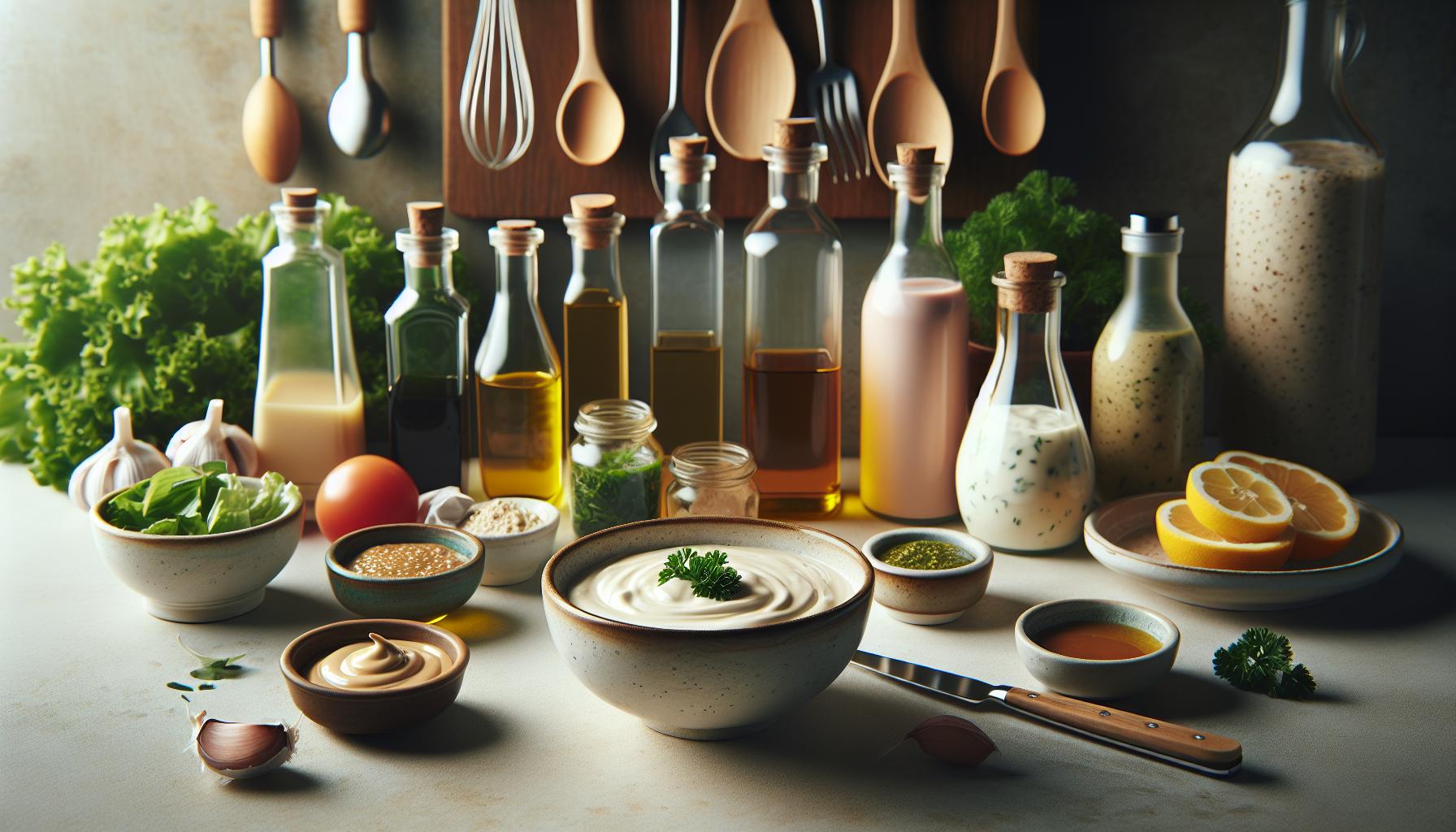
Choosing the Right Base for Your Salad Dressings
Choosing a base for your salad dressing can significantly influence the flavor, texture, and overall healthiness of your dish. Typically, the base falls into three primary categories: oil, vinegar, and creamy options. Each has its own unique qualities and benefits, and understanding these can help you tailor your dressing to complement the specific salad you’re preparing.
When considering an oil base, look for high-quality options like extra virgin olive oil, avocado oil, or nut oils like walnut or hazelnut. These oils not only provide a rich flavor but also deliver heart-healthy fats that can help absorb fat-soluble vitamins from your salad’s ingredients. A simple vinaigrette made of 3 parts oil to 1 part vinegar can serve as a versatile starting point, allowing you to customize flavors with various vinegars, herbs, or spices.
For a vinegar-based dressing, options like balsamic, apple cider, or red wine vinegar can provide a tangy kick, helping to brighten the salad. These dressings often include emulsifiers like mustard or honey, which aid in blending the ingredients together smoothly while also adding depth to the flavor.
Creamy dressings like ranch or blue cheese are often based on buttermilk, yogurt, or mayonnaise. While they can add a delightful texture and richness, they may also be higher in calories and saturated fats. To lighten these dressings, consider using Greek yogurt instead of mayonnaise or buttermilk, which will enhance the protein content while reducing fat.
By thoughtfully selecting your dressing base, you can create a harmonious balance of flavors that enhances your salad experience-tailoring it to your dietary preferences and flavor profiles you enjoy most.
Understanding Nutritional Labels on Dressings
To navigate the world of salad dressings effectively, understanding nutritional labels is essential. These labels provide crucial information that can help you make healthier choices and tailor your selections to your dietary preferences or restrictions. For instance, it’s important to note the serving size listed-many people unintentionally consume more dressing than intended, which can quickly lead to excess calories and fat.
When examining a nutritional label, pay particular attention to the calories per serving as well as the total fat content. Dressings can vary widely in calorie counts; some creamy dressings can exceed 100 calories per tablespoon, while lighter vinaigrettes may have closer to 30. Also, scrutinize the types of fat included-look for those with healthy fat sources, such as olive oil, and be wary of saturated fats and trans fats, which can affect heart health negatively.
Next, consider the sugar content. Many dressings, especially those that are marketed as “sweet” or ” honey-based,” may contain added sugars that can increase your calorie intake without providing necessary nutrients. A good rule of thumb is to opt for dressings that contain less than 5 grams of sugar per serving. Additionally, look for sodium levels; dressings can be surprisingly high in salt, which can contribute to high blood pressure if consumed in excess. Aim for dressings that have less than 300 milligrams of sodium per serving.
Finally, don’t overlook the ingredient list. A shorter list typically suggests fewer preservatives and additives. Focus on dressings made from whole ingredients such as oils, vinegar, herbs, and spices. Choosing dressings with recognizable ingredients can enhance the nutritional quality of your salads while adding flavor without unnecessary chemicals. By educating yourself on how to read and interpret nutritional labels, you’re better equipped to select dressings that not only taste great but also align with your health goals.
Homemade vs. Store-Bought: Pros and Cons
When it comes to salad dressings, choosing between homemade and store-bought options can significantly affect both the flavor and nutritional quality of your salads. Understanding the pros and cons of each can help you make an informed decision based on your lifestyle and taste preferences.
Homemade dressings offer a world of customization and freshness. By whipping up your own vinaigrettes or creamy blends, you can control the ingredients and portion sizes to suit your dietary needs or flavor profiles. For instance, using high-quality olive oil, fresh herbs, and seasoning allows for a dressing that’s packed with nutrients and free from preservatives often found in bottled versions. Making a basic vinaigrette is as simple as whisking together equal parts vinegar and oil, and you can easily adjust to your preferred taste by adding mustard, honey, or garlic. Moreover, homemade dressings can be made in small batches, ensuring they’re fresh and flavorful each time.
On the flip side, store-bought dressings provide convenience, which can be a major advantage when time is limited. They come in a wide variety of flavors and types, making it easy to grab something that fits your salad’s theme without extra prep work. However, many store-bought options may contain added sugars, artificial flavors, and preservatives that can compromise their nutritional value. Always reading the labels is crucial to avoid unexpected ingredients. Additionally, while some products are marketed as “healthy,” they can still be high in sodium or sugar, so it’s important to choose wisely.
Ultimately, the choice between homemade and store-bought dressings depends on your priorities. If you value freshness, control over ingredients, and versatility, homemade is likely the way to go. However, if convenience and variety are your main concerns, there’s nothing wrong with reaching for a store-bought option, as long as you’re mindful of its ingredients. Balancing both approaches can also be an effective strategy-make your own for special occasions and use store-bought for everyday meals to find a rhythm that works for you.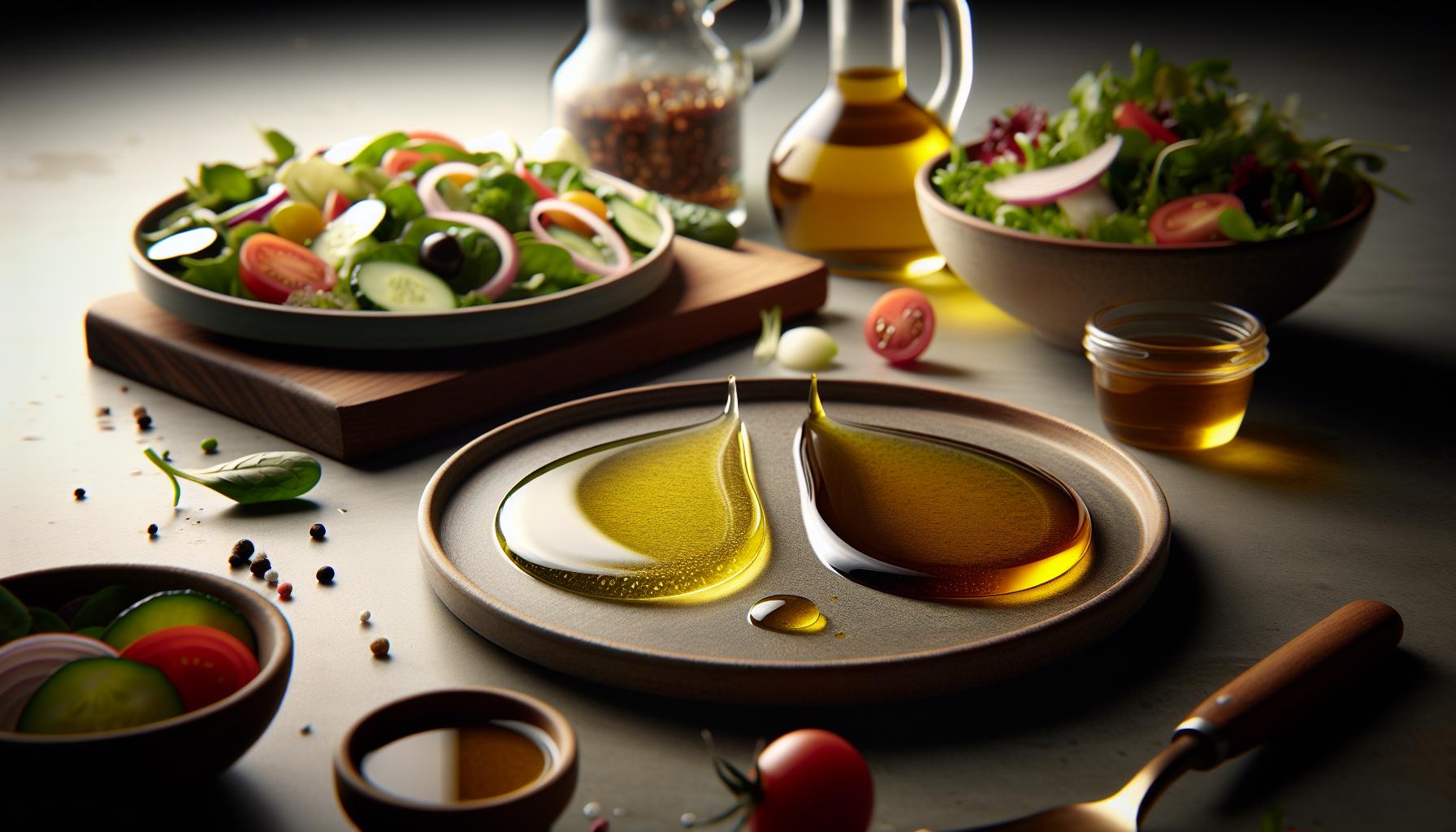
Oil-Based vs. Vinegar-Based Dressings Explained
Understanding the differences between oil-based and vinegar-based dressings can elevate your salad-making game, allowing you to pick or create dressings that enhance the flavors and textures of your dishes while optimizing their health benefits. Each type serves unique purposes and can be customized for different palettes or nutritional goals.
Oil-based dressings, often called vinaigrettes, are generally made from a combination of oils (like olive, avocado, or sesame) and flavoring agents such as herbs, spices, and mustard. These dressings are creamy and rich, providing a satisfying mouthfeel. They also serve as a vehicle for healthy fats, which can help with the absorption of fat-soluble vitamins (A, D, E, and K) present in salads. To make a simple oil-based dressing, whisk together three parts oil to one part vinegar, and feel free to add garlic, shallots, or even honey for depth. This versatility allows for endless variations-try mixing in citrus juices for brightness or crushed nuts for added texture.
Conversely, vinegar-based dressings are lighter and often tangier, with vinegar as the primary ingredient. Common types include balsamic, apple cider, or red wine vinegar, which can instantly brighten up a salad and balance rich components like cheese or avocado. These dressings are typically lower in calories and can be an excellent choice for those looking to reduce their fat intake. A straightforward approach to vinegar-based dressing is mixing a tablespoon of vinegar with a teaspoon of mustard and using water or broth to dilute if desired. The sharpness of the vinegar can elevate the overall taste, especially in salads featuring robust ingredients like kale or hearty grains.
When deciding which to use, consider both the ingredients in your salad and your personal preferences. If your salad is filled with hearty vegetables and grains, an oil-based dressing can provide a smooth, all-encompassing flavor. In contrast, for a lighter winter salad featuring delicate greens, a vinegar-based dressing can add a refreshing punch. Ultimately, combining both types can create a delightful layering of flavors-perhaps an oil-based dressing for creaminess, followed by a splash of vinegar for brightness.
Experimenting with both styles can lead to delicious discoveries, allowing you to find the perfect balance for every salad. Whether you prefer the richness of oil or the zing of vinegar, understanding these foundational differences will help you craft tasty and nutritious dressings every time.
Exploring Creamy Dressings: Healthier Alternatives
Creamy dressings are often a crowd-pleaser, adding a rich texture and flavor to salads that can make them feel indulgent. However, traditional creamy options like ranch or blue cheese can be high in calories, unhealthy fats, and preservatives. Thankfully, there are plenty of delicious and healthier alternatives that provide the same creamy satisfaction without derailing your nutrition goals.
One popular alternative is to use Greek yogurt. It offers a tangy flavor and a thick texture, making it an excellent base for ranch-style and Caesar dressings. Simply mix one cup of Greek yogurt with fresh herbs like dill or parsley, a splash of lemon juice, and a pinch of salt for a delightful dressing that packs a protein punch. Not only is this option lower in fat, but it also boosts the overall nutritional value of your salad.
Another great option is to utilize avocado as a base. When blended, avocado becomes incredibly creamy while providing healthy fats and fiber. An easy recipe involves blending one ripe avocado with lime juice, cilantro, and a bit of garlic for a fresh and zesty dressing. This not only enhances the creaminess but also adds beneficial nutrients that support heart health.
If you enjoy the classic taste of creamy dressings, consider using nut-based creams, like those made from cashews. Soaking cashews and blending them with water, garlic, and nutritional yeast creates a rich, balsamic dressing. This offers a similar mouthfeel with additional health benefits due to the nuts’ healthy fats and nutrients.
In addition to choosing healthier bases, it’s also about balancing flavors and trying out different herbs and spices. Ingredients like nutritional yeast can mimic cheesy flavors without the dairy, while apple cider vinegar adds a bright tang. Experimenting with these unique bases can transform your salads into something special while keeping your health on track.
Key Takeaways:
- Use Greek yogurt for a protein-rich creamy dressing.
- Blend avocado for a healthier fat alternative.
- Try nut-based creams for a dairy-free option while maintaining richness.
- Enhance flavors with fresh herbs and zesty ingredients for a nutritious boost.
Exploring these healthier alternatives can lead to exciting discoveries in your kitchen, helping you enjoy salads that are both tasty and nutritious without feeling guilty.
The Best Herbs and Spices to Enhance Dressings
A vibrant salad can be elevated from ordinary to extraordinary simply by incorporating the right herbs and spices into your dressings. These flavor powerhouses not only enhance the taste but can also bring additional health benefits, making your salads more nutritious and satisfying.
Start with familiar options like basil, cilantro, and parsley. Fresh herbs can transform the flavor profile of any dressing. For instance, adding freshly chopped basil to a simple vinaigrette gives it a fragrant, sweet note that pairs beautifully with summer salads loaded with tomatoes. Meanwhile, cilantro adds a bright, zesty twist to creamy dressings, especially in avocado-based recipes. Parsley, often underrated, offers a fresh, mild flavor that can lighten dressings and enhance other ingredients.
Don’t overlook spices like smoked paprika or cumin, which can add depth and complexity. A touch of smoked paprika can introduce a subtle smokiness that complements roasted vegetables perfectly. Similarly, a pinch of ground cumin can impart a warm, nutty flavor, making it a great choice for dressings that accompany hearty salads with grains like quinoa or farro.
For those interested in a bit of a kick, consider adding red pepper flakes or freshly grated ginger. Red pepper flakes bring heat and are an excellent way to make your dressing stand out, especially in Asian-inspired salads. Similarly, ginger provides a spicy yet refreshing element that pairs well with sesame or soy-based dressings.
Lastly, don’t underestimate the power of citrus zests such as lemon, lime, or orange. Just a teaspoon of zest can invigorate a dull dressing, imbuing it with a bright, lively flavor. This is particularly effective in oil-based dressings where a splash of acidity can balance out the richness of the oil.
By thoughtfully selecting and experimenting with various herbs and spices, you can easily craft dressings that boost both flavor and nutrition. Next time you whip up a salad, consider these tips to make your dressing not just a topping but an integral part of the meal experience.
Top 5 Salad Dressing Recipes to Try at Home
Crafting your own salad dressings at home can elevate your meals in flavor and nutrition, while also allowing you to control the ingredients. Here are five delightful salad dressing recipes you can easily whip up in your kitchen, perfect for pairing with your favorite greens or any side dish.
Lemon-Herb Vinaigrette
This vibrant dressing combines the zestiness of lemon with fresh herbs for an irresistible flavor boost. Whisk together:
– 1/4 cup lemon juice
– 1/2 cup olive oil
– 1 tablespoon honey
– 2 tablespoons chopped fresh herbs (like basil, parsley, or cilantro)
– Salt and pepper to taste
Use this dressing to brighten up a classic garden salad or drizzle over grilled veggies.
Honey-Mustard Dressing
Sweet and tangy, this creamy dressing pairs well with crunchy salads. In a bowl, mix:
– 1/3 cup honey
– 1/3 cup Dijon mustard
– 1/4 cup apple cider vinegar
– 1/2 cup olive oil
– Pepper to taste
This dressing is also excellent as a marinade for chicken or fish, making it a versatile staple in your kitchen.
Avocado Green Goddess Dressing
Creamy and packed with flavor, this dressing is a healthier alternative to store-bought options. Blend together:
– 1 ripe avocado
– 1/2 cup plain Greek yogurt
– 2 tablespoons lemon juice
– 1 tablespoon chopped fresh herbs (e.g., chives, parsley)
– Salt and pepper to taste
This richness complements a simple salad, or you can use it as a dip for fresh vegetables.
Spicy Tahini Dressing
If you’re looking for a nutty and spicy option, this tahini-based dressing is the way to go. Mix the following in a jar:
– 1/4 cup tahini
– 2 tablespoons soy sauce
– 1 tablespoon sriracha or red pepper flakes
– 2 tablespoons lemon juice
– Water to thin (if needed)
This dressing is perfect for drizzling over grain salads or using in coleslaws for added depth.
Classic Balsamic Vinaigrette
Simple yet satisfying, this dressing is a go-to recipe for many. Combine:
– 1/4 cup balsamic vinegar
– 3/4 cup olive oil
– 1 teaspoon Dijon mustard
– Salt and pepper to taste
This vinaigrette works beautifully with various salad combinations and can even be used to dress roasted vegetables.
With these recipes, you’ll not only save money and time but also ensure that your salads are made with wholesome ingredients. Feel free to experiment with various herbs and spices to customize them to your liking!
How to Customize Dressings for Dietary Needs
If you’re navigating dietary restrictions or simply looking to make healthier choices, customizing your salad dressings can be a game changer. By understanding what goes into your dressings, you can easily adapt recipes to fit your specific nutritional needs without sacrificing flavor. Here are some straightforward ways to tailor your dressings.
Start with the base. Traditional salad dressings often utilize oils and vinegars, which are typically gluten-free and dairy-free. If you’re following a vegan diet, opt for plant-based alternatives like avocado oil or apple cider vinegar instead of buttermilk or other dairy products. For a lighter option, consider using yogurt or blended silken tofu to create creaminess without the extra calories and fat.
Next, think about sweeteners. Many dressings call for sugar or honey, which can be swapped for natural alternatives like maple syrup, agave nectar, or stevia, depending on what fits your dietary goals. If you’re watching your sugar intake, opt for unsweetened versions of dressings or simply reduce the amount of sweetener in the recipe.
Lastly, bite into the flavors that suit your palate while catering to any dietary restrictions. Fresh herbs and spices can elevate even the simplest dressings without anyone noticing they’re healthier. If you’re trying to reduce salt intake, enhance flavor with acid like lemon juice or vinegars, such as balsamic or red wine vinegar, which can help balance the taste profile without added sodium.
Incorporating these tips not only helps create dressings tailored to your dietary needs but also makes the process of dressing your salads enjoyable and creative. Embrace the opportunity to experiment, and you’ll find it easy to whip up delicious, nutritious dressings that everyone can enjoy.
Balancing Flavor: Sweet, Savory, and Tangy Elements
To create a delicious salad dressing, achieving a balance of sweet, savory, and tangy flavors is key. A well-rounded dressing elevates your salads, making them not just nutritious but also a mouthwatering centerpiece. Each flavor element plays a unique role in enhancing the overall taste, so let’s explore how to perfectly balance these components.
Sweetness can be derived from various sources, such as honey, maple syrup, or even fruits. For example, a splash of orange juice or a few chopped strawberries can add a refreshing sweetness that complements the acidity of your dressing. This contrast is essential; consider how sweetness can soften the bite of vinegar or citrus, creating a more rounded flavor. Using just a hint can transform a good dressing into a great one, but remember to balance sweetness with the other elements for harmony.
Savory flavors are often imparted by ingredients like garlic, mustard, or the umami depth of soy sauce or nutritional yeast. These ingredients not only enhance the overall flavor but also provide depth that can make a simple blend of oil and vinegar feel more substantial. A bit of Dijon mustard, for instance, adds both a savory kick and creaminess when whisked with oil and vinegar, perfect for green salads or grain bowls.
Tanginess is where the magic happens. This element can come from various sources, including vinegars-like balsamic, red wine, or apple cider vinegar-and citrus juices, such as lemon or lime. These ingredients not only brighten the dressing but also help cut through the richness of any fats used, balancing and enhancing the salad’s freshness. Just a tablespoon of tangy vinegar can enhance the crispness of fresh herbs and veggies, making every bite a delightful experience.
When crafting your dressing, it’s helpful to start with a basic ratio, such as 3 parts oil to 1 part acid, and then adjust according to your taste preferences. Don’t shy away from tasting as you go! If your dressing feels too sweet, add an extra squeeze of lemon. If it’s too tangy, a drizzle of honey can bring it back to a balanced flavor profile. By experimenting, you can create the perfect dressing that complements your salads, satisfying your palate while maintaining a flair for creativity.
Storing Salad Dressings for Freshness
Storing your salad dressings properly is essential for maintaining their flavor and freshness. Did you know that homemade dressings can last up to a week in the refrigerator? However, the exact storage time can depend on the ingredients used. Dressings containing fresh ingredients, like herbs or garlic, may not last as long. Always keep an eye on the smell and color to ensure they’re still good.
One of the best practices is to store dressings in airtight containers. Glass jars with lids, such as mason jars, are excellent choices since they seal well and allow you to see the contents. If you’re storing oil-based vinaigrettes, remember that the oil can solidify in the fridge. It’s perfectly normal; just let your dressing sit at room temperature for a few minutes and shake it well before using. On the other hand, creamy dressings might separate over time. A quick whisk or shake will usually restore their consistency.
For those who enjoy making larger batches of dressing, consider labeling your containers with the date they were made. This way, you can easily track their freshness. Also, if you notice any unusual changes, such as off smells or discoloration, it’s safer to discard them. You can also extend the life of dressings by opting for vinegar or lemon juice bases, as their acidity helps preserve the contents.
In short, proper storage is key to enjoying delightful, flavorful salads. Always prioritize freshness, store in airtight containers, and don’t forget to check for quality before adding your homemade or store-bought dressings to your favorite greens!
Using Dressing Wisely: Portion Control Tips
Using salad dressings wisely can transform your meal experience, ensuring that every bite is flavorful while helping you maintain a healthy balance. Surprisingly, many people don’t realize that a little dressing can go a long way. Understanding portion control with dressings not only enhances flavor but also keeps calories in check, allowing you to enjoy your salads without guilt.
One effective strategy for portion control is to use a measuring spoon or cup when adding dressing to your salad. Generally, aim for about 1 to 2 tablespoons per serving, which is often enough to coat the greens without overpowering them. This amount can vary based on the type of dressing – vinaigrettes typically require less than creamy options. To make it easier, consider keeping a dedicated measuring spoon near your salad preparation area, so it’s readily accessible.
Another method is to drizzle dressing on the side rather than pouring it directly onto your salad. This way, you can dip your fork into the dressing before taking a bite, allowing for a more controlled intake and a chance to enjoy the flavors without overwhelming your greens. You might be surprised at how much you enjoy the salad itself without the dressing drowning the ingredients.
Finally, consider creating your own salad dressing sprays by combining your dressing in a spray bottle. This allows you to evenly mist your salad with dressing, completely avoiding the potential for over-saturation. Using this method can help you develop a better sense of how much dressing you truly prefer while still keeping your salad light and healthy.
Ultimately, the key to enjoying salad dressings lies in being mindful of how much you use. With these tips, you can savor your salads more consciously, ensuring each meal is both satisfying and nutritious.
Pairing Dressings with Different Salad Types
Choosing the right dressing can elevate any salad, but knowing which type works best with specific salad styles is crucial for crafting a delicious and harmonious dish. Just like the perfect pair of shoes can enhance an outfit, the right dressing not only adds flavor but also complements the textures and ingredients of the salad, making it a more enjoyable experience.
When it comes to greens, a variety of dressings can work wonders. For classic leafy green salads, vinaigrettes are a popular choice. Their acidity balances the flavor of the greens without overwhelming them. A simple lemon vinaigrette or a balsamic dressing pairs beautifully with delicate arugula or crunchy romaine. On the other hand, creamy dressings like ranch or blue cheese dressings are perfect for more substantial salads that feature proteins such as grilled chicken or bacon. These dressings add richness, making them ideal for chopped salads loaded with hearty ingredients.
Fruit salads present a wonderful opportunity to get creative with dressings. A light citrus vinaigrette can enhance the sweetness of fruits like strawberries and oranges, while a yogurt-based dressing with honey can add creaminess and a touch of sweetness, perfectly complementing salads featuring apples or pears. For salads with earthy tones, like those containing roasted beets or nuts, consider a maple balsamic vinaigrette; its nuances will add depth to the dish.
Lastly, when experimenting with grain-based salads, such as quinoa or farro salads, a zesty dressing can tie all the components together. A lemon-tahini dressing, for example, provides a nutty and slightly tangy flavor that complements the grains and veggies beautifully. It gives a fresh, clean bite especially when mixed with vibrant ingredients like cherry tomatoes and cucumbers.
By understanding which dressings work best with your chosen salad type, you can ensure every bowl is not just a meal but a delightful culinary experience. Enjoy mixing and matching until you find your perfect pairings!
Q&A
Q: What should I look for when choosing a low-calorie salad dressing?
A: When selecting a low-calorie salad dressing, check for a short ingredient list with healthy fats, like olive oil, and minimal added sugars. Look for dressings that use vinegar or citrus as a base instead of creamy ingredients. Always review the nutrition label to ensure the calories align with your dietary goals.
Q: How can I enhance my salad dressing’s flavor without adding calories?
A: Enhance your salad dressing’s flavor with fresh herbs, spices, or citrus juice instead of caloric ingredients. Herbs like basil and cilantro, along with spices like cumin or paprika, can add depth without extra calories. A splash of lemon or lime juice can brighten the dressing for a refreshing taste.
Q: What are the benefits of using homemade salad dressings over store-bought?
A: Homemade salad dressings allow you to control the ingredients, ensuring they are fresh and tailored to your taste preferences. You can avoid preservatives, added sugars, and unhealthy fats typically found in store-bought options, making them a healthier and often tastier choice.
Q: How do I pick a salad dressing for a specific diet, like keto or vegan?
A: For a keto diet, choose dressings high in healthy fats, such as oil-based dressings without sugars. For a vegan diet, opt for plant-based dressings that use olive oil, avocado, or tahini. Always check labels to ensure they meet your dietary needs and avoid animal products.
Q: What are the best types of oils to use in homemade salad dressings?
A: The best oils for homemade salad dressings include extra virgin olive oil, avocado oil, and walnut oil. These oils not only provide healthy fats but also add distinct flavors that can elevate your salad. They are rich in omega-3 fatty acids and antioxidants, making your dressing nutritious.
Q: How long can I store homemade salad dressings?
A: Homemade salad dressings can typically be stored in the refrigerator for up to one week. To maintain freshness, store them in an airtight container and shake well before use. Always check for any off-smells or changes in texture before consuming.
Q: Are there any specific ingredients to avoid in salad dressings?
A: Avoid salad dressings containing high fructose corn syrup, artificial preservatives, and trans fats. These ingredients can add unnecessary sugars and unhealthy fats that diminish the health benefits of your salad. Aim for dressings with natural ingredients and fewer additives.
Q: How can I make a salad dressing more creamy without adding traditional dairy?
A: To make a creamy salad dressing without dairy, use ingredients like Greek yogurt, silken tofu, or avocado. These alternatives provide a rich texture while offering healthy fats and protein, ensuring your dressing remains nutritious and satisfying.
The Way Forward
Now that you’re equipped with the knowledge to choose the best salad dressings, why not put your newfound expertise to the test? Experiment with different flavor profiles to find your perfect match. Consider checking out our articles on 27 Best Salad Recipes & Ideas and 18 Easy Tomato Salad Recipes & Ideas for inspiration that complements your dressing choices.
Remember, wholesome salads not only taste great but also contribute to a balanced diet, making your meals both tasty and nutritious. Don’t hesitate-start exploring these delicious options today and share your favorite combinations in the comments below! For even more tips on achieving culinary satisfaction, subscribe to our newsletter for exclusive content and updates. Your journey to the best salad experience starts now!
Get our latest guides, news, and insights highlighted in your Google Search & AI Overviews.