
Are Razor Clams in Season on the WA Coast? Harvest Guide

Discover if razor clams are in season on the WA Coast! Learn how to harvest them with our expert guide and prepare for your next beach adventure!
Can I Make Oil Cleanser at Home? Simple DIY Recipe

Unlock glowing skin with our simple DIY oil cleanser recipe! Learn how to make your own at home and experience the benefits of natural ingredients today!
How to Make an Oil Cleanser at Home: Easy DIY Recipe
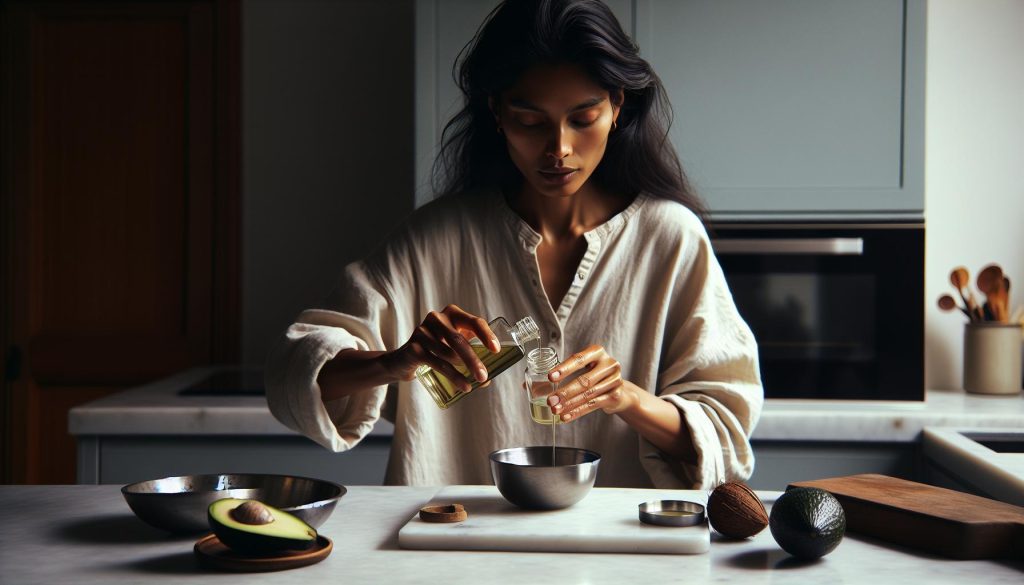
Transform your skincare routine! Discover how to make an oil cleanser at home with this easy DIY recipe. Say goodbye to makeup and dirt effortlessly!
How to Prepare Razor Clams for Cooking: Easy Cleaning Method

Discover the easiest method to prepare razor clams for cooking! Learn to clean them quickly and effortlessly for mouthwatering dishes. Don’t miss out!
Can You Make Slime With Barbasol Soothing Aloe Cream?
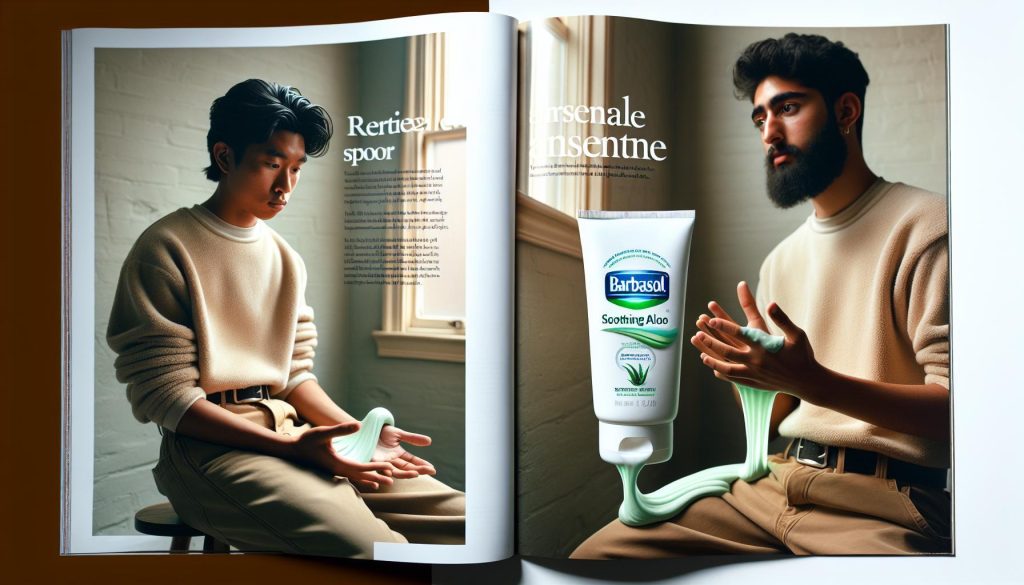
Can you make slime with Barbasol Soothing Aloe Cream? Discover this fun DIY recipe for a squishy, satisfying craft that’ll thrill kids and adults alike!
Never Let Anyone Poison Your Peace – Guard Your Mental Space

Protect your mental space-discover how to never let anyone poison your peace. Learn actionable tips to reclaim serenity and live a happier life today!
How to Make Kids Makeup at Home with Safe Ingredients

Discover how to make kids makeup at home with safe ingredients! Get simple, fun recipes that spark creativity and keep your child safe from harsh chemicals.
How to Cook Razor Clams: Delicious Recipes and Preparation Tips

Unlock the secrets of cooking razor clams! Discover mouthwatering recipes and essential tips that elevate your seafood game. Dive in and impress your guests today!
Never Let Anyone Borrow Money – Protect Your Financial Peace

Protect your financial peace! Learn why you should never let anyone borrow money. Discover effective strategies to safeguard your savings and maintain stability.
Are Pickles a Palate Cleanser? Surprising Culinary Facts

Are pickles a palate cleanser? Discover how these tangy delights can elevate your dining experience and learn surprising culinary facts. Click to find out!
Foundational Pillars (Start Here)
Can I Make Oil Cleanser at Home? Simple DIY Recipe
Detailed analysis covering technique, safety benchmarks, and optimal results for this grooming topic.
How to Make an Oil Cleanser at Home: Easy DIY Recipe
Detailed analysis covering technique, safety benchmarks, and optimal results for this grooming topic.
Can You Make Slime With Barbasol Soothing Aloe Cream?
Detailed analysis covering technique, safety benchmarks, and optimal results for this grooming topic.
How to Make Kids Makeup at Home with Safe Ingredients
Detailed analysis covering technique, safety benchmarks, and optimal results for this grooming topic.
Cosmetic Formulation Science: Emulsification, Microbial Safety & Carrier Oil Profiles
Formulating cosmetic preparations at home bridges herbal chemistry with modern dermatological safety. The primary technical challenge in DIY cosmetics is the interplay between anhydrous (water-free) and aqueous (water-containing) systems. While pure anhydrous formulations—such as cleansing oils and botanical balms—are naturally resistant to bacterial proliferation, any formulation containing water, aloe vera, or floral hydrosols immediately requires broad-spectrum cosmetic preservatives to prevent Aspergillus and Pseudomonas contamination.
Selecting carrier oils requires matching lipid fatty acid profiles to cutaneous needs. High-linoleic acid oils (such as evening primrose, safflower, and rosehip) exhibit dry sensory characteristics that absorb quickly without clogging comedones, making them optimal for acne-prone skin. High-oleic acid oils (avocado, sweet almond, olive) deliver rich, deeply emollient occlusivity suited for dry or mature skin. Understanding comedogenicity ratings and thermal stability ensures that homemade preparations remain safe and effective.
| Formulation Class | Base Carrier Ingredients | Preservation / Stability Protocol | Primary Cosmetic Function |
|---|---|---|---|
| DIY Cleansing Oil | Jojoba Oil, Caprylic Triglycerides, Polysorbate 80 (10%) | Anhydrous; add 0.5% Tocopherol (Vitamin E) for anti-rancidity | Dissolves waterproof makeup & oxidized sebum with water rinse |
| Child-Safe Play Cosmetics | Arrowroot powder, organic cocoa, beetroot powder, shea butter | 100% Edible food-grade; store dry away from moisture | Non-toxic, talc-free, hypoallergenic pretend play makeup |
| Botanical Soothing Balm | Beeswax or Candelilla wax, Calendula infused oil, Squalane | Anhydrous matrix; store in dark amber glass jars | Intensive lip, cuticle, and cracked heel barrier protection |
| Colloidal Bath Soak | Ultra-fine colloidal oat flour, Epsom salt, dry coconut milk | Moisture-free powder; seal in airtight humidity-proof tin | Anti-inflammatory whole-body soothing for eczema and dry skin |
Mastering style, formulations, and personal grooming requires understanding biological architecture alongside sartorial principles. By respecting skin physiology and garment geometry, individuals can cultivate enduring confidence and refined aesthetic elegance.
Topic Directory & Methodologies
Essential Guides & Fundamentals
Frequently Asked Questions
Can you make a true oil cleanser at home that rinses off with water?
Yes. Blending 85% carrier oils (such as jojoba and sunflower oil) with 10% to 15% of a gentle emulsifier like Cromollient SCE or Polysorbate 80 allows the oil to instantly turn into a milky emulsion upon contact with water, rinsing completely clean without greasy residue.
Why is kitchen-made makeup safer for young children than toy store makeup?
Many cheap imported children's play makeup kits have tested positive for heavy metals, talc contaminated with asbestos, and synthetic dyes. Homemade play cosmetics utilize 100% natural, food-grade ingredients like arrowroot, mica, cocoa, and coconut oil that are safe for young, sensitive skin.
How long do homemade skincare products stay fresh?
Anhydrous balms and facial oils containing vitamin E typically remain fresh for 6 to 12 months when kept away from water droplets. Any water-based DIY toner, lotion, or mask must be refrigerated and used within 5 to 7 days unless formulated with a validated broad-spectrum preservative.
Why should you never use pure lemon juice or baking soda on your face?
Lemon juice has an extreme acidic pH (~2.0) that causes severe chemical burns and phytophotodermatitis when exposed to sunlight. Baking soda has an alkaline pH (~9.0) that destroys the skin's acidic lipid barrier. Always formulate with pH-balanced ingredients.