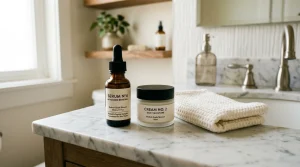
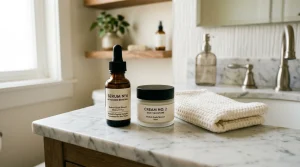
Razor bumps are a common yet frustrating issue that many face after shaving. Did you know that up to 80% of individuals who shave regularly experience this uncomfortable irritation? Whether you’re a seasoned shaver or just starting your grooming journey, understanding how to effectively treat razor bumps is essential for achieving smooth, healthy skin. The good news is that numerous treatment options are available, ranging from simple home remedies to specialized skincare products. In this article, we’ll delve into the most effective methods to eliminate those pesky bumps, allowing you to confidently achieve your desired look without the discomfort. Let’s explore innovative solutions that meet your needs and help restore your skin’s natural beauty. Your journey to bump-free skin starts here!
What Are Razor Bumps and Why Do They Happen?
Razor bumps, clinically known as pseudofolliculitis barbae, can be more than just an annoying after-effect of shaving; they can be painful and unsightly, leading many to seek effective solutions. These bumps occur when hair grows back into the skin instead of straight out, causing inflammation and irritation. This situation can often arise after you shave, wax, or tweeze, as hair might take a more challenging route back to the surface, especially if it’s curly or coarse.
Understanding why razor bumps happen is crucial to preventing and treating them. When hair is cut too closely to the skin, it may curl back and penetrate the follicle, leading to red, itchy bumps. This irritation can be exacerbated by shaving techniques, such as using a dull blade or shaving against the grain. Moreover, individuals with sensitive skin or a history of acne are typically more prone to developing these bumps.
To mitigate the occurrence of razor bumps, taking preventive measures can make a significant difference. Introducing proper shaving practices – such as using a sharp razor, moisturizing the skin before shaving, and applying soothing aftercare products – can help ensure a smoother experience. These steps are particularly important for those with curly hair, as their natural texture can more easily lead to ingrown hairs. By adjusting your shaving routine and being mindful of the techniques you use, you can significantly reduce the likelihood of encountering razor bumps in the future.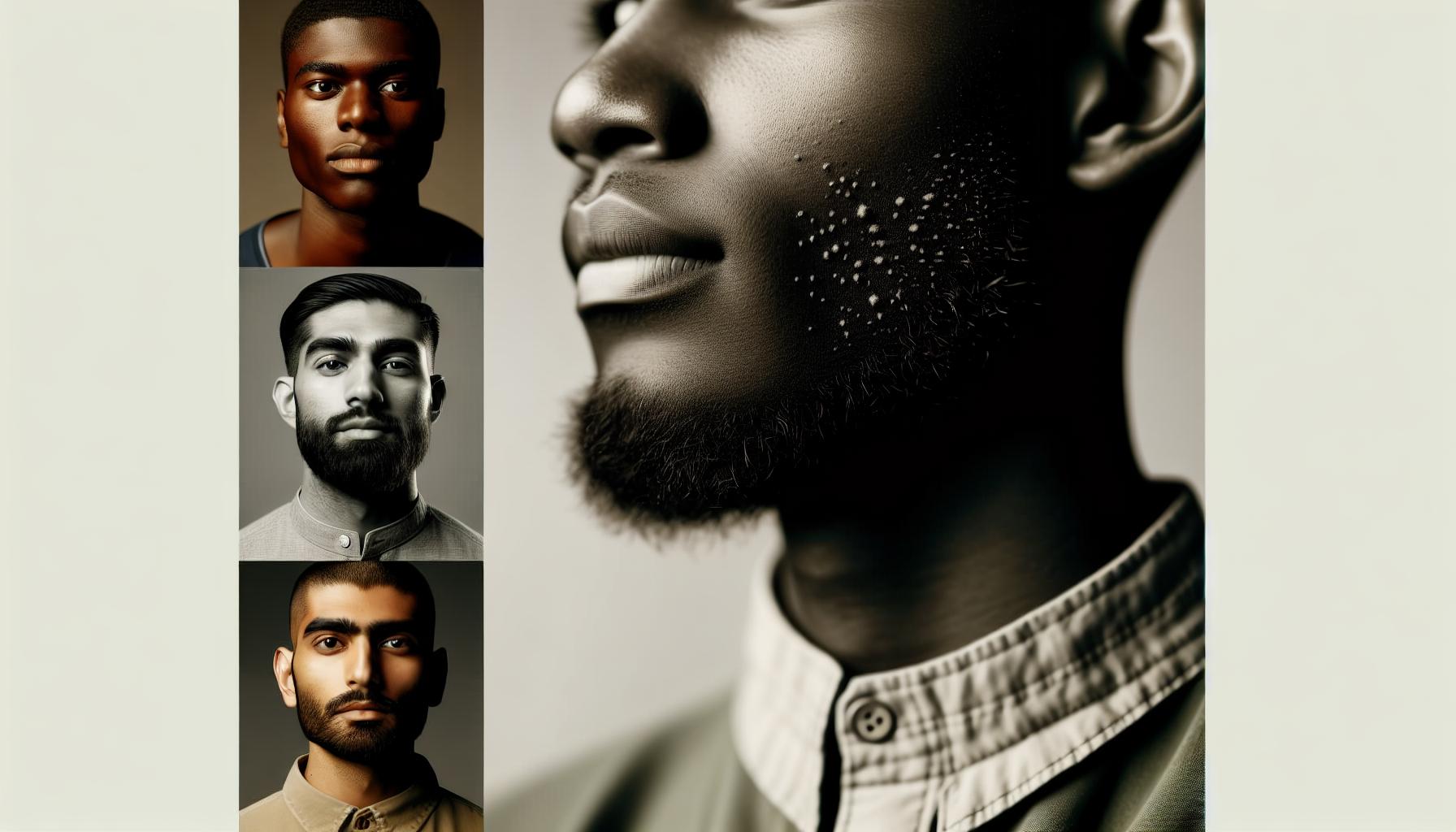
Identifying the Most Common Causes of Razor Bumps
Razor bumps can easily turn a fresh shave into a frustrating experience, and understanding their most common causes is key to finding effective solutions. At the heart of the issue is the hair’s growth pattern; when hair is cut too short, especially in individuals with curly or coarse hair, it can curl back into the skin rather than growing outward. This ingrown hair reaction leads to inflammation and irritation, resulting in those unwanted bumps.
Another contributing factor is improper shaving techniques. Using a dull blade can exacerbate the problem, as it tends to tug at the hair rather than providing a clean cut. Shaving against the grain can also irritate the skin, making it more likely for hairs to turn back on themselves. Additionally, if you’re not using a good quality shaving cream or gel, the skin doesn’t receive adequate lubrication, increasing the potential for razor bumps.
Sensitive skin types or skin with a history of acne are particularly vulnerable to these bumps. Such skin may react more aggressively to shaving, leading to inflammation around the hair follicles. Environmental factors, such as humidity and sweat, can also play a role in worsening irritation and can trigger a flare-up of razor bumps.
To avoid these issues, consider these practical steps:
- Use the right tools: Always opt for a sharp, high-quality razor suited for your hair type.
- Prep your skin: Soften your hair and skin with warm water and a good shaving cream to minimize tugging.
- Follow the grain: Shave in the direction of hair growth to reduce the risk of irritation.
- Aftercare: Apply a soothing aftershave balm to calm the skin post-shave.
By addressing these common causes, you can significantly reduce the occurrence of razor bumps and enjoy a smoother, irritation-free shave.
Effective Home Remedies for Immediate Relief
Finding relief from razor bumps can feel urgent, especially when you’re eager to return to smooth skin. There are several home remedies that can provide immediate comfort and help reduce the inflammation associated with these pesky bumps. Using a few simple ingredients you probably already have at home can make a huge difference in soothing the irritation and promoting healing.
One effective remedy is aloe vera gel. Known for its soothing properties, aloe vera helps reduce redness and irritation. Simply apply a generous amount of pure aloe vera gel directly to the affected areas, allowing it to absorb for at least 15 minutes before rinsing off with cool water. This not only hydrates the skin but also provides anti-inflammatory benefits.
Another useful approach is creating a cold compress. Applying a clean, cold cloth to the irritated skin can reduce swelling and soothe discomfort. Simply soak a cloth in cold water, wring it out, and then gently place it on the bumps for about 10-15 minutes. This method is especially effective if you’re feeling heat or discomfort from inflammation.
You might also consider using tea tree oil, which is renowned for its antiseptic and anti-inflammatory qualities. Dilute a few drops of tea tree oil in a carrier oil, like coconut or jojoba oil, and apply it to the affected areas using a cotton ball. Allow it to sit for at least 10 minutes, then wash off gently. This can help keep the area clean and reduce the risk of infection while also soothing irritation.
Don’t forget about the power of apple cider vinegar! It’s well-regarded for its ability to balance pH levels and soothe the skin. Mix equal parts apple cider vinegar and water, apply it with a cotton pad, and leave it on for about 5-10 minutes before rinsing. This can relieve itching and prevent further irritation.
By trying these remedies, you can find the soothing relief you need at home. Remember, while these approaches are generally safe, it’s always a good idea to do a patch test first, especially if you have sensitive skin. Keeping your skin calm and cared for is the best way to promote healing and prevent future outbreaks of razor bumps.
Best Over-the-Counter Treatments for Razor Bumps
Finding the right over-the-counter treatments to tackle razor bumps can make a significant difference in your grooming routine. These options can provide immediate relief and help you achieve smoother skin without the irritation. Let’s delve into what works best so you can confidently choose the right products for your needs.
Topical Creams and Ointments
Many effective over-the-counter treatments come in the form of creams or ointments that specifically target inflammation and irritation. Look for products containing hydrocortisone, which reduces swelling and redness. Apply a thin layer to the affected area twice daily, but be mindful not to use it for prolonged periods without consulting with a healthcare professional. Another popular option is benzoyl peroxide, known for its acne-fighting properties that can also help with razor bumps by keeping pores clear. Choose a formulation with 2.5% to 5% benzoyl peroxide-apply it to the bumps once or twice a day.
Exfoliating Treatments
Exfoliation plays a crucial role in preventing and treating razor bumps, helping to free trapped hair follicles. Products containing salicylic acid or glycolic acid can help slough away dead skin cells and promote cell turnover. Use an exfoliating lotion or gel two to three times a week, focusing on the areas prone to bumps. This regular exfoliation can prevent future outbreaks by ensuring that hair can grow out without obstruction.
Soothing Lotions and Gels
Consider using calming lotions or gels that contain aloe vera, tea tree oil, or calamine. Aloe vera is well-loved for its soothing properties and can help reduce inflammation upon application. Look for a gel that lists aloe vera as one of the main ingredients and apply it generously after shaving or when you notice irritation. Tea tree oil, diluted with a carrier oil, can also offer antiseptic benefits, helping to keep the area clean while soothing bumps. Finally, calamine lotion can provide temporary relief from itching and irritation; apply it with a cotton ball and leave it on for as long as necessary.
By choosing the right over-the-counter treatment tailored to your skin’s needs, you can effectively reduce and prevent razor bumps, giving you the confidence to enjoy smooth, bump-free skin. Always remember, if over-the-counter solutions don’t provide relief, consulting with a dermatologist is a wise next step to explore stronger treatments.
Tips for Preventing Razor Bumps Before They Occur
Preventing razor bumps is all about setting up a good routine before you even pick up your razor. These pesky bumps often result from hair getting trapped under the skin, so taking the right steps can keep your skin smooth and irritation-free. Here are some effective strategies to minimize the chances of developing those uncomfortable bumps.
First and foremost, always start with a clean slate. Wash your face or the area you plan to shave with warm water and a gentle cleanser. This not only removes dirt and oil but also opens up your pores, making it easier for hair to grow out properly. Consider using a pre-shave oil or gel; these products create a protective barrier and help your razor glide smoothly over your skin, reducing friction and potential irritation.
Choose the Right Tools
Investing in a high-quality razor is key. A dull blade tugs at hair rather than cutting it cleanly, which can lead to bumps. Replace your blades regularly-ideally after five to seven shaves. If you’re using a safety razor, make sure to angle it correctly to minimize irritation. Additionally, opt for a single or double blade instead of multi-blade razors, which can increase the risk of hair being pulled instead of cut, leading to ingrown hairs.
Shaving Technique Matters
When it’s time to shave, always go with the grain of hair growth rather than against it. This minimizes skin trauma and helps avoid irritation. Apply gentle pressure-there’s no need to press hard, as this can lead to cuts and irritation. For best results, use short, light strokes and rinse your blade often to keep it clear of hair and product buildup.
Post-Shave Care
After shaving, rinse your skin with cool water to close the pores, and gently pat it dry with a clean towel. Follow up with a soothing aftershave product that is alcohol-free to hydrate the skin. Look for ingredients like aloe vera or witch hazel, which can reduce redness and calm your skin after the shave.
Sticking to these preventative steps can greatly reduce your experience with razor bumps, keeping you comfortable and confident. Remember, everyone’s skin is different, so find a routine that works best for you and listen to your skin’s needs. Adjust accordingly, and soon enough, you’ll be able to enjoy a smooth shave without the aftermath of irritation.
The Role of Exfoliation in Treating Razor Bumps
To effectively tackle razor bumps, incorporating exfoliation into your routine can make a significant difference. Exfoliation is the process of removing dead skin cells from the surface of your skin, which can help prevent those painful, red bumps that result from ingrown hairs. When you shave, hair can sometimes grow back into the skin instead of outwards, leading to irritation. Regular exfoliation helps to free trapped hairs and promote a smoother shave, ultimately reducing the occurrence of razor bumps.
You can choose between physical and chemical exfoliation based on your skin’s sensitivity and preference. Physical exfoliants include scrubs or brushes that manually slough off dead skin. For example, using a gentle scrub containing natural grains or beads two to three times a week can effectively remove the top layer of dead skin. Chemical exfoliants, on the other hand, utilize acids like salicylic acid or glycolic acid to dissolve dead skin without the need for scrubbing. If you opt for a chemical option, applying a product with these ingredients once or twice a week can help keep your skin clear and bump-free.
Make sure to incorporate exfoliation into your routine at least 24 hours before shaving. This allows your skin time to recover and ensures that your hair follicles are less likely to get clogged. After exfoliating, follow up with a hydrating moisturiser to soothe your skin and prepare it for shaving. Always remember to be gentle, especially if you have sensitive skin, to avoid further irritation.
In summary, regular exfoliation is a simple yet powerful tool in the fight against razor bumps. By integrating this practice into your grooming routine, you’ll not only help prevent irritation but also promote healthier and smoother skin, enhancing your overall shaving experience.
Natural Solutions: Essential Oils and Their Benefits
Essential oils can be a game-changer when it comes to soothing and treating razor bumps naturally. Packed with anti-inflammatory and antibacterial properties, certain essential oils can help ease irritation, reduce redness, and promote skin healing. For individuals looking for a more holistic approach to their skin care routine, integrating essential oils might just be the answer.
One of the top choices for addressing razor bumps is tea tree oil. Known for its powerful antibacterial properties, tea tree oil can help prevent infections in irritated skin. To use, simply dilute a few drops in a carrier oil like coconut or jojoba oil and apply it to the affected area using a cotton ball. This not only minimizes the risk of irritation but also helps calm the skin.
Another excellent option is lavender oil, which is celebrated for its soothing effects. It can relieve inflammation and promote relaxation, making it perfect for post-shave care. Mix a couple of drops of lavender oil with a carrier oil and gently massage it into your skin after shaving to create a calming and healing aftershave routine.
For those dealing with particularly severe bumps, peppermint oil can provide a cooling sensation that helps to reduce swelling and irritation. Its natural cooling effect, combined with its ability to stimulate blood flow, can help in the healing process. Similar to the others, dilute a few drops in a carrier oil before applying.
When experimenting with essential oils, remember to perform a patch test to ensure you don’t have a reaction. Start with a small area of skin to check for sensitivity before using more broadly.
Incorporating these natural solutions into your grooming routine not only addresses razor bumps but also enriches your skincare practice with wholesome ingredients. By taking a gentle approach and utilizing the therapeutic benefits of essential oils, you can enjoy a smoother, irritation-free shave.
How to Choose the Right Shaving Products for Sensitive Skin
Choosing the right shaving products for sensitive skin can truly make the difference between a smooth, comfortable shave and one that leads to irritation and razor bumps. With so many options out there, it’s easy to feel overwhelmed, but with the right approach, you can find products that nurture your skin rather than aggravate it.
Start with a gentle, moisturizing shaving cream or gel designed specifically for sensitive skin. Look for products that contain soothing ingredients like aloe vera, chamomile, or calendula, as they help hydrate the skin and reduce inflammation. Fragrance-free formulas are often best since fragrances can irritate sensitive skin. When applying, use a generous amount to create a thick lather that protects your skin from the razor, which can help minimize nicks and cuts.
Investing in a good quality razor is equally important. Opt for a razor with multiple blades for a smoother shave, but make sure it has a pivoting head to accommodate the contours of your face or body. This will help maintain contact with your skin while allowing the blades to glide over it, reducing the chance of irritation. Additionally, consider razors that come with built-in lubricating strips, as these can provide an extra layer of protection and hydration during shaving.
After your shave, don’t skip the aftercare. A gentle, alcohol-free aftershave balm formulated for sensitive skin can vastly improve your post-shave experience. Look for balms that contain ingredients like witch hazel or tea tree oil, which have antibacterial properties and can help soothe any irritation. Applying a small amount post-shave can lock in moisture and aid in recovery.
In summary, selecting the right shaving products involves prioritizing gentleness and hydration. Search for comforting shaving creams, invest in a quality razor, and always follow up with soothing aftercare. With the right choices, you can transform your shaving routine into a protective ritual that leaves your skin feeling healthy and irritation-free.
Professional Treatments: When to See a Dermatologist
Razor bumps can be a frustrating, persistent issue that many people face after shaving, and while home remedies and over-the-counter products can often help, sometimes the solution lies beyond what you can do at home. If your razor bumps don’t improve with typical treatments or if they worsen, it may be time to consult a dermatologist. They have the expertise to diagnose underlying issues and recommend more effective treatments tailored to your skin type.
A dermatologist will evaluate the severity and frequency of your razor bumps. They can provide you with detailed insights into whether your bumps are a result of irritation, infected follicles, or ingrown hairs. Depending on your individual case, they may prescribe topical medications that contain ingredients like corticosteroids to reduce inflammation or antibiotics if an infection is present. These targeted treatments can significantly speed up healing compared to over-the-counter options.
In some cases, professional interventions may be necessary. Your dermatologist might suggest laser hair removal as a more permanent solution for those who frequently suffer from razor bumps. This method can prevent hairs from growing back into the skin, which is a common cause of bumps. They can also recommend chemical exfoliation treatments, which help to clear away dead skin cells and reduce the likelihood of ingrown hairs forming in the future.
Finally, don’t hesitate to discuss your skincare routine in detail with your dermatologist. They can help you tailor your products and techniques more specifically to reduce irritation and maintain healthy skin post-shave. They understand the unique challenges everyone faces with shaving and can provide supportive guidance to help you achieve smoother skin without the side effects. Remember, seeking professional help is a proactive step toward finding long-term relief from razor bumps and maintaining skin health.
Understanding the Importance of Aftercare for Shaving
After shaving, the way you care for your skin can significantly impact whether you enjoy a smooth finish or end up battling razor bumps. Proper aftercare isn’t just an added bonus-it’s essential to soothe inflammation, hydrate the skin, and prevent those pesky bumps from forming. Many people overlook this step, thinking that a quick rinse with water will suffice, but taking a few extra minutes can make a world of difference.
First, always rinse your face with cool water to close the pores after shaving. This simple step can prevent dirt and bacteria from entering and causing irritation. Following this, applying a gentle, alcohol-free aftershave balm or moisturizer is key. Look for products infused with soothing ingredients like aloe vera or chamomile. Not only do they hydrate, but they also reduce redness and inflammation, creating a barrier that protects the skin.
In addition, consider using a topical treatment that contains salicylic acid or benzoyl peroxide. These ingredients help reduce the likelihood of hairs becoming trapped beneath the skin and can minimize breakouts associated with razor bumps. If you choose to use a treatment, apply a small amount after moisturizing, focusing on areas prone to irritation.
Lastly, keeping your skin well-hydrated even when you’re not shaving plays a crucial role in maintaining skin health. Drinking plenty of water and using daily moisturizers can improve your skin’s resilience and reduce irritation over time. By integrating these aftercare practices into your grooming routine, you not only combat razor bumps but also foster smoother, healthier skin.
Product Comparison: Top Products to Soothe Razor Bumps
To effectively soothe razor bumps, selecting the right products is essential. There are several formulations available, each designed to address inflammation, irritation, and discomfort caused by shaving. Understanding which products work best for your skin type and specific needs can make all the difference. Here’s a look at some of the top options you might consider to help ease razor bumps and promote healing.
Top Product Options
- Aftershave Balms: These are specifically formulated to calm the skin after shaving. Look for options containing aloe vera, chamomile, or vitamin E. These ingredients help reduce redness and provide hydration, creating a protective barrier against further irritation.
- Salicylic Acid Treatments: Products including salicylic acid are excellent for preventing and treating bumps by gently exfoliating the skin and keeping pores clear. A formulation that contains around 1-2% salicylic acid can be applied directly to affected areas. Use it sparingly to avoid excessive dryness.
- Tea Tree Oil: Known for its antibacterial properties, tea tree oil can help reduce irritation. Dilute a few drops with a carrier oil like coconut or jojoba oil, and dab it on the bumps. This can not only soothe the skin but also help prevent future breakouts.
- Hydrocortisone Cream: For inflamed and itchy bumps, a low-strength hydrocortisone cream can provide quick relief. Use it on a small area for no more than a few days to avoid skin thinning.
Choosing the Right Product
When selecting a product, consider your skin type. If you have sensitive skin, opt for alcohol-free, fragrance-free products to minimize irritation. For oily skin types, lightweight gels or lotions may be more suitable than thick creams. Always read labels and conduct a patch test on a small area of skin before broader application.
Incorporating a gentle exfoliating method just before shaving can also prepare your skin and reduce the likelihood of razor bumps. Just remember, while products can help soothe and treat, consistent application of the right aftercare routine is key to achieving smooth, healthy skin post-shave.
Lifestyle Changes to Minimize Razor Bumps and Irritation
To effectively minimize razor bumps and irritation, consider adopting a few lifestyle adjustments that make a significant difference. First and foremost, focusing on your shaving technique can drastically reduce the occurrence of bumps. Always use a sharp, clean razor, as dull blades can tug at the hair instead of cutting it cleanly, leading to ingrown hairs. Shaving in the direction of hair growth rather than against it will also help prevent hairs from curling back into the skin.
Maintaining healthy skin is another vital aspect of preventing razor bumps. Incorporate a skincare routine that includes moisturizing daily and using products rich in vitamins and essential fatty acids. Ingredients like hyaluronic acid and glycerin can help keep the skin hydrated and supple, which makes it less prone to irritation after shaving. Additionally, consider varying how often you shave; if your skin tends to react poorly, you might benefit from shaving less frequently and allowing the hair to grow out slightly between sessions.
Nutrition plays an essential role as well. A diet rich in vitamins, particularly vitamin E and omega-3 fatty acids, can promote healthier skin. Foods like nuts, seeds, and avocados not only nourish your skin from within but can also enhance its resilience against irritation. Drinking plenty of water daily helps keep your skin hydrated, reducing the risk of inflammation and dryness that can worsen razor bumps.
Lastly, be mindful of your environment and lifestyle. Stress can exacerbate skin conditions; practicing relaxation techniques such as yoga or meditation may help keep your skin calm. Wear loose-fitting clothing in areas prone to irritation, as tight fabrics can cause friction against the skin.
By combining better shaving practices with considerate skincare and healthy lifestyle choices, you can create a robust strategy against razor bumps, ensuring smoother, irritation-free skin.
Q&A
Q: What are the fastest ways to get rid of razor bumps?
A: To quickly treat razor bumps, apply a warm compress to soothe irritation and reduce inflammation. Following this, use over-the-counter hydrocortisone cream or an anti-inflammatory gel containing aloe vera to calm the skin. Exfoliating once gently can also help prevent further ingrown hairs.
Q: How can I prevent razor bumps in the future?
A: Preventing razor bumps involves several key practices: shave in the direction of hair growth, use a sharp, clean razor, and moisturize your skin after shaving. Regular exfoliation helps remove dead skin cells that can trap hairs and lead to bumps.
Q: Can natural remedies effectively treat razor bumps?
A: Yes, natural remedies can help treat razor bumps effectively. Ingredients like tea tree oil or witch hazel have anti-inflammatory properties and can reduce irritation. Applying these oils after shaving can soothe the skin and prevent infection.
Q: When should I see a dermatologist for razor bumps?
A: If your razor bumps persist despite home treatments, worsen, become painful, or show signs of infection (like pus), it’s time to consult a dermatologist. They can provide professional treatments and prescribe medication to help alleviate the condition.
Q: What shaving techniques minimize razor bumps?
A: Use proper shaving techniques to minimize razor bumps: always shave after a warm shower when your hair is soft, use a moisturizing shaving cream or gel, and avoid applying too much pressure. This reduces irritation and the chance of hairs curling back into the skin.
Q: Are there specific products I should use to treat razor bumps?
A: Look for products specifically formulated for razor bump relief; those containing salicylic acid or glycolic acid can help unclog pores and reduce inflammation. Applying an aftershave that has soothing properties, like witch hazel, can also be beneficial.
Q: How long do razor bumps typically last?
A: Razor bumps generally last a few days to a week, depending on skin sensitivity and how well you treat them. Consistent skincare and proper shaving techniques can speed up healing and prevent recurrence.
Q: What role does exfoliation play in treating razor bumps?
A: Exfoliation removes dead skin cells that can block hair follicles and contribute to razor bumps. Regular gentle exfoliation helps prevent ingrown hairs, allowing new hair to grow out properly and minimizing the chances of developing bumps after shaving.
Final Thoughts
To wrap up our discussion on what gets rid of razor bumps, remember that treating and preventing these pesky irritations is all about patience and the right techniques. By incorporating gentle exfoliation, soothing aloe vera, and proper shaving methods, you can significantly reduce the risk of razor bumps returning. Don’t wait-put these effective treatments into action today!
For deeper insights, check out our guide on preventing razor bumps and explore home remedies for skin irritation. Your skin deserves the best care, and we’re here to help.
If you found this information valuable, consider signing up for our newsletter for the latest tips on grooming and skincare. Join our community of empowered readers who are taking control of their beauty routines. Share your experiences in the comments below, and help others find solutions too!
Get our latest guides, news, and insights highlighted in your Google Search & AI Overviews.