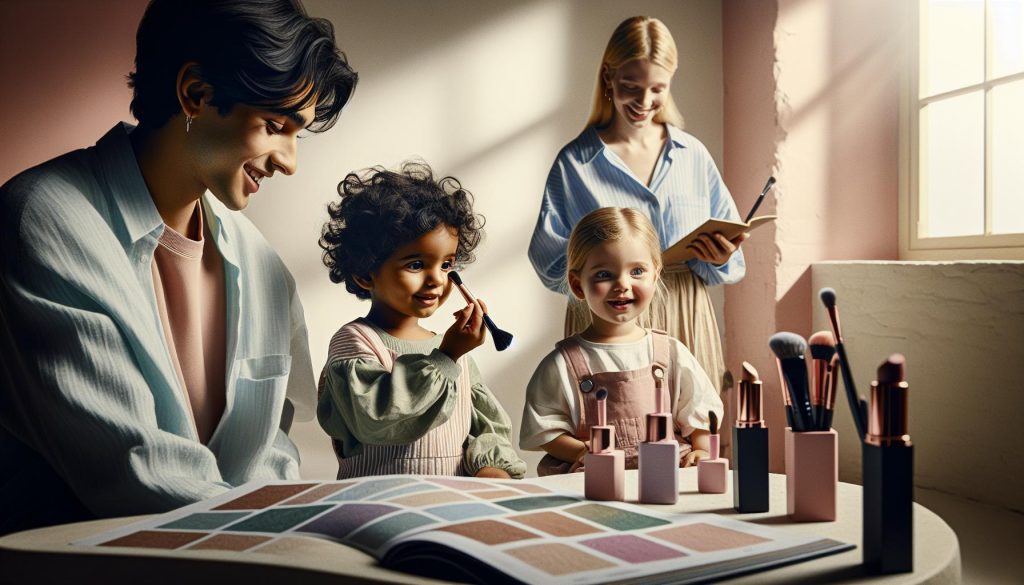
Choosing the right makeup for kids can be tricky. Parents want to encourage creativity while ensuring products are safe and gentle on young skin. With increasing awareness of harmful ingredients, it’s essential to find brands that prioritize safety. In this guide, we’ll explore trusted makeup brands that have been tested and approved for children, helping you make informed choices that are both fun and worry-free. Let’s dive into the world of kid-friendly cosmetics, so you can feel confident in your selections and ensure a playful, safe experience for your little ones!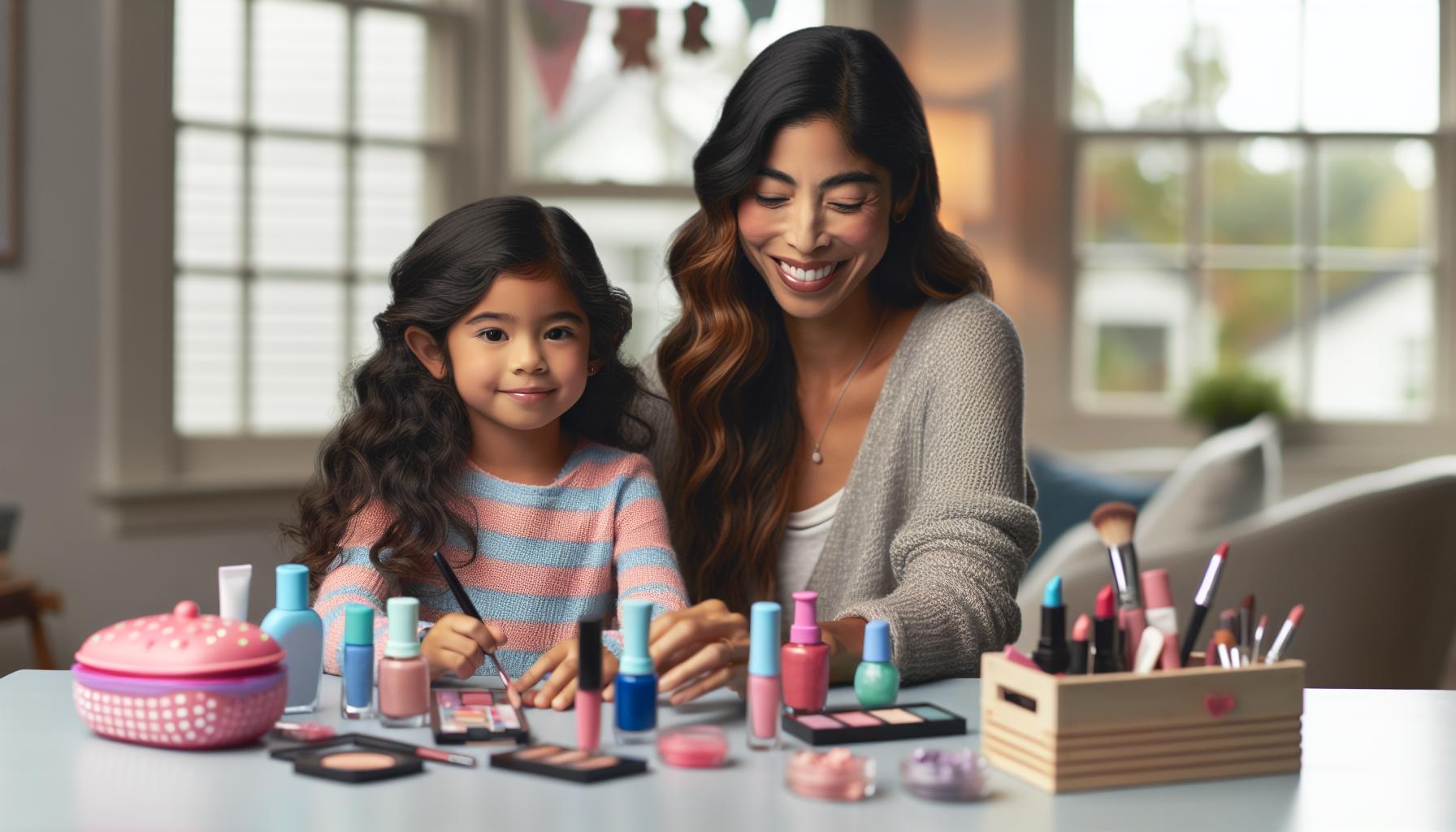
What Makes Makeup Safe for Kids?
While makeup can be a fun way for kids to express themselves, safety is paramount when choosing products. The key factors lie in the ingredients and formulation. Kids’ skin is more delicate than adults’, meaning they require products that are gentle and non-irritating.
First and foremost, look for non-toxic and hypoallergenic labels. Non-toxic products are formulated without harmful chemicals such as parabens, phthalates, and synthetic fragrances, which can irritate sensitive skin. Hypoallergenic products minimize the risk of allergic reactions, making them an excellent choice for children who might have sensitive skin or specific allergies.
Another important aspect is dermatological testing. Ensure that the products you select have been tested by dermatologists for safety and efficacy. This testing can provide reassurance that the makeup will not only look good but also be gentle on a child’s skin.
Additionally, consider the packaging and ease of application. Products designed specifically for children often have user-friendly applicators that make it easy for little hands to grip and use. This reduces frustration and allows for a delightful and creative makeup experience. Always check for age recommendations, as well. Products catered specifically to kids often list recommended age ranges, ensuring they are suitable for young users.
By focusing on these factors-non-toxic ingredients, hypoallergenic formulations, dermatological testing, and child-friendly packaging-you can ensure that the makeup your kids use is safe and enjoyable. Remember, safety doesn’t mean compromising on fun; kids can still explore their creativity with the right products.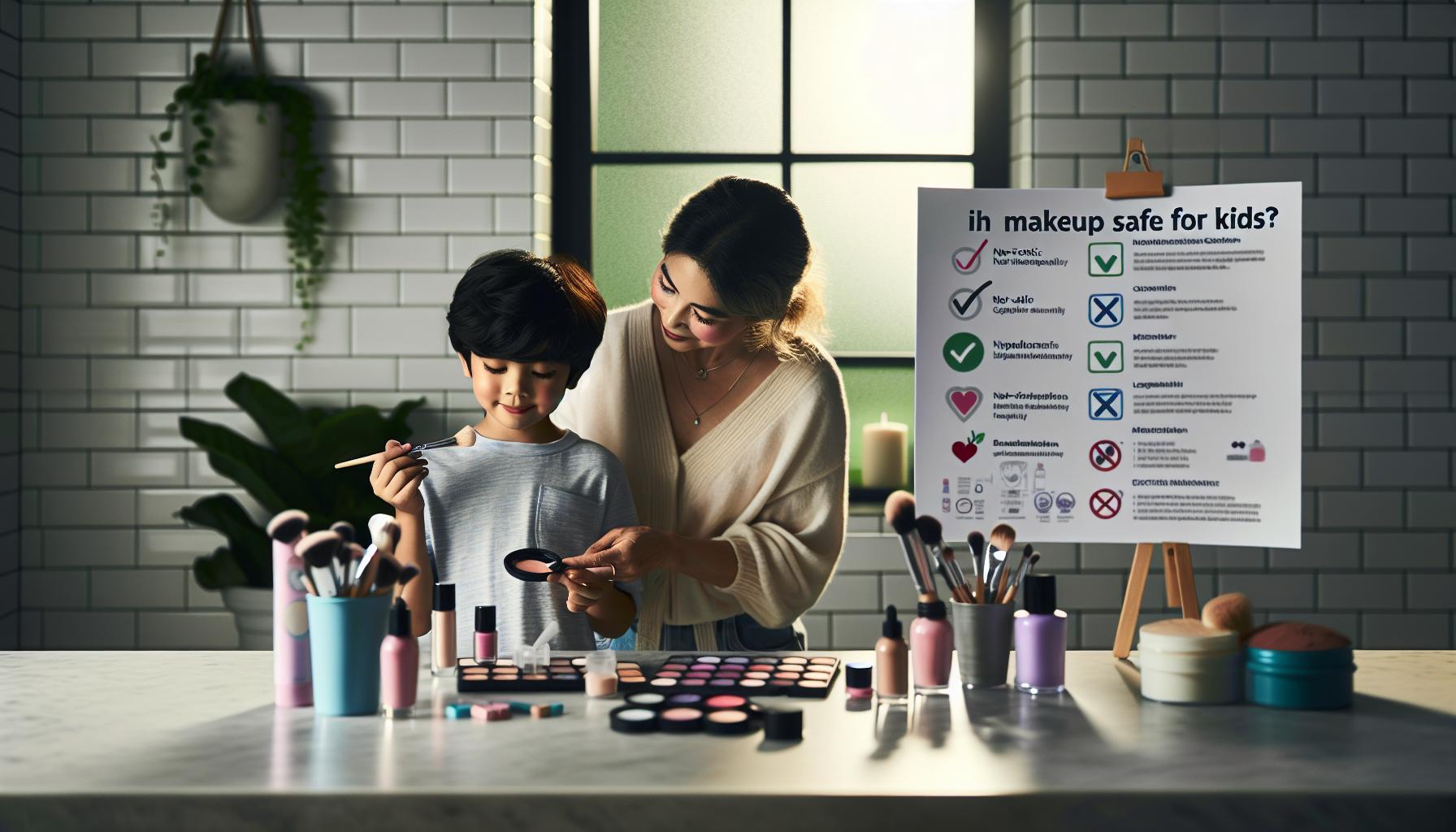
Benefits of Using Non-Toxic Makeup
Using non-toxic makeup for kids comes with a host of benefits that not only enhance their playful creativity but also ensure their safety. The skin of children is thinner and more sensitive compared to adults, making it crucial to choose products that are as gentle as they are fun. Non-toxic makeup is free from harmful chemicals like parabens, phthalates, and synthetic fragrances that can irritate delicate skin and cause allergic reactions. By opting for non-toxic alternatives, you’re giving your child the freedom to explore their artistic side without unnecessary risks.
In addition to being safer, non-toxic makeup is often formulated with nourishing ingredients that care for the skin. Many brands utilize natural pigments and botanical extracts, which can help hydrate and soothe the skin, leaving it looking and feeling its best. For example, a face paint made with natural pigments can add a splash of color while avoiding the harsh effects of synthetic dyes. This not only protects their skin but also promotes a healthier approach to beauty from a young age.
Moreover, choosing non-toxic brands teaches children important lessons about product awareness and self-care. As they play and create, you can start conversations about why certain ingredients are harmful and the importance of selecting safe products. This foundation of knowledge will empower them to make informed choices as they grow and transition into more advanced beauty routines.
Finally, non-toxic makeup options are often crafted to be more environmentally friendly as well. Many brands advocate for sustainable sourcing and minimal packaging, making them a mindful choice for eco-conscious families. Embracing these products fosters not just personal safety, but also responsibility toward the planet, fostering a sense of stewardship among young users.
In summary, opting for non-toxic makeup provides safety, encourages healthy skin, imparts valuable lessons, and contributes to environmental well-being, making it an enriching choice for any child’s makeup experience.
Top Tested Makeup Brands for Kids
Navigating the world of kids’ makeup can be daunting, especially when it comes to finding options that are both safe and fun. Thankfully, there are a variety of brands that specialize in products designed specifically for young skin, focusing on non-toxic ingredients, creative colors, and easy application. Understanding which brands are trusted and tested helps parents make informed decisions, ensuring that makeup time is joyful and worry-free.
One brand that consistently receives high marks is Honest Beauty. Their products are formulated without harsh chemicals, and they emphasize natural ingredients. Parents love the fact that Honest Beauty provides a wide range of kid-friendly colors in their makeup kits that are perfect for imaginative play. Another favorite is Lil’ Blends, known for its playful and vibrant colors that are also hypoallergenic. All products are dermatologist-tested, and their face paints wash off easily with soap and water, which makes cleanup a breeze after a day of fun.
Transitioning to pastel colors, Silly Farm offers an outstanding line of face and body paints specially made for kids. Their paints are water-based, fragrance-free, and gluten-free, making them ideal for sensitive skin. Silly Farm’s range includes a variety of shades, ensuring every little artist finds their perfect color. Additionally, their commitment to safety is evident; each paint is rigorously tested for skin compatibility.
Young Pioneers is another stellar option, particularly their line of natural, non-toxic makeup. This brand crafts its concoctions using plant-based ingredients that not only color but also nourish the skin. Products like their lip glosses and blushes come in delightful flavors and shades that resonate with kids, encouraging them to explore their creativity while caring for their delicate skin.
When looking for safe makeup options for children, it’s essential to choose brands that prioritize health and fun. By opting for products from companies like Honest Beauty, Lil’ Blends, Silly Farm, and Young Pioneers, parents can ensure that their child’s experience with makeup is not only safe but also an exciting opportunity for self-expression. Embrace the joy of letting kids explore their artistic sides with products that put their safety first!
Understanding Makeup Ingredients to Avoid
Navigating kids’ makeup can feel overwhelming, especially when considering which ingredients to avoid to keep little ones safe. Awareness of potentially harmful substances in cosmetics is essential for informed choices. More than just a fun addition to play, makeup for children should be free from certain chemicals that can be irritating or harmful to young, delicate skin.
Start with parabens, commonly used as preservatives in many cosmetics. These synthetic compounds can disrupt hormonal balance and may be absorbed through the skin. Choosing paraben-free products ensures that what kids are putting on their skin is safer for their growing bodies.
Another ingredient to steer clear of is fragrance, a catch-all term that can mask a multitude of undisclosed chemicals. Fragrances might cause allergic reactions or sensitivities, leading to rashes or discomfort. Opting for fragrance-free formulations, or those that use natural essential oils for scent, can minimize the risk of irritation.
It’s also crucial to watch out for phthalates, often found in products that require flexibility and durability (like nail polish). These chemicals have been linked to various health concerns, including developmental issues. Instead, look for brands that are transparent about their formulations and avoid the use of these additives altogether.
Talc is another ingredient that raises eyebrows. While widely used in powder products, it can sometimes be contaminated with asbestos, a known carcinogen. Choosing talc-free makeup ensures that you’re not inadvertently exposing your child to harmful substances.
Finally, consider opting for products that are SLS (sodium lauryl sulfate) and SLES (sodium laureth sulfate) free. Both of these ingredients are often found in cleansers and some makeup products, but they can cause skin irritation, especially for young, sensitive skin. Picking SLS- and SLES-free options can provide a gentler experience for your child during makeup application.
By taking these precautions and knowing what to avoid, you can make educated choices when selecting safe and enjoyable makeup for kids. Always check labels and prioritize brands known for their commitment to non-toxic ingredients. It not only fosters safe makeup play but also instills healthy habits about product safety as children grow up.
How to Choose Kids’ Makeup for Sensitive Skin
Choosing makeup for kids with sensitive skin requires a careful approach to ensure their delicate skin remains healthy and irritation-free. The first step is to prioritize products labeled as hypoallergenic and dermatologist-tested. These labels indicate that the makeup has been formulated with sensitive skin in mind, minimizing the risk of allergic reactions. Look for brands that use fewer ingredients, as simpler formulations are often gentler.
When assessing specific products, always check for ingredients that could be harmful or irritating. Avoid those containing alcohol, which can dry out the skin, and opt for cream-based or liquid formulas, as these are generally more hydrating than powders. Brands like MINILAND and KidzLabs are known for using gentle, non-toxic ingredients suitable for young skin. Also, consider makeup that is free from common allergens, such as gluten or nuts, especially if your child has known sensitivities.
Another important factor is the application method. Encourage a light touch when applying makeup, using soft brushes or sponge applicators to ensure a gentle experience. A good practice is to conduct a patch test by applying a small amount of the product on the inside of their wrist and observing for any reactions over 24 hours. If there’s no redness or irritation, it’s likely safe for use on the face.
Finally, for an added layer of safety, always supervise makeup application. Not only does this ensure that everything is applied correctly, but it also gives you the chance to educate kids about proper skincare and the importance of washing off makeup at the end of the day. By selecting the right products and approach, you can make makeup fun and safe for children with sensitive skin.
Tips for Applying Makeup on Children
When it comes to applying makeup on children, the experience should be joyous and fun, rather than stressful. Understanding how to approach this delicate task can ensure that both you and your little one enjoy the process. Start by setting the right atmosphere-perhaps choose a well-lit area where the child feels comfortable and relaxed. Having a mirror at their height can make them feel involved and excited about their new look.
One key tip is to choose the right tools for application. Using soft, fluffy brushes or sponges designed for sensitive skin allows for gentle application and minimizes any chance of irritation. For things like blush or foundation, opt for cream or liquid formulations, as they are often easier to blend and look more natural on younger skin. Remember to keep the quantities minimal-a small amount goes a long way-and apply thin layers, allowing them to build up gradually if needed.
It’s also critical to get children involved in the process. Show them how to hold the brushes or apply the products themselves, fostering a sense of ownership. This not only engages their creativity but also promotes fine motor skills. For instance, when applying lipstick, demonstrate the technique by using a lip brush and encourage them to mimic the action on the back of their hand first. This playful practice can result in better results and increase their enjoyment.
Lastly, always prioritize safety. Be sure to do a patch test with any new product on a small area of their skin to check for reactions. Also, remind children about skincare-cleaning their face before and after makeup application helps maintain skin health. Encourage them to wash off their makeup gently before bedtime, creating a routine that emphasizes the importance of skin care alongside the fun of makeup. With these friendly tips, you can create memorable moments filled with laughter and creativity while ensuring the makeup experience is safe and enjoyable.
Safety Guidelines for Kids’ Makeup Use
Using makeup can be a fun and creative experience for kids, but ensuring their safety is paramount. To protect delicate skin and encourage a positive makeup journey, certain guidelines should be followed.
First and foremost, opt for products that are specifically formulated for children. These are often non-toxic, hypoallergenic, and free from harsh chemicals. Always read labels carefully; avoid any makeup containing parabens, synthetic fragrances, or sulfates, which can irritate sensitive skin. Before applying a new product, perform a patch test by applying a small dab on the inside of the wrist or elbow, and wait 24 hours to ensure there’s no adverse reaction.
Storing Makeup Properly
Makeup should be stored in a cool, dry place to prevent bacterial growth. Regularly inspect products for expiration dates and discard any items that look or smell off. Teach your child to respect their makeup tools by cleaning brushes and sponges after each use with soap and water to minimize the risk of bacteria and skin irritation.
Application Best Practices
When it’s time to apply makeup, keep the process playful yet safe. Use clean tools and encourage gentle techniques to protect their skin. Explain to your child that less is more; a small amount of product is often sufficient. Focus on using cream-based products that blend easily and are forgiving for beginners.
Developing a Routine
Establishing a routine will help reinforce the importance of skin care before and after makeup application. Encourage kids to wash their faces thoroughly to remove any makeup residue at the end of the day and emphasize moisturizing for healthy skin.
Making makeup fun for kids doesn’t have to come at the expense of safety. By prioritizing gentle, child-friendly products and establishing good habits, you can create an enjoyable and safe makeup experience.
Parental Approval: Expert Recommendations
When it comes to gauging safety in kids’ makeup brands, parental approval often hinges on a few key factors: ingredient safety, the reputation of the brand, and the effectiveness of the products. It’s essential to choose brands that prioritize non-toxic and hypoallergenic formulations, as children’s skin is particularly sensitive and can react to harsh chemicals.
Brands like Klee Naturals, Gabrielle’s Garden, and Pure Play Makeup are frequently recommended by parents and experts alike. They offer a variety of products free from common irritants like parabens, phthalates, and synthetic fragrances. For instance, Klee Naturals’ makeup is made from natural ingredients and is designed specifically for young skin, making it a trusted option. Always check for certifications such as PETA’s cruelty-free stamp or USDA organic labeling, which reinforce a brand’s commitment to safety and ethical practices.
When evaluating a product, it’s helpful to look at user reviews and expert endorsements. Many parenting blogs and forums provide space for real-world feedback, helping parents make informed decisions. Don’t hesitate to reach out to pediatric dermatologists who can provide guidance on ingredients to avoid based on your child’s unique skin type.
Moreover, creating an open dialogue with your child about their preferences can foster a sense of ownership in their makeup journey. Encourage them to express their choices while remaining vigilant about safety. With a little research and communication, you can confidently select makeup that not only delights your child but also aligns with parental safety standards.
Fun and Creative Makeup Ideas for Kids
Exploring the world of makeup can be a delightful adventure for kids. Not only does it allow for creative expression, but it also invites imagination and fun into their routines. Engaging in playful makeup activities can help children develop fine motor skills and even boost their self-esteem as they experiment with colors and styles.
To spark creativity, consider organizing themed makeup days. For instance, you could have a “Fantasy Day” where kids can transform into their favorite magical creatures using bright, non-toxic face paints. Brands like Klee Naturals and Pure Play Makeup offer vibrant options that are safe for young skin, ensuring that their creative expressions don’t come at the cost of health. Involving children in the makeup process can also be a fantastic bonding experience. Let them blend their own colors or create unique looks, utilizing safe products that inspire a sense of ownership and creativity.
DIY Makeup Ideas to Try
- Rainbow Face Paint: Guide your child to use different colored makeup to create a rainbow across their cheeks. This can be a bright and cheerful look for parties or playdates.
- Animal Faces: Using non-toxic makeup, help your child create simple animal designs like a cat or bunny. A little face painting can lead to hours of imaginative play!
- Superhero Style: Encourage your child to design their own superhero mask using safe concealers and colorful eyeshadows. It’s a perfect way to play pretend while fostering creativity.
- Glittery Fun: Some kids love a bit of sparkle! Using fine, cosmetic-grade glitter, allow them to add twinkly touches to their eyes or cheeks for special occasions.
These activities not only elevate the fun factor but also teach kids about creativity and even basic color theory. Always remember to supervise and ensure that application is gentle-using clean brushes or fingertips to prevent irritation. Combining imaginative play with safe practices cultivates a positive experience, allowing children to enjoy their makeup journey confidently and safely.
Frequently Asked Questions About Kids’ Makeup
While exploring makeup for kids can be exciting, it’s natural for parents to have questions about safety and suitability. Ensuring that the products are non-toxic and gentle on young skin is crucial, and many brands prioritize these aspects. Here’s a closer look at some common inquiries regarding kids’ makeup.
One frequently asked question is: Are all kids’ makeup brands safe? The answer is no. Some products may still contain harmful ingredients like parabens or synthetic fragrances, which can irritate sensitive skin. It’s essential to look for brands specifically labeled as non-toxic, hypoallergenic, and free from harsh chemicals. For instance, brands like Klee Naturals, Pure Play Makeup, and Mini Beauty are known for formulating gentle products designed for younger users.
Another important consideration is: What specific ingredients should I avoid? Parents should steer clear of products containing talc, lead, and heavy metals. Additionally, check for allergens that could trigger reactions, particularly if your child has known sensitivities. A handy tip is to always examine the ingredient list on the packaging, as well as look for testing certifications from dermatologists.
When it comes to applying makeup safely, many wonder about the best practices. It’s advisable to perform a patch test by applying a small amount of product on your child’s wrist and waiting 24 hours to see if any reactions occur. Additionally, involving children in their makeup application can be a fun activity, but supervision is necessary to ensure that they are using products gently and correctly.
Finally, parents often ask, how do I transition my child from playful makeup to more sophisticated styles as they grow? Start by introducing makeup techniques gradually. You might begin with fun, colorful products for imaginative play and then move to more subtle makeup items as they mature into their pre-teen years. Always prioritize products specifically designed for their age group to ensure safety and skin compatibility.
Remember, fostering a positive and safe experience with makeup can help children express their creativity while building confidence in their choices. By choosing trusted brands and understanding which ingredients to avoid, you’re paving the way for a fun and safe introduction to the world of makeup.
Transitioning from Kids’ to Teen Makeup
Starting the journey into makeup can be both exciting and daunting for kids transitioning to their teenage years. As your child grows, they may express an interest in more sophisticated makeup products, which can include anything from tinted lip balms to foundation. The key is to make this transition gradual and educational, ensuring that they feel confident in their choices and understand the importance of safety and skin care.
Begin by taking an inventory of the makeup they currently use. Assess which products are age-appropriate and which may need to be swapped out for more refined options. Products designed for younger children often prioritize fun colors and playfulness, while teen makeup should focus on enhancing natural beauty. Introduce brands that offer lightweight formulas and are still non-toxic, such as 100% Pure or Burt’s Bees, which create products that are safe yet effective.
It’s helpful to set up a makeup station that mimics a beauty counter, stocked with the essentials: tinted moisturizers, natural blush, and light lip glosses. Teach your child how to apply makeup in a way that feels right for them, starting with the least amount of product. For example, suggest they use a BB cream for a lighter coverage instead of a heavy foundation; this can help them get used to the sensation of makeup without overwhelming their skin.
Encourage them to experiment with looks but emphasize the importance of cleanliness and skin care. A solid skincare routine is crucial as they begin to use products that could affect their skin differently. Remind them to always remove their makeup before bed and consider incorporating products like gentle cleansers and moisturizers that cater to their skin type.
As they transition into this new phase, keep communication open. Discuss preferences, what they like, and why certain colors or techniques appeal to them. This not only fosters a sense of independence but also reinforces the understanding that makeup is a tool for self-expression and should be fun, not a chore. Ultimately, creating an environment where they can explore their style safely and confidently will lead to a positive relationship with makeup as they move into their teenage years.
FAQ
Q: What ingredients should I avoid in kids’ makeup?
A: When choosing makeup for kids, avoid ingredients like parabens, phthalates, synthetic fragrances, and harsh chemicals. These can irritate sensitive skin and pose health risks. Always read labels and opt for products labeled as hypoallergenic and free from harmful additives to ensure safety.
Q: How can I tell if a makeup brand is safe for children?
A: To determine if a makeup brand is safe for children, check for certifications like “dermatologically tested” or “non-toxic.” Look for brands that disclose their ingredient list and specifically cater to kids’ sensitive skin needs. Research reviews and safety ratings for additional reassurance.
Q: Are there makeup brands specifically designed for kids?
A: Yes, several brands specialize in makeup for kids, such as Little Cosmetics, Lottie London, and Klee Naturals. These brands use safe, non-toxic ingredients and offer products in fun shades and designs, perfect for young makeup enthusiasts.
Q: What is the age range for kids’ makeup use?
A: Kids’ makeup can be suitable for ages 3 and up, mainly for play or special occasions. However, it’s crucial to consider a child’s individual maturity level and skin sensitivity. Always prioritize gentle products formulated for young skin to avoid irritation.
Q: Can makeup cause skin reactions in children?
A: Yes, makeup can cause skin reactions in children, especially if it contains allergens or irritants. Symptoms may include redness, itching, or rashes. Always perform a patch test before full application, and discontinue use immediately if any adverse reaction occurs.
Q: How often should kids wear makeup?
A: Kids should wear makeup sparingly, ideally for special occasions or play. Regular use can lead to clogged pores or skin irritation. Encourage gentle removal and regular skin care routine to keep their skin healthy.
Q: Is it safe for children to use adult makeup products?
A: It’s generally not safe for children to use adult makeup products, as these often contain harsher chemicals. Opt for makeup specifically formulated for kids, which is designed to be gentler on their sensitive skin and free from harmful ingredients.
Q: How can I teach my child about safe makeup use?
A: Teach your child about safe makeup use by discussing the importance of choosing non-toxic products and reading labels together. Encourage them to ask questions, help them understand skin sensitivity, and set a good example by using safe products yourself.
To Conclude
As we’ve explored, choosing makeup brands that prioritize safety for kids is essential for giving you peace of mind while nurturing creativity. Remember to look for hypoallergenic ingredients and cruelty-free certifications to foster a responsible beauty routine for your little ones. If you’re still unsure, consider testing a small patch of skin first or consulting with a pediatrician for tailored advice.
Ready to dive deeper? Check out our guides on “Best Techniques for Applying Kids’ Makeup” and “How to Choose Safe Skin Care Products for Children.” And don’t forget to sign up for our newsletter for the latest tips and trends on safe beauty practices. Your journey to finding the perfect products doesn’t stop here; every step you take now ensures a happy and healthy start for your child’s beauty adventures. Join the conversation in the comments below, and share your experiences with safe kids’ makeup-your tips could help another parent!
Get our latest guides, news, and insights highlighted in your Google Search & AI Overviews.